Quick Navigation
- What Exactly Is a Bell Pepper?
- The Rainbow of Bell Pepper Varieties: It's Not Just About Color
- How to Grow Bell Peppers That Actually Thrive
- The Nutritional Powerhouse: What's Really in Your Pepper?
- How to Select, Store, and Prep Bell Peppers Like a Pro
- Cooking with Bell Peppers: Unleashing the Flavor
- Your Bell Pepper Questions, Answered
- Putting It All Together: A Year with Bell Peppers
Let's talk about bell peppers. You see them in every grocery store, a rainbow of red, green, yellow, and orange. Maybe you chop them up for a salad, stuff them for dinner, or snack on the slices with hummus. But have you ever wondered why the red ones cost more than the green? Or why your homegrown bell peppers never seem to get as big as the ones at the market? I've been there. I've planted seeds with hope and ended up with tiny, stubborn fruits. I've also had seasons of glorious, wall-thick harvests.
This isn't just another gardening article. It's the guide I wish I had when I started. We're going to dig deep—into the soil, the science, and the sizzle of the pan. Whether you're trying to grow your first bell pepper plant or you're a seasoned cook looking to get more from this versatile vegetable (botanically a fruit, but we'll get to that), there's something here for you. Forget the dry, textbook stuff. Let's get our hands dirty.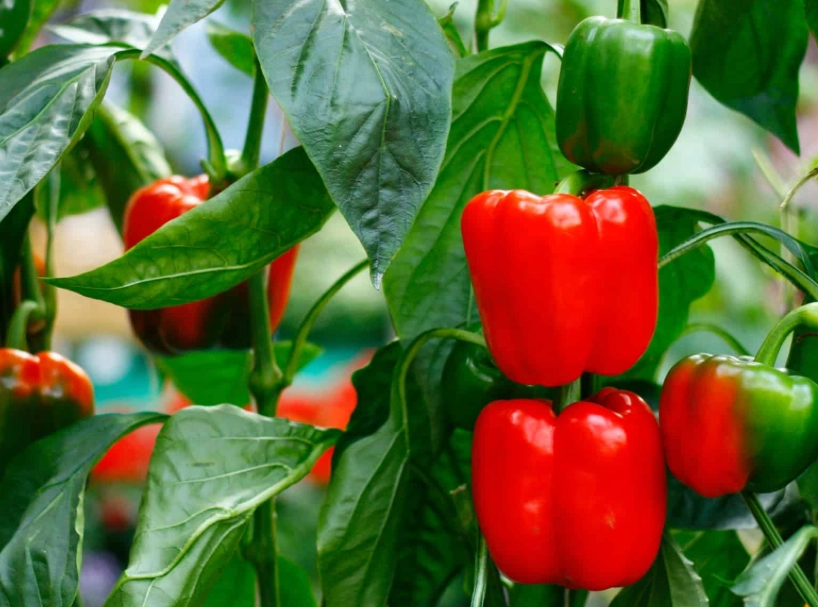
What Exactly Is a Bell Pepper?
First, a quick bit of family history. The bell pepper, or Capsicum annuum, is part of the nightshade family, hanging out with tomatoes, potatoes, and eggplants. Unlike its spicy cousins—the jalapeño or habanero—the common bell pepper has a recessive gene that eliminates capsaicin, the compound that makes peppers hot. That's why they're sweet and mild, perfect for people who love flavor but not fire.
Here's a fun fact that trips up a lot of people: a bell pepper is a fruit. By the strict botanical definition, it's the seed-bearing structure that develops from the flower's ovary. But in the culinary world, we treat it like a vegetable because of its savory flavor profile. Call it what you want; it's delicious either way.
The Rainbow of Bell Pepper Varieties: It's Not Just About Color
Most people think the different colors are different varieties. Not quite. With a few exceptions, a green, yellow, orange, and red bell pepper can all come from the same plant at different stages of ripeness. A green bell pepper is simply immature. If left on the plant, it will typically turn yellow, then orange, then finally a deep, glossy red. Each stage brings changes in flavor, sweetness, and nutrition.
The Green Bell Pepper
The young one. Picked early, it has a grassy, slightly bitter, and crisp flavor. It's the most affordable because it takes less time and resources to grow. It's fantastic for adding a crunchy texture to stir-fries, fajitas, or salads where you want a sharper, less sweet note. Some people find the flavor a bit too harsh raw—I'm one of them—but cooking mellows it nicely.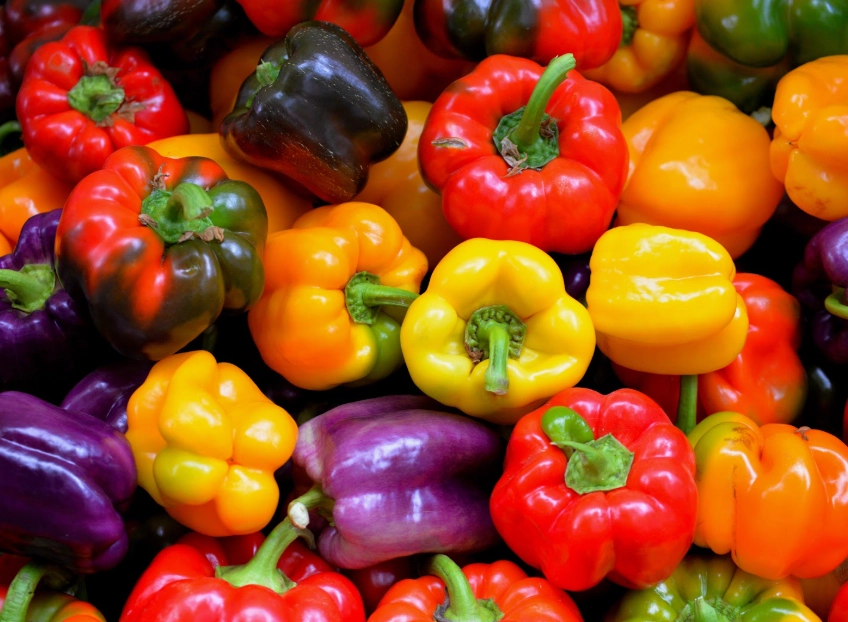
The Yellow & Orange Bell Peppers
The sweet transition. As chlorophyll breaks down and other pigments (carotenoids) develop, the pepper sweetens significantly. The bitter edge disappears, replaced by a fruity, mild sweetness. Yellow and orange peppers are incredibly versatile, great raw for snacking, roasting, or adding a pop of sunny color to any dish. Their skin also tends to be a bit thinner than green peppers.
The Red Bell Pepper
The fully mature superstar. This is the bell pepper at its peak. It has spent the most time on the vine, converting its starches into sugars. The flavor is unmistakably sweet and rich, almost fruity. Nutritionally, it's the powerhouse, with up to 11 times more beta-carotene and 1.5 times more vitamin C than its green counterpart. The downside? That extra growing time and care translate to a higher price tag. Is it worth it? For eating raw or roasting, absolutely.
Then there are the specialty varieties that don't follow this color path. Look for chocolate brown bells, deep purple ones, or even ivory white peppers. These are often distinct cultivars with their own unique flavor profiles. A 'Purple Beauty' bell pepper, for instance, starts purple and matures to a deep, reddish-burgundy, but can have a slightly more earthy taste.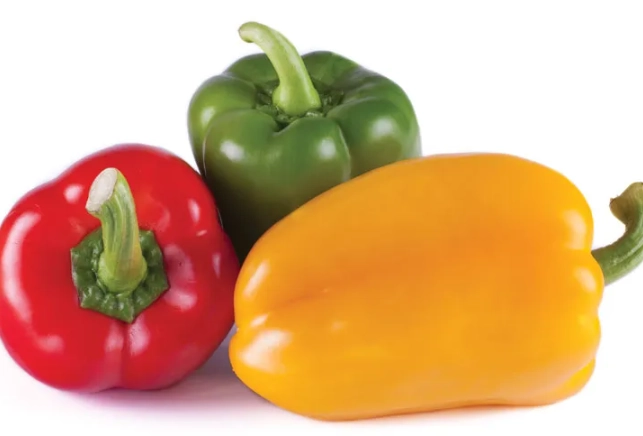
How to Grow Bell Peppers That Actually Thrive
This is where most guides get it wrong. They make it sound like you just stick a plant in the ground and wait. If only. Bell peppers can be a bit... fussy. They're tropical plants at heart and want warmth, consistency, and good food. Here’s the real deal on getting a bumper crop.
Starting Right: Seeds vs. Transplants
Unless you have a very long growing season, start seeds indoors 8-10 weeks before your last expected frost. Pepper seeds need warmth to germinate—a seedling heat mat set to 80-85°F (27-29°C) makes a world of difference. Without it, they can take forever to sprout, if they do at all.
My personal preference? I start a few exotic varieties from seed for fun, but for reliable harvests, I buy healthy, stocky transplants from a local nursery. Look for plants with dark green leaves, thick stems, and no flowers or fruits already on them. A plant trying to fruit in a tiny pot is already stressed.
The Non-Negotiables: Sun, Soil, and Food
Sun: Full sun means at least 6-8 hours of direct sunlight. More is better. Less, and you'll get leafy plants with few, small fruits.
Soil: They demand well-draining soil. Soggy roots are a death sentence. If you have heavy clay, raise your beds or grow in containers. The soil should be rich in organic matter. I work in several inches of finished compost before planting.
Food: Peppers are moderate feeders. A balanced, slow-release fertilizer at planting time works well. The key moment is when flowers first appear. That's when the plant shifts energy to reproduction and needs a boost. Switch to a fertilizer with a higher phosphorus and potassium number (the second and third numbers on the bag, like 5-10-10) to encourage flowering and fruiting, not just leaves. Overdoing nitrogen is a classic mistake—you get a giant bush with two peppers.
Common Problems (And Real Solutions)
You'll see tiny holes in the leaves? Probably flea beetles. Yellowing leaves from the bottom up? Could be overwatering or a magnesium deficiency (a sprinkle of Epsom salt can help). The most heartbreaking is blossom end rot—a dark, sunken spot on the bottom of the fruit. It's not a disease, but a calcium deficiency in the fruit caused by irregular watering. The soil might have plenty of calcium, but if the plant's water uptake is on-again-off-again (letting the soil dry out completely between waterings), it can't transport calcium to the developing pepper. Consistent moisture is the cure. Mulch heavily to help with this.
For comprehensive, science-backed information on identifying and managing pepper plant diseases, the University of Minnesota Extension has an excellent resource that I consult regularly.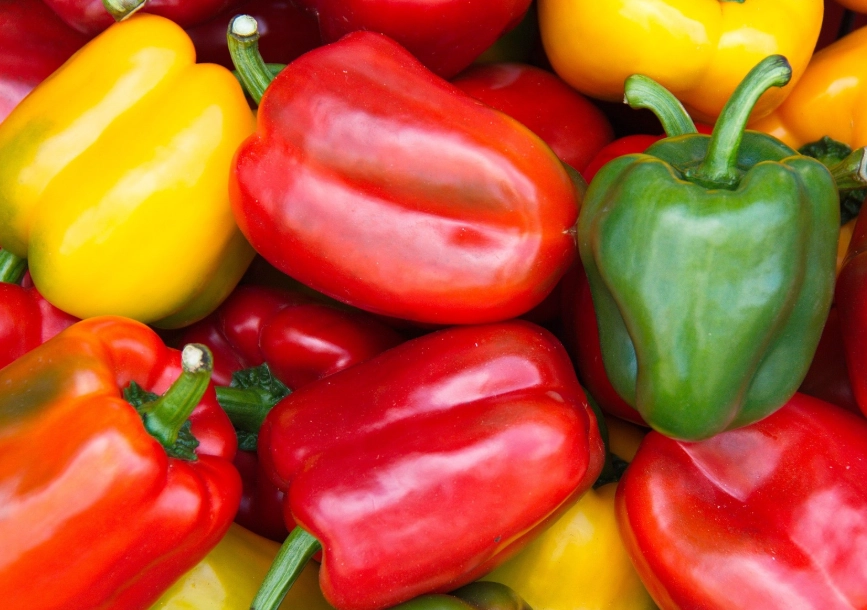
The Nutritional Powerhouse: What's Really in Your Pepper?
We all know bell peppers are "good for you," but let's break down why they deserve a regular spot on your plate. The data here is compelling, and much of the detailed nutritional analysis aligns with resources from the USDA's FoodData Central.
Vitamin C Champion: Forget oranges. One medium red bell pepper provides about 150-170% of your daily Vitamin C needs. This antioxidant is crucial for immune function, skin health (collagen synthesis), and iron absorption.
Vitamin A Vision: Those bright red, orange, and yellow colors signal high levels of beta-carotene, which your body converts to Vitamin A. Essential for healthy vision, especially night vision, and immune support.
The B6 and Folate Factor: Important for energy metabolism and nervous system health. Folate is particularly important for cell growth and replication.
Fiber: A good source of dietary fiber, which aids digestion and promotes gut health.
Antioxidant Arsenal: Beyond the vitamins, bell peppers contain a variety of phytochemicals like quercetin and luteolin, which have anti-inflammatory properties.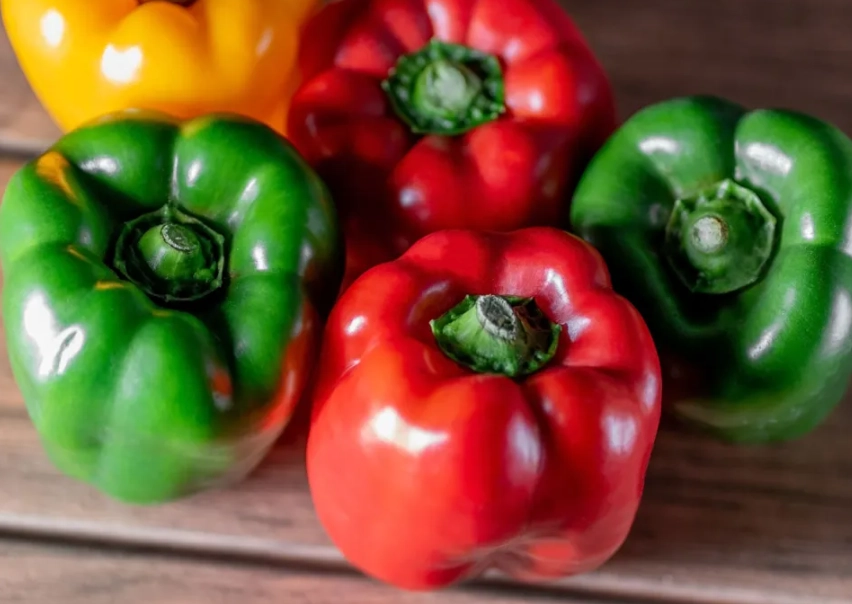
Here’s a quick comparison of the vitamin content in different colored peppers (per 100g raw):
| Nutrient | Green Bell Pepper | Red Bell Pepper | % Increase (Green to Red) |
|---|---|---|---|
| Vitamin C | 80.4 mg | 127.7 mg | ~59% more |
| Vitamin A (RAE) | 18 µg | 157 µg | ~770% more |
| Beta-carotene | 208 µg | 1624 µg | ~680% more |
| Vitamin B6 | 0.224 mg | 0.291 mg | ~30% more |
The message is clear: letting your bell peppers fully ripen to red (or orange/yellow) dramatically boosts their nutritional profile. You're not just paying for sweetness; you're paying for a major nutrient upgrade.
How to Select, Store, and Prep Bell Peppers Like a Pro
Buying the Best
Look for peppers that feel heavy for their size, with firm, glossy skin free of wrinkles, soft spots, or cracks. The stem should look fresh and green. A lightweight pepper is often dehydrated and less crisp.
Storing for Longevity
Don't wash them until you're ready to use them. Moisture speeds up decay. Store them whole in a plastic bag in your refrigerator's crisper drawer. They should last 1-2 weeks. Sliced peppers will only last a few days; store them in an airtight container.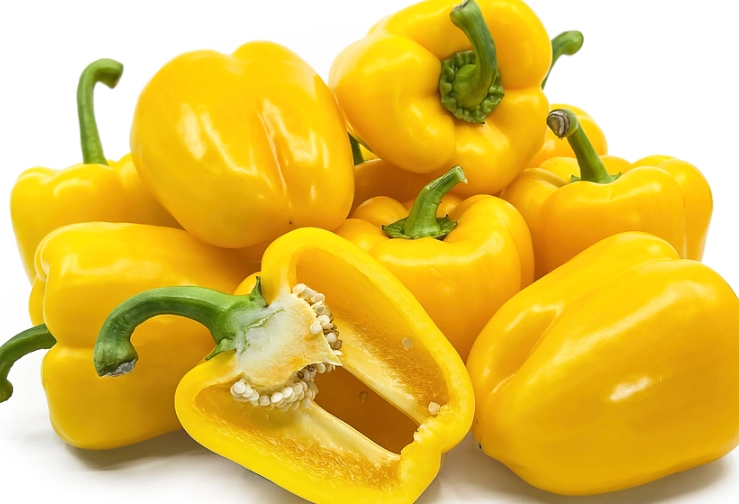
Prepping Without the Mess
Here's my favorite method: Slice off the top and bottom. Stand the pepper upright on a cutting board. Use your knife to slice down the sides, following the natural curves, to remove the flesh in flat panels. The core and seeds come out in one neat piece. Then, slice or dice the panels as needed. It's faster and safer than trying to hollow out a whole pepper with a knife.
Cooking with Bell Peppers: Unleashing the Flavor
Raw is great, but heat transforms them. The goal is to enhance their natural sweetness or add a smoky dimension.
Roasting & Charring: This is the ultimate flavor bomb. High heat caramelizes the sugars and, if you let the skin blacken, adds a incredible smoky depth. You can roast under a broiler, over a gas flame, or on a grill. Once charred, pop them in a bowl covered with plastic wrap for 10 minutes—the steam loosens the skin, making it easy to peel off. The result is silky, intensely flavored flesh perfect for sauces (romesco!), soups, or as a side dish. A red bell pepper roasted this way is a completely different experience from a raw one.
Sautéing & Stir-frying: Use medium-high heat and don't overcrowd the pan. You want them to sear and soften, not steam in their own juices. They're a foundational part of the "holy trinity" in Cajun/Creole cooking (with onion and celery) and the "sofrito" in Latin cuisines.
Grilling: Cut into large, flat pieces or keep them whole for stuffing. Brush with oil to prevent sticking. Grill until tender with nice grill marks.
Stuffed Peppers: A classic for a reason. Parboil the hollowed-out peppers for 3-4 minutes first to soften them up; this ensures the filling and the pepper cook evenly. Then stuff with your favorite mixture (meat, rice, quinoa, beans, cheese) and bake.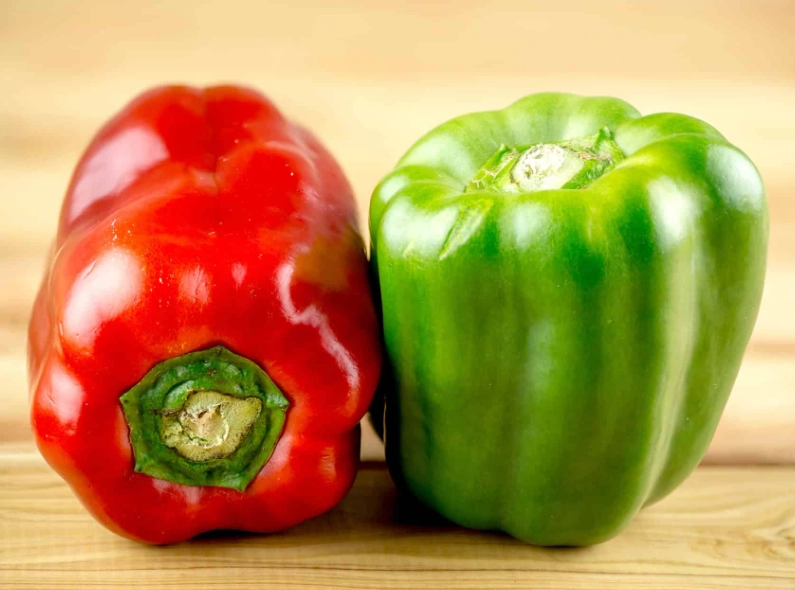
Your Bell Pepper Questions, Answered
Putting It All Together: A Year with Bell Peppers
Think of the bell pepper not as a single ingredient, but as a seasonal project. In spring, you start seeds or buy plants. Through summer, you nurture them, battling pests and praying for sun. The first green fruit is a triumph. Waiting for them to blush red tests your patience. Then comes the harvest—the real reward.
You roast them, freeze them, chop them into a million summer salads, and stuff them for family dinners. That crisp bite in your fajita, the sweet smokiness in your soup, the colorful confetti in your pasta salad—that's the taste of your own effort.
Even if you never plant a single seed, understanding the journey from field to store makes you a smarter shopper and a better cook. You'll know why the red bell pepper costs more, and when it's worth it. You'll know how to pick the best one and how to store it so it doesn't go limp in two days. You'll know that a quick roast can turn an ordinary weeknight ingredient into something spectacular.
So next time you're at the store or farmers market, give those bell peppers a second look. See the potential. Then go home and make something delicious.
Reader Comments