Quick Guide
- Why Bother? The Surprising Power of a Squash Seed
- Step One: The Great Seed Rescue (It's Not as Gross as It Sounds)
- To Soak or Not to Soak? (And Other Pre-Roast Debates)
- The Art of the Roast: Time, Temp, and Texture
- Flavor Town: Your Roasted Squash Seed Recipe Playbook
- Okay, I've Got a Jar of Roasted Seeds. Now What?
- Your Roasted Squash Seed Questions, Answered
Let's be honest. How many times have you carved a pumpkin or chopped up a butternut squash, scooped out that slimy, seedy mess from the center, and just… tossed it straight into the compost bin? I used to do it every single time. It felt like the obvious thing to do. Those seeds were just part of the cleanup process, an obstacle between me and my soup or pie.
Then, a few years back, I was at a friend's fall potluck. She had this bowl of what looked like fancy, artisanal pepitas, but they had this incredible, deep flavor I'd never tasted in store-bought ones. When I asked for the brand, she just laughed. "Oh, these? They're from the acorn squash I roasted yesterday. I couldn't let them go to waste." My mind was blown. That was the moment I realized I'd been throwing away gold—crispy, nutritious, and delicious gold.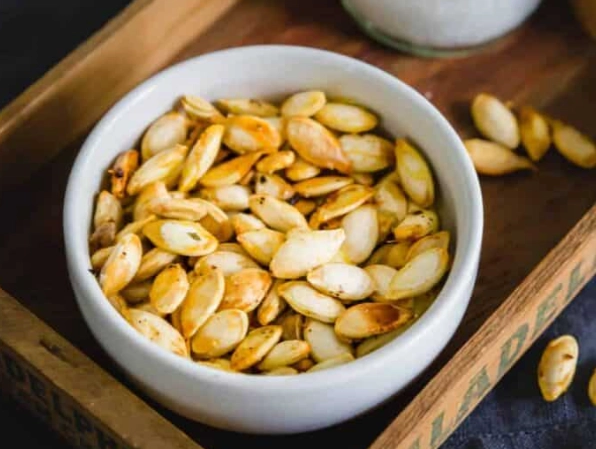
Since then, I've made roasted squash seeds a non-negotiable part of my autumn and winter kitchen routine. And it's not just pumpkins. Acorn, butternut, delicata, spaghetti squash—they all have seeds that are absolutely worth saving. The process is simple, but there are a few tricks that separate okay roasted seeds from the kind you can't stop eating. That's what this guide is for. We're going to cover everything, from why you should bother to how to get them perfectly crisp every single time.
Why Bother? The Surprising Power of a Squash Seed
Before we get our hands dirty, let's talk about why these little guys are such a big deal. It's not just about reducing food waste (though that's a fantastic bonus). It's about what you're gaining.
Think of squash seeds as a nutrient-dense powerhouse in a tiny shell. When you roast them, you're concentrating those nutrients and flavors. The U.S. Department of Agriculture's FoodData Central database lists pumpkin seeds (a close cousin to other squash seeds) as an excellent source of magnesium, iron, zinc, and healthy fats. Magnesium is a big one—it's involved in hundreds of reactions in your body, from muscle function to mood regulation, and a lot of people don't get enough.
They're also a solid plant-based source of protein and fiber. A quarter-cup serving can pack a real punch, helping you feel full and satisfied. Some research, like articles referenced by Harvard T.H. Chan School of Public Health on healthy fats and seeds, suggests that the types of fats and antioxidants in seeds may support heart health.
But for me, the benefit is even simpler. A bowl of homemade roasted squash seeds sitting on my counter beats any bag of chips or candy. It's a snack that actually makes me feel good after eating it, not sluggish. And the flavor? Once you've had them fresh and warm from your own oven, the store-bought version just tastes… stale.
Step One: The Great Seed Rescue (It's Not as Gross as It Sounds)
This is the part that intimidates people. You've got this slippery, stringy mass. Where do you even start? Trust me, it's a five-minute job, max.
Harvesting Your Seeds
First, don't be gentle. Scoop out the seed pulp from your squash or pumpkin and plop it into a large bowl. I use a sturdy metal spoon for this. Don't worry about getting every last string at this point.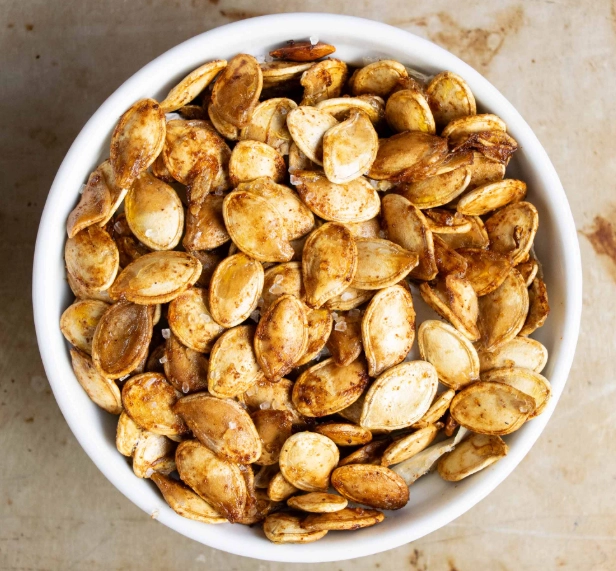
The Cleaning Ritual
Here’s the key: use plenty of water. Fill the bowl with cool water. Now, just start swishing the mass around with your hands. The seeds want to float, and the pulp wants to sink. Gently separate the seeds from the orange strings. Pull the seeds free and transfer them to a colander. Some pulp will cling—that's fine. We'll get it in the next step.
Rinse the seeds under running water in the colander, using your fingers to rub off any stubborn pulp. A little bit left on is okay; it can add flavor. But too much will burn in the oven.
Now, the most crucial step for crispy success: dry them thoroughly. I mean it. Wet seeds steam in the oven; they don't roast. Spread the cleaned seeds out in a single layer on a clean kitchen towel or a bunch of paper towels. Pat them dry, then let them air-dry for at least an hour, or even overnight. If I'm in a hurry, I'll gently roll them in the towel. The drier they are, the crispier they'll get.
To Soak or Not to Soak? (And Other Pre-Roast Debates)
You might see people online recommending a saltwater soak before roasting. The theory is it seasons the seeds from the inside and makes the shells more tender. I've tried it both ways—extensively.
My personal take? For most squash seeds, I skip the long soak. It adds another 8-12 hours to the process, and I'm not convinced the difference is dramatic enough. A quick brine (like 30 minutes) can help salt adhere if you're just doing a basic salted batch. But for flavorings like spices or nutritional yeast, a soak isn't necessary at all.
Where I do think a soak helps is with thicker-shelled pumpkin seeds, especially from larger carving pumpkins. It can make them less tough. For the thinner seeds from butternut or acorn squash, it's an optional extra step.
The Art of the Roast: Time, Temp, and Texture
This is where the magic happens. Roasting squash seeds is forgiving, but a few guidelines will guarantee perfection.
The Basic Method:
- Preheat your oven to 300°F (150°C). Lower and slower is better than hot and fast, which burns the outside before the inside dries out.
- Toss the dry seeds with a little fat. This helps the seasoning stick and promotes even browning. I use about 1 teaspoon of olive oil, melted coconut oil, or avocado oil per cup of seeds. Don't drown them—just a light, even coat.
- Season generously. Now add your salt and any other spices. Toss until evenly distributed.
- Spread on a baking sheet. Use a rimmed sheet and spread the seeds in a single layer. Crowding leads to steaming. Parchment paper isn't essential but makes cleanup easier.
- Roast, then stir. Pop them in the oven. After about 10 minutes, take the sheet out and give the seeds a good stir or shake. This prevents hot spots and ensures even coloring.
- Roast until golden. Total time is usually 20-35 minutes, depending on seed size and moisture. You'll hear them start to make a faint popping sound. They're done when they're a light golden brown. They crisp up more as they cool, so don't wait for them to be rock-hard in the oven.
- Cool completely. This is the final crisping phase. Let them cool right on the baking sheet before storing.
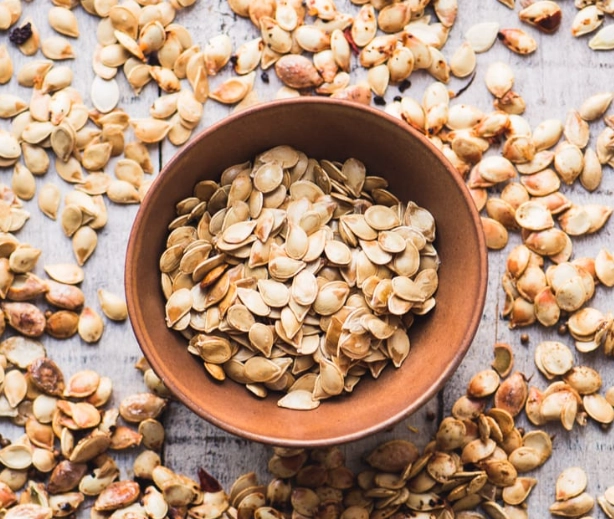
How do you know your batch of roasted squash seeds is perfect? They should be lightly browned, smell nutty and toasty, and have a firm, satisfying crunch when completely cool.
Flavor Town: Your Roasted Squash Seed Recipe Playbook
Salt is classic, but why stop there? Once you've mastered the basic roast, the flavor world is your oyster. Here are my go-to combinations. Mix your seasoning blend with the oil before tossing with the seeds.
| Flavor Profile | Seasoning Mix (for ~1 cup seeds) | Extra Notes |
|---|---|---|
| Classic Savory | 1 tsp olive oil, ½ tsp sea salt, ¼ tsp garlic powder, ¼ tsp smoked paprika | Unbeatable crowd-pleaser. The smoked paprika is a game-changer. |
| Sweet & Spicy | 1 tsp coconut oil (melted), 1 tbsp maple syrup or honey, ¼ tsp salt, ¼ tsp cinnamon, pinch of cayenne | Watch closely! The sugar can burn. Maybe lower temp to 275°F. |
| Everything Bagel | 1 tsp olive oil, ½ tsp each: dried garlic, dried onion, sesame seeds, poppy seeds, plus ½ tsp salt | Feels fancy. The seeds toast up beautifully in the oven. |
| Simple Herb | 1 tsp olive oil, ½ tsp salt, 1 tsp dried rosemary (crushed), black pepper | Rosemary and squash are a match made in heaven. Thyme works great too. |
| Cheesy (Dairy-Free) | 1 tsp olive oil, 1 tbsp nutritional yeast, ½ tsp salt, ¼ tsp onion powder | Nutritional yeast gives a fantastic, nutty, cheesy flavor without dairy. |
My personal favorite? A weird one I stumbled on: a touch of olive oil, tamari (or soy sauce), and a whisper of five-spice powder. It's savory, umami, and slightly mysterious. Don't be afraid to experiment.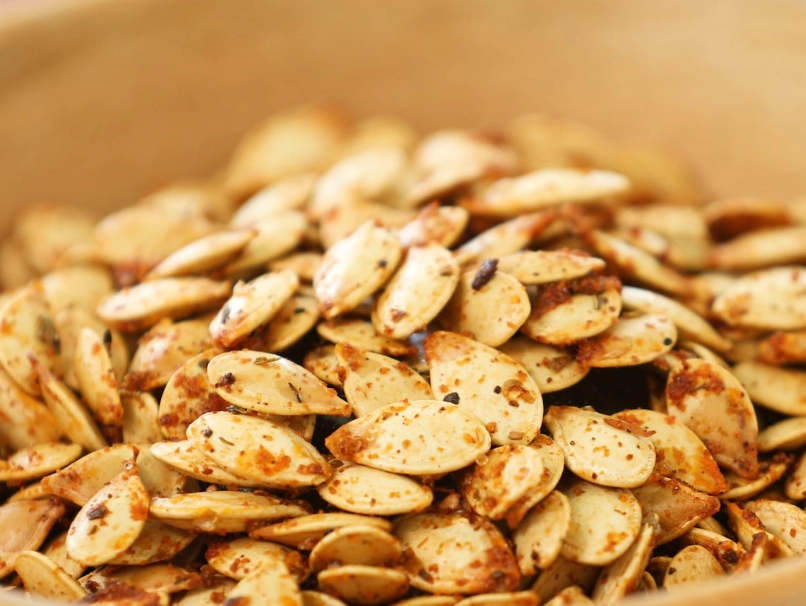
Okay, I've Got a Jar of Roasted Seeds. Now What?
Eating them by the handful is a perfectly valid life choice. But if you want to branch out, roasted squash seeds are incredibly versatile.
- Salad Topper: They add the perfect crunch to autumnal salads with kale, roasted squash, apples, and a cider vinaigrette.
- Soup Swirl: Blitz them in a spice grinder or food processor (pulse carefully!) to make a seed "crumble" to sprinkle over creamy soups. It adds texture and a nutrient boost.
- Yogurt or Oatmeal Mix-In: Along with some fruit, they turn breakfast into something special.
- Trail Mix Base: Combine with dried cranberries, dark chocolate chips, and a few nuts.
- Baking Addition: Fold them into bread, muffin, or granola bar recipes.
Storing them is straightforward. Let them cool completely first—any residual warmth will create steam and make them soft. Then, pop them into an airtight container. A glass jar on the counter is fine for a week or so. For longer storage (up to a month), keep them in the fridge. You can also freeze them for several months. Their fat content means they can go rancid eventually, so I try to use mine within a few weeks.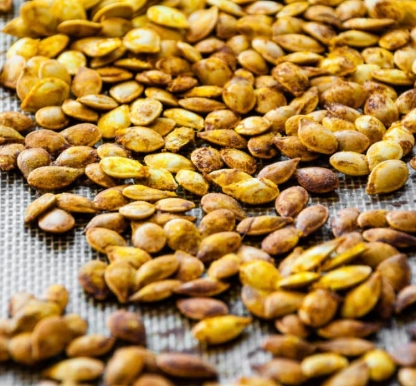
Your Roasted Squash Seed Questions, Answered
I've gotten a lot of questions from friends and readers over the years. Here are the big ones.
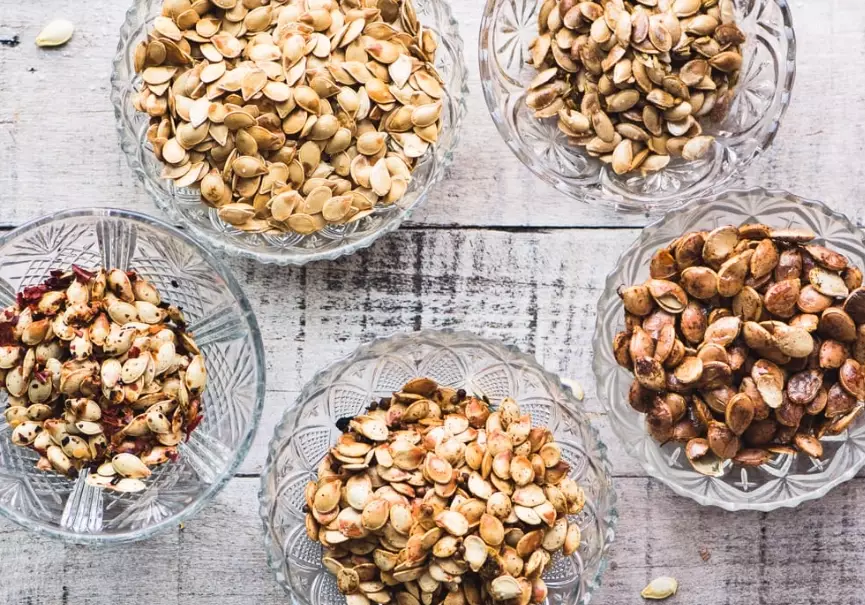
The beauty of making roasted squash seeds is that there's no single "right" way. It's about finding the method and flavors that make you want to save those seeds every single time.
So, next time you're facing that pile of seeds.
Don't see it as garbage. See it as the start of your next favorite snack. It takes a little time, but most of it is hands-off. And the reward—a jar full of homemade, healthy, delicious crunch that you made from something you almost threw away—is incredibly satisfying. It connects you to your food in a simple, tangible way. Give it a try this season. I have a feeling you won't go back to tossing them.
Reader Comments