Quick Navigation
- So, What Exactly Is a Cherry Tart Anyway?
- A Bite of History: Where Did Cherry Tarts Come From?
- First Things First: Choosing Your Cherries
- The Foundation: Demystifying Tart Crusts
- Crafting the Cherry Filling: From Simple to Spectacular
- Step-by-Step: Assembling and Baking Your Masterpiece
- Beyond the Classic: Exciting Cherry Tart Variations
- Your Cherry Tart Questions, Answered
- Pairing and Serving Your Cherry Tart
Let's talk about cherry tarts. You know, that dessert that sits somewhere between a pie and a fancy pastry, looking all impressive but secretly making you wonder if you can pull it off without the bottom turning into a soggy mess. I've been there. The first time I tried making one, I was so proud of the beautiful lattice top I wove, only to find the crust underneath was pale and doughy. A total heartbreak after all that work.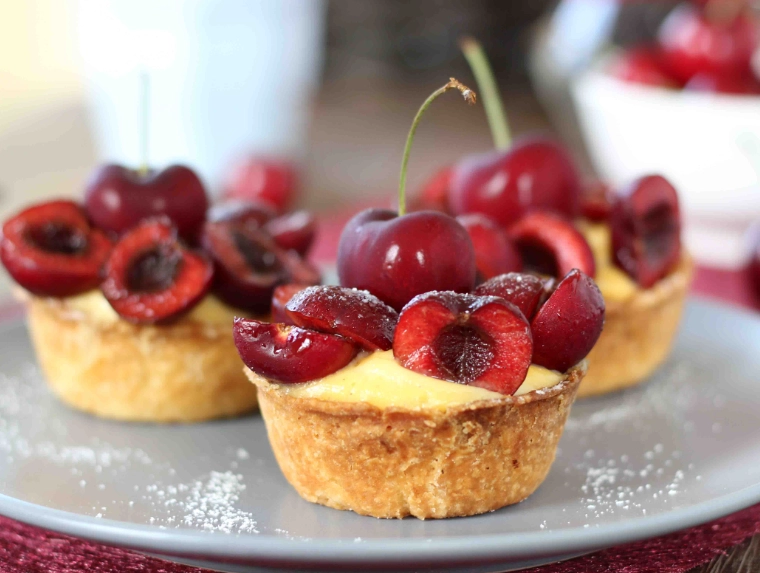
But here's the thing – a perfect cherry tart is absolutely within reach. It's not about being a professional pastry chef; it's about knowing a few key tricks that most recipes gloss over. Whether you're staring at a basket of fresh summer cherries or you've got a bag of frozen ones in the freezer, this guide is your companion. We're going to dig into everything – the history (it's more interesting than you think), the science of the crust, the soul of the filling, and how to avoid the pitfalls that trip up so many home bakers.
So, What Exactly Is a Cherry Tart Anyway?
It seems simple, right? Cherries + tart shell = cherry tart. But the magic is in the details. Unlike its deeper-dish cousin, the pie, a tart is typically shallower, baked in a pan with straight or slightly fluted sides, and often unmolded before serving to show off its clean edges. The focus is on elegance and a balanced ratio of crust to filling.
Think of the crust as the foundation. It needs to be sturdy enough to hold the juicy filling but tender and flavorful enough to be a star in its own right. Then there's the cherry filling itself. This can range from a simple pile of fresh, sweetened cherries to a more complex custard or frangipane (almond cream) base with cherries nestled on top. The variety is part of the fun.
My personal favorite? A classic French-style tarte aux cerises with a buttery pâte sucrée (sweet shortcrust pastry) and a layer of vanilla pastry cream. It's timeless. But I also have a soft spot for the rustic, free-form galette version – it's forgiving and looks beautifully imperfect.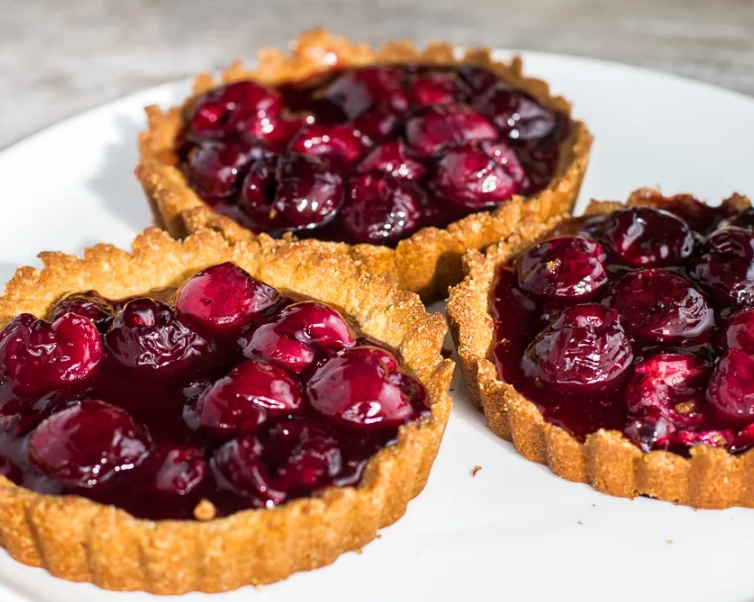
Key Takeaway: A cherry tart is defined by its shallow, elegant form and the harmonious partnership between a crisp, flavorful crust and a vibrant cherry filling. It's less about heaping quantities and more about refined balance.
A Bite of History: Where Did Cherry Tarts Come From?
Pastry and fruit have been friends for centuries. While the ancient Romans had early versions of cheesecakes in pastry, the tart as we know it really started taking shape in the Middle Ages in Europe. Back then, they were often called "coffins" – not the most appetizing name! – which just meant a container of pastry.
Cherries, being a beloved summer fruit across Europe, naturally found their way into these pastries. The French and the English, in particular, have long histories of fruit tarts. In fact, you can find recipes for cherry tarts in cookbooks dating back to the 16th and 17th centuries. They were a way to celebrate the short, glorious cherry season.
It's fascinating to see how the basic concept has traveled and evolved. The American adaptation often leans sweeter and sometimes incorporates ingredients like almond extract, which pairs incredibly well with the fruit. Understanding this history isn't just trivia; it connects you to a long line of bakers who were trying to solve the same problem: how to best encase summer's bounty in a delicious, portable package.
First Things First: Choosing Your Cherries
This is where your cherry tart journey truly begins. Walk into a store, and you're faced with choices. The wrong cherry can leave your tart too sour, too watery, or lacking in color.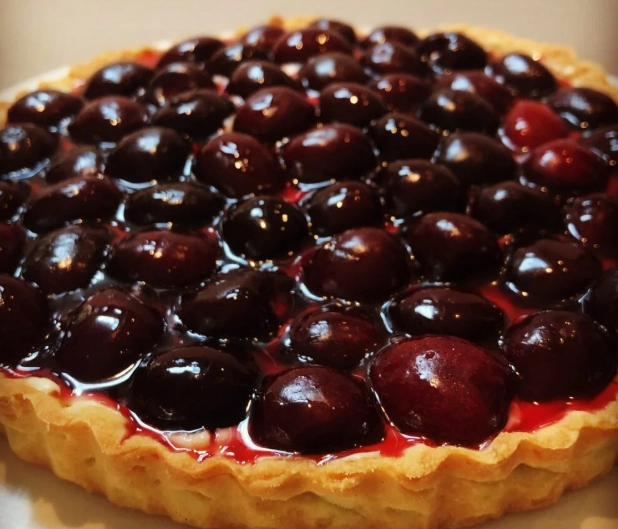
The Great Debate: Sweet vs. Sour Cherries
Most baking experts will tell you that sour cherries (like Montmorency or Morello) are the gold standard for baking. They have a brighter, more complex flavor that stands up to sugar and heat, and they hold their shape reasonably well. The problem? They're incredibly seasonal and often hard to find fresh unless you live near an orchard or a fantastic farmer's market.
Sweet cherries (like Bing, Rainier, or Lapins) are what you commonly see in supermarkets. They're delicious for eating out of hand, but for a tart, they can be a bit one-note and sometimes too juicy, which risks a soggy crust.
| Cherry Type | Best For | Flavor Profile | Availability Tip |
|---|---|---|---|
| Sour Cherries (Montmorency) | Classic baked cherry tarts, pies, preserves | Tart, tangy, bright. Requires added sugar. | Very short fresh season (late June/July). Often sold frozen or canned, which work great. |
| Sweet Cherries (Bing, Rainier) | Fresh tarts (no-bake fillings), eating fresh, decorative tops | Deeply sweet, juicy, sometimes floral. | Widely available fresh in summer. Can be used in baking with adjustments (see below). |
| Frozen Cherries | Year-round baking. A fantastic, consistent option. | Depends on type (usually sour). Flavor is well-preserved. | Available everywhere. Do not thaw before using for most fillings to prevent excess liquid. |
| Jarred/Canned Morello Cherries | Quick tarts, clafoutis, topping for cheesecake tarts. | Consistently tart and flavorful, packed in syrup. | Pantry staple. Drain syrup well and pat dry. |
So, what if you only have sweet cherries? Don't panic. You can still make a fantastic cherry tart. The trick is to boost their flavor and manage their juice. A splash of lemon juice or a teaspoon of good-quality balsamic vinegar can add the acidity they lack. To combat sogginess, you can toss them with a tablespoon of cornstarch or tapioca starch before baking, which will thicken the released juices.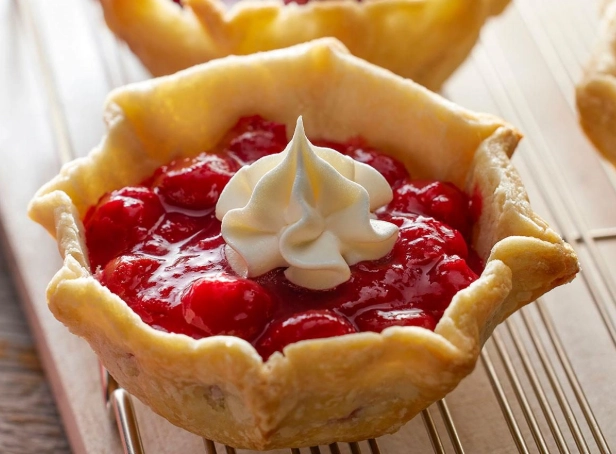
Pro Tip from My Kitchen: I almost always use frozen sour cherries. Why? They're picked and frozen at peak ripeness, they're consistently tart, they're available all year, and because you add them frozen to the tart, they release less water initially, helping keep the crust crisp. It's my #1 secret for reliable results.
The Foundation: Demystifying Tart Crusts
This is the part that intimidates people. I get it. Cold butter, hot hands, the fear of overworking the dough. But let's break it down into three main types you can choose from.
Pâte Sucrée (Sweet Shortcrust Pastry)
This is the classic French tart dough. It's rich, sweet, crisp, and crumbly – almost like a shortbread cookie. It's made by creaming butter and sugar first, then adding eggs and flour. The result is a dough that's less prone to shrinking and is very forgiving to work with. It's my go-to for most fruit tarts because it's sturdy yet tender, and it pairs beautifully with the fruit without competing.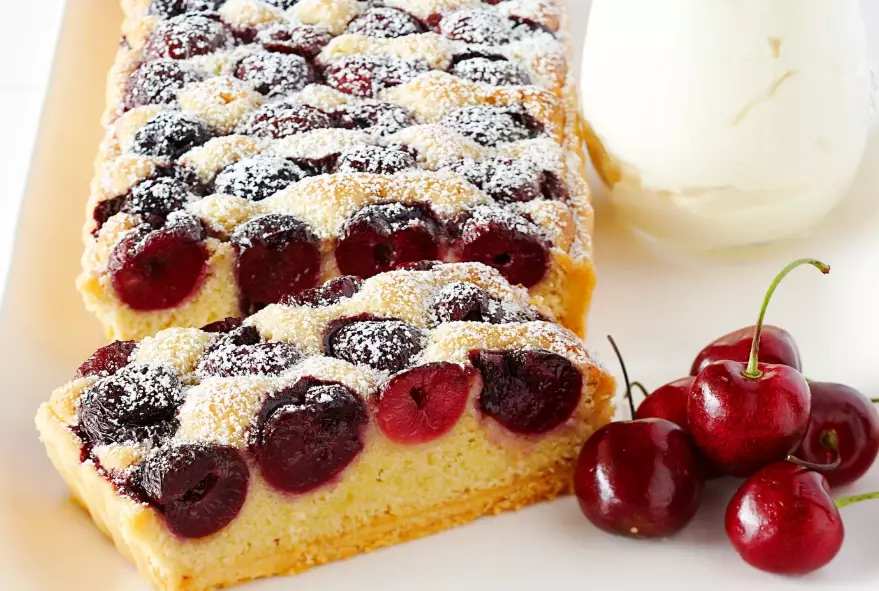
Pâte Brisée (Basic Shortcrust Pastry)
This is the standard pie dough – flour, cold butter, salt, and just enough ice water to bring it together. It's flakier than pâte sucrée and less sweet. If you prefer a more savory-leaning contrast to your sweet cherry filling, this is a great choice. The key here is keeping everything cold and not over-mixing.
The Cheater's Option: Press-In Cookie Crusts
Sometimes you just want a cherry tart without the fuss of rolling dough. A crust made from crushed vanilla wafers, graham crackers, or even shortbread cookies mixed with melted butter is a fantastic, no-roll alternative. It's super easy, always crisp, and adds another layer of flavor. It's perfect for refrigerator or no-bake cherry tarts.
My Foolproof Pâte Sucrée Formula (for a 9-inch tart):
- 1 ½ cups (180g) all-purpose flour
- ½ cup (115g) unsalted butter, softened at cool room temperature
- ¼ cup (50g) granulated sugar
- 1 large egg yolk
- A good pinch of salt
You just beat the butter and sugar until combined, beat in the yolk, then mix in the flour and salt until it just comes together. Press it into your pan and chill. No rolling required if you press it in thin and even! See? Easier than you thought.
The #1 Mistake to Avoid: Skipping the blind bake. Unless your filling is very dry (like just cherries tossed in sugar), you must pre-bake your crust. Line the chilled crust with parchment or foil, fill with pie weights or dried beans, and bake at 375°F (190°C) for 15-20 minutes. Then remove the weights and bake another 5-10 minutes until it's dry and just starting to color. This creates a barrier against the juicy cherry filling. It's non-negotiable for a crisp bottom.
Crafting the Cherry Filling: From Simple to Spectacular
Now for the star of the show. The filling is where you can express your style. Here are the most popular routes, from easiest to most decadent.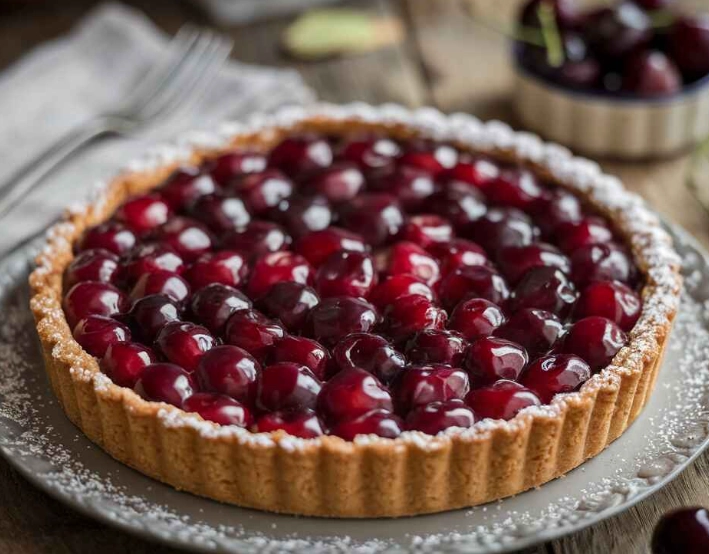
The Straight-Up Fruit Tart
This is elegance in simplicity. You blind-bake your crust, let it cool, then fill it with a layer of vanilla pastry cream or sweetened whipped cream. On top, you artfully arrange pitted fresh sweet cherries (you can glaze them with a little apricot jam for shine). No further baking required. It's fresh, light, and highlights the pure flavor of the fruit.
The Classic Baked Cherry Tart
This is what most people imagine. Pitted cherries (fresh or frozen) are tossed with sugar, a thickener (cornstarch, flour, or instant tapioca), a bit of lemon juice, and maybe a dash of almond extract. This mixture is piled into the par-baked crust and baked until the cherries are tender and the juices are bubbling and thick. It's homey and delicious.
The Cherry Frangipane Tart
This is a showstopper. Frangipane is a creamy mixture of ground almonds, butter, sugar, and eggs. You spread a layer in the par-baked crust, then press cherries into the top. As it bakes, the frangipane puffs up around the cherries, creating a moist, richly flavored cake-like layer. The nuttiness is a perfect match for the cherries. It's my top choice for a dinner party cherry tart.
The Cherry Custard (Clafoutis-Style) Tart
Think of this as a baked pancake or flan in a tart shell. A simple batter of eggs, milk, sugar, and flour is poured over cherries in the crust. It bakes into a creamy, set custard that envelops the fruit. Traditionally, clafoutis is made with the pits left in (they add flavor), but for a tart, I always pit them for easier eating.
So how do you choose? If you want fresh and fast, go for the straight-up fruit tart. For a traditional, juicy experience, the classic baked is your friend. For something rich and impressive that will have people asking for the recipe, the frangipane version is unbeatable.
Step-by-Step: Assembling and Baking Your Masterpiece
Let's walk through the process for a classic baked cherry tart, assuming you've already made and chilled your dough.
Step 1: The Perfect Roll & Fit. On a lightly floured surface, roll your dough into a circle about 2 inches wider than your tart pan. Don't worry about it being a perfect circle. Gently lift it by rolling it onto your rolling pin, then unroll it over the pan. Press it gently into the corners and up the sides. Roll your pin over the top to cut off the excess. Prick the base all over with a fork. Chill for at least 30 minutes (or freeze for 15). This prevents shrinkage.
Step 2: The Crucial Blind Bake. As discussed, preheat your oven. Line the chilled shell with parchment and fill with weights. Bake. Remove weights and parchment, then bake a bit more until it looks dry. Let it cool on a rack while you make the filling.
Step 3: The Filling Mix. In a large bowl, combine 4 cups of pitted cherries (about 1.5 lbs), ⅔ cup sugar, 3 tablespoons cornstarch, a big pinch of salt, the juice of half a lemon, and ½ teaspoon of vanilla or almond extract. Toss gently until the cherries are coated. If using frozen cherries, use them straight from the freezer.
Step 4: Fill and Bake Again. Pour the cherry mixture into the warm, par-baked shell. Spread it evenly. You can add a few decorative butter dots on top if you like. Place the tart on a baking sheet (to catch any drips) and bake at 375°F (190°C) for 35-45 minutes, until the filling is thick and bubbling vigorously all over, not just at the edges.
Step 5: The Patience Test. This is the hardest part. You must let the cherry tart cool completely on a wire rack, at least 2-3 hours. If you cut it while warm, the filling will be soup. As it cools, the juices thicken into a perfect, sliceable consistency. Trust the process.
I remember ruining a beautiful tart by being impatient. I cut it after an hour, and it just oozed everywhere. The flavor was great, but it was a mess. Now I always bake it in the afternoon for dessert that night, or even the day before. It holds up beautifully.
Beyond the Classic: Exciting Cherry Tart Variations
Once you've mastered the basic formula, the world is your oyster (or your cherry orchard). Here are some twists to keep things interesting.
The Rustic Cherry Galette: This is the free-spirited cousin of the tart. Roll your dough into a rough circle, pile the filling in the center, leaving a 2-inch border. Fold the edges up and over the filling, pleating as you go. Bake on a sheet pan. It's supposed to look rustic, so there's zero pressure for perfection.
Chocolate Cherry Tart: Add a layer of decadence. Spread a thin layer of melted dark chocolate or chocolate ganache over the cooled, par-baked crust before adding your cherry filling (a frangipane or custard works great here). The combination is legendary.
Cherry Cheesecake Tart: Mix softened cream cheese with a little sugar and an egg to create a thin cheesecake layer. Pour over the par-baked crust, top with cherries, and bake until set. It's like the best parts of two desserts combined.
Mini Cherry Tarts: Use a muffin tin or small tartlet pans. Perfect for parties, and everyone gets their own individual dessert. The baking time will be shorter.
Your Cherry Tart Questions, Answered
Pairing and Serving Your Cherry Tart
A cherry tart is glorious on its own, but a little accompaniment can elevate it.
Whipped Cream: A classic for a reason. Lightly sweetened with a touch of vanilla. For an adult twist, fold in a tablespoon of Amaretto or Kirsch (cherry brandy).
Vanilla Ice Cream: The contrast of warm tart and cold ice cream is divine. The creaminess balances the fruit's acidity.
Crème Fraîche or Greek Yogurt: If you want something less sweet, a dollop of tangy crème fraîche is sophisticated and delicious.
What to drink? A glass of cold milk, a cup of coffee, or a dessert wine like a late-harvest Riesling or a Moscato d'Asti all pair wonderfully. For a non-alcoholic option, a sparkling water with a squeeze of lemon cleanses the palate.
Start with frozen sour cherries and a press-in crust if you're nervous. You'll be amazed at what you can create. Then, maybe next time, you'll try the frangipane or venture into a lattice top. The world of cherry tarts is vast and forgiving. The most important ingredient is simply the willingness to try.
Now, go preheat that oven. Your perfect cherry tart is waiting.
Reader Comments