In This Guide
- The Nitty-Gritty: Butternut Squash Season Month by Month
- Why Seasonality Matters for Butternut Squash (It's Not Just Hype)
- How to Pick a Perfect Butternut Squash (Every Single Time)
- Storing Your Squash: Make the Season Last
- Answers to Your Burning Butternut Squash Questions
- What to Make When Butternut Squash is in Season
So, you're standing in the grocery store, staring at a pile of butternut squash. They look good, but you're not sure. Are they at their best right now? That's the million-dollar question, isn't it? When is butternut squash in season for real? It's one of those things you kinda know, but the details get fuzzy. Is it late summer? Deep winter? Let's clear that up right now.
I remember one year I got super excited and bought a butternut squash in July. Big mistake. It was pale, watery, and had about as much flavor as a cardboard box. It was a total waste of money and a sad dinner. That experience taught me that timing is absolutely everything with winter squash. Getting it right means sweet, nutty, creamy flesh that's perfect for soups, roasts, and pies. Getting it wrong means... well, disappointment.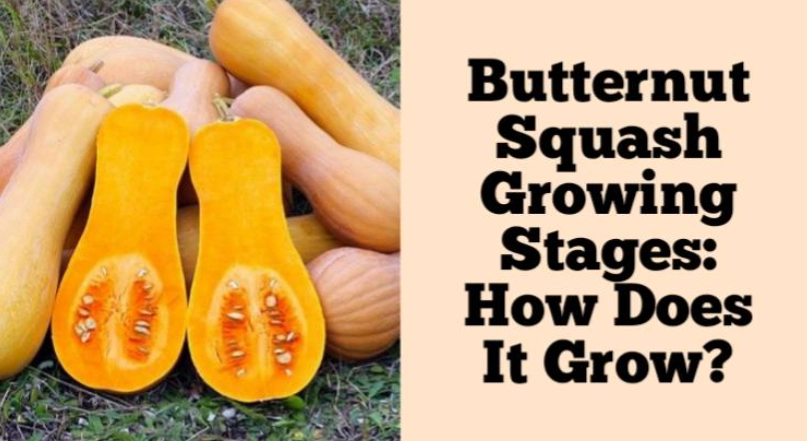
The Short & Sweet Answer: The prime season for butternut squash runs from early September through late December, with its absolute peak hitting in October and November. This is when you'll find the most abundant, flavorful, and affordable squash.
The Nitty-Gritty: Butternut Squash Season Month by Month
Let's break it down, because "autumn" is a bit vague. The season isn't a light switch that just flips on. It's a wave that builds, peaks, and then gently fades. Here’s what you can expect throughout the year.
| Time Period | Availability & Quality | What You Need to Know |
|---|---|---|
| Late August – September | Early Harvest Begins | You might start seeing the first squash trickling into farmers' markets, especially in warmer regions. These early birds can be good, but they might not have developed the full depth of sweetness yet. It's a bit of a gamble. |
| October – November | PEAK SEASON | This is it. The jackpot. Harvest is in full swing across North America. Squash are plentiful, cheap, and have had enough time on the vine to convert their starches into sugars. The flavor is dense, sweet, and nutty. This is the undisputed best time to buy and eat butternut squash. |
| December – February | Late Season / Storage | The fresh harvest is over, but thanks to their fantastic storageability, butternut squash from the fall harvest are still widely available and excellent quality. They store remarkably well in cool, dark places. The flavor is still great. |
| March – July | Off-Season | This is the tough period. Any squash you find has been in storage for many months. While some hold up, the quality declines—texture can become stringy or pithy, and flavor diminishes. You might also see imports from other hemispheres, but they're often expensive and lack the character of locally grown, in-season squash. |
See the pattern? If you're planning a big recipe or just want the best experience, circle October and November on your calendar. That's the heart of butternut squash season.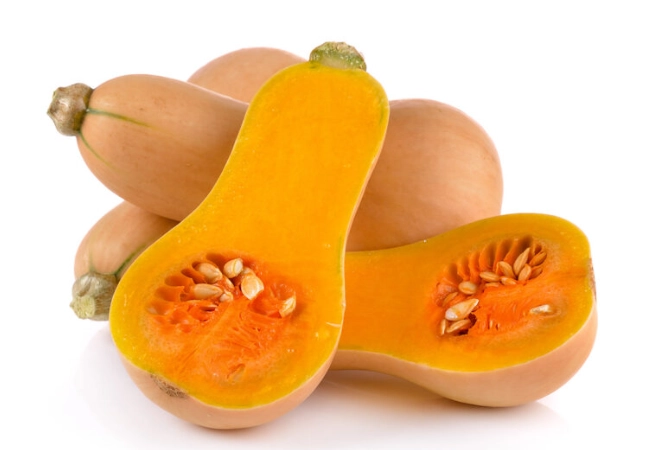
Why Seasonality Matters for Butternut Squash (It's Not Just Hype)
You might think, "It's a hard squash, what's the big deal?" Oh, it's a huge deal. The difference between an in-season and off-season butternut squash is night and day.
First, there's the sugar content. Butternut squash, like many winter squash, sweetens up after harvest through a process called conversion of starch to sugar. A squash picked at its true maturity in the fall and cured properly is a sugar factory. One picked too early or stored too long? Not so much.
Then there's texture. A peak-season squash roasts up creamy and smooth, almost like velvet. An old, out-of-season one can be watery, fibrous, or oddly grainy. I've had some that practically dissolved into mush, while others were unpleasantly tough.
And let's talk price. When butternut squash is in season, the market is flooded. Supply is high, so prices drop. You'll see sales all the time. In the off-season, you're paying a premium for an inferior product that's been shipped from far away or sat in a warehouse for half a year. Not a great deal.
Pro Tip from a Home Cook: I make a point to buy a few extra squash at their peak in October and November. With proper storage (more on that below), I can enjoy great-quality squash well into January or February, bypassing the sad spring and summer offerings entirely.
How to Pick a Perfect Butternut Squash (Every Single Time)
Knowing when butternut squash is in season is half the battle. The other half is picking the champion from the pile. Here’s my foolproof checklist, born from trial and error.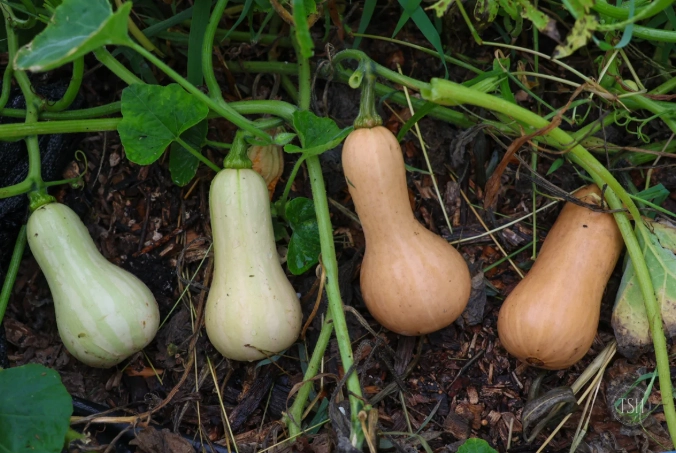
Look for the Tan, Matte Skin
The skin should be a uniform, deep tan or beige color. Avoid squash with greenish patches—that's a sign it was picked too early. The skin should also be matte, not shiny. A shiny surface often means the squash is immature and hasn't developed its protective outer layer fully. A matte finish indicates maturity and good curing.
The Stem Test is Crucial
Check the stem. It should be hard, dry, and intact. A missing stem creates an entry point for rot. A soft, moldy, or moist stem is a hard pass. That squash is on its way out.
Weight and Sound Matter
Pick it up. A good butternut squash should feel heavy for its size. This means it's nice and dense with moist flesh, not dried out or pithy inside. Give it a gentle tap with your knuckle. It should sound solid, not hollow. A hollow sound can mean it's dried out or has air pockets.
Check for Blemishes (But Don't Fear All of Them)
Avoid squash with cuts, punctures, or soft spots. These will spoil quickly. However, don't be overly worried about superficial scratches or discolorations on the hard skin. Sometimes the squash rests on the ground, leaving a pale or slightly rough patch. That's usually just cosmetic. A small, hard, corky spot is often fine. A mushy spot is not.
Watch Out For: A waxy feel on the skin. Some commercial producers apply a food-grade wax to extend shelf life and add shine. I personally avoid these when I can. The wax can trap moisture and sometimes gives the squash an off texture when cooked. It also makes it harder to judge the natural skin quality. If you do buy a waxed one, give it a good scrub before cutting.
Storing Your Squash: Make the Season Last
One of the best things about butternut squash is that if you buy it at its peak and store it correctly, you can enjoy that peak flavor for months. This is the secret to eating well beyond the official harvest.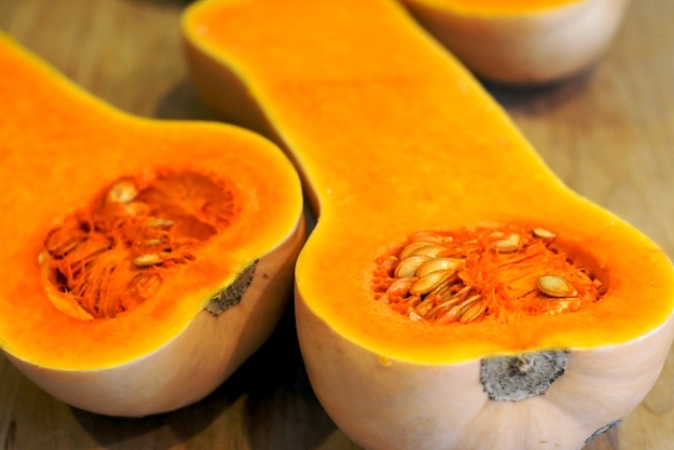
Whole, Uncooked Squash: This is easy. Don't put it in the fridge! The cold humidity will actually make it spoil faster. Find a cool, dark, dry, and well-ventilated spot. A pantry, a basement shelf, or a cool corner of your kitchen away from the stove or heat vents is perfect. The ideal temperature range is between 50-60°F (10-15°C). In these conditions, a sound squash can easily last 2 to 3 months, sometimes longer. The University of California's Agriculture and Natural Resources department confirms that proper curing and storage are key to longevity for winter squash. Just check on them every few weeks for any soft spots.
Cut, Raw Squash: Once you cut into it, the clock starts ticking. Scoop out the seeds and strings, wrap the cut surface tightly in plastic wrap, and store it in the refrigerator's crisper drawer. It should last for about 4-5 days, but the flesh will start to dry out and degrade. Try to use it within a week.
Cooked Squash: Cooked puree or roasted cubes should be cooled quickly and stored in airtight containers in the fridge for up to 5 days. For longer storage, freezing is your friend. Spread roasted cubes on a baking sheet to freeze individually, then bag them up. Puree freezes beautifully in sealed containers or freezer bags. It'll keep for 8-12 months frozen. The National Center for Home Food Preservation provides excellent guidelines on freezing vegetables like squash to preserve quality.
Answers to Your Burning Butternut Squash Questions
Is butternut squash available year-round?
Technically, yes, you can often find it in supermarkets year-round. But "available" and "good" are two very different things. From late winter through summer, the quality is significantly lower. You're better off relying on your frozen stash or choosing a different seasonal vegetable.
Can I grow it myself? When should I plant?
Absolutely! If you have the garden space, it's very rewarding. Butternut squash needs a long, warm growing season (80-100 days to maturity). You plant the seeds after the last frost in spring, when the soil is warm. The squash develop over the summer and are ready for harvest in the early fall, right in line with the commercial season. It's a great way to guarantee a perfect, fresh squash.
What's the difference between "cured" and "fresh-picked"?
This is a key bit of squash knowledge. After harvest, winter squash need a curing period—about 10-14 days in a warm (80-85°F), dry, well-ventilated place. This process hardens the skin, heals minor wounds, and, most importantly, converts starches to sugars, enhancing sweetness and flavor. A squash sold immediately after picking won't taste as good or store as long as one that's been properly cured. Most commercial squash is cured before shipping.
How can I tell if a squash has gone bad?
Your nose and fingers are the best tools. If it has a sour, fermented, or alcoholic smell, it's fermenting inside. Toss it. If there are soft, mushy spots (especially around the blossom end or stem), mold, or visible liquid oozing, it's past its prime. A squash that feels extremely light for its size is likely dried out and pithy inside.
What to Make When Butternut Squash is in Season
When you have perfect, in-season squash, you want recipes that highlight its natural glory. Here’s a quick hit list of my go-tos, from simple to celebratory.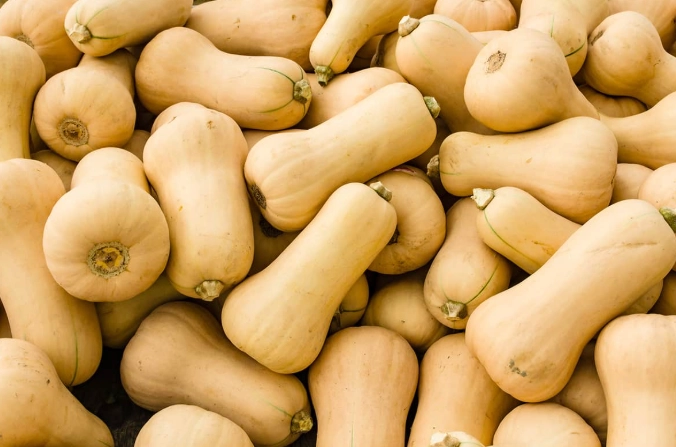
- The Ultimate Roast: Cubes tossed in olive oil, salt, and pepper, roasted at 400°F until caramelized and tender. Life-changingly simple.
- Silky Soup: Roasted squash pureed with sautéed onion, garlic, and vegetable or chicken broth. A touch of coconut milk or apple can be magic.
- Risotto or Pasta: Pureed squash makes an incredible, creamy sauce for risotto or as a base for pasta sauces. Add sage and Parmesan.
- Salad Topper: Cool roasted cubes and toss them into a salad with kale, quinoa, dried cranberries, and a maple vinaigrette.
- Breakfast Hash: Dice it small and pan-fry with potatoes, onions, and sausage for a fantastic autumn breakfast.
- Straight-Up Side: Halve it, scoop out seeds, roast it face-down, then flip, add butter and maple syrup to the cavity, and finish roasting.
The bottom line is this: if you want the best flavor, the best texture, and the best value, timing your butternut squash purchases to its natural harvest window is the single most important thing you can do. It transforms it from a good ingredient into a spectacular one.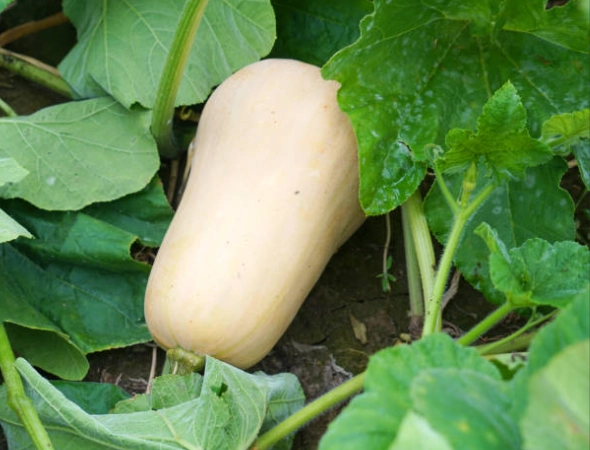
So next time you're at the store in October, grab a few. Roast one, soup another, and maybe freeze some puree. Your future self, staring at the sad March produce section, will thank you.
Reader Comments