Quick Navigation: What's Inside
Have you ever bitten into a strawberry in December and wondered why it tastes like cardboard? I have, and it's a letdown. That's because it's not in season. Eating fruits and vegetables when they're naturally ripe makes all the difference—better flavor, more nutrients, and lower costs. In this guide, we'll dive into what's truly in season during the summer months, why it matters, and how you can make the most of it. Summer is prime time for produce, and getting it right can transform your meals and your budget.
Why Eating Seasonally Matters More Than You Think
Let's cut to the chase: eating seasonally isn't just a foodie trend; it's a smarter way to eat. I learned this the hard way after spending $5 on a pint of tasteless strawberries last November. When produce is in season, it's at its peak for flavor, nutrition, and affordability. Here's why you should care.
Save Money—Seriously, It Adds Up
According to data from the USDA, seasonal produce can cost up to 30% less because it doesn't require long-distance shipping or artificial ripening. I track my grocery bills, and in summer, I save about $20 a week just by sticking to in-season items like corn and tomatoes. Off-season, those same items are often imported, driving up prices. For example, a pound of peaches in August might be $2, but in January, it can jump to $5. That's real savings you can put toward other things.
Flavor and Nutrition That Actually Deliver
Here's a non-obvious tip many miss: vitamins in fruits and vegetables, like vitamin C in berries, degrade after harvest. Seasonal, locally grown produce spends less time in transit, so it retains more nutrients. Taste-wise, there's no comparison—a ripe peach from a farm stand versus a supermarket peach is like night and day. I did a blind taste test with friends last summer: local seasonal tomatoes won hands down over grocery store ones. They were sweeter, juicier, and just more satisfying.
Support Your Community and Reduce Environmental Impact
Buying seasonal often means buying local. This supports farmers in your area and reduces carbon emissions from transportation. It's a small change with a big impact. I visit my local farmers market every Saturday, and chatting with vendors gives me insights into what's freshest. Plus, it feels good to know my money stays in the community.
Personal take: Some people argue that organic is always better, but I've found that choosing seasonal and local produce, even if not organic, often provides better taste and nutrition than organic imports. It's a trade-off worth considering.
Summer Fruits in Season: A Juicy Breakdown
Summer is fruit heaven. From berries to melons, the options are endless. Here’s a detailed table of what to look for, based on peak availability in most temperate regions like the U.S. This isn't just a list—it's a cheat sheet for your next shopping trip.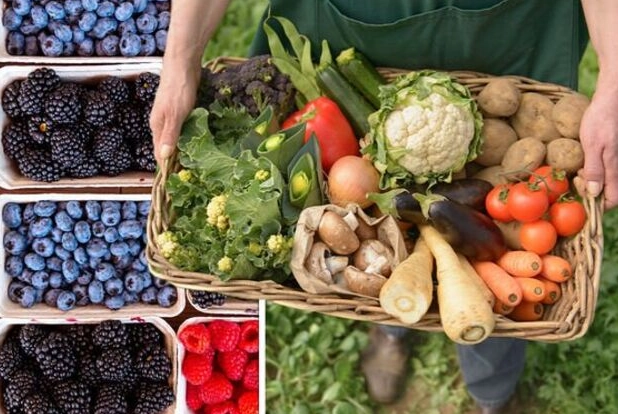
| Fruit | Peak Months | How to Select | Storage Tips |
|---|---|---|---|
| Strawberries | June - July | Look for bright red, firm berries with green caps attached. Avoid mushy or white tops. | Store in the fridge, unwashed, in a single layer for up to 3 days. Wash just before eating. |
| Blueberries | July - August | Choose plump, deep blue berries without wrinkles or shriveling. They should roll freely. | Keep in a sealed container in the fridge for up to a week. Freeze extras for smoothies. |
| Peaches | July - August | They should have a slight give when gently pressed and a sweet aroma at the stem. | Ripen at room temperature in a paper bag, then refrigerate for a few days. |
| Watermelon | July - September | Look for a creamy yellow spot on one side (where it rested on the ground) and a hollow sound when tapped. | Store whole at room temperature for up to a week; cut pieces should be refrigerated and eaten within 3 days. |
| Cherries | June - July | Stems should be green and attached, and the fruit should be glossy and firm. | Refrigerate in a breathable bag or container; don't wash until ready to eat to prevent mold. |
| Raspberries | July - August | Select berries that are dry, plump, and uniformly colored. Avoid containers with juice stains. | Eat within 1-2 days; store in the fridge in their original container to minimize crushing. |
I avoid buying berries out of season—they're often expensive and lack flavor. Instead, I freeze summer berries for smoothies in winter. A pro mistake: don't refrigerate peaches until they're ripe, or they'll become mealy.
Summer Vegetables in Season: Fresh and Flavorful
Vegetables shine in summer too. Here’s a list of top picks, with specifics to help you choose the best.
- Corn: Peak in July-August. Look for bright green, snug husks and moist, brownish silk. Kernels should be plump and milky when pierced.
- Tomatoes: Best from July-September. They should be fragrant, slightly soft at the stem, and heavy for their size. Avoid refrigerating them—it kills flavor.
- Zucchini: Abundant all summer. Choose small to medium-sized (6-8 inches) for tenderness; larger ones can be seedy.
- Bell Peppers: Peak in August. They should be firm, glossy, and free of wrinkles. All colors are good, but red peppers are sweeter.
- Cucumbers: Best in mid-summer. Look for firm, dark green skin without yellowing. English cucumbers are less seedy.
- Green Beans: June through August. Select crisp, bright green pods that snap easily. Avoid limp or spotted ones.
A common error I see: people store tomatoes in the fridge right away. Big no-no. Keep them on the counter until ripe, then use within a few days. For corn, eat it as soon as possible—sugar converts to starch quickly after harvest.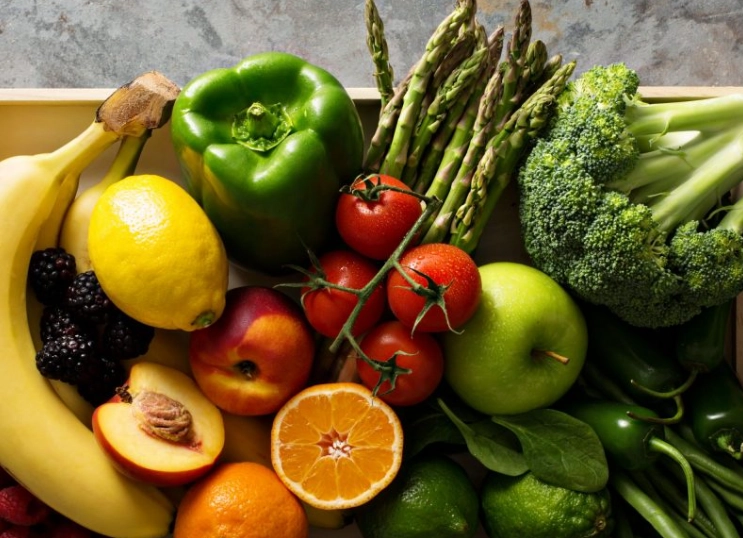
How to Shop for Seasonal Produce Like a Pro
You don't need to be an expert. Start by visiting farmers markets—they're goldmines for seasonal goods. I go every Saturday and chat with vendors; they often share tips on what's freshest that week. For instance, last summer, a farmer told me to buy corn in the morning for peak sweetness.
Another pro tip: use your senses. Smell the fruit; if it has no aroma, it's probably not ripe. For vegetables, look for vibrant colors and firm texture. Don't be afraid to ask questions. Many markets have sample tastings—take advantage!
When at supermarkets, check labels for origin. Local or regional produce is more likely to be in season. External resources like the USDA Seasonal Produce Guide can help, but I find local markets more accurate for timing.
Here's a personal struggle: I used to buy avocados year-round, but they're not summer seasonal in most U.S. regions. Now, I stick to summer veggies and save avocados for winter when they're from California. It's a small adjustment that improves meals.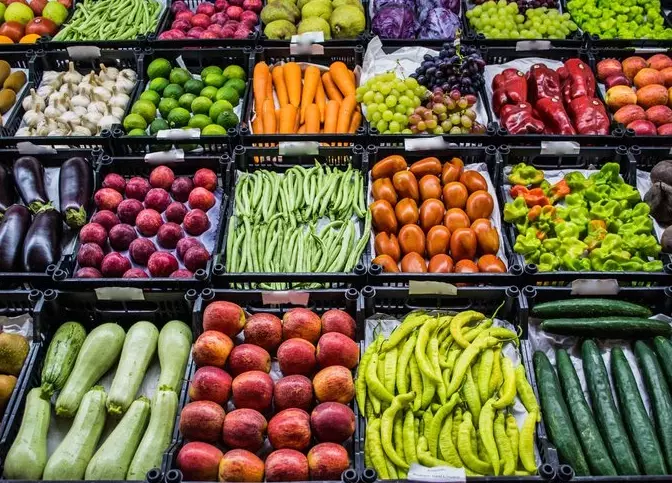
3 Easy Summer Recipes Using Seasonal Produce
Now, let's put that produce to use. Here are simple recipes—no fancy skills required. They highlight seasonal flavors without overpowering them.
1. Grilled Corn with Herb Butter
Take 4 ears of fresh corn, remove husks, and grill over medium heat for 10-12 minutes, turning occasionally. Meanwhile, mix 4 tablespoons softened butter with 2 tablespoons chopped parsley, 1 minced garlic clove, and a pinch of salt. Slather on the grilled corn. It's a crowd-pleaser at barbecues and takes minutes to make.
2. Fresh Berry Salad with Mint
Combine 2 cups mixed strawberries and blueberries, 1/4 cup fresh mint leaves (torn), and a drizzle of 1 tablespoon honey and juice from half a lemon. Toss gently and chill for 15 minutes. Serve as a side or dessert. Refreshing and healthy—my go-to for potlucks.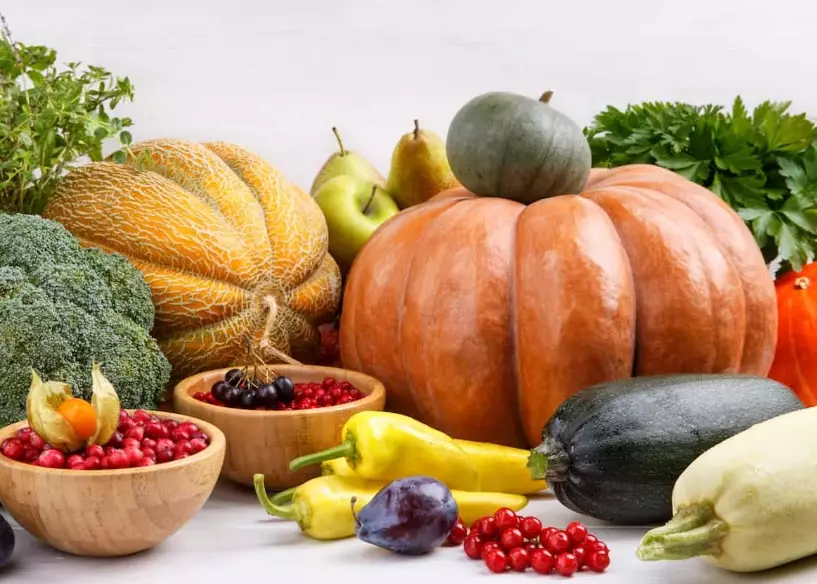
3. Zucchini Noodles with Pesto
Spiralize 2 medium zucchinis into noodles. For pesto, blend 2 cups fresh basil, 1/4 cup pine nuts, 1/2 cup olive oil, 2 garlic cloves, and 1/4 cup grated Parmesan. Toss zucchini noodles with pesto and top with halved cherry tomatoes. A light summer meal that feels indulgent.
For more ideas, recipe sites like Epicurious offer seasonal collections, but I prefer keeping it simple to let the produce shine. These recipes use minimal ingredients to maximize flavor.
Your Questions Answered
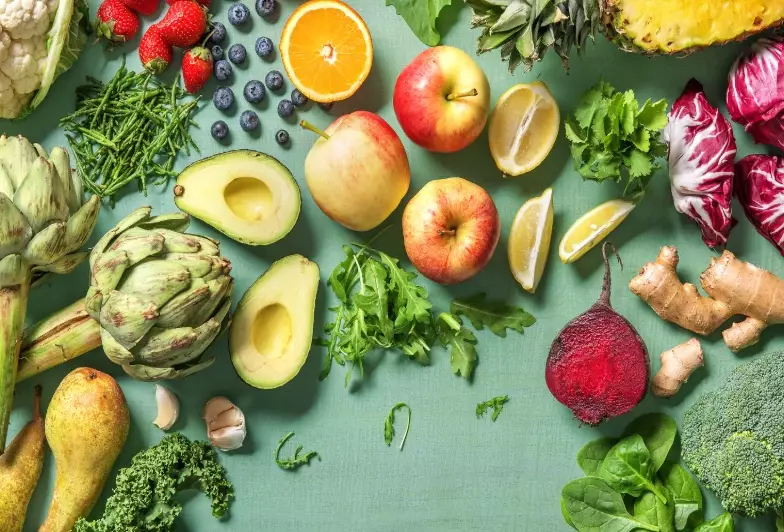
To wrap up, eating seasonally is a win-win: better taste, better health, and better for your wallet. Start with summer's bounty—visit a market this weekend, pick up some corn or berries, and see the difference for yourself. It's a simple shift that makes meals more enjoyable and sustainable.
Reader Comments