Your Quick Guide to Crimini Mushrooms
- What Exactly Are Crimini Mushrooms?
- Why Bother? Nutrition and Health Perks
- Finding the Best Crimini Mushrooms and Keeping Them Fresh
- Cooking Crimini Mushrooms: Unlocking the Flavor
- Crimini vs. The Mushroom World
- Answering Your Crimini Mushroom Questions
- Putting It All Together: Simple Ways to Use Them
You know that mushroom you always see at the store? The one that looks like a white button mushroom but just a bit... browner? That's the crimini. For years, I just walked right past them, grabbing the white ones out of habit. I figured they were basically the same thing. Boy, was I missing out.
It wasn't until I got a recipe that specifically called for "cremini" mushrooms (turns out, that's just another way to spell it) that I gave them a real shot. The difference wasn't subtle. That first bite of a properly sautéed crimini mushroom had a depth of flavor the white buttons just couldn't match. It was earthy, almost nutty, and robust. I was hooked. Now, they're my go-to for almost every mushroom dish.
If you've ever been curious about these little brown powerhouses, you're in the right place. This isn't a fancy chef's manual. It's a down-to-earth look at what makes crimini mushrooms special, how to pick the good ones, and most importantly, how to cook them so they actually taste amazing.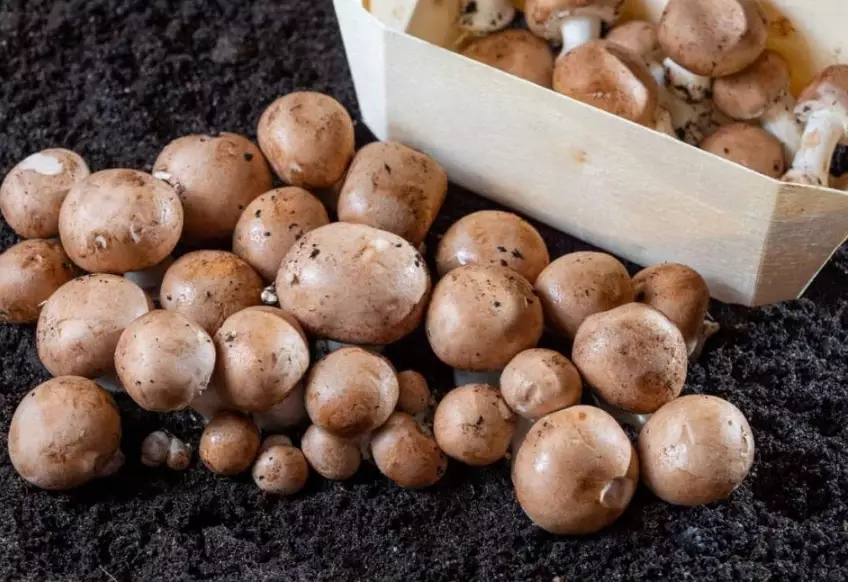
What Exactly Are Crimini Mushrooms?
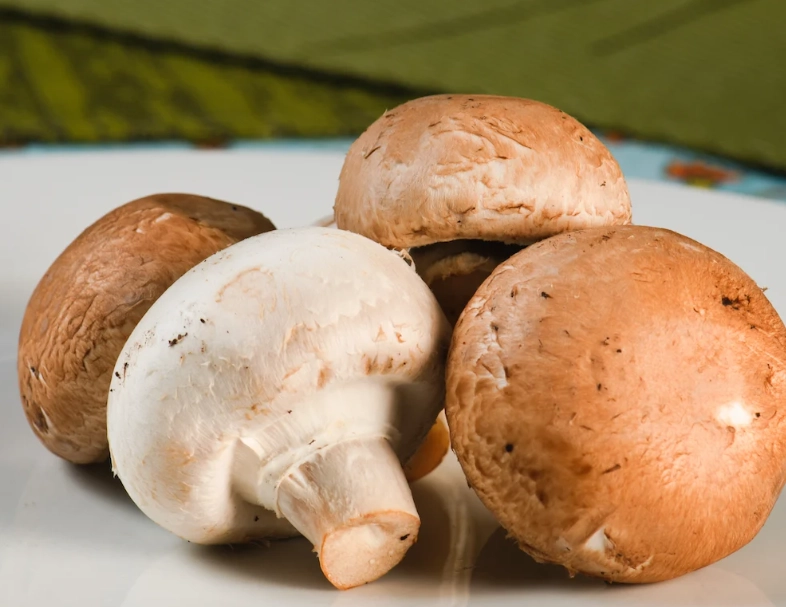
Let's clear up the confusion first. You might see them labeled as crimini, cremini, baby bellas, or brown mushrooms. They're all the same thing. The name "baby bella" is a marketing term that's actually pretty helpful—it tells you they're essentially young portobello mushrooms.
Their history is tied to the common button mushroom. For decades, the white variety was prized for its clean look. The brown variants were often seen as less desirable. But taste buds changed. People started wanting more flavor, and the humble brown mushroom got its moment. Now, the crimini mushroom is a staple, praised for offering a richer taste without the sometimes-overpowering intensity of a full portobello.
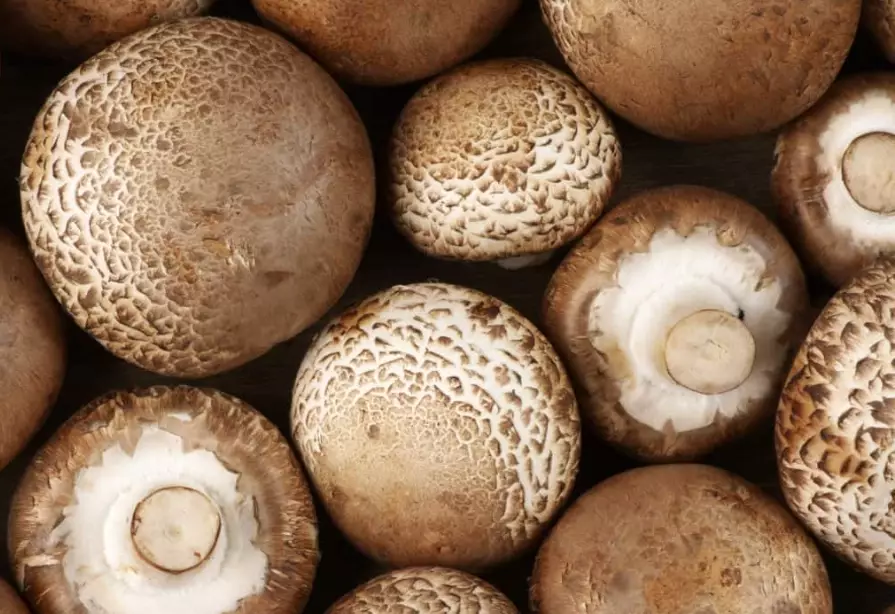
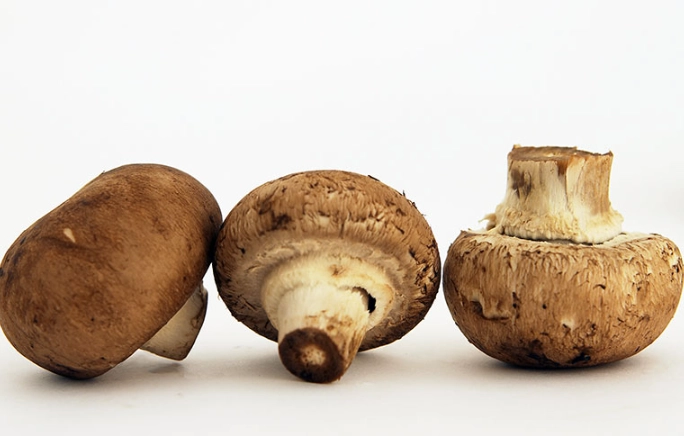
They have a firm, meaty texture that holds up beautifully to cooking. That's a big deal. A flimsy mushroom turns to mush in a soup or sauce, but a crimini keeps its composure. The cap is a lovely tan to rich brown, and the gills underneath are a pale pink that darkens as the mushroom ages.
Why Bother? Nutrition and Health Perks
Okay, so they taste good. But are they good for you? The short answer is a resounding yes. Crimini mushrooms are a nutritional powerhouse hiding in plain sight. They're low in calories and carbs but pack a surprising amount of useful nutrients.
One of their standout features is their selenium content. Selenium is a mineral that acts as an antioxidant in your body, helping to protect cells from damage. According to the USDA FoodData Central database, mushrooms are one of the best natural food sources of this nutrient. They're also a source of B vitamins like riboflavin (B2) and niacin (B3), which help your body convert food into energy.
Here's a comparison that might surprise you. Let's stack up a cup of raw crimini mushrooms against some other common picks. The numbers are approximate but tell a clear story.
| Nutrient (per cup, raw) | Crimini Mushrooms | White Button Mushrooms | Spinach (raw) |
|---|---|---|---|
| Calories | ~20 | ~15 | ~7 |
| Protein | ~2g | ~2g | ~1g |
| Key Mineral: Selenium | ~18 mcg (33% DV*) | ~9 mcg (16% DV) | ~0.1 mcg |
| Vitamin B2 (Riboflavin) | ~0.3 mg (23% DV) | ~0.3 mg (23% DV) | ~0.1 mg (8% DV) |
*DV = Daily Value based on a 2,000 calorie diet. Data sourced from USDA.
See that? For a food that's mostly water, they contribute a meaningful amount of certain hard-to-get nutrients. They're also a source of dietary fiber and contain compounds like beta-glucans, which are being studied for their potential role in supporting immune health. The research on mushrooms and health is pretty fascinating and ongoing.
Now, I'm not saying you should only eat crimini mushrooms. But swapping them in for meat once or twice a week (think mushroom tacos or a hearty mushroom pasta) is a tasty way to boost your nutrient intake without much effort.
Finding the Best Crimini Mushrooms and Keeping Them Fresh
This is where things can go wrong before you even start cooking. Picking a bad batch of mushrooms is a recipe for disappointment. Here’s what I look for, learned from trial and error (and that nice farmer).
At the Store or Market
First, look at the cap. It should be smooth, plump, and firm. A dry, shriveled cap means they're past their prime. The color should be a consistent creamy brown. Avoid packs with lots of dark, slimy spots—that's the start of decay.
Next, check the gills. If you can see them (they're under the cap), they should be a light pinkish-tan. If they're wide open and very dark brown or black, the mushrooms are older. That's not always bad—older crimini mushrooms have a more intense flavor—but they won't last as long in your fridge.
Finally, give the package a gentle squeeze. It should feel firm, not spongy or damp. If there's a lot of liquid pooling in the bottom of the container, put it back.
How to Store Them (This is Crucial)
Mushrooms are like sponges. The worst thing you can do is store them in a sealed plastic bag where moisture gets trapped. They'll turn slimy in days.
- The Right Container: As soon as you get home, take them out of any plastic wrap or tray. Transfer them to a paper bag, or place them in a bowl and cover loosely with a dry paper towel. The paper absorbs excess moisture while letting them breathe.
- Where in the Fridge: Put them in the main body of your refrigerator, not in the crisper drawer (which is often more humid).
- Don't Wash Them Yet: Wait to wash or clean your crimini mushrooms until right before you're ready to use them. Adding water speeds up spoilage.
Stored this way, fresh crimini mushrooms can last 5 to 7 days. You'll know they're done if they become slimy, overly dark, or develop a strong, unpleasant odor.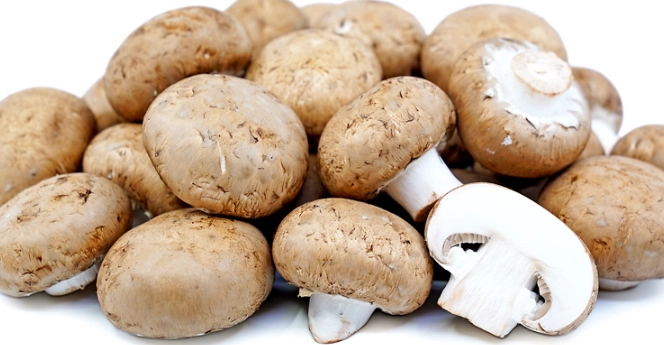
Cooking Crimini Mushrooms: Unlocking the Flavor
This is the fun part. Cooking crimini mushrooms isn't hard, but a few simple techniques make a world of difference. The golden rule? Don't crowd the pan. If you dump a whole pound into a small skillet, they'll steam in their own liquid and become rubbery. We want them to brown and caramelize.
Essential Prep: To Wash or Not to Wash?
There's a big debate here. Some chefs swear by just brushing off dirt with a dry brush. I get it—mushrooms absorb water. But let's be real, most store-bought crimini mushrooms have bits of growing medium (peat moss, usually) stuck to them. I'm not serving that.
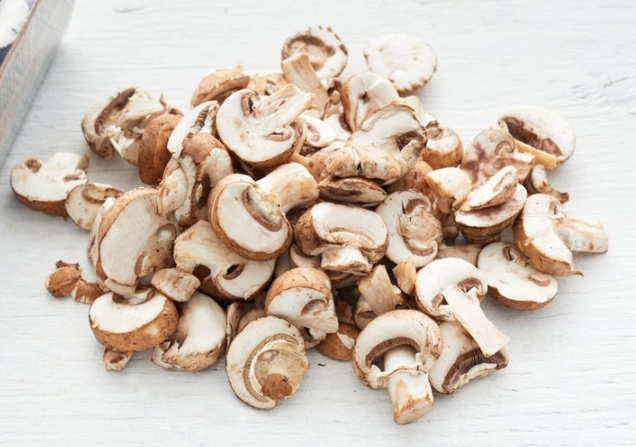
My method is a quick rinse. I put them in a colander, give them a fast rinse under cold running water, and then immediately pat them completely dry with a clean kitchen towel or paper towels. The key is to be swift and thorough with the drying. Don't let them soak. Then, I slice or quarter them. Doing it this way, I've never had an issue with them being watery.
Top Cooking Methods, Ranked by Flavor
- Sautéing (The Gold Standard): Heat a pan (stainless steel or cast iron works great) over medium-high heat. Add a generous amount of oil or butter—mushrooms are thirsty. Add your sliced crimini mushrooms in a single layer. Let them sit without stirring for a few minutes to develop a beautiful brown crust. Then stir and continue cooking until they're all browned and have released their moisture, which should then evaporate. Finish with a pinch of salt, pepper, and maybe some garlic or thyme.
- Roasting (For Hands-Off Ease): Toss whole or halved crimini mushrooms with oil, salt, and herbs. Spread on a parchment-lined baking sheet. Roast at 400°F (200°C) for 20-25 minutes until shrunken, dark, and crispy on the edges. The flavor concentrates amazingly. Perfect for adding to grain bowls or as a side.
- Grilling: Toss whole crimini mushrooms in oil and seasoning. Skewer them or use a grill basket. Grill over medium heat for 8-12 minutes, turning occasionally, until tender and charred in spots. The smokiness is incredible.
- Braising/Stewing: This is where they shine in soups, stews, and sauces. Because they're firm, they hold their shape even with long, slow cooking, soaking up all the flavors of the broth.
What about eating them raw? You can, but I wouldn't recommend it for crimini mushrooms. Their texture is a bit tough raw, and their flavor is very muted compared to when they're cooked. Cooking truly transforms them.
Crimini vs. The Mushroom World
When should you use crimini mushrooms instead of their cousins? Here’s a quick cheat sheet.
- vs. White Button: Always choose crimini. Seriously. The flavor is richer and more complex for usually just a few cents more. The only reason to use white button is if you specifically want a very mild, almost neutral mushroom flavor or that pure white color for presentation.
- vs. Portobello: Portobellos are just mature crimini mushrooms. They have a more intense, almost steak-like flavor and a much larger, meatier cap. Use portobellos when you want a center-of-the-plate item (like a mushroom burger). Use crimini when you want a versatile ingredient to mix into dishes.
- vs. Shiitake: Shiitakes have a distinct, woodsy, almost smoky flavor and a chewier texture. They're fantastic but more expensive. Crimini mushrooms are your reliable, all-purpose workhorse. If a recipe just says "mushrooms," crimini are a perfect, affordable choice.
- vs. Exotic Mushrooms (Oyster, Maitake): These have unique textures and flavors. Crimini mushrooms provide a deeper, earthier base note that can complement more delicate mushrooms in a mix.
In my kitchen, the bag of crimini mushrooms is a constant presence. They're the utility player that always delivers.
Answering Your Crimini Mushroom Questions
Putting It All Together: Simple Ways to Use Them
You don't need a complicated recipe. Here are three dead-simple ideas to get you started tonight.
- The Ultimate Side: Sauté sliced crimini mushrooms with butter, a smashed garlic clove, and a sprig of rosemary until deeply browned. Deglaze the pan with a splash of sherry or balsamic vinegar. Spoon over a steak, chicken, or mashed potatoes.
- Pasta Savior: While your pasta cooks, sauté a lot of sliced crimini mushrooms. Add a pinch of red pepper flakes and some spinach at the end. Toss with the drained pasta, a ladle of pasta water, and a handful of Parmesan. Dinner in 15 minutes.
- Boost Any Soup or Sauce: Finely chop crimini mushrooms and sauté them with your onions and garlic at the start of making a soup, stew, or marinara sauce. They dissolve into the base, adding a deep, savory umami richness that makes the whole dish taste more complex.
So, next time you're at the store, skip past the familiar white buttons and grab the brown ones. Give those crimini mushrooms a chance. Start with a simple sauté with a little garlic and thyme. Taste that deeper, earthier flavor. Feel that satisfying, meaty texture.
I think you'll find, like I did, that they become a kitchen staple you won't want to be without. They're not a fancy, intimidating ingredient. They're just a better, tastier version of an old friend. And really, isn't that what great cooking is all about?
Reader Comments