What You'll Find Inside
I've baked over a hundred apple pies in my life, and let me get straight to the point: Fuji apples can make or break your pie. They're sweet, crisp, and everywhere in grocery stores, but most recipes don't tell you the whole story. If you just slice and dump them in a crust, you might end up with a soggy, overly sweet mess. But get it right, and you've got a pie that balances flavor and texture like a dream. This isn't about following a generic recipe—it's about understanding why Fuji apples work, where they fail, and how to tweak things based on a decade of trial and error.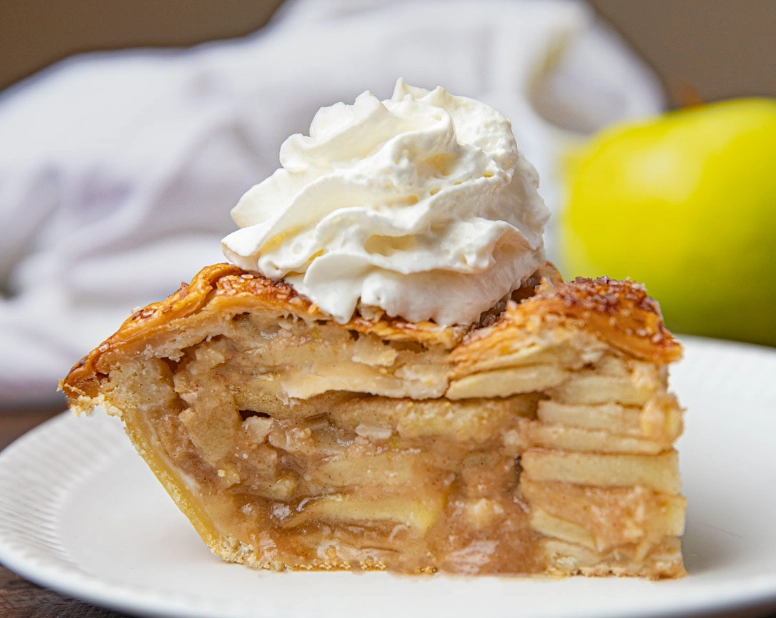
Think about the last time you bit into a Fuji apple. That burst of honey-like sweetness? That's what makes them great for eating fresh, but in a pie, it means you need to adjust sugar and spices. Their firm flesh holds up better than softer varieties, but only if you treat it right. I remember my first Fuji apple pie: I followed a standard Granny Smith recipe, and it came out tasting like dessert from a candy shop. Not terrible, but not the balanced, tart-sweet filling I wanted. That's when I started digging deeper.
Why Fuji Apples? The Sweetness vs. Structure Debate
Fuji apples originated in Japan and are a cross between Red Delicious and Ralls Janet. According to resources like the USDA's agricultural reports, they have a high sugar content—around 15-18%—which is higher than many traditional pie apples. This sweetness is their biggest asset and drawback. On one hand, you can reduce added sugar in your recipe, making the pie feel more natural. On the other, without enough acidity, the flavor can fall flat.
Compare them to other common pie apples. Granny Smith is tart and holds shape well, but it can be too sour for some. Honeycrisp is juicy and sweet, but it tends to release too much liquid. Fuji sits in the middle: firm enough to avoid turning to mush, sweet enough to please a crowd. But here's the catch—their texture isn't as robust as Granny Smith's, so they need a bit of pre-cooking to shine.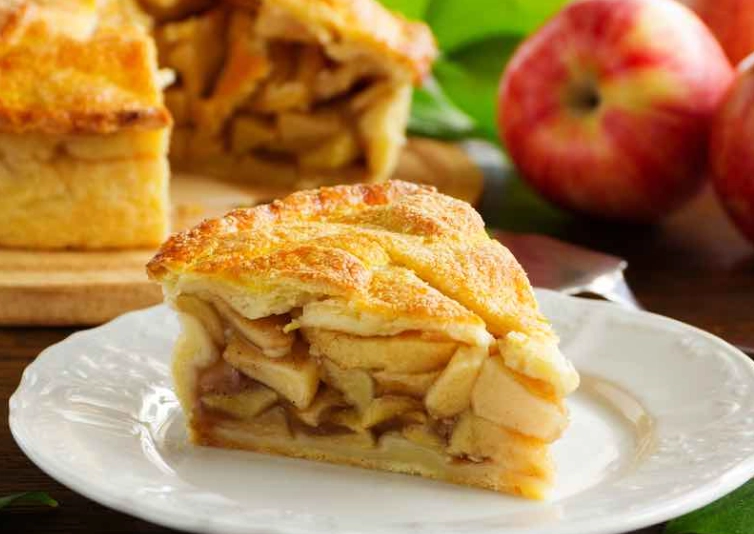
Comparing Fuji to Other Pie Apples: A Quick Breakdown
| Apple Variety | Best For Pie? | Sugar Content | Texture After Baking | My Personal Take |
|---|---|---|---|---|
| Fuji | Yes, with adjustments | High | Firm if sliced thick | Great for sweetness, but watch the sugar. |
| Granny Smith | Classic choice | Low | Very firm | Reliable, but can be too tart for kids. |
| Honeycrisp | Good for mixing | Medium-high | Soft and juicy | Tends to make filling watery—use sparingly. |
| Braeburn | Excellent all-rounder | Medium | Holds shape well | Hard to find sometimes, but worth it. |
From my experience, Fuji apples work best when you're aiming for a dessert that's not too tangy. They're perfect for fall baking when you want something comforting and sweet, without the bite of a tart apple. But if you're a purist who loves that classic apple pie zing, you might find them lacking. That's why I often mix them—more on that later.
How to Prepare Fuji Apples for Pie: Step-by-Step Guide
This is where most guides gloss over the details. Preparing Fuji apples isn't just about peeling and slicing; it's about controlling moisture and enhancing flavor. I'll walk you through my method, honed from years of baking for family gatherings.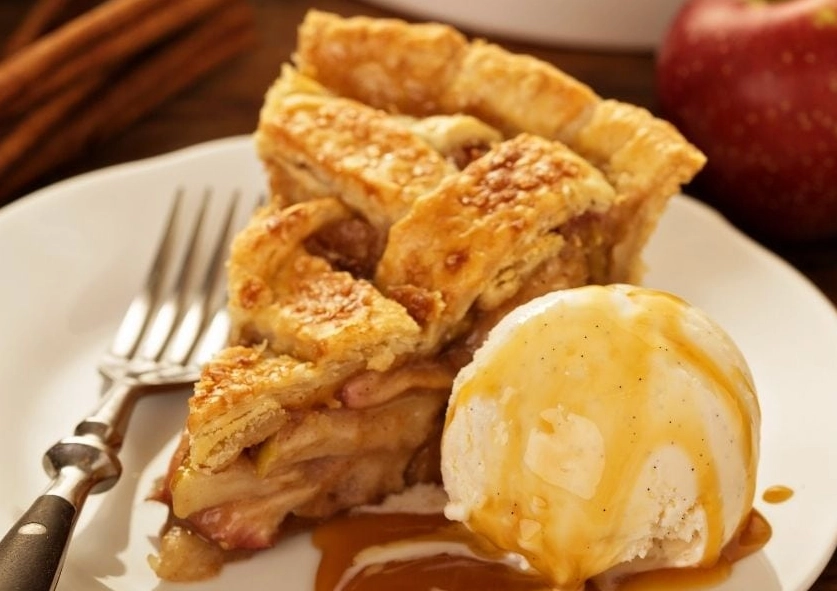
First, choose your apples. Look for Fujis that are firm to the touch, with no soft spots. About 6-8 medium apples will fill a standard 9-inch pie. Don't go for the biggest ones—they can be mealy inside. I learned this after a batch from a discount store turned my filling grainy.
Peel and core them. Use a sharp peeler; the skin is thin but can add bitterness if left on. Then, slice them into 1/2-inch thick pieces. Not thinner! Thin slices will cook down too much and lose structure. I use a mandoline on the thickest setting for consistency.
Now, the secret step: pre-cooking. Toss the slices in a large skillet over medium heat with a tablespoon of butter and a splash of lemon juice. Cook for 5-7 minutes, just until they start to soften but aren't mushy. This drives off excess moisture and concentrates the sweetness. I skip this sometimes when I'm lazy, and the pie always suffers—soggy bottom guaranteed.
While they're warm, mix in your thickener. For Fujis, I avoid cornstarch alone because it can get gummy. Instead, use a blend: 2 tablespoons of all-purpose flour and 1 tablespoon of instant tapioca. Toss it with the apples until coated. This creates a gel that sets without being gluey.
Seasoning is key. Since Fujis are sweet, cut back on sugar. For a typical pie, reduce granulated sugar by 1/4 cup compared to a tart apple recipe. Add spices like cinnamon, nutmeg, and a pinch of salt. I also throw in a teaspoon of vanilla extract for depth—something most recipes omit, but it rounds out the flavor.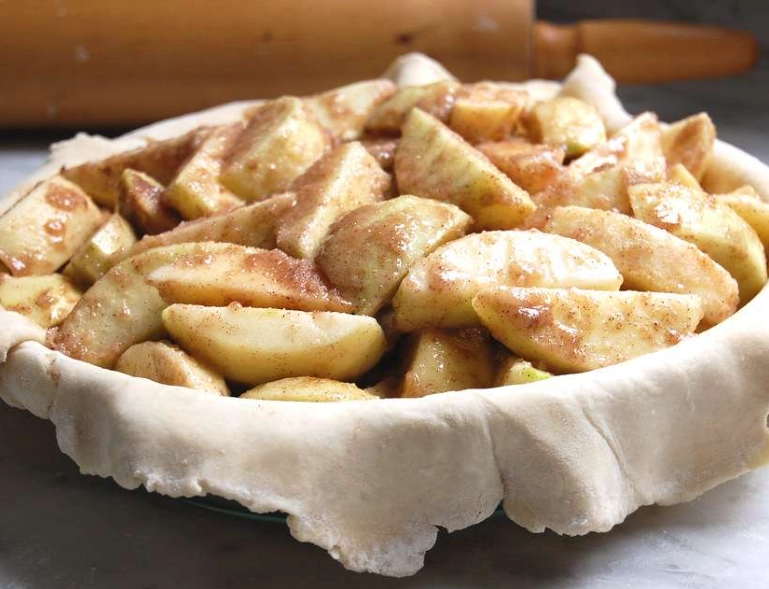
Let the filling cool before adding to the crust. This prevents the bottom crust from steaming and getting soggy. I usually spread it on a baking sheet for 15 minutes. Meanwhile, prep your crust. Whether homemade or store-bought, blind bake the bottom crust for 10 minutes at 400°F. It's an extra step, but it makes all the difference.
Common Mistakes When Using Fuji Apples and How to Avoid Them
Everyone makes errors, but with Fuji apples, a few missteps can ruin the pie. Here are the big ones I've seen—and made myself.
Mistake 1: Not adjusting sugar. This is the top offender. Fujis are sweet, so if you use the same amount of sugar as for Granny Smith, your pie will taste cloying. I once served a pie like that at a potluck, and half of it was left—ouch. Solution: Start with 1/2 cup of sugar for 6 cups of sliced Fujis, and taste as you go. You can always add more, but you can't take it out.
Mistake 2: Slicing too thin. Thin slices break down during baking, turning the filling into applesauce. Aim for 1/2-inch chunks. If you prefer softer filling, mix in a juicier apple like Honeycrisp, but keep the Fuji pieces chunky.
Mistake 3: Skipping the pre-cook. Fuji apples hold moisture, and if you don't cook it off, you'll get a watery filling that soaks the crust. I've had pies where the bottom was literally raw because of this. Spend those 5 minutes in the skillet—it's worth it.
Mistake 4: Using only cornstarch. Cornstarch can make the filling too stiff and cloudy with sweet apples. Blend it with flour or tapioca for a better texture. A reader once told me her pie turned into a rubbery block; she'd used 3 tablespoons of cornstarch with Fujis. Lesson learned.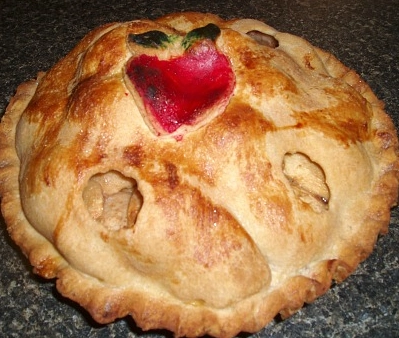
Mistake 5: Overbaking. Fuji apples soften faster than tart varieties, so keep an eye on the oven. Bake at 425°F for 20 minutes, then reduce to 375°F for 30-35 minutes. When the filling bubbles thickly, it's done. Overbaking dries it out.
Pro tip: If your pie still turns out too sweet, serve it with a sharp cheddar cheese on the side. The savory contrast cuts through the sweetness and is a classic pairing that many forget.
The Ultimate Fuji Apple Pie Recipe
Here's my go-to recipe, tested dozens of times. It serves 8 and takes about 2 hours total, including prep and baking. Feel free to tweak based on your taste.
Ingredients:
- 6-7 medium Fuji apples (about 3 pounds), peeled, cored, and sliced into 1/2-inch pieces
- 1/2 cup granulated sugar (adjust to taste)
- 1/4 cup all-purpose flour
- 2 tablespoons instant tapioca
- 1 teaspoon ground cinnamon
- 1/4 teaspoon ground nutmeg
- Pinch of salt
- 1 tablespoon lemon juice
- 1 teaspoon vanilla extract
- 2 tablespoons unsalted butter
- 2 pie crusts (homemade or store-bought)
- 1 egg beaten with 1 tablespoon water (for egg wash)
Steps:
1. Preheat oven to 425°F. Place one pie crust in a 9-inch pie dish, prick the bottom with a fork, and blind bake for 10 minutes. Let it cool slightly.
2. In a large skillet, melt butter over medium heat. Add apple slices and lemon juice. Cook for 5-7 minutes, stirring occasionally, until apples are slightly softened but not mushy. Remove from heat.
3. In a small bowl, mix sugar, flour, tapioca, cinnamon, nutmeg, and salt. Sprinkle over the warm apples, add vanilla, and toss to coat evenly. Let the mixture cool for 15 minutes.
4. Pour the filling into the pre-baked crust. Top with the second crust, seal the edges, and cut slits for steam. Brush with egg wash.
5. Bake at 425°F for 20 minutes, then reduce heat to 375°F and bake for another 30-35 minutes, until the crust is golden and filling bubbles. If the crust browns too quickly, cover edges with foil.
6. Cool on a wire rack for at least 2 hours before slicing. This allows the filling to set—cutting too early makes it runny.
I've served this at Thanksgiving for years, and it always gets compliments. The key is the cooling time; I know it's hard to wait, but trust me, it prevents a soupy slice.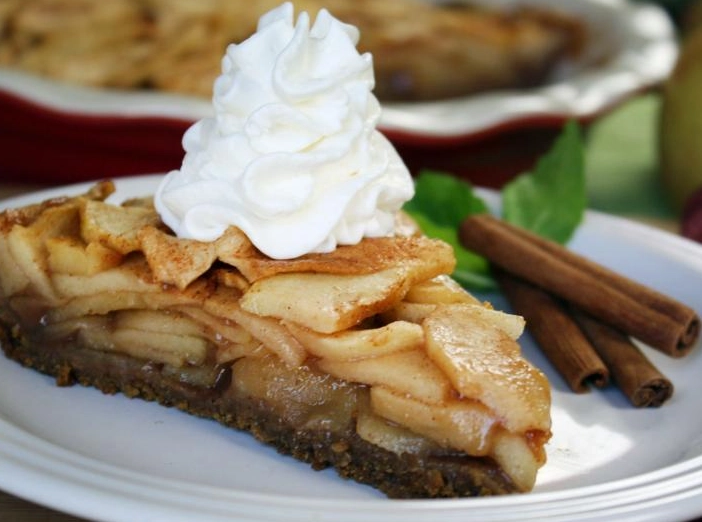
FAQ: Your Burning Questions Answered
Baking with Fuji apples isn't rocket science, but it requires a bit of finesse. They're not the default choice for pie, but that's what makes them interesting. With the right tweaks, you can create a dessert that stands out from the usual tart offerings. Give it a try this fall—start with my recipe, and don't be afraid to adjust based on your taste. Happy baking!
Reader Comments