In This Guide
- What Makes a Cucumber Great for Pickling? (The Non-Negotiables)
- The Top Contenders: A Breakdown of the Best Pickling Cucumber Varieties
- How to Select the Absolute Best Pickling Cucumbers (At the Store or Market)
- From Garden to Jar: Handling Your Prized Cucumbers
- Answering Your Pickling Cucumber Questions (The Stuff You Actually Search For)
- Putting It All Together: Your Path to Pickle Perfection
Let's be honest. You've probably been there. You get this craving for homemade pickles, spend hours prepping brine and sterilizing jars, only to end up with a sad, mushy, disappointing result. I've tossed out more than one jar in my time, feeling that particular brand of kitchen frustration. More often than not, the problem wasn't your recipe or your technique. It was the cucumber itself. Choosing the right cucumber isn't just a suggestion; it's the single most important step if you want that satisfying, audible *crunch*. This guide is everything I wish I'd known when I started. We're going deep on what makes the best pickling cucumbers, how to find them, and how to avoid the common pitfalls that turn pickle dreams into soggy nightmares.
It all starts with understanding that not all cucumbers are created equal. The long, sleek, plastic-wrapped ones you see year-round in the supermarket? Those are almost always slicing cucumbers. They're bred for salads, with thicker skin, larger seeds, and a higher water content. Perfect for a Greek salad, but a death sentence for pickle texture. Pickling cucumbers, on the other hand, are a different beast entirely. They're smaller, bumpier, firmer, and have a denser flesh that can stand up to the brining process. The quest for the best pickling cucumbers is really a quest for structural integrity and flavor concentration.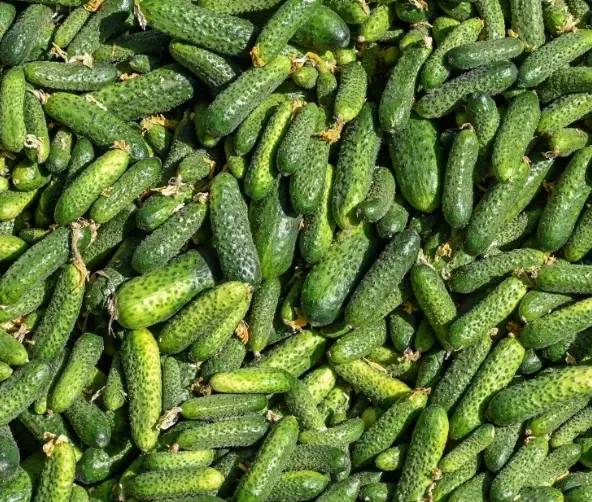
What Makes a Cucumber Great for Pickling? (The Non-Negotiables)
Before we dive into specific names and varieties, let's talk about the universal characteristics you're hunting for. Whether you're at a farmer's market, a specialty grocer, or browsing seed catalogs, these are the traits that separate the contenders from the pretenders.
Size and Shape Matter More Than You Think
For classic pickles, you want cukes that are on the smaller side, ideally between 3 to 6 inches long. Why? Uniformity in brining, for one. A giant cuke and a tiny one in the same jar will ferment or cure at different rates. Smaller cucumbers also tend to have fewer and smaller seeds, which is key. Large, mature seeds create hollow chambers inside the pickle, leading to sogginess and an unpleasant texture. The shape should be blocky and stout, not tapered or curved, which makes for easier, more consistent packing in the jar. I've wasted more space in jars with awkwardly curved cucumbers than I care to admit.
The Skin: Bumpy, Thin, and Unwaxed
Run your fingers over it. A good pickling cuke often has a slightly bumpy or spiny skin (don't worry, the spines are usually soft and wash off). This thinner skin allows the brine to penetrate more effectively, flavoring the pickle from the outside in. Critically, the skin must be unwaxed. Most commercial slicing cucumbers are coated in a food-grade wax to extend shelf life and look shiny. That wax acts as a barrier, preventing brine absorption. If you can only find waxed cucumbers, you'll need to scrub them aggressively with a vegetable brush and a little vinegar, but it's a subpar starting point. For the best pickling cucumbers, unwaxed is the only way to go.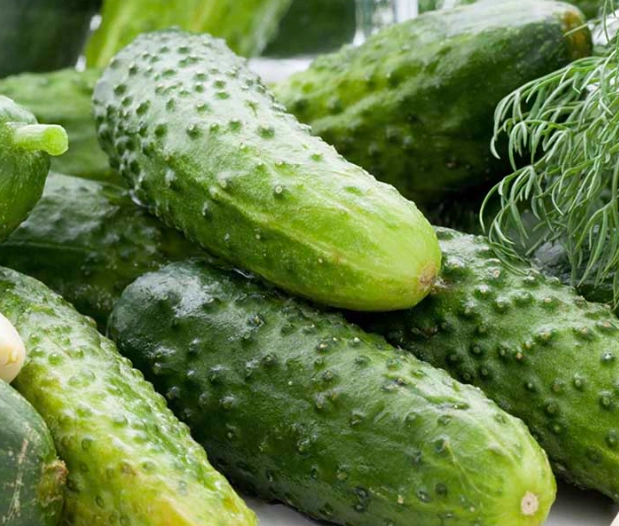
Freshness is Everything (No, Really)
This might be the most overlooked factor. A cucumber for pickling should be processed as soon as possible after harvesting—ideally within 24 hours. The clock starts ticking the moment it's picked. Enzymes inside the cucumber begin breaking down its cell structure, leading to softness. This is why homegrown or locally sourced from a farm stand often yields superior results to something that's been trucked across the country and sat in a warehouse. Look for cucumbers that are a vibrant, consistent green. Any yellowing, especially at the blossom end, indicates over-ripeness and larger seeds. A dull color means it's old.
The Top Contenders: A Breakdown of the Best Pickling Cucumber Varieties
Okay, so you know what to look for physically. Now let's get into names. There are dozens of varieties, but a few have earned their legendary status among pickle enthusiasts for reliability, texture, and flavor. I've grown and pickled most of these, and some have genuinely surprised me (for better and worse).
We can broadly split the best pickling cucumbers into two camps: the classic, smaller types perfect for whole dills or gherkins, and the slightly larger, blockier types often used for spears or chunks.
The Classics (Perfect for Whole Dills and Gherkins)
These are the workhorses. If you see a cucumber labeled specifically for pickling at a garden center, it's probably one of these.
- Boston Pickling: This is an heirloom variety that's been around forever for a reason. It produces prolific, 5-6 inch, slightly tapered cukes with a dark green, spiny skin. They have a fantastic, crisp texture and a classic cucumber flavor that shines through brine and spices. My go-to for a traditional, crunchy dill pickle.
- National Pickling: Another incredibly reliable heirloom. The fruits are a bit more blocky and uniform than Boston, growing to about 6 inches. They're known for their consistent shape and outstanding crunch. It's a variety that rarely lets you down, which is why it's a staple for commercial pickle producers and home gardeners alike.
- Parisian Gherkin: If you're after those tiny, cornichon-style pickles, this is your champion. The fruits are small, bumpy, and harvested at just 1-3 inches. They have an intense, concentrated flavor and an unbeatable crispness. They require more frequent harvesting, but the payoff is a truly gourmet pickle.
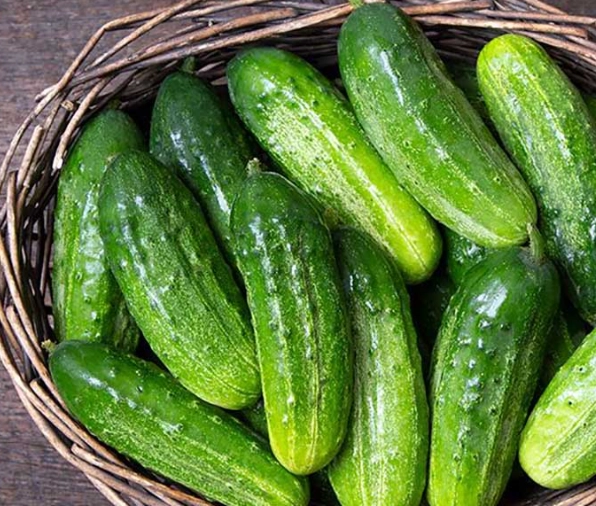
The Modern All-Stars & Space-Savers
Plant breeders have been busy, developing varieties that combine great pickling traits with disease resistance or compact growth habits.
- Calypso: This is a hybrid variety that gets rave reviews. It's a compact, bushy plant (great for containers or small gardens) that produces a heavy yield of 3-5 inch, nearly spineless cucumbers. The cukes are remarkably uniform, dark green, and maintain an exceptional crunch. For a hybrid, the flavor is excellent.
- Little Leaf: As the name suggests, this plant has small leaves, which makes it less susceptible to common cucumber diseases like mildew that spread via foliage. The cucumbers themselves are small, crisp, and perfect for picking. A fantastic choice if you've had disease issues in the past.
- Bush Pickle: Don't have space for sprawling vines? Bush-type cucumbers like 'Bush Pickle' grow in a more contained, bushy form. They still produce a good number of classic, 4-6 inch pickling cukes. The convenience is their main selling point, though the yield might not match a vigorous vining type.
The Surprising Picklers (Beyond the Usual Suspects)
Sometimes the best pickling cucumbers aren't the ones labeled as such. A couple of varieties often found in the "slicing" section can perform brilliantly.
Persian Cucumbers: Wait, hear me out. I was skeptical too. These are typically marketed as sweet, thin-skinned, seedless snacking cucumbers. But their lack of seeds and incredibly crisp, dense flesh make them outstanding for quick-refrigerator pickles. They absorb flavor like a sponge and stay crunchy for weeks. They're not ideal for long-term canning or fermentation due to their thin skin, but for a fast, gourmet pickle, they're secretly one of the best. I made a batch of quick dill pickles with Persian cucumbers last summer, and they were gone in two days.
Lemon Cucumber: This heirloom looks nothing like a typical cuke—it's round and yellow, like a lemon. Its texture is crisp and its flavor mild and sweet. It makes a wonderful, unusual pickle that's a great conversation starter. Pickle them when they're about the size of a billiard ball for the best texture.
| Variety | Best For | Key Trait | My Personal Take |
|---|---|---|---|
| Boston Pickling | Classic whole dill pickles, fermentation | Heirloom reliability, great crunch | The consistent performer. Rarely fails. |
| National Pickling | Uniform spears and chunks, canning | Blocky shape, high yield | A bit boring, but in the best way. Does the job perfectly. |
| Parisian Gherkin | Tiny cornichons, gourmet pickling | Intense flavor, super crisp | High maintenance to harvest, but unmatched results. |
| Calypso | Container gardening, reliable crunch | Compact plant, disease-resistant | A modern winner. The crunch is phenomenal. |
| Persian Cucumber | Quick refrigerator pickles | Seedless, super dense flesh | The dark horse. For quick pickles, it's a game-changer. |
How to Select the Absolute Best Pickling Cucumbers (At the Store or Market)
You're not always going to have the luxury of homegrown. Here's your field guide for selecting winners from what's available.
- Ask and Verify: Don't be shy. Ask the produce manager or farmer, "Are these good for pickling? Are they unwaxed?" If they don't know, that's a red flag. A good farmer's market vendor will know their varieties.
- The Squeeze Test: Gently squeeze the cucumber along its length. It should be firm with no soft spots, especially at the ends. Any give means the internal structure is breaking down.
- Inspect the Color: Look for a bright, uniform green. Avoid any with dull, whitish, or yellow patches. A yellow blossom end means it's overripe and seedy.
- Check the Skin: Look for minor bumps or spines. A perfectly smooth, shiny skin often indicates a waxed slicing cuke. The skin should look matte, not glossy.
- Size Them Up: Pick ones that are roughly the same size for consistent pickling. Aim for the 4-6 inch range for versatility.
From Garden to Jar: Handling Your Prized Cucumbers
You've found your perfect batch of the best pickling cucumbers. Now, don't ruin them in the prep!
Washing: Give them a good rinse in cool water. If there are any lingering spines or dirt, use a soft brush. Don't soak them, as they can absorb water.
The Blossom End: This is a non-negotiable step for crispness. The blossom end (the one opposite the stem) contains an enzyme called pectinase that softens pickles during brining. You must trim off at least 1/16th of an inch from the blossom end. If you can't tell which end is which, just trim a tiny bit off both ends to be safe. I've forgotten this step exactly once. The pickles were edible, but the texture was... forgettable.
To Soak or Not to Soak? An old trick is to soak cucumbers in ice water for a couple of hours (or even overnight in the fridge) before pickling. This rehydrates them and plumps the cells, leading to an extra crunch. Does it work? In my experience, yes, especially if your cukes were picked more than a day ago. It's a cheap insurance policy for crunch.
Answering Your Pickling Cucumber Questions (The Stuff You Actually Search For)
Putting It All Together: Your Path to Pickle Perfection
Finding and using the best pickling cucumbers isn't about finding one magic bullet. It's a process—a checklist of good decisions that stack the odds in your favor.
Start with the right variety, whether that's a trusted heirloom like Boston or a modern hybrid like Calypso. Seek out freshness above all else; a just-picked, slightly imperfect cuke from a farm stand will beat a waxed, week-old supermarket imposter every single time. Be ruthless in your selection: firm, small, dense, unwaxed, and uniformly green. Prep them with care, remembering that critical blossom-end trim. Then, pair them with a sound, tested recipe from a reliable source like the National Center for Home Food Preservation for safety and guaranteed results.
The difference is night and day. A pickle made from a true, high-quality pickling cucumber has a snap you can hear from across the room, a satisfying density when you bite into it, and a clean, bright flavor that carries the garlic, dill, and spices beautifully. It's what a homemade pickle is supposed to be.
It turns the act of pickling from a chore with unpredictable results into a rewarding craft. You stop worrying about whether it will work and start getting excited about how good it will be. And when you open that jar months later to that perfect crunch, you'll know every bit of effort to find those best pickling cucumbers was worth it.
Reader Comments