Guide Highlights
Let's be honest. We've all been there. You see those gorgeous, glossy caramel apples at the fair or the store, and you think, "I could make those." So you buy the ingredients, follow some basic caramel apples recipe you found online, and... it's a sticky, messy, disappointing disaster. The caramel slides right off. The apples are soggy. It's just not the same.
I know because it happened to me. My first batch was so bad, my kids politely asked if they could just have a plain apple instead. Ouch.
But that failure sent me on a mission.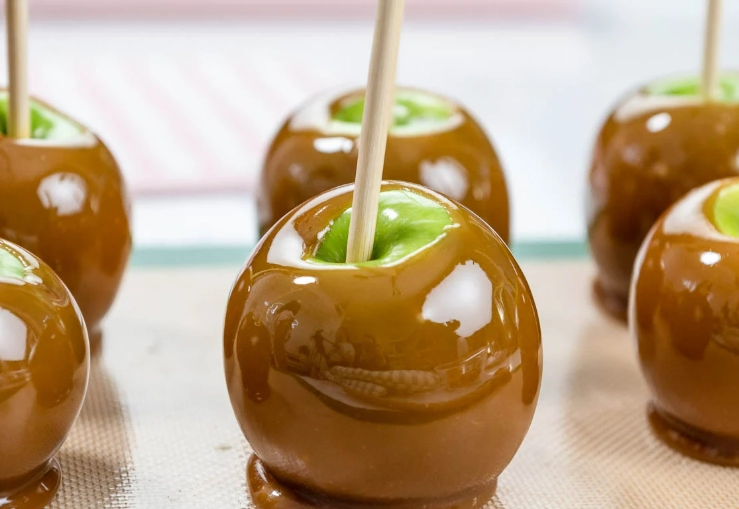
After what feels like a hundred batches (and a lot of wasted sugar), I've cracked the code. Making perfect caramel apples at home isn't just about following a recipe. It's a little science, a lot of patience, and knowing the tricks that nobody talks about. This guide is everything I wish I'd known from the start. We're going way beyond a simple ingredient list. We're diving into the why behind every step, so you can nail it every single time.
The Heart of the Matter: Choosing Your Apple
This is where most recipes just say "use firm apples" and move on. Big mistake. The apple is the foundation. Pick the wrong one, and your entire caramel apple structure is doomed from the start. A soft, juicy apple will weep moisture, creating a layer of water between the fruit and the caramel. That's the prime reason your coating slides off in one sad, sugary sheet.
You need an apple that's built like a champion. Crisp, tart, and with skin that can handle a hot sugar bath. Based on my trials (and information from sources like the U.S. Apple Association, which is a fantastic resource for apple varieties), here's the real breakdown of what works and what doesn't.
| Apple Variety | Why It Works (or Doesn't) | My Personal Taste Test Verdict |
|---|---|---|
| Granny Smith | The undisputed king. Incredibly firm, very tart, and the thick skin provides excellent grip for the caramel. The tartness cuts through the sweetness perfectly. | Top Tier. Consistently perfect. Never lets me down. |
| Honeycrisp | Firm and crisp, but much sweeter. Holds up well, but the flavor profile is less classic. A great choice if you prefer less tartness. | Excellent. A crowd-pleaser, especially for kids who find Granny Smith too sour. |
| Fuji | Sweet and fairly firm. Can work in a pinch, but they tend to be juicier, which is a risk factor. | Good, with caution. Dry them extremely well. I've had mixed results. |
| Gala | Sweet and aromatic, but often softer. Not my first, second, or third choice. | Avoid for beginners. Higher chance of failure due to texture. |
| Red Delicious | Looks the part, but that's it. Mealy texture, thin skin. The worst possible choice, in my opinion. | Just don't. Trust me on this one. |
See? It's not just about firmness. It's about acidity, skin thickness, and moisture content. Starting with a Granny Smith is like giving yourself a 50% head start on a successful caramel apples recipe.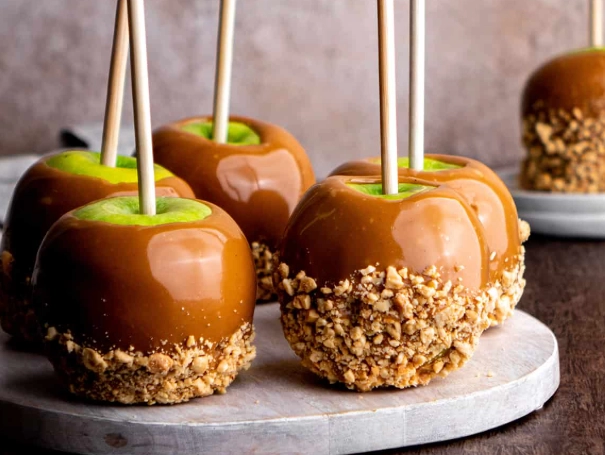
The Caramel Crossroads: Homemade vs. Store-Bought
This is the big debate. Do you make your own caramel or melt down those little caramel squares? Each path has its devout followers and its pitfalls.
The From-Scratch Path
Making caramel from sugar, butter, and cream is rewarding. The flavor is deep, rich, and complex—it tastes real. You control the thickness and consistency perfectly. But it's also finicky. You're working with sugar at extremely high temperatures. It can crystallize. It can burn. It requires a candy thermometer and your undivided attention.
The basic formula is simple: sugar, butter, heavy cream, corn syrup (a little prevents crystallization), and salt. You cook it to the "firm ball" stage, around 245°F to 250°F (118°C to 121°C). If you go under, it's too soft. Over, and it's a chewy, hard mess.
I love the from-scratch method for special occasions. The taste difference is noticeable. But is it necessary for a fun Halloween treat with kids? Probably not.
The Store-Bought Shortcut
Bagged caramel bits or squares are the workhorse of the caramel apple world. They're consistent, easy, and foolproof. You just melt them down with a tablespoon or two of water or cream. The flavor is sweeter and less nuanced, but it's still delicious and nostalgic.
My biggest gripe with the bagged stuff? It's often too soft. Even when set, it can be a bit gooey. To combat this, I add a secret ingredient: a tablespoon of butter and a pinch of flaky sea salt to the melting pot. It improves the flavor and texture immensely.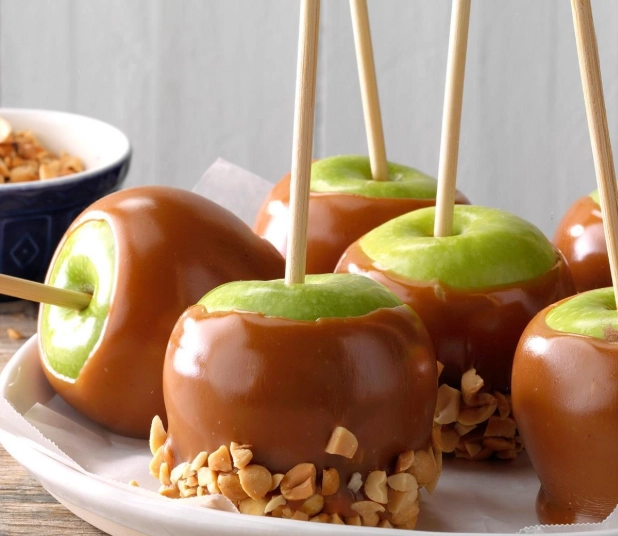
The Step-by-Step, No-Fail Process
Okay, you've got your rock-hard Granny Smiths and your caramel of choice. Now comes the ballet. Every single step here matters. Skip one, and you might be back to square one.
- The Prep is Everything. Wash apples in hot water to de-wax. Dry them obsessively with a clean towel. Even a tiny bit of moisture is the enemy. Insert your sticks (popsicle sticks, craft sticks, even thick pretzel rods work). Push them in deeply, about two-thirds of the way into the core. This prevents a wobbly, top-heavy apple.
- Line Your Workspace. Tear off sheets of parchment paper and lightly grease them with cooking spray. Not wax paper. Parchment. Have all your toppings measured out and in bowls. This process moves fast once the caramel is ready.
- Melt Your Caramel. If using store-bought, do it in a deep, microwave-safe bowl in short bursts, stirring in between. For homemade, use a heavy-bottomed pot and that candy thermometer. Let the caramel cool for just a minute or two after it reaches temperature. If it's boiling hot, it will cook the apple skin and cause slipping.
- The Dip. Tilt your bowl/pot. Swirl the apple, don't plunge it. Get it fully coated, then slowly lift it out, letting the excess caramel drip off for a good 10-15 seconds. Gently swirl it over the pot to stop the drip. This is crucial for a clean bottom.
- The Twirl & The Scrape. Hold the apple over the pot and give it a gentle twirl. Then, take a knife or small spatula and scrape the excess caramel off the bottom. This prevents a huge, messy "foot" from forming. It's a game-changer for presentation.
- Add Toppings Immediately. If you're using sprinkles, nuts, or chocolate chips, roll the apple in them right now, before the caramel sets. For drizzles, let the base layer set for about 10 minutes first.
- The Patient Wait. Place the finished apple on the greased parchment. Do NOT refrigerate them to set. This causes condensation and weeping. Just let them sit at cool room temperature for at least 2 hours, preferably 4. The caramel will firm up perfectly.
That bottom-scraping trick? That alone will make your caramel apples look professional.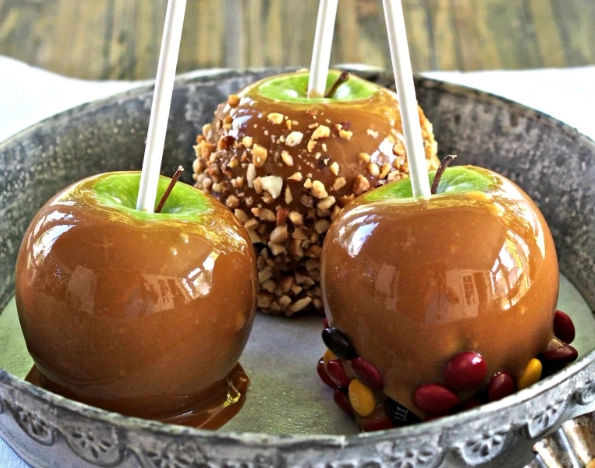
Beyond the Classic: Flavor Variations to Try
Once you've mastered the basic caramel apples recipe, the world is your oyster. Or your candy shop. Here are a few of my favorite twists.
Salted Caramel Bourbon
For the grown-ups. Add 2 tablespoons of bourbon and an extra teaspoon of flaky sea salt to your melting caramel. The flavor is incredible—smoky, sweet, salty. A word of caution: the alcohol can make the caramel a bit trickier to work with (it might seize slightly), so add it off the heat and stir vigorously.
Chocolate Turtle Apples
Dip your apple in caramel, let it set, then dip the bottom half in melted dark chocolate. Immediately press on chopped pecans. Drizzle with more chocolate and a sprinkle of sea salt. It's ridiculously decadent.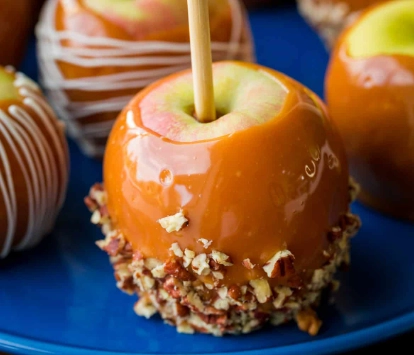
The "Everything" Apple
This is for the topping lovers. After the caramel dip, roll it in a mixture of crushed pretzels, toffee bits, mini chocolate chips, and a pinch of coarse salt. It's sweet, salty, crunchy, and chewy all at once. Messy? Yes. Delicious? Absolutely.
Fixing the Unfixable: Troubleshooting Common Disasters
Even with the best guide, things can go sideways. Here's how to diagnose and fix the most common caramel apple woes.
Storing and Serving Your Masterpieces
You've made perfect caramel apples. Now what? You can't leave them out forever.
At cool room temperature, they'll be good for about 24 hours on a parchment-lined tray, loosely covered. After that, you need to refrigerate. Wrap each apple individually in plastic wrap or wax paper and place them in a single layer in the fridge. They'll keep for up to 5 days.
The catch? When you take a refrigerated apple out, condensation will form on the wrapper. Let the wrapped apple sit out for 15-20 minutes to come to room temperature before unwrapping. This minimizes moisture getting on the caramel.
Can you freeze them? Technically, yes. Wrap them incredibly well in plastic, then foil, and freeze for up to a month. Thaw in the fridge overnight. But honestly, the texture of the apple suffers. It becomes a bit softer. I don't recommend it unless absolutely necessary.
To serve, use a very sharp knife to cut slices around the stick. Trying to bite into a whole gourmet caramel apple is a comical, jaw-dislocating endeavor. Slicing is the civilized way.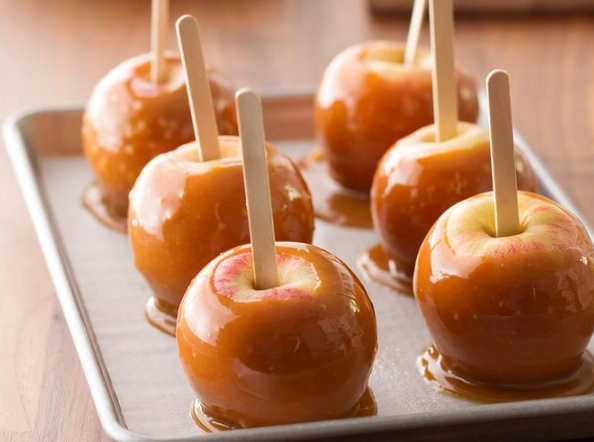
The Final Word
Look, a great caramel apples recipe is more than a list. It's a collection of tips, warnings, and little insights that turn a potential kitchen fail into a triumph. It's about choosing the right apple, understanding your caramel, and having the patience to let things set properly.
Don't get discouraged if your first one isn't magazine-perfect. Mine sure weren't. Each batch teaches you something. Maybe you'll learn you prefer a thinner caramel layer, or that your family goes crazy for the pretzel topping.
That's the fun part.
So grab those Granny Smiths, pick your caramel path, and get dipping. With this guide in your back pocket, you're not just following a recipe. You're understanding it. And that's the real secret to making caramel apples that are absolutely, stickily, deliciously perfect.
Reader Comments