Your Apple Pie Roadmap
Let's be honest. We've all been there. You see a bag of shiny red apples on sale, grab them, follow a decent pie recipe to the letter, and then... disappointment. The filling turns into a bland, mushy pool with no character. Or worse, it's watery and the bottom crust is a soggy mess. Sound familiar? I've ruined more than one pie that way myself. The truth is, the single most important decision you make for your apple pie isn't your crust recipe (though that's important) or your spices—it's answering the question: what type of apple for pie should I actually use?
It's not just about grabbing any apple. It's about picking the right tool for the job. Some apples are structural heroes, holding their shape through the heat of the oven. Others are flavor powerhouses, melting into a complex, spiced sauce. Most of the time, the best answer involves a mix. This guide isn't just a list. It's a deep dive into the why behind the choices, so you can make informed decisions whether you're at a fancy farmer's market or your local supermarket.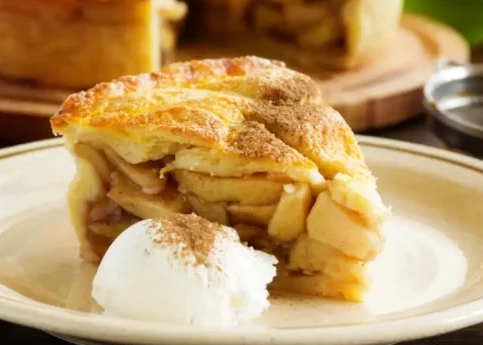
The Apple Pie Hall of Fame: Your Go-To List
After years of testing (and eating), I've settled on a mental ranking. Forget vague categories; let's talk specifics. Here’s my breakdown of the top contenders, the reliable workhorses, and a few surprising options. I’ve even thrown in a couple I think are overrated for pie—controversial, I know.
The Undisputed Champions
These are the apples you can almost always count on. They're widely recommended for a reason.
- Granny Smith: The classic. Tart, firm, and reliable. They hold their shape incredibly well, providing necessary structure. Their sharp acidity cuts through the sweetness of the filling and pairs beautifully with spices like cinnamon and nutmeg. The downside? Used alone, they can be a bit one-note—just tart. They lack the complex floral or honey notes of other varieties. I almost always use them as a base, mixed with something sweeter.
- Honeycrisp: The crowd-pleaser. Sweet, explosively juicy, and with a satisfying crispness. They offer a fantastic balance of sweet and mild tartness and hold their shape reasonably well. They're more expensive, sure, but their flavor is so good you can sometimes get away with using fewer spices. A pie made mostly with Honeycrisp is a different, sweeter experience than a tart Granny Smith pie, but it's utterly delicious.
- Braeburn: The underrated star. They have a perfect sweet-tart balance and a spicy, almost wine-like aroma. What makes them exceptional for pie is their dual nature: they soften nicely but don't completely disintegrate, creating a filling with great body and distinct pieces. If you see them, grab them.
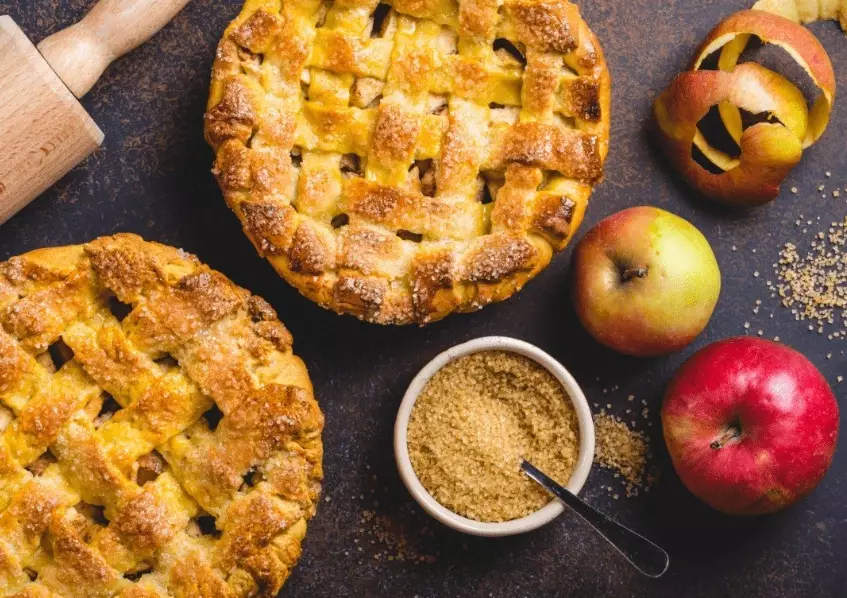
- Jonagold: A fantastic hybrid (Jonathan x Golden Delicious). It inherits a pleasant tartness and firm texture from Jonathan and a honeyed sweetness from Golden Delicious. This makes it an excellent all-purpose pie apple that often doesn't even need a blending partner.
The Reliable Workhorses
These might not always be the headline act, but they're fantastic supporting players and often easier to find.
- Golden Delicious: Don't let the "delicious" name fool you into thinking they're just for eating. They soften into a lovely, mild, sweet puree. I wouldn't use them alone—the filling can get too soft—but blending a few into a mix of firmer apples adds wonderful sweetness and helps bind the filling together.
- Pink Lady (Cripps Pink): Tart, crisp, and slow to oxidize (brown). They have a lovely fizzy acidity and hold their shape very well. A great modern choice that's become a bakery favorite.
- Northern Spy: The old-timer's favorite. If you can find them (they're a late-season apple), they're considered one of the absolute best. Firm, tart, and aromatic, they keep a perfect slice after baking. The USDA's agricultural resources often highlight heirloom varieties like Northern Spy for their unique baking properties.
The “Proceed with Caution” List
Some popular apples need careful handling.
- McIntosh: Oh, Macs. So fragrant, so tender, so... mushy. They break down almost completely when cooked. If you love a very smooth, applesauce-like filling texture, use a small portion mixed with very firm apples. A McIntosh-only pie will have no structural integrity.
- Red Delicious: Just don't. They're mealy, bland, and lack both the acidity and structure needed for pie. They're bred for looks, not baking. This is my firmest negative opinion.
- Gala & Fuji: These are superb eating apples—sweet, crisp, and juicy. For pie, that high sugar and water content is tricky. They can make the filling overly sweet and watery. If you use them, mix them with a high-acid, firm apple (like Granny Smith) and consider reducing added sugar and adding a bit more thickener.
Choosing Your Apples: The Four Pillars of a Perfect Pie
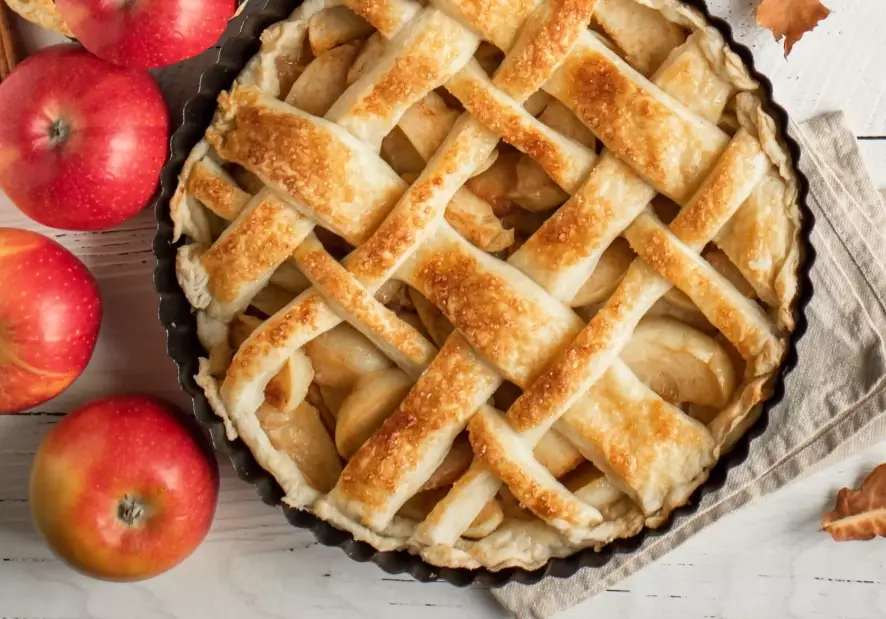
To really understand what type of apple for pie works, you need to think like a pie architect. It comes down to four key characteristics.
1. Flavor (Acidity & Sweetness)
A great pie needs balance. Tart apples (high malic acid) provide a bright, clean flavor that prevents the pie from being cloying. Sweet apples contribute depth and caramel notes. Most professional bakers aim for a mix. Why? The complexity you get from blending a tart apple with a sweet or aromatic one is far greater than any single variety can provide. It's like layering flavors in a stew.
2. Texture & Structure
This is about how the apple behaves under heat. Do you want distinct slices or a more uniform, tender filling?
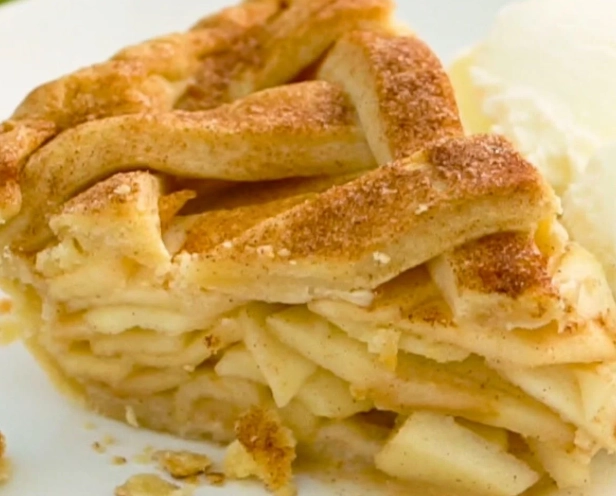
- Firm/Dense: Apples like Granny Smith and Pink Lady have tightly packed cells. They soften but largely maintain their shape, giving the pie defined bites and preventing a soggy bottom by not releasing all their juice at once.
- Tender: Apples like McIntosh have a more open cell structure. They collapse into a smooth puree. This can be desirable in part of your blend to create a sauce that binds the firmer pieces together.
3. Moisture Content
Probably the most practical concern. Juicier apples (Honeycrisp, Fuji) release more liquid as they cook. This isn't inherently bad, but it must be managed. Too much free juice = a soggy crust and a loose filling. The solution is either to mix with drier apples, pre-cook the filling slightly to reduce juice, or use an appropriate amount of thickener (like tapioca starch or flour).
4. Aroma
This is the subtle bonus. Some apples, like Braeburn or Cox's Orange Pippin, have spicy, floral, or honeyed aromas that survive baking and elevate the entire pie beyond just “sweet and cinnamony.”
The Ultimate Pie Apple Comparison Table
Let's put it all together. This table compares the most common contenders to help you decide what type of apple for pie to buy, whether you're using one kind or creating a blend.
| Apple Variety | Flavor Profile | Texture When Baked | Best Role in a Pie | Availability |
|---|---|---|---|---|
| Granny Smith | Very tart, crisp, clean | Holds shape very well, softens but stays distinct | Structural base, provides acidity | Year-round, universal |
| Honeycrisp | Very sweet, juicy, mildly tart | Holds shape well, tender | Sweet component, can be used solo | Widely available (fall/winter) |
| Braeburn | Balanced sweet-tart, spicy aroma | Softens well but keeps some structure | Excellent all-purpose or for blending | Common (fall/winter) |
| Jonagold | Sweet-tart, honeyed notes | Holds shape fairly well | Great all-purpose choice | Common (fall) |
| Golden Delicious | Mild, very sweet | Breaks down into a soft puree | Sweetener & binder in a blend | Year-round, universal |
| Pink Lady | Tart, tangy, crisp | Holds shape exceptionally well | Structural base, provides bright acidity | Widely available |
| Northern Spy | Tart, complex, aromatic | Holds shape perfectly | Top-tier structural & flavor apple | Seasonal, harder to find |
| McIntosh | Tart, very aromatic | Completely breaks down, mushy | Flavor & sauce component (use sparingly) | Common (fall) |
| Fuji / Gala | Very sweet, juicy | Softens, can become watery | Use in small amounts for sweetness in a blend | Year-round, universal |
The Magic of the Mix: Why One Apple is Rarely Enough
Ask any seasoned pie baker their secret, and nine times out of ten, they'll say they mix apples. It's the single best way to guarantee a complex flavor and a balanced texture. You get the structural integrity from firm apples and the sauciness from softer ones. You get bright acidity from tart apples and deep sweetness from others.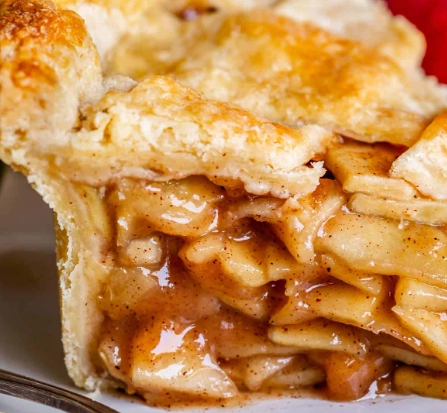
Here are a few classic blend strategies:
- The Balanced Classic: 50% Granny Smith (structure & acid) + 50% Honeycrisp or Braeburn (sweetness & flavor). This is my personal go-to for a reliably fantastic pie.
- The Flavor Bomb: ⅓ Granny Smith (structure) + ⅓ Pink Lady (bright acid) + ⅓ Golden Delicious (sweet binder).
- The Heirloom Special: Northern Spy (if you can find it) mixed with a small amount of McIntosh for aroma and sauciness.
Don't be afraid to experiment. The next time you're wondering what type of apple for pie to choose, grab two or three different kinds. It's a game-changer.
Your Pie Apple Questions, Answered
Can I use only one type of apple for pie?
You can, but you might be missing out. A single-variety pie with a well-chosen apple like Jonagold or Braeburn can be excellent. But a single-variety pie with a more one-dimensional apple (like only Granny Smith) or a poorly suited apple (like only McIntosh) will lack balance. Blending is insurance for a great result.
Do I have to adjust my recipe if I use a different apple?
Yes, and this is crucial. If you substitute a very sweet apple (like Fuji) for a tart one (like Granny Smith), you should reduce the sugar in your recipe by a few tablespoons. If you use juicier apples, you might need a touch more thickener (tapioca, cornstarch, flour). Think of the recipe as a guideline, not a rigid law.
What about pre-sliced or bagged apples?
Convenient? Sure. Ideal? Not really. They're often treated with preservatives to prevent browning, which can affect flavor and texture. They also dry out. For the best pie, buy whole, firm apples and slice them yourself just before mixing. The difference is noticeable.
Are “pie apples” or “baking apples” a real thing at the store?
Sometimes stores will sell mixed bags labeled for pie. These can be a great shortcut! They often contain a blend of firm and soft varieties. Check the label if possible—if it's a mix of Granny Smith, Golden Delicious, and maybe Braeburn, you're in good shape. If it just says "baking apples" with no specifics, be a bit wary.
Can I use apples that are a little soft?
Apples that are just slightly past their prime for eating can be fine for pie, as cooking will soften them anyway. However, avoid apples that are mushy, bruised, or have clearly spoiled spots. The flavor will be off.
Where can I learn more about apple varieties?
For deep dives into heirloom and modern cultivars, the Orange Pippin website is an fantastic resource. For science-based storage and handling tips, university agricultural extension sites, like those from University of Minnesota Extension, are authoritative and reliable.
A Simple, Foolproof Recipe Framework
All this talk about apples needs a home. Here's a basic, adaptable framework. Use about 3 to 3.5 pounds of apples (6-8 large apples) for a standard 9-inch pie.
- Prepare your crust and have it ready in the pie plate.
- Mix your apples. Peel, core, and slice them into ¼-inch slices. Toss immediately with 1 tablespoon of lemon juice to prevent browning.
- Make the filling. In a large bowl, mix ¾ cup granulated sugar (adjust based on apple sweetness), ¼ cup brown sugar, ¼ cup tapioca starch or cornstarch (use 3 tbsp flour if you prefer, but tapioca is clearer), 1 tsp cinnamon, ¼ tsp nutmeg, and a pinch of salt. Sprinkle this over the apples and toss very thoroughly until every slice is coated.
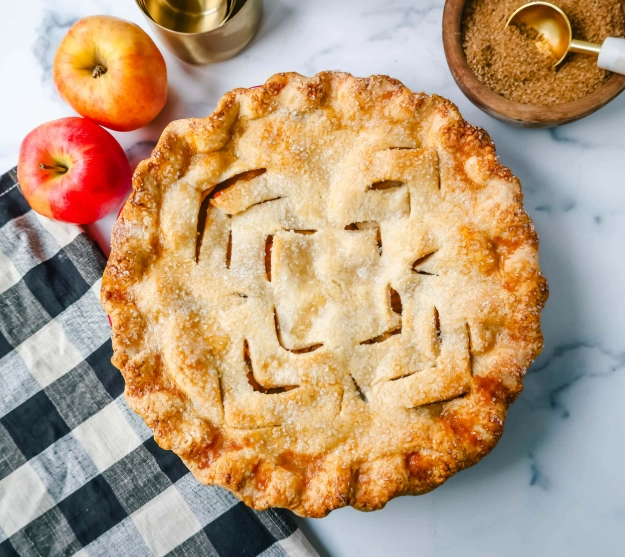
- Fill and bake. Pile the filling into the bottom crust, dot with 2 tbsp of cold butter pieces. Add top crust, vent, and brush with egg wash or milk. Bake on a preheated baking sheet at 425°F (220°C) for 20 minutes, then reduce heat to 375°F (190°C) and bake for 40-50 more minutes, until the crust is deep golden and juices are bubbling thickly through the vents.
- Cool completely. This is non-negotiable. Let it cool for at least 3-4 hours so the filling can set. Cutting into a warm pie is a recipe for a runny mess.
So, the next time you're standing in the produce aisle, you won't just grab any apple. You'll know that the answer to what type of apple for pie is a thoughtful combination of structure, flavor, and balance. You'll know that a mix of a firm, tart apple and a sweet, aromatic one is your ticket to pie perfection. Happy baking.
Reader Comments