Quick Guide
- Getting to Know the Royal Gala Apple: The Sweet Snacker
- The Great Baking Breakdown: Pros, Cons, and Personal Takes
- The Showdown: Royal Gala vs. The Classic Baking Apples
- Best Uses: Where Royal Gala Apples Truly Shine in the Oven
- Actionable Tips for Baking Success with Royal Gala Apples
- Your Royal Gala Baking Questions, Answered
- The Final Slice: My Honest Conclusion
You’ve got a bag of beautiful, shiny Royal Gala apples sitting on your counter. They’re sweet, they’re crisp, they’re perfect for snacking. But then you get the urge to bake a pie. Or maybe a crisp. And that little voice in your head pops up: are Royal Gala apples good for baking? I’ve been there. You don’t want to waste time and ingredients on a dessert that turns into mush or lacks flavor. Well, let’s roll up our sleeves and dig into the real story. It’s not just a yes or no answer—it’s a “yes, but…” and understanding that “but” is what separates a good bake from a great one.
I remember one time, early in my baking experiments, I threw only Royal Gala apples into a pie because they were on sale. The result? A filling that was almost too sweet, and it lacked that distinct tart punch I craved. It wasn’t bad, my family still ate it (let’s be honest, warm pie is never truly bad), but it taught me a lesson about apple personalities.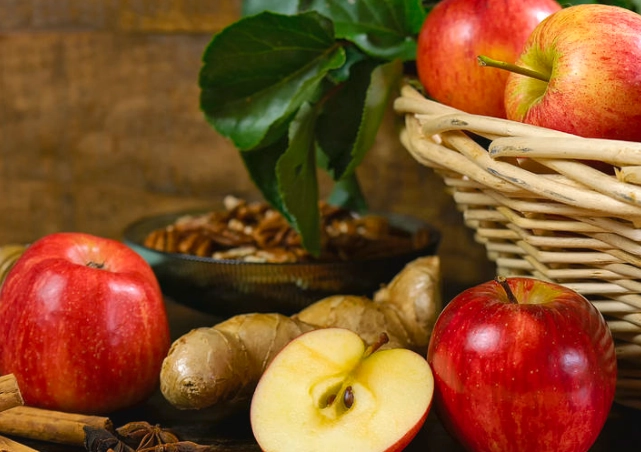
Getting to Know the Royal Gala Apple: The Sweet Snacker
Before we toss them in the oven, let’s understand what we’re working with. The Royal Gala is a cultivar that originated in New Zealand (a cross between Kidd's Orange Red and Golden Delicious) and is now one of the most popular eating apples in the world. Think of them as the friendly, reliable neighbor of the apple world.
- Flavor Profile: Pronounced sweetness with very low acidity. Their flavor is mild, aromatic, and sometimes described as having hints of pear. You won’t get a sour pucker from a Gala.
- Texture (Raw): Crisp and juicy when fresh. They have a thinner skin that’s pleasant to eat.
- Texture (When Cooked): This is the key. Gala apples break down relatively quickly when heated. They soften into a tender, almost creamy consistency rather than holding a firm, distinct slice.
That last point about texture is the heart of the debate around using Royal Gala apples for baking. If you’re imagining a pie where you can see clear, defined slices of apple that offer a slight resistance when you bite into them, Gala might disappoint. They tend to cook down into a more homogenous, saucy filling.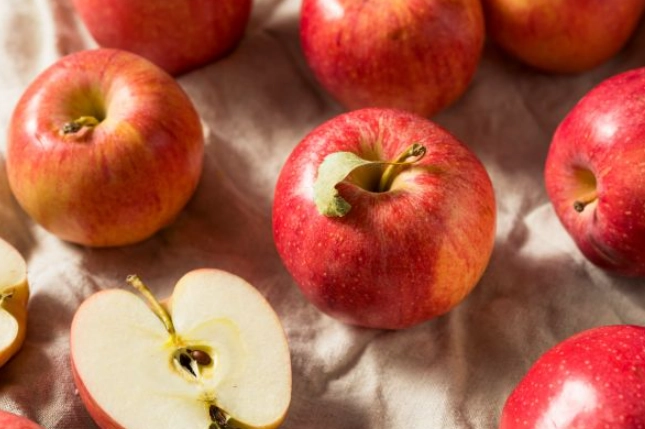
The Great Baking Breakdown: Pros, Cons, and Personal Takes
Let’s break down the advantages and drawbacks. I’ll be honest—I have a soft spot for them, but I’m not blind to their flaws.
Why Royal Gala Apples Can Be a Baking Win
- Natural Sweetness: This is their superpower. Because they are so sweet, you can often reduce the amount of added sugar in your recipe by 10-20%. I’ve done this successfully in apple crisps and sauces. It makes you feel a tiny bit virtuous about eating dessert.
- Soft, Saucy Texture: For certain applications, this is a pro, not a con. If you love a pie filling that is cohesive, almost like a thick, chunky applesauce, Galas deliver that beautifully. They create their own lovely syrup as they bake.
- Widely Available & Affordable: You can find them year-round in almost any grocery store. When you have a spontaneous baking itch, they’re usually there for you.
- Mild Flavor: They are a blank canvas. This means they readily absorb spices like cinnamon, nutmeg, and cardamom without fighting them with a strong tart flavor.
The Potential Pitfalls (Let's Be Real)
- Lack of Structure: The biggest complaint. They can turn mushy. If you bake them for the standard time in a pie, you might end up with "apple soup" inside a crust. Not ideal if you want texture.
- Low Acidity: That mild flavor can sometimes translate to "flat" in a baked dessert. Acidity helps balance sweetness and makes flavors pop. A pie made only with Galas can taste one-dimensionally sweet to some palates (like mine).
- They Can Disappear: Because they break down so much, you might need more apple volume by weight to fill your pie dish compared to a firmer variety like Granny Smith. They cook down significantly.
I have to admit, after my one-pie experiment, I was skeptical. But then I tried them in other things, and that’s where the magic happened.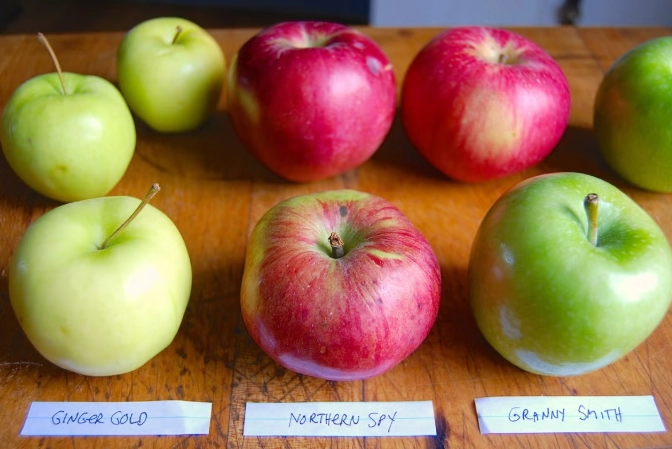
The Showdown: Royal Gala vs. The Classic Baking Apples
You can’t answer "are Royal Gala apples good for baking" without comparing them to the usual suspects. It’s all about context. Here’s a quick comparison to see where Gala fits in the baking apple hierarchy.
| Apple Variety | Best Texture For Baking | Flavor Profile | How It Compares to Royal Gala for Baking |
|---|---|---|---|
| Granny Smith | Firm, holds its shape exceptionally well. | Very tart, tangy, bright. | The polar opposite in flavor and texture. Provides structure and acid that Gala lacks. Often used in a blend. |
| Honeycrisp | Firm-to-crisp, holds shape fairly well. | Intensely sweet with balanced acidity. | Like a sturdier, more flavorful cousin to Gala. Better for defined slices but can be pricier. |
| Braeburn | Firm, holds its shape nicely. | Sweet-tart balance, spicy finish. | Offers both structure and a more complex flavor than Gala. A top-tier all-purpose baking apple. |
| Golden Delicious | Softens but retains some shape. | Very sweet, mild, mellow. | Very similar to Gala! Often used interchangeably in baking. Both are sweet and soften. |
| Royal Gala | Soft, breaks down easily, becomes saucy. | Very sweet, mild, low acid. | The reference point. Great for sweetness and sauce-like textures. |
Looking at this, it’s clear Royal Gala apples occupy a specific niche. They’re not trying to be Granny Smith. And that’s okay.
Best Uses: Where Royal Gala Apples Truly Shine in the Oven
This is the practical part. Based on their texture and flavor, here’s where I’ve found Royal Gala apples to be absolute winners for baking.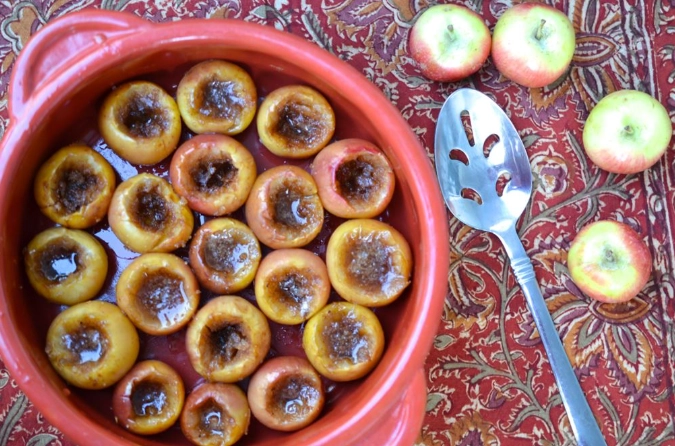
Top Tier Uses (They Excel Here)
- Apple Crisps, Crumbles, and Betties: This is their MVP application. The soft, saucy filling they create is perfect underneath a crunchy oat topping. The sweetness means you can go lighter on the sugar in the filling. Honestly, my go-to weeknight dessert is a Gala apple crisp.
- Applesauce (Baked or Stovetop): It’s almost cheating. Their natural tendency to break down into a smooth, sweet puree makes them arguably one of the best apples for homemade applesauce. No need to add much sugar at all.
- Apple Butter: Similar to sauce, the long, slow cooking process for apple butter loves apples that break down and caramelize easily. Galas are perfect candidates.
- Muffins, Quick Breads, and Cakes: When apples are diced small and folded into batter, you want them to soften completely and distribute moisture. Gala’s texture is ideal here—no hard, undercooked bits.
Good Uses (With a Little Help)
- Apple Pie (The Blended Approach): This is the answer to the pie dilemma. Are Royal Gala apples good for baking a pie? Yes, but not alone. Use them as part of a blend. I love a 50/50 mix of Royal Gala and Granny Smith. The Galas provide sweetness and create a luscious sauce, while the Grannies provide tartness and those beautiful firm slices. It’s the best of both worlds. You can also mix them with Braeburn or Honeycrisp.
- Turnovers and Hand Pies: Because the filling is enclosed, a softer, saucier texture works well. Just be careful not to overfill, as the Galas will release more juice.
- Dutch Apple Pie: The one with the crumb topping. Again, the saucy filling works wonderfully with the crumbly top.
Uses to Avoid (Save Yourself the Trouble)
- Tartes Tatin where you want distinct, caramelized wedges.
- Any recipe that specifically calls for apples to hold their shape perfectly, like an elegant apple galette with beautifully arranged slices.
Actionable Tips for Baking Success with Royal Gala Apples
Okay, you’re convinced to give them a try. Here’s exactly what to do.
- Embrace the Blend: Don’t be a purist. Pair Galas with a firmer, tarter apple. Start with a simple 1:1 ratio. Try Gala + Granny Smith, or Gala + Pink Lady.
- Adjust Your Sugar: Taste your apples first. If they’re very sweet, reduce the granulated sugar in your recipe by 2-3 tablespoons. You can always add more later, but you can’t take it out.
- Never Skip the Thickener: As mentioned, use flour, cornstarch, or instant tapioca. For a pie with a lot of Galas, lean towards the higher end of the thickener amount your recipe suggests.
- Consider Your Spices: Add a splash of lemon juice to the filling. This introduces the acidity that Galas lack and brightens the entire dish. A little lemon zest works wonders too.
- Don’t Overbake: Because they soften quickly, check for doneness a few minutes earlier than your recipe states. You’re looking for the apples to be tender, not completely dissolved.
It sounds like a lot, but once you do it once, it becomes second nature. The real question most people have after the basic one is more specific.
Your Royal Gala Baking Questions, Answered
The Final Slice: My Honest Conclusion
So, circling back to the big question: are Royal Gala apples good for baking?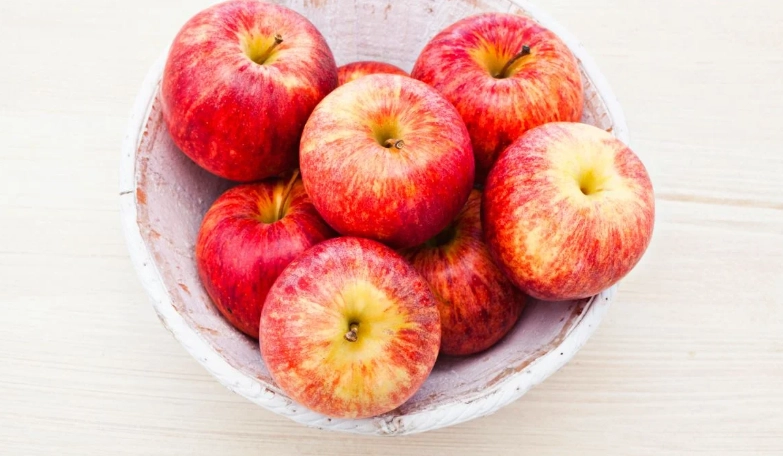
The answer is a resounding yes, with intention. They are not a universal, one-size-fits-all baking apple. Trying to force them into the role of a firm, tart pie apple will lead to disappointment. But if you understand their personality—their propensity for sweetness and their soft, yielding texture—you can make them sing in the kitchen.
Think of them as a specialist, not a generalist. They are the star of your autumn crisps, the foundation of your homemade applesauce, and the perfect sweet complement in a blended pie filling. Their availability and affordability make them a fantastic, practical choice for home bakers.
My advice? Next time you’re at the store, grab some Royal Gala apples and a couple of Granny Smiths. Try the blend. Notice how the Galas melt into a sweet base while the Grannies keep their shape. Taste the balanced flavor. That experience, more than any article, will show you exactly how good Royal Gala apples can be for baking. It’s all about playing to their strengths. Now, if you’ll excuse me, I have a Gala apple crisp in the oven that’s just about done.
For a deeper dive into the science of why different apples behave differently when heated, the food science explanations over at Serious Eats are both accessible and fascinating. It really helps cement the “why” behind all these tips.
Reader Comments