In This Guide
You know the feeling. You've got your favorite pie crust recipe ready, the cinnamon is out, and you're standing in the grocery store staring at a wall of apples. Granny Smith, Honeycrisp, Gala, Pink Lady... the list goes on. Which ones do you grab? Picking the wrong apple can turn your dream pie into a mushy, watery, or overly sweet disappointment. I've been there. My first apple pie was made with Red Delicious because they looked pretty. Big mistake. It was a bland, soggy mess. Never again.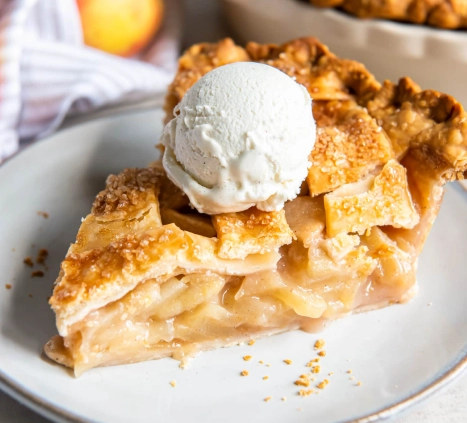
That's why we're diving deep into this. This isn't just a list. It's the *why* behind the choices. We're talking about the science of baking (but in a simple, non-scary way) and the practical feel of a good pie. Because figuring out what apples are good for pie is the single most important step to baking a great one.
Why Your Apple Choice Makes or Breaks the Pie
Think of your apple as the main actor in a movie. If it can't hold up under pressure (heat), the whole production falls apart. A great pie apple needs to bring its own character—a balance of sweet and tart—while also having a firm enough flesh to keep its shape after an hour in the oven. You don't want apple sauce in a crust. You want distinct, tender-yet-substantial slices that have absorbed all the sugar and spice.
The key factors are:
- Acidity/Tartness: This is the backbone of flavor. Tart apples cut through the sweetness of the sugar and butter, creating a balanced, complex taste. A pie made with only super-sweet apples can taste one-dimensional and cloying.
- Firmness & Cell Structure: This is the technical way of saying "will it turn to mush?" Apples with dense, firm cells (often the tarter ones) withstand baking better. They soften beautifully but maintain their integrity. The USDA and agricultural extension sites often discuss the cellular composition of different apple varieties, which directly impacts their culinary use.
- Water Content: This is the stealth culprit behind soggy bottom crusts. Apples that release too much water during baking steam the filling and drown the crust. The ideal apple releases *some* juice to mix with the sugar and thickener, creating a luscious syrup, but not a flood.
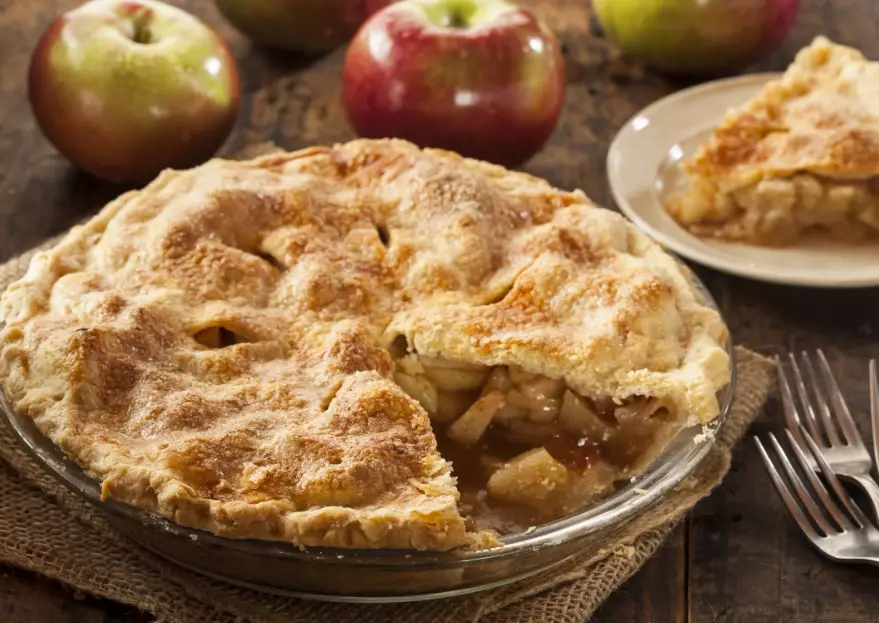
The Pie Apple Hall of Fame (And a Few to Avoid)
Based on years of baking (and yes, some failures), conversations with orchardists, and scouring resources from places like the Washington Apple Commission, here's the real-world breakdown. The best apples for pie aren't always the best for eating out of hand, and that's okay.
Top Tier: The Best of the Best
These are the champions, the varieties you can rely on to make a stellar pie all on their own.
Granny Smith: The classic for a reason. Their high acidity and rock-solid firmness make them virtually foolproof. They bake up tender but never mushy, and their tartness is a perfect canvas for sugar. Some folks find them a bit too sharp alone, which is why blending is a popular tactic.
Honeycrisp: A modern darling. They offer a fantastic balance: noticeably sweet but with enough bright acidity, and an incredible crispness that translates to a wonderful texture in pies. They are juicier, though, so you might need a touch more thickener. They're more expensive, but for a special pie, they're worth it.
Braeburn: My personal favorite for a single-variety pie. They have it all—spicy-sweet flavor, firm flesh, and they hold their shape impeccably. The flavor intensifies when baked. If you see Braeburns, grab them for pie. You won't regret it.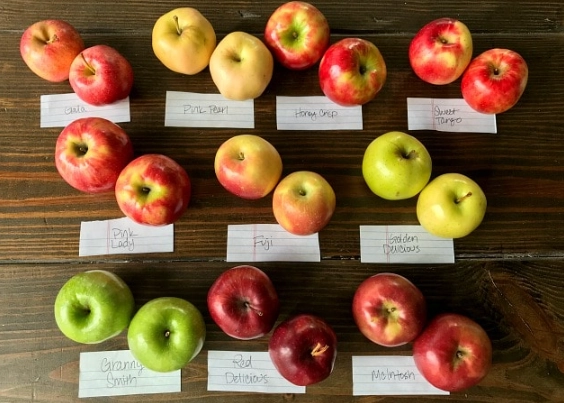
Excellent Support Players (Best for Blending)
These apples are fantastic but often shine brightest when paired with one from the top tier. This is the secret of many professional bakers.
Jonathan / Jonagold: Jonathan are tart and aromatic. Jonagold (a Jonathan-Golden Delicious cross) is a bit sweeter and milder. Both have good structure for baking and contribute lovely flavor complexity.
Northern Spy: If you can find it, this heirloom is considered a gold standard by many pie purists. Intensely tart, firm, and fragrant. It's becoming rarer, so snap it up at a farmers market if you see it.
Pink Lady (Cripps Pink): Another great balance apple. Tartness up front with a sweet finish, and very firm. They bake beautifully and keep a nice shape. A solid choice if Granny Smith is too sour for your taste.
Proceed with Caution (The Risky Ones)
These are the apples that make you ask, "what apples are good for pie?" because using them solo can lead to trouble. They're not *bad*, they just need a strategic approach.
McIntosh: Incredible, perfumed flavor when raw. But they cook down to a soft, almost applesauce-like texture very quickly. If you love their flavor, use them *mixed* with a firmer apple (like 1 part McIntosh to 2 parts Granny Smith).
Golden Delicious: Mild, sweet, and soft. They can become formless in a long bake. They work well as a sweetener in a blend but lack the tartness and structure to carry a pie alone.
Red Delicious: Just don't. I'll be blunt. They are bred for looks and shelf life, not flavor or cooking. Their flesh is mealy, and they lack acidity. They will disappoint you. Save them for the lunchbox.
The Ultimate Apple-for-Pie Comparison Table
Let's put this all together. This table is your quick-reference cheat sheet next time you're shopping.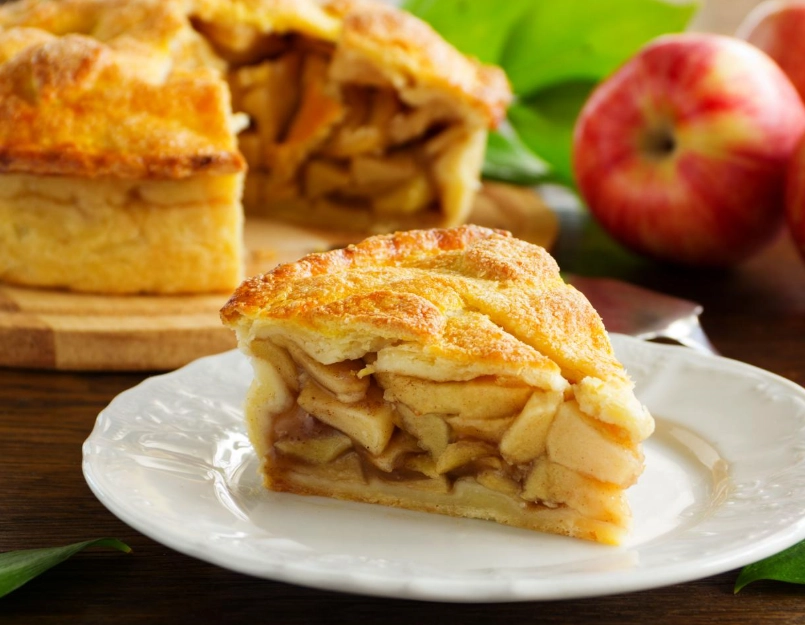
| Apple Variety | Flavor Profile | Texture When Baked | Best Used As... | My Personal Rating for Pie |
|---|---|---|---|---|
| Granny Smith | Very tart, crisp, clean | Holds shape perfectly, tender | Base apple, especially in blends | 9/10 (The reliable workhorse) |
| Honeycrisp | Sweet-tart, explosively juicy | Holds shape well, remains distinct | Solo star or sweet component in a blend | 9.5/10 (Flawless but pricey) |
| Braeburn | Spicy-sweet, complex | Excellent shape-holder, firm | The ideal solo pie apple | 10/10 (My top pick if available) |
| Jonagold | Balanced honey-tart | Softens but keeps some form | Flavor enhancer in a blend | 8/10 (Great team player) |
| Pink Lady | Tart then sweet, firm | Very good structure | Great solo or in a blend | 8.5/10 (A very close second) |
| McIntosh | Floral, aromatic, tender | Breaks down into soft sauce | Flavor booster (use max 1/3 of total) | 6/10 (Only for blending) |
| Golden Delicious | Mild, sweet, simple | Can become mushy | Sweetener in a firm-apple blend | 5/10 (Needs help) |
Beyond the Variety: Your Pie-Baking Game Changers
Okay, so you've chosen your apples. The work isn't over. How you treat them is just as crucial. Here are the non-negotiable tips that bridge the gap between good and legendary pie.
The Magic of the Two-Apple Blend
This is the single best piece of advice I ever received. Using two different types of apples creates a depth of flavor and a more interesting texture that a single variety just can't match. It's like a cocktail for your pie.
A classic, unbeatable combination is 2/3 firm-tart apple (like Granny Smith or Braeburn) + 1/3 aromatic or sweeter apple (like Honeycrisp or Jonagold). The firm apple provides the structure, the sweeter apple adds complexity and juice. Try it once, and you'll never go back.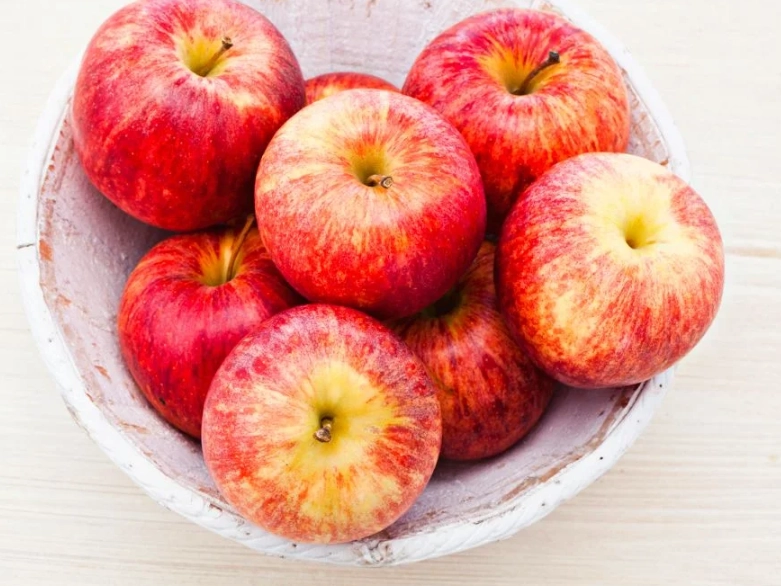
Thickening Agents: Cornstarch vs. Flour vs. Tapioca
Remember that water content we talked about? This is how you manage it. You need a thickener to absorb the released juices and create a glossy, sliceable filling, not a runny one.
- Cornstarch: My go-to. It creates a very clear, glossy filling. It thickens at a higher temperature, so your pie needs to bubble in the center to activate it fully. Use about 1 to 1.5 tablespoons per pound of apples.
- Flour: More traditional, easier to find. It can create a slightly cloudier, more opaque filling with a "paste-like" texture if overused. It's also less potent, so you need more (about 2 tbsp per pound).
- Instant Tapioca/Minute Tapioca: Loved by many. It creates juicy fillings with distinct, pleasant little "pearls" of texture. You need to grind it into a powder first (a spice grinder works) to avoid weird globs. About 1.5 tbsp per pound.
Pre-Cooking the Filling? A Controversial Take.
Some bakers swear by pre-cooking their apple filling on the stovetop for a few minutes. The argument is that it drives off excess moisture upfront, prevents the dreaded "filling shrink" (where a tall pile of raw apples cooks down to leave a big gap), and allows you to control the syrup perfectly.
I've tried it. It works, especially for very juicy apples. But you know what? I often skip it. I love the simplicity of the dump-and-go method—tossing raw slices with sugar, spices, and thickener and piling them into the crust. It feels more authentic to me, and I don't mind a little shrinkage; it feels homemade. If you're a perfectionist or using super-juicy apples, pre-cooking is a brilliant trick. For a weeknight pie, the classic method is just fine.
Your Questions About What Apples Are Good for Pie, Answered.
The Final Slice: Trust Your Instincts
Look, at the end of the day, the best apples for pie are the ones that make a pie *you* love to eat. All this talk of acidity, firmness, and blends is just a roadmap to consistency and avoiding common pitfalls. If you adore the taste of a pure Honeycrisp pie, make it! Just know you might need that extra thickener. If you only have Galas, use them and add a bit of lemon zest to perk things up.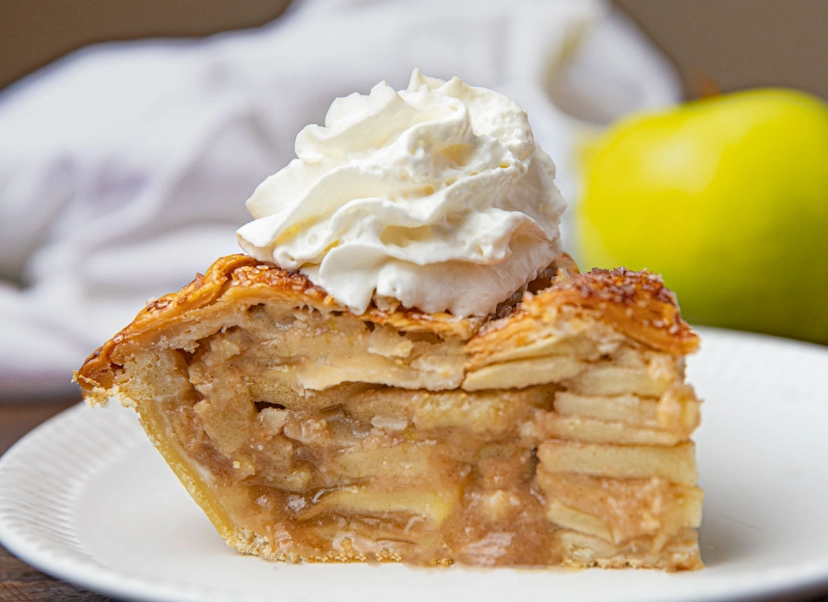
The core truth—pun intended—is that understanding what apples are good for pie empowers you. It turns a guessing game at the store into a confident choice. It transforms a recipe from a set of instructions into a flexible template you can make your own.
Start with a classic blend like Granny Smith and Honeycrisp. Nail that. Then branch out. Try an all-Braeburn pie. Experiment with a dash of cardamom instead of just cinnamon. The resources from agricultural bodies like the University of Minnesota Extension have great, scientifically-backed info on apple varieties and their uses, which can help guide your experiments.
So go grab some apples. The ones that feel heavy for their size, with taut skin. Mix a tart one with a sweet one. Don't stress too much. Get that pie in the oven. Your kitchen is about to smell incredible, and you're about to learn exactly what apples are good for *your* pie.
Reader Comments