Quick Navigation
- The Anatomy of a Perfect Asparagus Spear
- Green, White, and Purple: A Colorful Family
- What Does FRESH Asparagus Look Like? (The Buyer's Guide)
- From Garden to Plate: How Appearance Changes
- Beyond the Spear: Look-Alikes and Oddities
- Your Asparagus Look-Up Questions, Answered
- Putting It All Together: Your Mental Checklist
So you're standing in the grocery store, or maybe you're scrolling through a recipe, and the question pops into your head: what does asparagus look like, really? It seems simple, right? It's those green stalks. But then you see white ones, or maybe fat ones next to skinny ones, and suddenly it's not so straightforward.
I remember the first time I bought asparagus on my own. I grabbed the bunch with the thickest spears, thinking bigger meant better. Turns out, I had no idea what I was looking for. The bottoms were woody and impossible to chew, and the tips were starting to look a bit sad. Not a great start.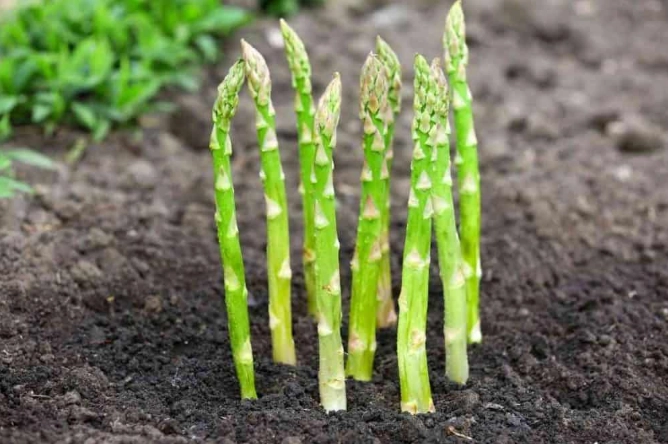
Let's fix that. This isn't just a one-line description. We're going to dig deep into the anatomy of an asparagus spear, from its iconic tip down to its tough heel. We'll look at the different colors you can find (green is just the beginning), how to spot the good stuff from the past-its-prime stuff, and even what happens to its looks when you cook it. By the end, you'll be an asparagus spotting pro.
The Anatomy of a Perfect Asparagus Spear
To truly answer "what does asparagus look like," we need to break it down, piece by piece. Think of it like getting to know a new friend—you start with the overall impression, then notice the details.
At its most basic, asparagus is a long, slender spear or stalk. It's not a stick, though. It has character. The whole thing grows from a crown underground, and what we eat is the young, tender shoot that pops up in spring. If you let it keep growing, it turns into a tall, ferny plant, but we catch it long before that stage.
The Crown (The Tasty Top)
This is the best part, hands down. The tip, or crown, is a cluster of tiny, budding scales that are tightly closed on a fresh spear. This is where all the growth action is, and it's the most tender, flavorful section. When you're trying to figure out what does fresh asparagus look like, you stare right here. The buds should be firm, compact, and completely closed. If they've started to loosen, separate, or—worst case—flower, that asparagus has been hanging around too long. It'll be tougher and more bitter.
Color-wise, the tip is often a slightly deeper or more vibrant shade than the stalk. On green asparagus, it might be a darker emerald or even have a purplish tinge.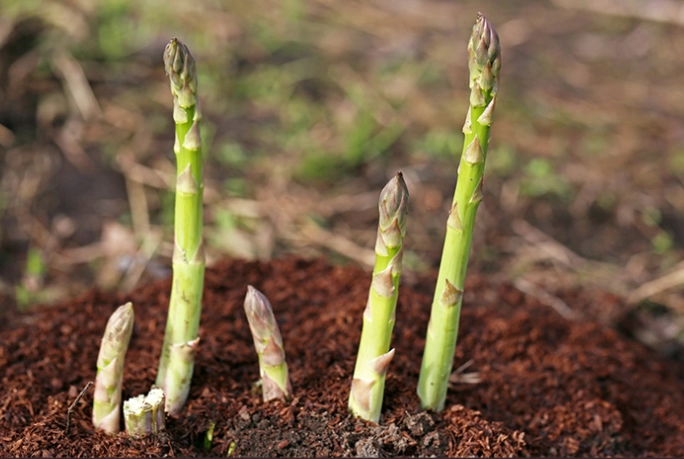
The Stalk (The Main Event)
The stalk is the long body. It should be straight(ish)—a gentle curve is fine, but severe bends can mean mishandling. The surface is smooth but not glossy. It has subtle ridges running lengthwise. The thickness varies wildly, from pencils-thin to almost thumb-thick. This leads to a big debate: thick vs. thin spears. Which is better? Honestly, it's mostly about preference and what you're cooking. Thicker spears are meatier and great for roasting or grilling. Thinner ones cook lightning-fast and are perfect for stir-fries. Neither is inherently better or fresher.
The color should be consistent along most of the stalk. For green asparagus, aim for a bright, grassy green, not a dull olive or yellowing hue.
The Base (The Tricky Bit)
Here's where many people get tripped up. The very bottom of the stalk, where it was cut from the crown, is almost always tough and woody. It's like the stem end of a flower. You don't want to eat this part. It looks drier and often paler or whiter than the rest of the stalk. The key is that it should look cleanly cut, not shredded or split.
How do you know how much to cut off? The classic test is to bend the spear near the bottom. It will snap naturally at the point where the tough part meets the tender part. It's surprisingly satisfying. For a bunch, just line up the spears and trim off the bottom inch or two with a knife.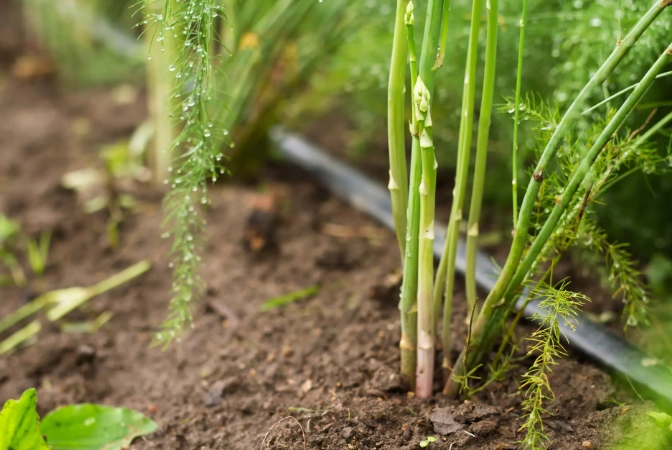
Green, White, and Purple: A Colorful Family
If you only know green asparagus, you're in for a surprise. The question "what does asparagus look like" has three major answers, and it all comes down to how it's grown.
| Type | What It Looks Like | How It Gets That Way | Taste & Texture Notes |
|---|---|---|---|
| Green Asparagus | The classic. Bright to deep green spears with purple-tinged, closed tips. The most common type. | Grown exposed to sunlight, which triggers chlorophyll production (that's the green). | Grassy, vegetal, slightly bitter. Standard asparagus flavor. Texture ranges from tender-crisp to juicy. |
| White Asparagus | Ivory to pale yellow spears, often thicker, with tightly closed, pale tips. The stalks are sometimes tinged with pink or violet. | Mounded with soil as it grows to block all sunlight (no chlorophyll = no green). It's essentially etiolated. | Milder, less bitter, slightly nutty or sweet. The stalks are more tender but often have a thicker, fibrous peel that must be removed. |
| Purple Asparagus | Striking deep purple or burgundy spears, especially at the tips. The color can fade toward the base. | Contains anthocyanins (antioxidants that give blueberries their color). Sun exposure enhances the purple. | Remarkably sweet, almost fruity, with very low fiber. It turns green when cooked, which is a bit of a magic trick. |
White asparagus is a big deal in Europe, especially Germany. It's so tender it almost feels different. But here's a personal take: peeling white asparagus is a chore. You absolutely must do it with a vegetable peeler from the tip down, or you'll be chewing strings. It's worth it, but it's extra work.
Purple asparagus is my favorite for looks. It's stunning on a plate raw or lightly cooked. But that color is fleeting. Heat transforms it to green, so if you want the purple show, eat it raw in salads or barely blanch it.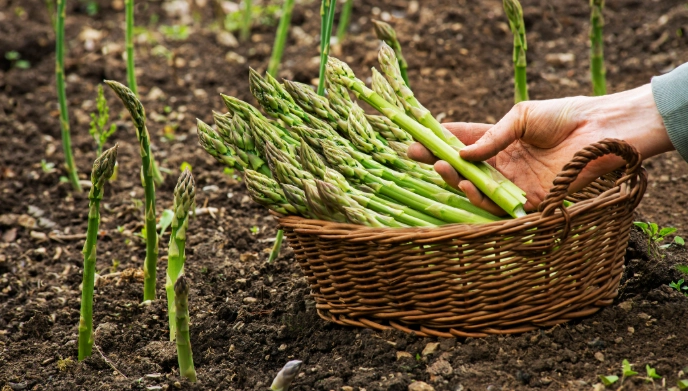
What Does FRESH Asparagus Look Like? (The Buyer's Guide)
This is probably the most practical reason you're asking what asparagus looks like. You want to pick the good bunch. Here’s exactly what to look for, and just as importantly, what to avoid.
The Hallmarks of Freshness
- Tight, Closed Tips: This is rule number one. The bud scales at the tip should be layered snugly together, like a pointed bud. No spreading, no feathering.
- Firm, Snappy Stalks: The spears should be firm and taut, not limp or rubbery. They should snap crisply when bent. A little flexibility is okay, but they shouldn't droop over your finger.
- Vibrant, Consistent Color: Green should be bright, not faded or yellowish. Avoid stalks with wrinkled skin or deep grooves.
- Moist, Not Soggy, Ends: The cut ends should look moist and fresh, sometimes even slightly glistening. They shouldn't be dried out, cracked, or slimy. Many stores stand bunches in a little water to keep them fresh—a good sign.
- Size Consistency (within a bunch): It's helpful if the spears in a bunch are roughly the same thickness. It makes for even cooking.
Red Flags: When to Walk Away
- Open or Flowering Tips: If the tip looks loose, fuzzy, or has tiny yellow flowers, it's over-mature. It will be tough and bitter.
- Wilted or Limp Stalks: This is a sign of age or dehydration. No amount of ice water will bring back perfect crispness.
- Yellowing or Wrinkling: Yellow stalks are past their prime. Wrinkled skin indicates moisture loss.
- Slime or Mold: Check where the bunch is banded together, especially at the cut ends. Any slippery feel or visible mold means it's spoiled.
- Extremely Thick, Woody Bases: If the bottom third looks overly thick, white, and dry, you'll be wasting a lot of it.
Trust your senses. Look, then gently squeeze. Fresh asparagus has a certain vitality to it.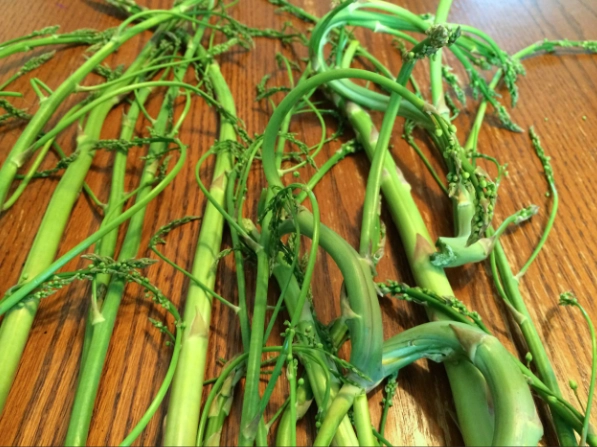
From Garden to Plate: How Appearance Changes
The look of asparagus isn't static. It changes from field to store, and most dramatically, in your kitchen. Let's track that journey.
In the Field
If you're ever lucky enough to see asparagus growing, it's fascinating. The spears pop straight up from the ground, looking like alien fingers. They're harvested by hand when they're about 6 to 10 inches tall. At this stage, they're at their absolute peak—super crisp, with tips so tight you can barely see the scales. The color is intense. This is the gold standard for what does asparagus look like at its best. Resources from university agricultural extensions, like those from the University of Minnesota Extension, have great photos of commercial asparagus production.
After Harvest (Storage)
This is where time works against it. Asparagus is highly perishable. It loses moisture fast, which is why the ends are re-cut and it's often stored upright in water. Even under ideal conditions, the tips slowly begin to loosen, and the stalks can lose their firmness. Storing it correctly—wrapped in a damp towel in the fridge, ends down in a jar of water—is crucial to slow this visual (and textural) decline.
During and After Cooking
Heat transforms it. This is key to understanding the full picture of what asparagus looks like.
- Color: Green asparagus becomes a brighter, more vibrant green when briefly cooked (blanching, steaming). But overcook it, and that beautiful green turns to a drab, army olive. It's a sure sign you've gone too far. Purple asparagus, as mentioned, loses its purple hue and turns green. White asparagus stays pale but can become translucent.
- Texture: The firm stalk softens. Perfectly cooked asparagus is tender but still has a slight bite (al dente). Overcooked asparagus becomes mushy and limp—it'll droop sadly if you try to pick it up.
- Size: It shrinks a little as water evaporates.
My go-to method for preserving color and texture? A quick blanch in salted boiling water for 90 seconds to 3 minutes (depending on thickness), then straight into an ice bath. It locks in that bright green and perfect crunch.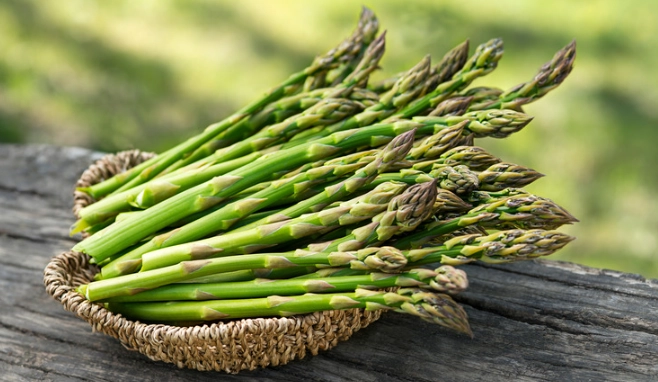
Beyond the Spear: Look-Alikes and Oddities
Sometimes, you might see something that makes you ask, "Is that asparagus?" Let's clear up some confusion.
Wild Asparagus: It looks like a skinnier, often more twisted and deeply green version of its cultivated cousin. The spears are thinner and the flavor is more intense, sometimes more bitter. Foraging guides, like those from the USDA Forest Service, can help with identification, but be 100% sure before eating any wild plant.
Asparagus Fern (Ornamental): This is a common houseplant. It has feathery, soft, needle-like leaves and is related to edible asparagus, but it's not for eating. It produces small, inedible berries. Don't confuse the two!
White vs. Pale Green Asparagus: Sometimes green asparagus that hasn't seen enough sun can be pale. It's not true white asparagus. True white asparagus is grown completely underground and is uniformly ivory-colored.
That One Weird, Giant Spear: Occasionally, you'll find a spear that's way thicker than the others in the bunch, with a huge, almost comical tip. This is just a faster-growing shoot from the crown. It's not bad, but the texture might be a bit woodier in the center. I usually peel the lower half of these giants to be safe.
Your Asparagus Look-Up Questions, Answered
Putting It All Together: Your Mental Checklist
So, the next time you're faced with a pile of asparagus, either at the store or on your cutting board, here's your instant mental guide to answering "what does asparagus look like" in a useful way:
- Scan the Tips: Closed and tight? Good. Open or feathery? Put it back.
- Check the Stalks: Firm and snap-worthy? Bright, consistent color? Yes and yes.
- Eye the Ends: Moist, not dry or slimy.
- Consider the Color: Green for classic flavor, white for mild delicacy (remember to peel!), purple for sweet rawness.
- Embrace Variety: Thin for quick-cooking, thick for roasting. Neither is "wrong."
Understanding what asparagus looks like is the first step to cooking it well and enjoying it fully. It's a sign of the season, a versatile veggie, and once you know what to look for, you'll never bring home a disappointing bunch again.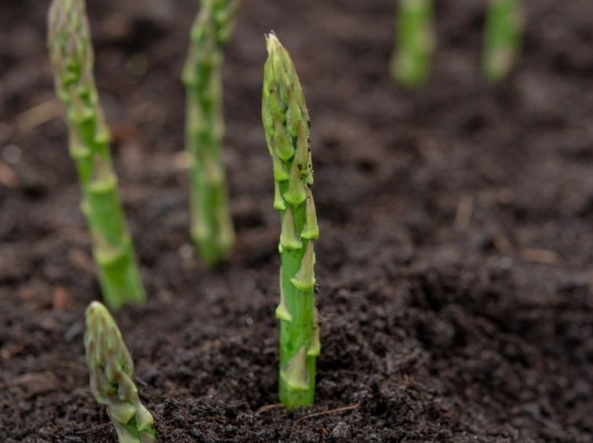
Go find some good spears. Maybe try a color you haven't before. And don't overcook it!
Reader Comments