Quick Guide
- Forget Everything You Think You Know: Picking the Right Apple
- The Ultimate Pie Apple Showdown: A Detailed Breakdown
- Before the Oven: The Critical Prep Work Everyone Skips
- The Main Event: Techniques for Baking Apples for Pie
- Answering Your Pie-Baking Dilemmas
- Putting It All Together: A Simple, Foolproof Workflow
Let's be honest. The internet is full of pie recipes. Thousands of them. But you know what I've found? The real magic, the thing that separates a good pie from a "can I have the recipe?" pie, almost never starts with the crust or the sugar. It starts way before that. It starts in the orchard, at the grocery store, in that moment you're staring at a pile of fruit wondering, "Which one of these is actually good for baking apples for pie?"
I learned this the hard way. Early in my baking days, I grabbed the prettiest, shiniest apples I could find. The result? A pie with a beautiful, flaky crust... and a filling that was a sad, mushy, flavorless pool. It was a culinary tragedy. That failure sent me down a rabbit hole, talking to orchardists, testing batch after batch, and realizing that baking apples for pie isn't just a step—it's a philosophy.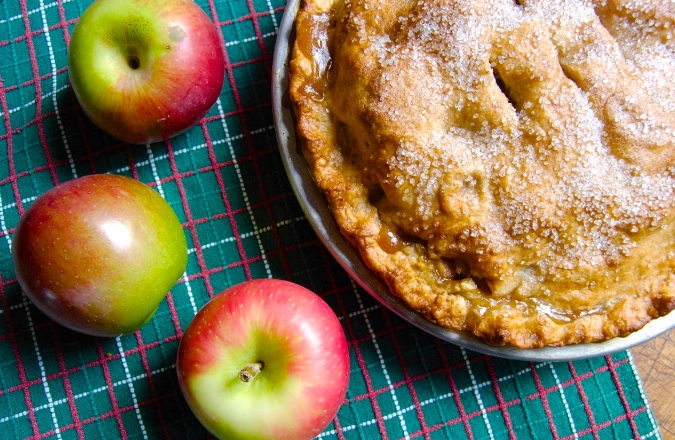
So, if you're tired of guessing, if you're done with soggy bottoms and bland fillings, you're in the right place. This isn't just another recipe list. We're going to get into the why behind the how.
Forget Everything You Think You Know: Picking the Right Apple
This is the single most important decision you'll make. Get this wrong, and you're fighting an uphill battle. The perfect pie apple needs to walk a tightrope. It must be firm enough to hold its shape through a long bake, but not so hard it's crunchy. It needs a balance of sweet and tart to create a complex flavor, and it should have just the right amount of pectin to help the filling set without turning to glue.
You'll see a lot of lists out there. But they often just throw names at you. Let's break down what really matters when you're selecting apples for baking apples for pie.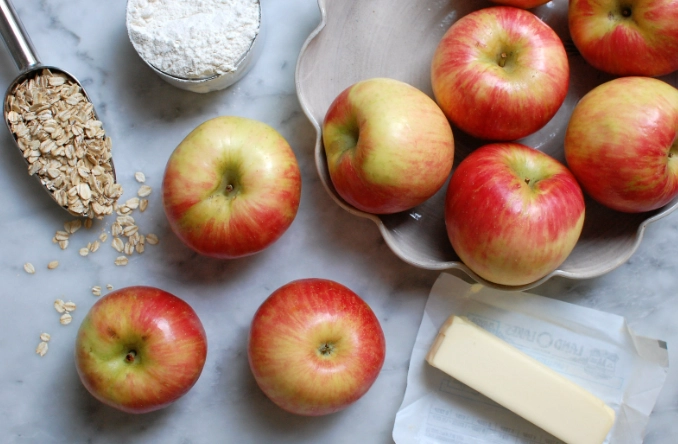
The Texture Spectrum: From Mush to Rock
Texture is king. When heat hits an apple, its cell walls break down. Some apples surrender immediately, turning to sauce. Others put up a noble fight, softening just enough while keeping their integrity. You want the fighters.
High-starch, dense-fleshed apples are your best friends. They have structure. Low-starch, watery apples? They're the reason for soupy fillings. A great resource for understanding the science of fruit texture comes from the U.S. Department of Agriculture, which classifies fruits based on their post-harvest physiology. While not apple-specific, it underscores why structure matters so much when heat is applied.
So, which ones are the workhorses?
The Flavor Dance: Sweet vs. Tart
Flavor is queen. A one-note sweet apple makes a one-note, cloying pie. You need acidity to cut through the butter and sugar, to make the flavor sparkle. Think of it like a good cocktail—balance is everything.
Many of the classic baking apples bring that necessary tartness. But here's a pro-tip: don't be afraid to mix. Using two or even three different varieties is the secret weapon of many professional bakers. One for structure, one for tart punch, one for floral notes. It creates a much more interesting filling.
The Ultimate Pie Apple Showdown: A Detailed Breakdown
Alright, let's get to the names. I've compiled this based on availability, performance, and my own (sometimes disastrous) kitchen experiments. This table isn't just a list; it's your cheat sheet.
| Apple Variety | Texture (When Baked) | Flavor Profile | Best For... | My Personal Take |
|---|---|---|---|---|
| Granny Smith | Firm, holds shape excellently | Very tart, crisp, clean | The classic choice; provides great structure and tang. Often needs extra sugar. | A reliable anchor. Can be a bit one-dimensional alone, but it's a fantastic base for a blend. |
| Honeycrisp | Holds shape surprisingly well, juicy | Intensely sweet with mild acidity | Those who prefer a sweeter, juicier pie. Adds great moisture. | Popular for a reason. Sweet enough that you can often reduce added sugar. Pricey, but consistent. |
| Braeburn | Firm, softens nicely but keeps form | Perfect sweet-tart balance, spicy notes | The "goldilocks" apple—not too tart, not too sweet. Excellent solo performer. | My personal favorite for an all-in-one apple. Its spicy aroma while baking is incredible. |
| Jonagold | Tender, breaks down slightly | Rich, honeyed sweetness with a tang | Creating a filling with body that's not too chunky. Great in blends. | A fantastic mixer. It almost creates its own sauce around firmer apple chunks. |
| Northern Spy | Exceptionally firm, classic baker | Tangy, complex, aromatic | The traditionalist's dream. The holy grail for many pie purists. | Harder to find, but worth the hunt. It gives that perfect, distinct apple slice in every bite. |
| Golden Delicious | Soft, can become mushy | Very mild, sweet, buttery | Those who dislike tartness. Best used in a mix for sweetness. | I'm not a huge fan for pie. It tends to vanish into sweet mush. Use sparingly as a sweetener. |
| Pink Lady (Cripps Pink) | Very firm, holds shape superbly | Bright tartness with a sweet finish | A modern, reliable choice with great looks and performance. | Consistently good. Holds up so well it's almost foolproof for beginners. |
See that last column? That's the stuff you usually have to learn from experience. For instance, the Washington Apple Commission provides great grower information on varieties like Honeycrisp and Pink Lady, confirming their firmness and storage qualities—key traits for baking.
The big takeaway?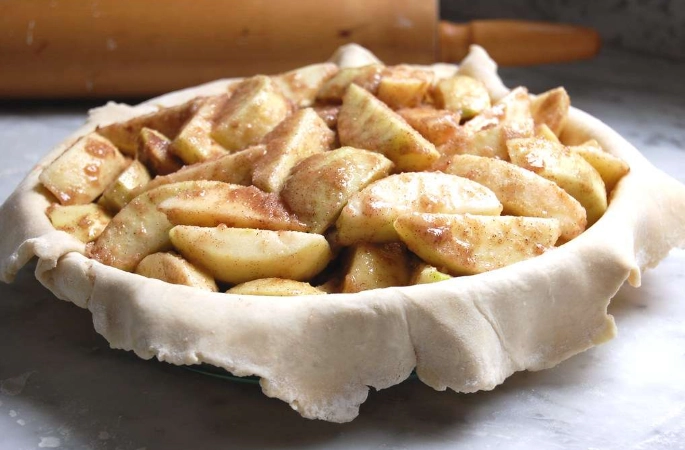
For a safe, fantastic pie, you can't go wrong starting with a blend of Granny Smith (for structure and tartness) and Honeycrisp or Braeburn (for sweetness and complexity). It covers all your bases.
Before the Oven: The Critical Prep Work Everyone Skips
You've got your apples. Now what? Do you just slice and toss? If you want to avoid a soggy crust, the answer is a resounding no. The moisture inside apples is the enemy of a crisp bottom crust. We need to manage it.
To Precook or Not to Precook? (Spoiler: You Should)
This is the most debated topic in pie circles. Raw apple fans say it preserves texture. I used to be one of them. Then I made a pie where the apples shrank so much they left a giant gap between the filling and the top crust. It was heartbreaking.
Precooking your apples—often called "par-cooking"—solves multiple problems:
- Controls Juice: You cook off a lot of the excess water upfront, so it doesn't leak into your crust during baking.
- Prevents the Gap: Apples shrink when cooked. If they shrink in the pie, you get a cavity. If they shrink in a pan first, you can pack the pie full of already-shrunken fruit.
- Even Cooking: Ensures every piece is tender at the same time.
My method? Sauté the sliced apples in a big skillet with a bit of the recipe's butter and sugar for just 5-7 minutes. You're not cooking them through, just sweating them. You'll be shocked at how much liquid comes out. Drain that liquid, reduce it in the pan to a syrup, and toss it back with the apples. Flavor bomb, moisture managed.
The Thickener Dilemma: Flour, Cornstarch, or Tapioca?
Even after precooking, you'll need a thickener for the remaining juices. This is another make-or-break choice.
- All-Purpose Flour: Traditional, easy. Can give a slightly cloudy, pasty feel if overused. I find it needs a higher quantity.
- Cornstarch: Powerful, clear. Sets very firmly when cool. Can break down and get watery if the pie is reheated or baked too long. It's a bit finicky.
- Instant Tapioca (Minute Tapioca): My champion. It creates a clear, glossy set that holds up to heat and reheating beautifully. It doesn't mask the apple flavor. You grind it into a powder first (a coffee grinder is perfect).
If you're new to baking apples for pie, try instant tapioca. It's more forgiving. The science behind starch gelatinization, which is what thickeners do, is well-documented by food science resources, and tapioca's high tolerance to acidic ingredients (like apples) makes it a standout.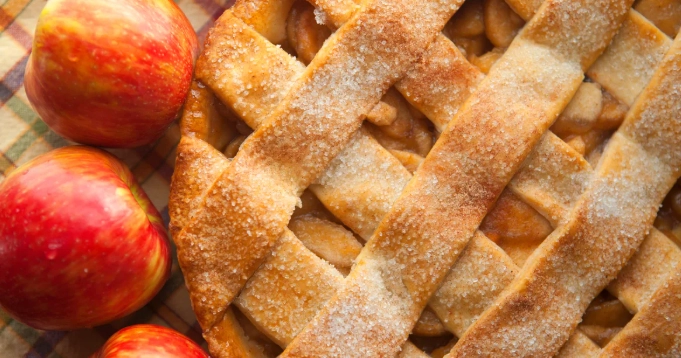
The Main Event: Techniques for Baking Apples for Pie
Now for the bake itself. You've prepped like a pro. Here's how to finish the job.
Temperature and Time: Low and Slow vs. Hot and Fast
There are two schools of thought, and I've tested both extensively.
Method 1: High Heat Start (425°F for 20 min), then Reduce (375°F for 40-60 min). This aims to set the crust quickly before the filling has a chance to soak it. It works well, especially with a good pre-cook.
Method 2: Steady Moderate Heat (375°F for 75-90 minutes). This is gentler, allowing the apples to soften and the flavors to meld slowly. I prefer this method now. It feels less frantic, and I get more consistent browning without the crust edges burning.
The truth? Both work. If your oven runs hot, lean towards the steady bake. If you didn't pre-cook, maybe try the high-heat start to save your bottom crust.
How to Know When It's Actually Done
The wobble test is your best friend. Don't rely on time alone. At the end of baking, give the pie a gentle shake. The filling should have a slight, jiggly movement in the center, not a liquidy slosh. Think Jell-O, not soup. The crust should be deeply golden brown.
This is non-negotiable.
If the crust is browning too fast, use a pie shield or strips of foil around the edges. Under-baked filling is the #1 cause of a pie that collapses into a puddle when sliced.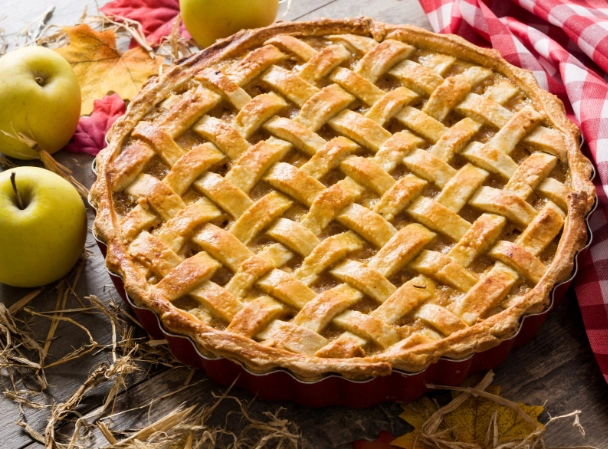
Answering Your Pie-Baking Dilemmas
What happens if I don't precook the apples?
You risk a soggy bottom crust, massive shrinkage creating a top-crust gap, and uneven cooking where some apples are crunchy and others are mush. It's a gamble. With firm apples and perfect baking, you can get away with it, but why risk it?
Can I use store-bought pre-sliced apples?
I wouldn't. They're often treated with preservatives to prevent browning, which can affect texture and taste. The slicing is also often too thick or uneven. The 10 minutes it takes to slice your own is worth it.
My pie filling is always watery. What am I doing wrong?
Triple-check this list: 1) Did you use a soft, watery apple like Red Delicious? 2) Did you skip the precooking step? 3) Did you use enough thickener? 4) Did you let the pie cool completely (at least 4 hours)? The thickener sets as it cools. Cutting into a warm pie is a recipe for a runny mess.
Can I prepare the filling ahead of time?
Yes, but with a caveat. You can slice and precook the apples, let them cool, and store them in the fridge for a day. But don't add the thickener until you're ready to assemble and bake. The thickener can break down in the acidic apples if left sitting.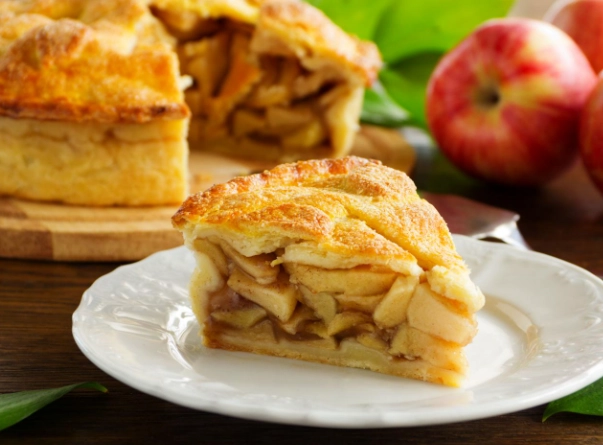
Putting It All Together: A Simple, Foolproof Workflow
Let's distill this mountain of info into a simple action plan.
- Choose Your Fighters: Grab 2-3 lbs of a firm, tart apple blend (Granny Smith + Braeburn is a winner).
- Prep Aggressively: Peel, core, and slice into consistent 1/4-inch slices. Toss with a little lemon juice.
- Take Control of Moisture: Sauté slices in a skillet until slightly flexible and juices release. Drain, reduce juice to syrup, recombine.
- Thicken with Confidence: Let cool slightly, then toss with sugar, spices, and your chosen thickener (I vote for 3-4 tbsp of ground instant tapioca).
- Bake with Patience: Assemble pie. Bake at 375°F on a lower oven rack until the crust is gold and the center jiggles slightly (75-90 min). Use a crust shield if needed.
- The Hardest Step: Let it cool completely on a wire rack. Walk away. For at least 4 hours. This lets the filling set into sliceable perfection.
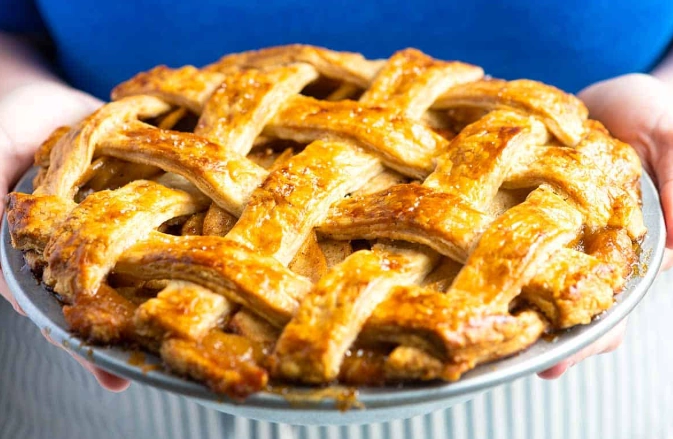
Baking apples for pie is an exercise in patience and control. You're taming the fruit's natural tendencies to create something greater than the sum of its parts. It's not about finding one perfect apple or one secret trick. It's about understanding the process—from selecting the right variety with the structural integrity to survive the oven, to managing moisture every step of the way.
Start with a good, firm apple. Don't be afraid to precook. Choose a reliable thickener. And for the love of flaky crust, let it cool. Do these things, and your next pie won't just be good. It'll be the reason people start inviting themselves over.
Reader Comments