Quick Navigation
- Why Bother? The Case for Roasting Your Own Squash Seeds
- The Foundation: Preparing Your Seeds for Greatness
- The Main Event: How to Roast Squash Seeds Perfectly
- Beyond Basic: Flavor Ideas for Your Roasted Squash Seeds
- Nutrition & Storage: Making the Most of Your Snack
- Troubleshooting Your Roast Squash Seeds
- The Bigger Picture: Seeds and Sustainability
Let's be honest. How many times have you scooped out the guts of a pumpkin or butternut squash, looked at that slimy, seed-filled mess, and just thrown it straight into the compost or trash? I used to do it every single time. It felt like the obvious thing to do. That stringy pulp is a pain to deal with, and who has the time to separate all those tiny seeds?
Well, I'm here to tell you that you've been throwing away culinary gold. The best, most addictive snack is hiding right there in your vegetable scrap bowl. Learning how to properly roast squash seeds turned a weekly chore into a treat I genuinely look forward to. It's not just about pumpkin seeds in October—every squash, from acorn to spaghetti, has a treasure trove waiting to be unlocked.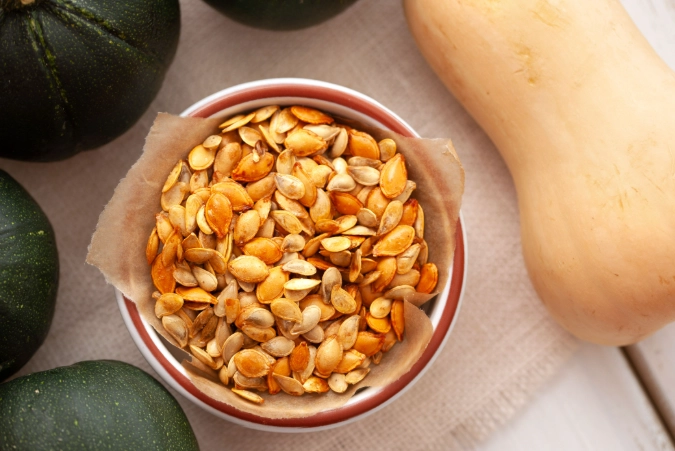
This isn't about following a single, rigid recipe. It's about understanding the process. Once you get that down, you can make a perfect batch of roasted squash seeds from any winter squash, every single time. And you can flavor them a hundred different ways.
Why Bother? The Case for Roasting Your Own Squash Seeds
You can buy roasted pumpkin seeds (pepitas) at the store. So why go through the hassle?
First, cost. You're literally creating a snack from something you were going to throw away. That's the ultimate win. Second, taste. Freshly roasted squash seeds, still warm from the oven, have a flavor depth and crispiness that bagged, shelf-stable seeds can't touch. They taste vibrant.
Then there's the health angle. Squash seeds are little powerhouses. They're a great source of plant-based protein, magnesium (which most of us don't get enough of), zinc, and healthy fats. When you roast them yourself, you control the oil and salt. No weird preservatives or excessive sodium.
And finally, it just feels good. There's a small, satisfying sense of accomplishment in turning waste into something delicious. It connects you to your food in a simple, tangible way.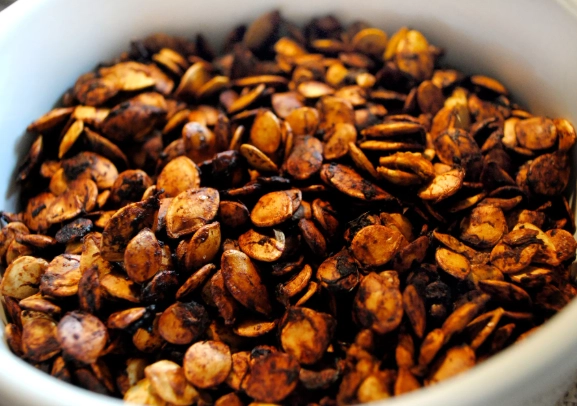
The Bottom Line: Roasting squash seeds is easier than you think, saves money, results in a healthier and tastier snack, and reduces food waste. It's a habit that pays off every time you cook a squash.
The Foundation: Preparing Your Seeds for Greatness
This is the step that intimidates people. It looks messy. It is messy. But it's a forgiving, simple mess. The goal is to get the seeds as clean and dry as possible before they hit the oven. How you do this directly impacts your final crunch.
The Great Separation: Pulp vs. Seed
After you cut open your squash and scoop out the seed mass, don't panic. Dump it all into a large bowl of cold water. This is the game-changer. The seeds float, and the heavy, stringy pulp sinks. Start pulling out clumps of seeds. They'll still have some pulp attached—that's fine.
Now, here's my preferred method, born from frustration with sticky fingers: don't try to pick every last bit of pulp off each seed at this stage. It's a fool's errand. Instead, put the mostly-separated seeds in a colander. Run cold water over them and use your fingers to gently rub them against the mesh of the colander. The water pressure and friction will wash away about 90% of the remaining pulp.
Pro Tip: A little bit of orange pulp left on won't ruin your roast squash seeds. It might even caramelize and add a hint of sweetness. Don't stress about surgical-level cleanliness.
Some people swear by boiling the seeds in salted water for 10 minutes before roasting. Proponents say it makes the shells easier to digest and helps the salt penetrate. I've tried it. Honestly? For me, it's an extra step that doesn't justify the payoff. It can also make the seeds steam in the oven instead of roast, risking a chewy texture. I'm team dry-roast all the way.
The Non-Negotiable: Drying Thoroughly
This is the secret step most recipes gloss over. If you put wet seeds in oil, the oil won't coat them properly. You'll get steamed, soggy seeds. The enemy of crispiness is moisture.
After rinsing, spread the seeds out in a single layer on a clean kitchen towel or a stack of paper towels. Pat them dry. Then, let them air-dry for at least an hour, or even overnight. You want the outer shell to feel dry to the touch. I sometimes spread them on a baking sheet and leave them on the counter for a few hours while I do other things.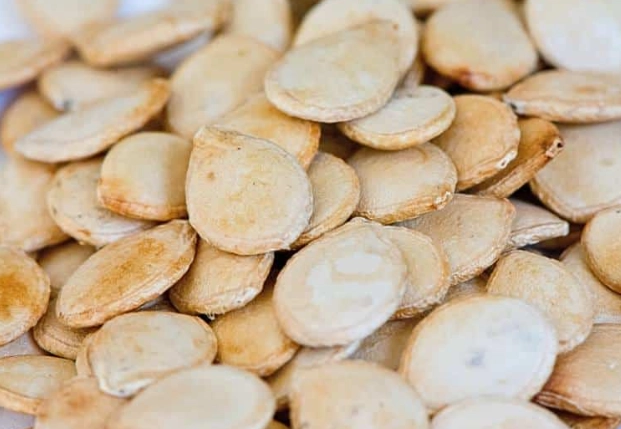
Common Mistake: Skipping the dry time and dumping damp seeds into oil. This is the number one reason homemade roasted squash seeds turn out chewy instead of crunchy. Patience here is key.
The Main Event: How to Roast Squash Seeds Perfectly
Now for the fun part. The actual roasting. This isn't rocket science, but a few key decisions will shape your snack.
Oil and Seasoning: The Flavor Base
You need just enough oil to very lightly coat the seeds—this conducts heat and promotes browning. A teaspoon or two per cup of seeds is plenty. My go-to is a neutral oil with a high smoke point, like avocado oil or grapeseed oil. Olive oil works, but it can burn at higher temps, giving a bitter note.
Toss your dry seeds in the oil first. Then add your salt and any dry seasonings. If you add salt before the oil, it just washes off. For a basic batch, I use sea salt and maybe a crack of black pepper. That's it. You can get fancy later.
Temperature and Time: The Road to Crunch
Here's where opinions diverge. I've experimented with a wide range, and it comes down to what texture you like.
- Low & Slow (300°F / 150°C for 25-35 minutes): This is the safer, more forgiving method. The seeds toast evenly and are less likely to burn. The downside? They can sometimes dry out without developing as much of that deep, toasty flavor. Good for beginners.
- Hot & Fast (375°F / 190°C for 15-20 minutes): My personal favorite. You get more rapid browning and a nuttier, more complex flavor. The risk of burning is higher, so you MUST watch them like a hawk, especially in the last 5 minutes, and stir frequently. The payoff in flavor is worth the vigilance.
Spread the seeds in a single layer on a parchment-lined baking sheet. Crowding leads to steaming. Stir them every 5-7 minutes for even roasting.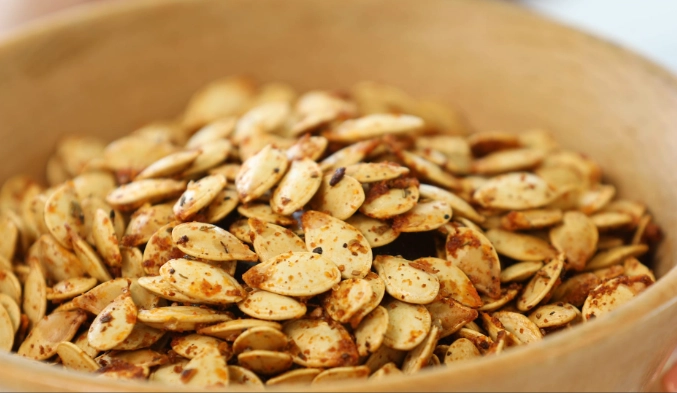
How do you know when they're done? They'll be golden brown (darker around the edges), and they'll make a faint crackling sound when you stir them. Take one out, let it cool for a second, and taste it. It should be crisp, not chewy in the center.
My Experience: I once followed a recipe that said 400°F for 10 minutes. Let's just say I created a batch of charcoal briquettes. It was a sad, smoky lesson. Start lower and slower until you learn your oven's quirks. Every oven has hot spots.
| Roasting Method | Temperature & Time | Best For | Watch Out For |
|---|---|---|---|
| The Safe Bet | 300°F (150°C) for 25-35 mins | Beginners, multi-tasking, large batches | Seeds might taste a bit "dry-toasted" rather than deeply roasted. |
| The Flavor Chase | 375°F (190°C) for 15-20 mins | Getting maximum nutty, toasty flavor and crunch. | Can burn quickly. Requires frequent stirring and attention. |
| The Compromise | 350°F (175°C) for 20-25 mins | A good balance of safety and flavor development. | The sweet spot for many home cooks. |
Let the roasted squash seeds cool completely on the baking sheet. They crisp up as they cool. Trying one while hot won't give you the true final texture.
Beyond Basic: Flavor Ideas for Your Roasted Squash Seeds
Once you've mastered the basic salted roast, the world is your oyster. Or, well, your spice cabinet. Toss the warm, freshly roasted seeds with dry seasonings right out of the oven. For wetter sauces (like hot honey or soy), toss them in a bowl while still warm so the flavor sticks.
Here are some of my favorite combos: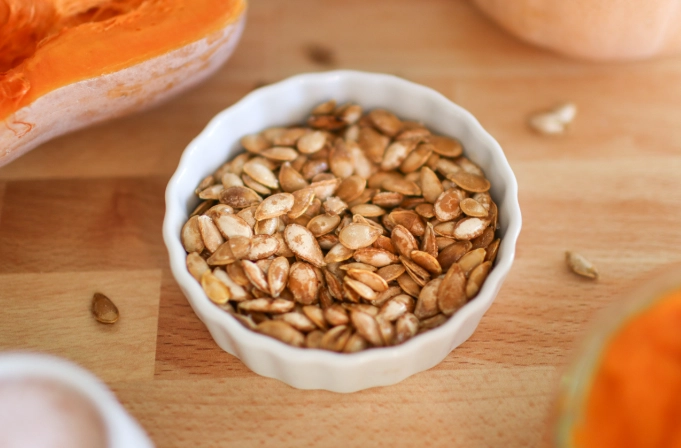
- Sweet & Spicy: Toss warm seeds with a tiny drizzle of honey or maple syrup (a little goes a long way), smoked paprika, and a pinch of cayenne.
- Everything Bagel: A mix of dried garlic, onion flakes, sesame seeds, poppy seeds, and coarse salt. Classic for a reason.
- Curry Lime: Toss with curry powder, a bit of lime zest, and a squeeze of lime juice after roasting.
- Cinnamon Sugar: For a dessert-like snack. Toss warm seeds with a mix of cinnamon and a teaspoon of sugar. Great on pumpkin seeds.
- Simple Herb: Dried rosemary or thyme with a touch of garlic powder. Elegant and simple.
Want something more substantial? The U.S. Department of Agriculture's FoodData Central is a fantastic (and authoritative) resource for looking up the detailed nutritional profile of different seeds, which can inspire healthy flavor pairings. For example, knowing they're high in magnesium might make you think of pairing them with dark chocolate for a superfood snack mix.
The key is to experiment. What tastes good to you?
Nutrition & Storage: Making the Most of Your Snack
So you've made a fantastic batch of roast squash seeds. Let's talk about keeping them that way and what they're doing for your body.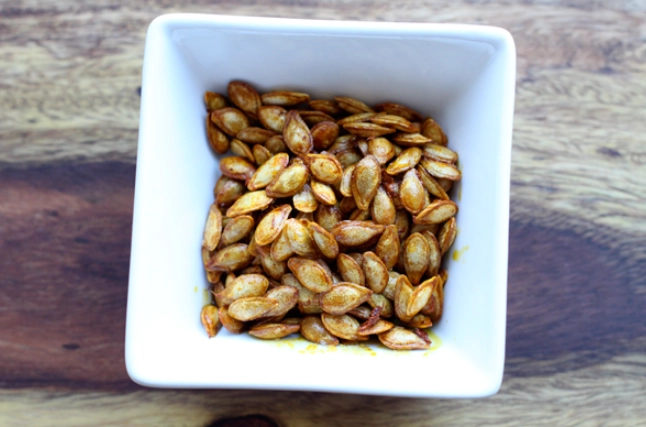
The Health Perks (No Exaggeration)
I'm not a nutritionist, but the data from sources like the USDA is clear. A 1-ounce serving (about a quarter cup) of roasted pumpkin seeds (without shells) provides a solid hit of nutrients:
- Plant-Based Protein: About 8-9 grams. Great for keeping you full.
- Magnesium: Crucial for muscle, nerve function, and blood sugar control. Many people are deficient.
- Zinc: Supports immune function and wound healing.
- Healthy Fats: Mostly unsaturated fats, which are good for heart health.
- Fiber: Aids digestion, especially if you eat the shells.
Are they a miracle food? No. But they're a genuinely nutrient-dense addition to your diet. I sprinkle them on salads, yogurt, and oatmeal for a crunchy boost.
Keeping Them Crispy: Storage Tips
Homemade roasted squash seeds don't have the preservatives of store-bought, so they won't last forever. But if stored right, they'll stay crunchy for weeks.
Let them cool COMPLETELY. Any residual warmth will create condensation in the storage container, leading to sogginess. I mean it—wait an hour.
Store them in an airtight container at room temperature. A glass jar or a zip-top bag with the air squeezed out works perfectly. Keep them in a cool, dark pantry, not next to the stove or in direct sunlight.
How long do they last? In my experience, they're at their peak crunch for about 1-2 weeks. After that, they might start to lose their crispness and taste a bit stale. They're still safe to eat, just not as delightful. I usually make batches small enough to enjoy within a week.
Revival Trick: If your seeds lose their crunch, spread them on a baking sheet and pop them in a 300°F oven for 5-7 minutes. Let them cool again. It often brings them back to life.
Troubleshooting Your Roast Squash Seeds
The Bigger Picture: Seeds and Sustainability
This practice is a tiny act in the larger movement against food waste. Organizations like the Natural Resources Defense Council (NRDC) have done extensive reporting on how much food is wasted in homes. Using every part of the vegetable, like turning seeds into a snack, is a simple, impactful habit.
It connects you to older, thriftier ways of cooking where nothing was wasted. There's a satisfaction in that which goes beyond just having a tasty snack. You're getting two products from one purchase: the squash flesh for your soup or roast, and the seeds for your nibbling.
I started roasting squash seeds on a whim a few years ago. Now, if I don't do it, it feels like I'm leaving part of the meal on the table. It's become second nature. The process is meditative in its own way—separating, rinsing, drying, seasoning. And the reward is a jar of homemade, healthy goodness that I made myself.
The journey from slimy scrap to perfect, crunchy roast squash seeds is a short one. It just requires knowing the few simple, non-negotiable steps. Get the seeds clean-ish, get them dry, coat them lightly, roast them with attention, and flavor them with abandon.
So next time you're prepping a squash, save those seeds. Give it one try. You might just find your new favorite snack hiding in plain sight, and you'll never look at that stringy pulp the same way again.
Reader Comments