Quick Navigation
- What Makes an Apple "Good" for Baking Anyway?
- The Honest Pros and Cons of Baking with Gala Apples
- Gala vs. The Classic Baking Apples: A Side-by-Side Showdown
- The Ultimate Trick: The Apple Blend
- Best Recipes to Use Gala Apples For (And Ones to Avoid)
- FAQs: Your Burning Questions About Gala Apples and Baking
- Final Verdict: Should You Bake with Gala Apples?
You're standing in the grocery store, staring at the apple display. The recipe says "tart baking apples like Granny Smith." But the Galas are right there, looking all sweet and inviting, and often on sale. The question pops into your head: are Gala apples good for baking? Can you use them for that pie, or will it turn into a mushy, overly sweet mess?
I've been there. I've made the "mistake" of using them because they were what I had. And you know what? Sometimes it worked out great. Other times... not so much. It's not a simple yes or no answer. It's a "yes, but." A "it depends on what you're making." Let's ditch the rigid rules and talk honestly about what happens when you put a Gala apple in a hot oven.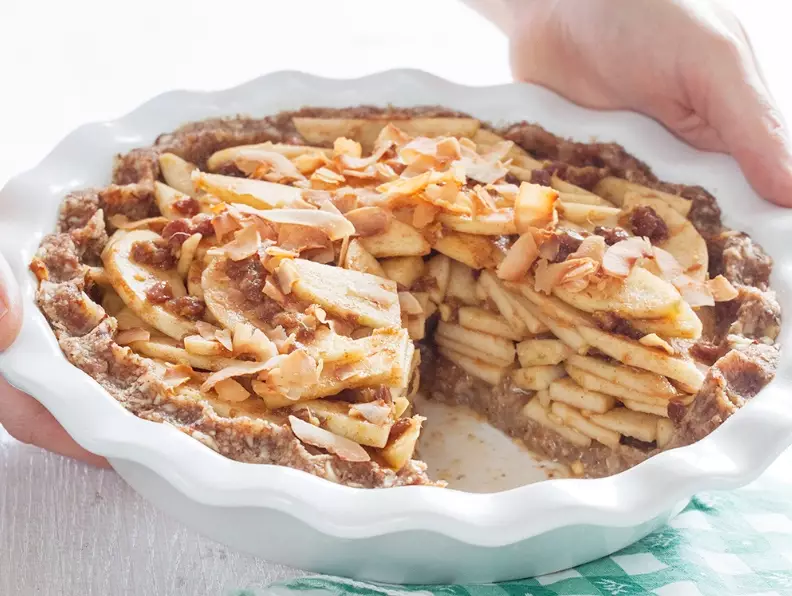
The Quick Take: Yes, Gala apples can be good for baking, particularly if you enjoy a sweeter, milder flavor and don't mind a softer texture. They excel in recipes where a saucy, tender filling is desired, like apple crisps, sauces, or certain cakes. For a classic, firm apple pie that holds its shape, you might want to mix them with a tarter variety.
What Makes an Apple "Good" for Baking Anyway?
Before we judge the Gala, let's set the bench mark. Bakers typically look for two key things in an apple:
Flavor Balance: Baking concentrates flavors. A very sweet apple can become cloying. A tart apple mellows into a complex, balanced sweetness. That's why tart apples are often the gold standard.
Texture & Structure: This is huge. A good baking apple holds its shape when cooked. It softens but doesn't completely disintegrate into applesauce. You want identifiable slices or chunks in your pie, not a homogenous paste. This comes down to the apple's cell structure and pectin content.
So where does our friend the Gala land on these scales?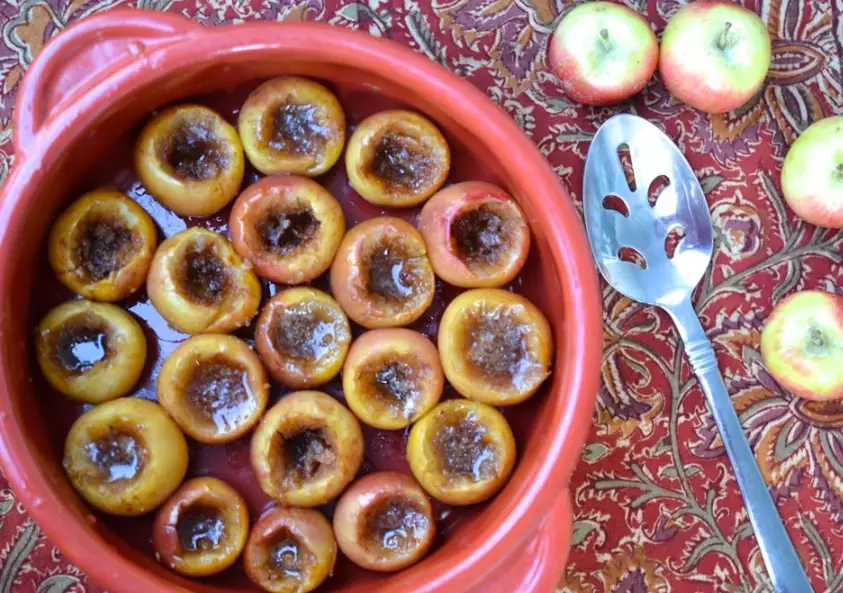
The Gala Apple Profile: Sweet, Mild, and Popular
Gala apples are one of the most popular eating apples in the world, and for good reason. They're sweet, crisp when fresh, and have a mild, almost floral aroma. According to the Washington Apple Commission, Galas are a cross between Kidd's Orange Red and Golden Delicious. That heritage explains a lot—you get that honeyed sweetness from the Golden Delicious side.
But here's the thing about using Gala apples for baking: that very sweetness and mildness is both their strength and their weakness in the oven.
The Honest Pros and Cons of Baking with Gala Apples
I remember the first time I used only Galas for a pie. I was skeptical, but they were so beautiful and fragrant. The result? A pie that tasted like candy. My kids loved it. My husband, who prefers a tangy pie, asked if I forgot the lemon juice. It was a learning moment.
Let's break it down, no sugar-coating.
Why You Might Love Baking with Galas (The Pros)
- Naturally Sweet: You can often use less added sugar in your recipe. If you or your family prefer a dessert that's not puckeringly tart, Gala's inherent sweetness is a bonus.
- They Cook Down Well: Galas break down relatively easily, creating a thick, almost jammy sauce around the remaining pieces. This is fantastic for dishes like apple crisp, apple cobbler, or apple butter, where you want that saucy component.
- Widely Available & Affordable: You can find them almost anywhere, year-round. When other baking apples are out of season or pricey, Gala apples are a reliable, budget-friendly option for baking.
- Mild Flavor: They're a crowd-pleaser. The mild taste doesn't overwhelm other spices like cinnamon, nutmeg, or cardamom. It's a gentle backdrop.
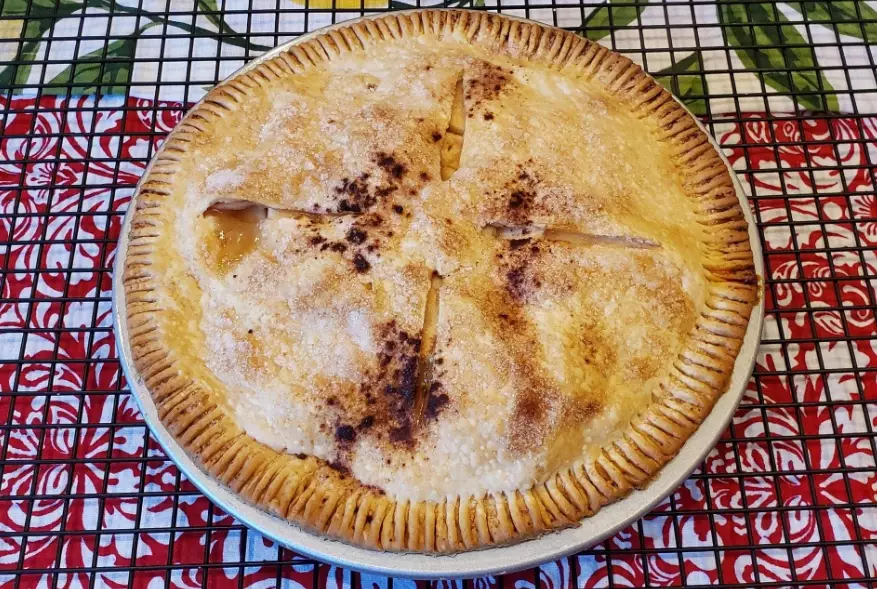
Where Galas Can Fall Short (The Cons & How to Fix Them)
- Texture Can Get Mushy: This is the biggest complaint. Are Gala apples good for baking if you want firm slices? Not really on their own. They tend to soften significantly. The fix? Don't overcook them. Add them later in the cooking process if you can, or mix them with a firmer apple.
- Lack of Tangy Complexity: Pure Gala desserts can taste one-note—just sweet. The fix? A generous squeeze of lemon juice or a tablespoon of apple cider vinegar in your filling can work wonders. It brightens the whole flavor profile.
- Can Be Too Juicy: Sometimes they release a lot of water, leading to a soggy bottom crust. The fix? Toss your slices with a little flour or cornstarch (about 1-2 tablespoons per pound of apples) to thicken the juices. Let them sit for a few minutes after tossing; you'll see the magic happen.
See? It's all about managing expectations and using a few simple tricks.
Pro Baker Tip: If you're set on using Gala apples for baking a pie, try par-baking your bottom crust (also called blind baking). This creates a barrier against any excess moisture and ensures a crisp, not soggy, foundation.
Gala vs. The Classic Baking Apples: A Side-by-Side Showdown
It's easier to understand when you see a comparison. Let's pit Gala against the usual champions.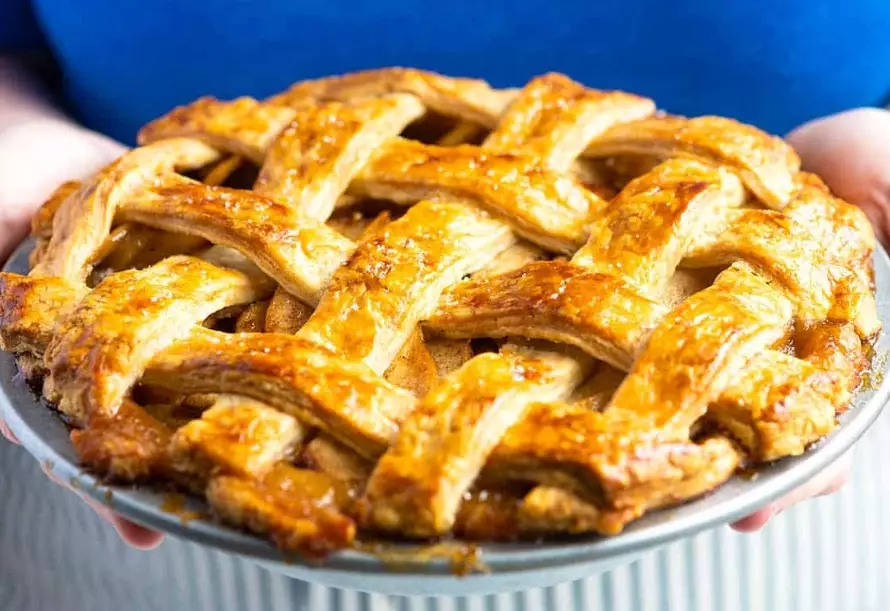
| Apple Variety | Flavor Profile | Texture When Baked | Best For... | My Personal Take |
|---|---|---|---|---|
| Gala | Very sweet, mild, floral | Softens considerably, can become saucy | Crisps, cobblers, sauces, muffins, cakes (where texture is less critical) | A sweet, friendly apple that needs a texture buddy for pie. |
| Granny Smith | Very tart, bright, tangy | Holds shape exceptionally well, firm-tender | Classic apple pie, tarts, any recipe where defined slices are key | The reliable workhorse. It almost never fails, but can be too sharp for some. |
| Honeycrisp | Sweet with balanced acidity, juicy | Holds shape fairly well, juicy | Pies, eating fresh, salads – a great all-rounder | Excellent flavor, but pricey. A luxury baking apple. |
| Braeburn | Sweet-tart, spicy, aromatic | Holds shape very well, doesn't collapse | Pies, baking, eating – a top-tier baking choice | My personal favorite for pie. Perfect balance, great structure. |
| Golden Delicious | Sweet, mellow, buttery | Softens to a creamy, smooth texture | Apple sauce, butter, recipes where a smooth texture is desired | Similar to Gala but often even softer. Don't expect slices. |
Looking at this, you can see Gala occupies a specific niche. It's closer to Golden Delicious than to Granny Smith. So, when someone asks are Gala apples good for baking, you can say they're in the "soft and sweet" category, not the "firm and tart" one.
The Ultimate Trick: The Apple Blend
This is the secret most home bakers and pros swear by. You don't have to choose just one apple. Blending two or three different types gives you a complex flavor and a more interesting texture. Using Gala apples for baking becomes a brilliant move when they're part of a team.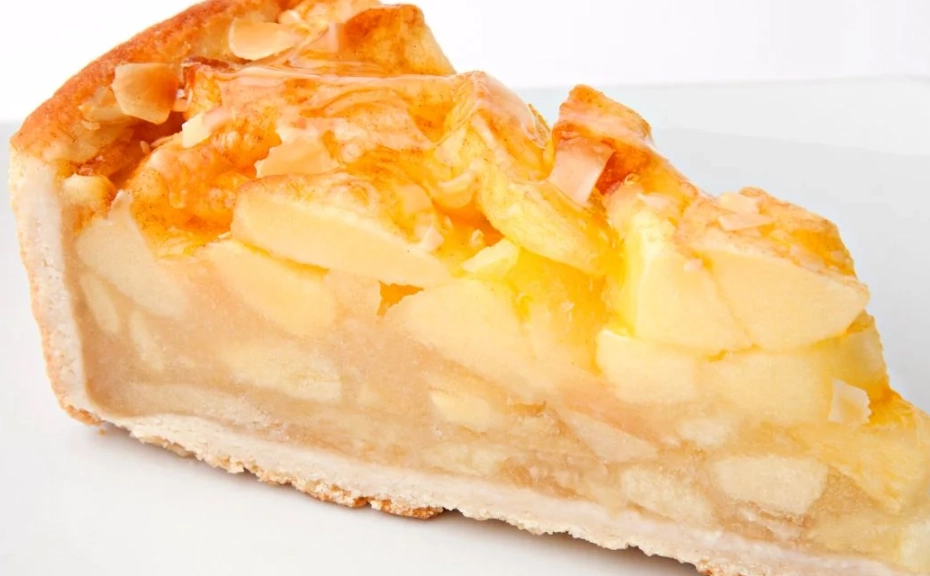
Why blending works:
- Flavor Complexity: Sweet Galas + tart Granny Smiths = a depth of flavor that keeps you coming back for another bite.
- Texture Harmony: The softer, saucing Galas create a lush base, while the firmer apples (like Braeburn or even chunks of Honeycrisp) provide satisfying bites that hold their shape.
- Balance: It naturally balances sweetness and acidity without having to fiddle too much with sugar and lemon juice.
My go-to pie blend is 50% firm/tart apple (like Granny Smith or Braeburn) and 50% soft/sweet apple (like Gala or Jonagold). It never, ever fails. The Gala apples melt into this gorgeous spiced syrup that coats the firmer pieces. Try it once, and you might not go back.
Great Partner Apples for Gala in a Blend:
- Granny Smith: The classic contrast. Provides essential tartness and structure.
- Braeburn: Adds spice and holds its shape beautifully.
- Rome: A often overlooked baking apple that's tart and holds form very well.
- Pink Lady/Cripps Pink: Offers a nice sweet-tart zing and firm texture.
Best Recipes to Use Gala Apples For (And Ones to Avoid)
Not all baked goods are created equal. Let's match the apple to the task.
Where Gala Apples Shine (Top Choices)
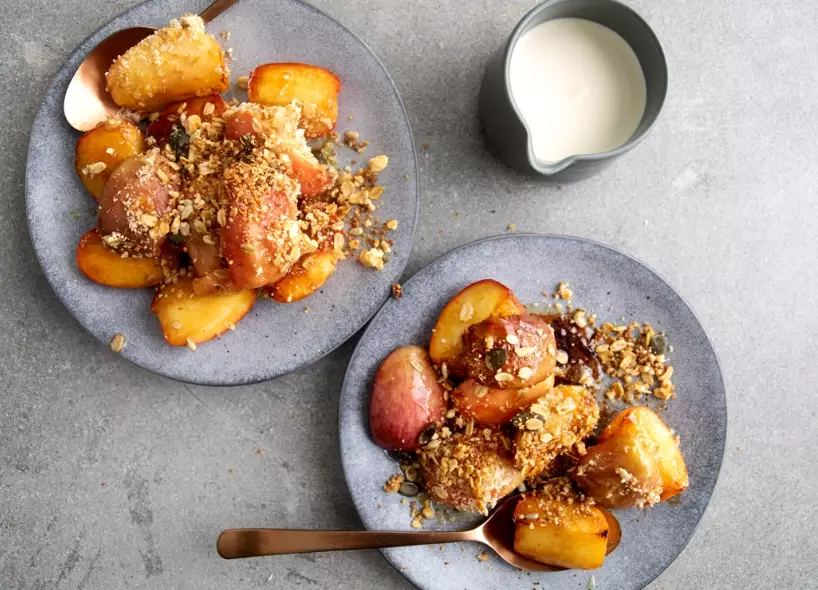
Apple Crisp or Crumble: This is arguably where Gala apples are best for baking. The soft, saucy texture is exactly what you want underneath that crunchy oat topping. The sweetness means you can ease up on the sugar in the filling. A perfect match.
Apple Sauce or Apple Butter: No question here. Their sweet flavor and tendency to break down make them ideal. You'll need less added sweetener, and the sauce will have a lovely natural color and mild taste.
Apple Muffins, Quick Breads, and Cakes: In these applications, the apple is often chopped small and suspended in batter. The fact that Gala softens is irrelevant—it becomes a moist, sweet pocket. They're fantastic here.
Skillet Cakes or Pancakes: Thin slices of Gala caramelize beautifully in a skillet with some butter and sugar. Topped with batter or folded into pancakes, they're a treat.
Proceed with Caution (Or Use a Blend)
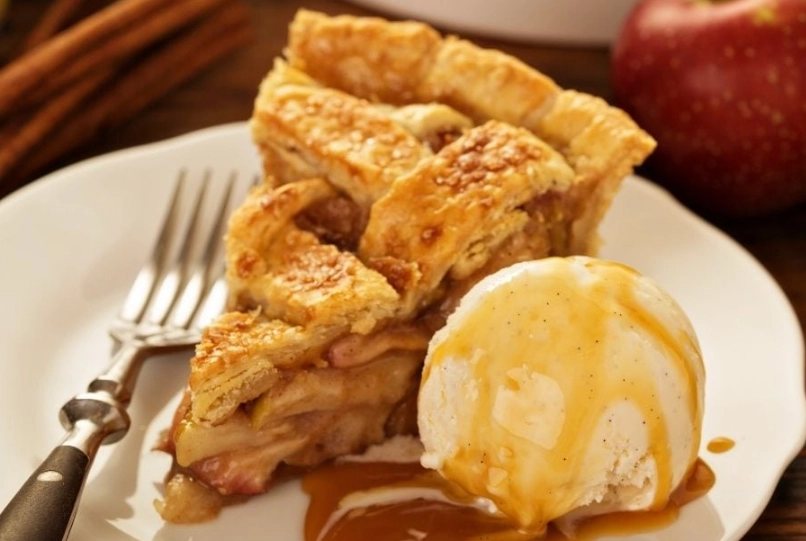
Classic Double-Crust Apple Pie: This is the big one. Can you make an apple pie with only Gala apples? Yes. Will it be the pie of your dreams with perfect, distinct slices? Probably not. It will be deliciously sweet and saucy. If that's your style, go for it. If you're a texture purist, blend them.
Apple Tarts (like Tarte Tatin): Recipes like Tarte Tatin rely on apples that caramelize well but also hold their form to create that beautiful layered look. Galas can work, but they might lose definition. A firmer apple or a blend is safer.
Any Baked Good Requiring Neat Apple Slices on Top: If aesthetics are important—like a Dutch apple pie with a beautiful spiral of slices on top—Galas might disappoint as they can shrivel and lose their shape more than firmer varieties.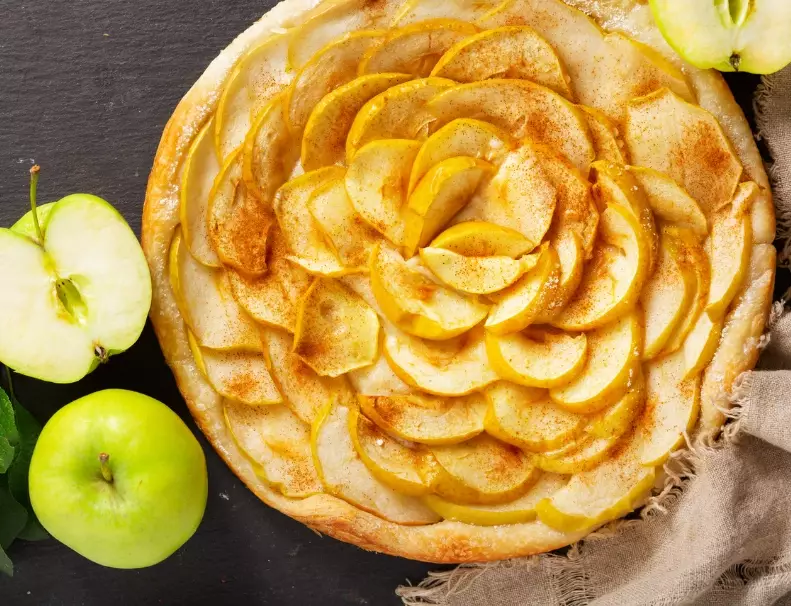
Watch Out: Because of their high sugar content, Gala apples can brown (caramelize) faster in a hot oven. Keep an eye on them if they're exposed, like on the top of a crisp. A little foil tent can prevent over-browning.
FAQs: Your Burning Questions About Gala Apples and Baking
- Use a thickener: Cornstarch, flour, or instant tapioca are your friends. Toss the slices thoroughly.
- Pre-cook the filling slightly: Sauté the apple slices with spices and thickener for 5-7 minutes until they just start to soften and release juices that thicken. Let it cool before filling the crust. This reduces oven time and controls moisture.
- Blind bake your bottom crust. Non-negotiable for juicy fillings, in my opinion.
- Reduce the granulated sugar in the filling by 1/4 to 1/3.
- Add a tablespoon of fresh lemon juice or apple cider vinegar to introduce some acidity.
- Be mentally prepared for a different texture—more saucy, less chunky.
Final Verdict: Should You Bake with Gala Apples?
So, after all this, what's the final word on whether Gala apples are good for baking?
Absolutely yes—with context.
Think of them as a versatile, sweet utility player. They're not the star quarterback for every play (i.e., the classic firm pie), but they score touchdowns in many specific situations. Their sweetness, availability, and ability to create a lovely sauce make them a valuable ingredient in your baking arsenal.
The key is to use them intentionally. Don't just default to them for every baking project. Ask yourself: "Do I want a firm or soft texture? A tart or sweet flavor?" Your answer will tell you if Gala is the right choice, or if it needs a partner.
Baking shouldn't be stressful. It's about creating something delicious. If Gala apples are what you have and love, use them. Adjust. Experiment. Maybe add that squeeze of lemon. Maybe mix in one Granny Smith. The fact that you're even asking are Gala apples good for baking shows you care about the result, and that's half the battle won.
Now, go preheat that oven. Your crisp, pie, or batch of muffins is waiting.
Reader Comments