Pick the wrong apple for your pie, and you'll end up with a mushy, bland mess. I learned that the hard way years ago when I used Red Delicious in a rush—big mistake. The pie turned into a soggy soup. But get the apple right, and your pie becomes legendary. It's all about texture, sweetness, and how the fruit holds up in the oven. Let's dive into what makes an apple great for baking.
What's Inside This Guide
Apple Varieties Comparison: The Top Bakers
Not all apples are created equal when it comes to pie. Some fall apart, some stay rock-hard. You want ones that soften just enough but keep their shape. Here's a breakdown of the best options, based on my years of baking and chatting with orchard owners.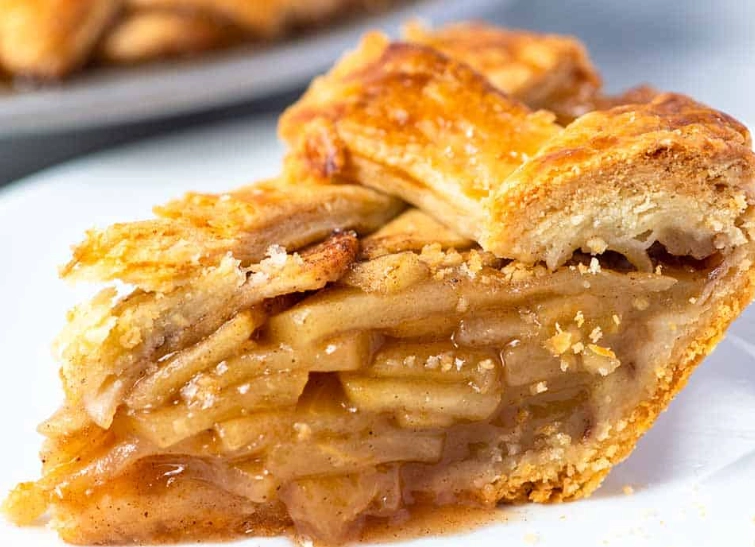
| Apple Variety | Flavor Profile | Texture When Baked | Best Use in Pie |
|---|---|---|---|
| Granny Smith | Tart, tangy | Firm, holds shape well | Classic apple pie, balances sweetness |
| Honeycrisp | Sweet with mild acidity | Crisp, juicy, softens slightly | Adds natural sweetness, great for mixing |
| Braeburn | Sweet-tart, spicy | Firm, maintains structure | Complex flavor pies, holds up in baking |
| Jonagold | Sweet, honey-like | Softens but doesn't mush | Good for smoother fillings, less tart |
| Golden Delicious | Mild, sweet | Soft, can become mushy if overbaked | Best mixed with firmer apples |
I often mix Granny Smith and Honeycrisp—about 60/40 tart to sweet. It gives a balanced flavor that isn't too sugary. But if you're after a traditional pie, stick with Granny Smith alone. Braeburn is my secret weapon for holiday pies; it has this subtle spice that elevates everything.
Avoid apples like Red Delicious or Fuji for baking. They're fantastic raw, but in the oven, they turn to mush. I once tried Fuji in a pie for a friend who loved them, and we ended up with apple sauce in a crust. Not ideal.
Why Texture Matters More Than You Think
Texture isn't just about avoiding sogginess. It affects how the pie slices. A firm apple means clean cuts and layers that don't collapse. When apples break down too much, they release excess water, which soaks into the crust. That's a recipe for disaster.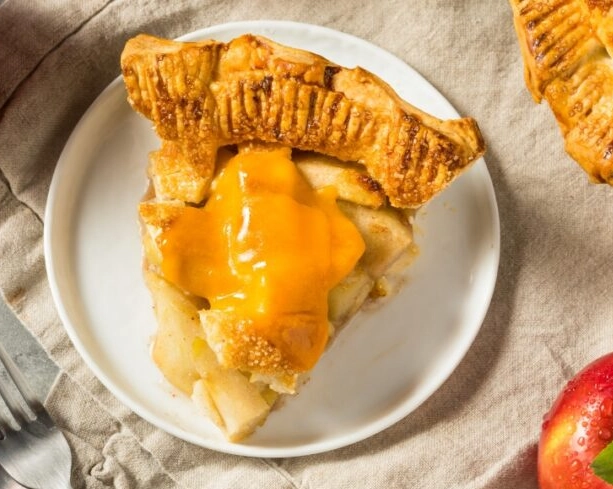
I recall a baking contest where a judge pointed out that the best pies had a "bite" to the apples—not crunchy, but with substance. It's about mouthfeel. Soft apples make the pie feel heavy and dense.
How to Test Apples for Baking: A Practical Method
Don't just trust the label at the store. Here's a simple test I use: slice a small piece of apple and bake it in a toaster oven at 350°F for 10 minutes. See how it holds up. Does it keep its shape? Does it taste good warm? This quick check saves you from pie failures.
Another trick: press the apple gently. If it feels too soft raw, it'll likely mush when baked. Go for apples that are firm to the touch but not rock-hard. Honeycrisp, for example, has a nice balance—it's crisp but not brittle.
I learned this from an old baker in Vermont. He said, "The apple should fight back a little when you slice it." That resistance translates to better baking. So, next time you're at the market, give them a squeeze. Avoid any with bruises or soft spots.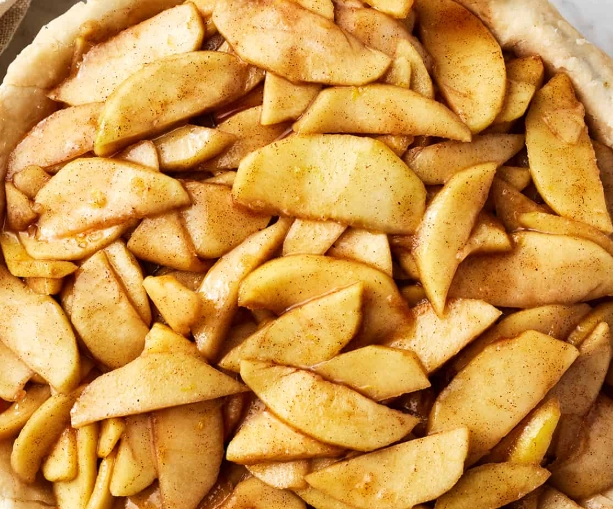
Case Study: My Failed Apple Pie Experiment
Last fall, I decided to use only sweet apples—Gala and Golden Delicious—for a pie. I thought it would be extra sweet and easy. Wrong. The pie filled with liquid, and the bottom crust turned soggy. I had to bake it longer, which dried out the top. It was edible but far from perfect. The lesson? Always include a tart apple or drain the slices well.
This is where many home bakers go wrong. They assume sweeter apples mean less sugar needed, but it's not that simple. Tart apples help balance the sweetness and add complexity.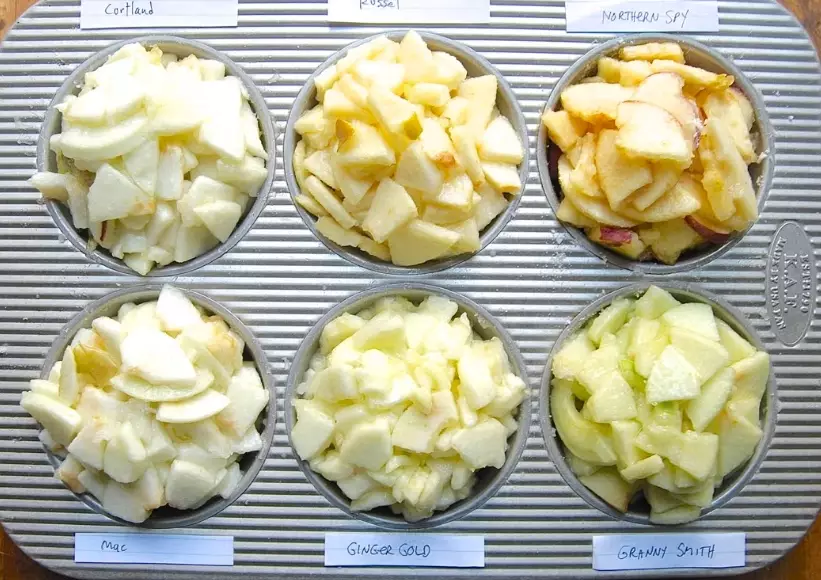
Common Mistakes and Expert Tips for Perfect Pie
Beyond apple choice, there are subtle errors that ruin pies. One big one: not letting the sliced apples sit with sugar before baking. Toss them with sugar and a bit of lemon juice, then wait 30 minutes. This draws out moisture, which you can drain off. I skip this step sometimes when rushed, and I always regret it.
Another mistake—overloading the pie with apples. It might seem generous, but too many slices steam instead of bake, leading to a wet filling. Aim for a heaping mound, but not packed tight. Leave some air pockets.
Here's a non-consensus tip from my experience: don't peel the apples if they're organic and thin-skinned. The skin adds texture and nutrients. For varieties like Honeycrisp, the skin is tender and barely noticeable after baking. Try it on a small batch first; you might like the rustic feel.
Also, consider the baking time. Firm apples like Granny Smith need a bit longer in the oven—about 45-50 minutes at 375°F. Softer apples cook faster, so adjust accordingly. I use a thermometer to check the filling; it should hit 200°F for perfect doneness.
What the Pros Say (But Often Don't Mention)
Many recipes call for cornstarch or flour as thickener, but if you drain the apples well, you might need less. I've reduced thickener by half in my pies, and they set just fine. It's about controlling moisture from the start.
Also, chilling the pie crust before baking is crucial. I chill it for at least an hour. This prevents shrinkage and ensures a flaky texture. A warm crust melts butter too quickly, leading to a tough result.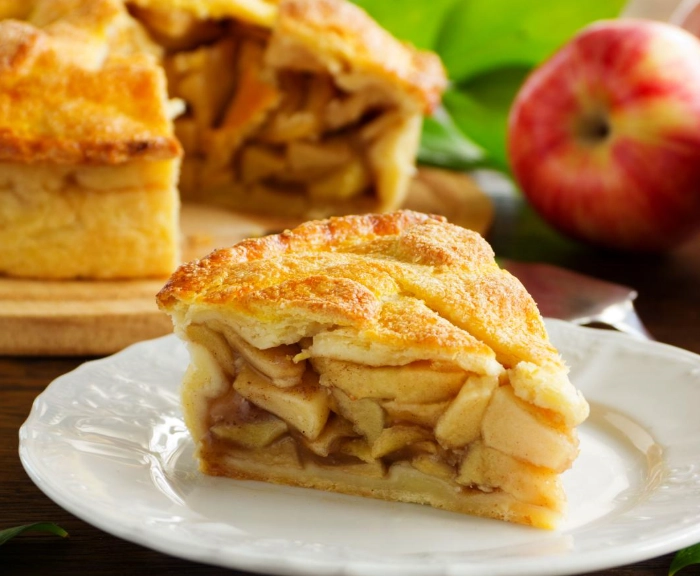
Your Apple Pie Questions Answered
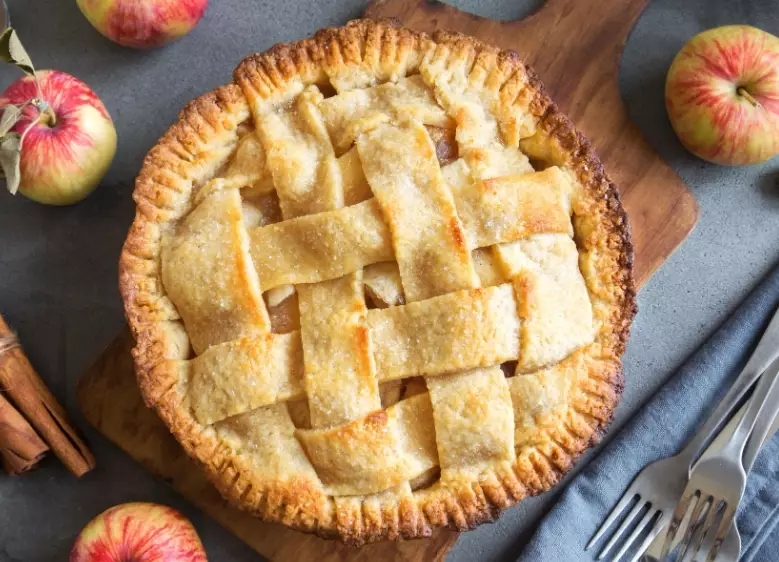
Choosing the right apple for your pie isn't rocket science, but it does require attention. Start with firm, flavorful varieties, test them if unsure, and don't skip the prep steps. Your pies will thank you. Happy baking!
Reader Comments