Your Soup Guide Highlights
- The Calorie Breakdown: What's Really in Your Bowl?
- Homemade vs. Canned vs. Restaurant: A Calorie Showdown
- What Drives the Calories Up or Down? The Key Factors
- Beyond Calories: The Nutritional Goodness in Split Pea Soup
- How to Calculate Calories for YOUR Split Pea Soup
- A Sample Recipe Framework with Calorie Notes
- Frequently Asked Questions About Calories in Split Pea Soup
- Wrapping It Up: Your Calorie-Smart Soup Strategy
Let's talk about split pea soup. You know, that thick, comforting, usually green (or sometimes yellow) bowl of goodness. It's the kind of food that feels like a hug from the inside. Maybe you grew up with it, or maybe you discovered it later as a cheap, filling meal. Whatever the case, at some point, a question pops into your head: just how many calories for split pea soup am I looking at here?
It's not just idle curiosity. Maybe you're tracking what you eat, trying to hit certain nutrition goals, or just wanting to understand what's in your food. I get it. I was in the same boat. I remember making a huge pot of the stuff, feeling virtuous about eating all those vegetables and legumes, only to wonder later if I'd just consumed a calorie bomb disguised as health food.
Turns out, the answer isn't as simple as a single number. Asking about calories in split pea soup is like asking how long a piece of string is. It depends. It depends on your recipe, your portion, what you throw in there, and even how you cook it. A basic homemade version is a world apart from a creamy, restaurant-style bowl or a canned variety loaded with sodium and fat.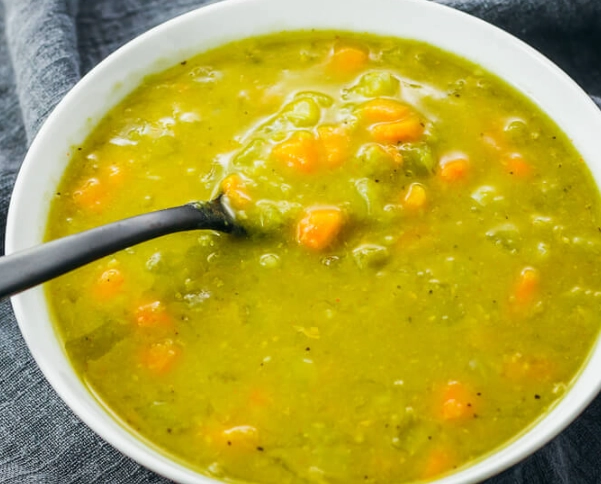
So, I dug in. I looked at standard recipes, nutrition databases, and even my own kitchen experiments. This guide is what I wish I had back then—a no-nonsense, detailed look at the calories for split pea soup, what influences them, and how to make a bowl that fits your dietary needs without tasting like bland mush.
The Calorie Breakdown: What's Really in Your Bowl?
To understand the calories for split pea soup, you need to know where they come from. It's not a mystery substance; it's the sum of its parts.
The main player, obviously, is the split pea. Dried split peas are nutritional powerhouses—high in fiber, plant-based protein, and complex carbohydrates. Per half-cup of dried peas (which cooks up into a lot more), you're looking at about 115 calories. That's the foundation. The rest of the calories come from what you add to build flavor and body.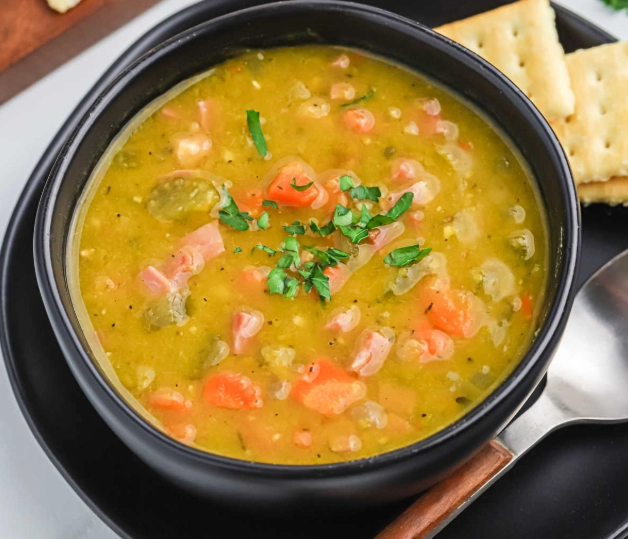
| Ingredient (Typical Amount in a Pot) | Approximate Calorie Contribution | Primary Role |
|---|---|---|
| 1 lb Dried Split Peas | ~700 calories | Base, fiber, protein, carbs |
| 1 Ham Hock (smoked, 8 oz) | ~400-600 calories | Flavor, fat, protein |
| 2 tbsp Olive Oil (for sautéing) | ~240 calories | Cooking fat, flavor |
| 1 cup Diced Carrots & Celery | ~50 calories | Vegetables, nutrients, texture |
| 1 Large Onion | ~60 calories | Aromatic base, flavor |
| 8 cups Chicken Broth (vs. water) | ~70-150 calories | Cooking liquid, added flavor/sodium |
See how it adds up? A ham hock can single-handedly add a significant chunk. Using oil liberally to sauté your veggies does too. Now, divide that total pot calories by 8-10 servings, and you start to see how we get to that per-bowl range.
Here's a personal note: I once followed a recipe that called for browning the ham hock in two tablespoons of butter before adding the oil for the veggies. The soup was ridiculously rich and delicious, but my estimate for the calories in that split pea soup shot up well over 300 per cup. A trade-off, for sure.
Homemade vs. Canned vs. Restaurant: A Calorie Showdown
This is where things get really interesting. You have control at home. You don't in a can or at a restaurant.
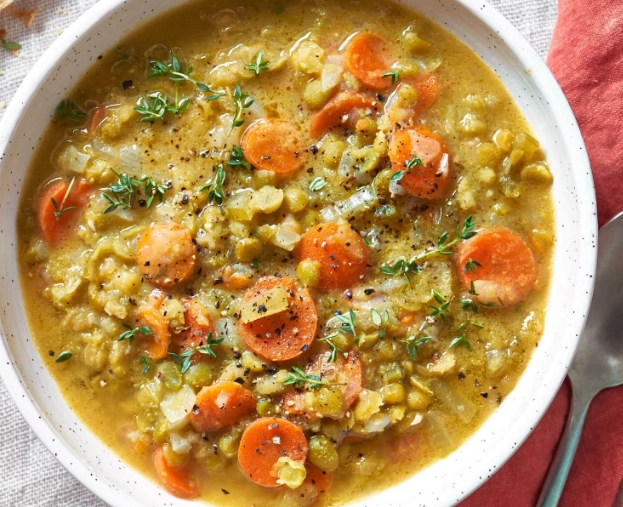
- Homemade (Basic, Broth-Based): Your best bet for predictable calories for split pea soup. As above, usually 180-260 per cup. You control the salt, fat, and ingredients.
- Canned Soup (e.g., Major Brands): Often surprisingly similar in calories per serving—sometimes even slightly lower (160-220 per cup). The catch? Sodium levels are frequently through the roof. We're talking 700-900mg per cup, easy. The flavor has to come from somewhere if fat is lower, and that somewhere is usually salt.
- Creamed or “Premium” Restaurant Style: This is the wild card. To achieve that ultra-smooth, velvety texture, restaurants often blend in cream, butter, or a roux (butter and flour). A bowl of this can easily reach 400-500 calories or more, especially if it comes with croutons or a drizzle of oil. It's a different dish, calorie-wise.
What Drives the Calories Up or Down? The Key Factors
If you want to manage the calories for split pea soup you're eating, you need to know the levers you can pull.
The Protein & Flavor Source (The Biggest Lever)
This is the #1 determinant of your final calorie count.
- Ham Hock, Bacon, Salt Pork: High flavor, high fat, higher calories. They impart a smoky, savory depth that's hard to replicate, but you pay for it in added saturated fat and calories.
- Diced Ham: A middle ground. Less fat than a hock, but still adds meaty calories. Go for leaner cuts.
- Vegetable Broth + Smoked Spices: The lowest-calorie option. Use a robust vegetable broth as your base. To get that smoky flavor without the pork, try adding a pinch of smoked paprika, a dash of liquid smoke (use sparingly!), or even sautéing your onions with a smoked salt. The calories for a split pea soup made this way will sit at the very bottom of the range.
The Cooking Fat
You usually need some fat to sauté the aromatic vegetables (the “mirepoix” of onions, carrots, celery). This builds foundational flavor.
- Oil/Butter: Standard. 1-2 tablespoons for a large pot is typical and adds 120-240 calories to the whole pot (only 15-30 calories per serving). Not a huge deal, but it counts.
- Low-Calorie Sauté: You can use broth or water for a “sweat” instead of a “sauté.” The veggies will soften without browning, which means less caramelized flavor, but you save those fat calories. It's a trade-off on taste.
Add-Ins and Toppers
The soup itself might be reasonable, but what you do at the finish line matters.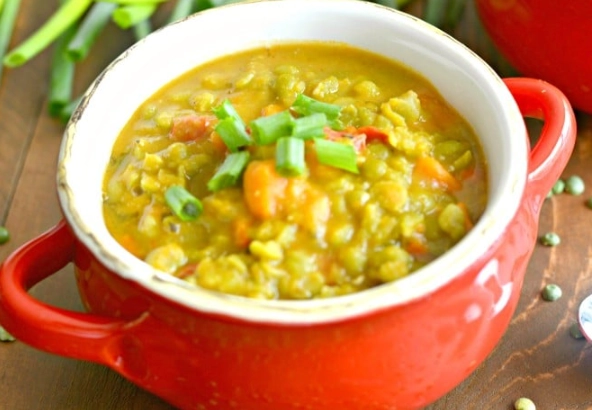
- Calorie-Boosting Toppers: A dollop of sour cream (60 cal), a handful of buttery croutons (100+ cal), shredded cheddar cheese (110 cal per 1/4 cup), a extra drizzle of olive oil (120 cal/tbsp). These can add 100-300 calories in a flash.
- Lighter Topper Ideas: A spoonful of plain Greek yogurt (similar tang, more protein, fewer calories than sour cream), fresh herbs (chives, parsley), a crack of black pepper, a squeeze of lemon juice for brightness.
Beyond Calories: The Nutritional Goodness in Split Pea Soup
Fixingate only on the calories for split pea soup and you miss the bigger, brighter picture. This soup is a nutritional champion, which is why it's considered a healthy choice even with a moderate calorie count.
Let's talk about fiber. Oh, the fiber. Split peas are loaded with it. A one-cup serving of soup can deliver 10 to 15 grams of dietary fiber. That's nearly half the recommended daily intake (the National Academies of Sciences, Engineering, and Medicine suggests 25-38 grams per day for adults). This soluble fiber is fantastic for digestive health, helps keep you feeling full for hours (satiety is key for weight management), and can help moderate blood sugar levels.
Feeling full longer from a 200-calorie bowl? That's the fiber and protein at work.
Then there's protein. A cup of split pea soup can pack 10-15 grams of plant-based protein. If you use a meat-based broth or ham, it's even higher. This makes it an excellent post-workout meal or a satisfying lunch that won't lead to a 3 PM energy crash.
It's also a good source of key micronutrients:
- Potassium: Important for heart and muscle function. Helps counteract sodium.
- Iron: Especially important if you're following a vegetarian diet. Pair it with a vitamin C source (like those carrots or a squeeze of lemon) for better absorption.
- Folate & B Vitamins: Crucial for energy metabolism and cell function.
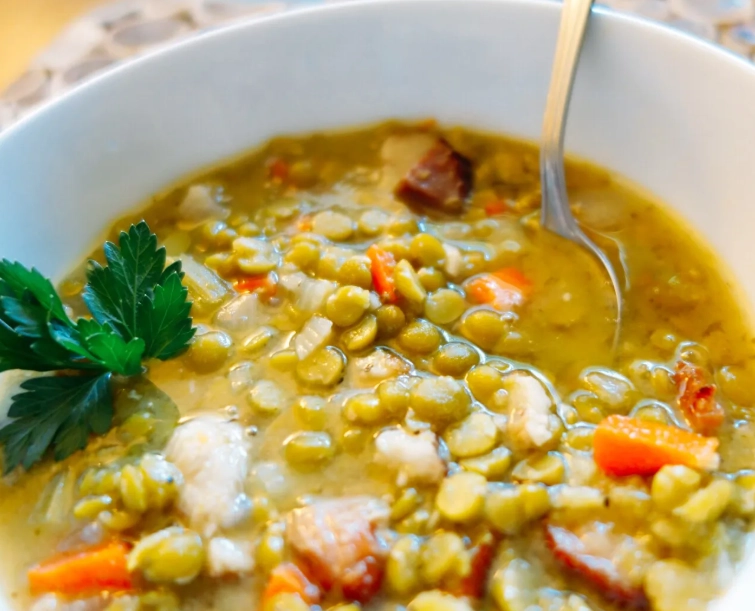
How to Calculate Calories for YOUR Split Pea Soup
Want to know exactly what's in your pot? It's easier than you think, and it empowers you.
- List Everything: Write down every ingredient you use and its exact quantity (e.g., “1 lb dried split peas,” “1 tbsp olive oil,” “8 cups low-sodium chicken broth”).
- Find the Calorie Data: Use a reliable source. The gold standard is the USDA's FoodData Central database. It's a public, authoritative resource. For packaged items (like broth or ham), use the Nutrition Facts label.
- Do the Math: Calculate the total calories for the entire pot. (e.g., Peas: 700 cal + Oil: 120 cal + Broth: 100 cal + Vegetables: 100 cal = 1020 total calories).
- Divide by Servings: Ladle your finished soup into a measuring cup to see how many total cups you made. Let's say you got 9 cups. 1020 total calories ÷ 9 cups = 113 calories per cup.
See? The calories for your specific split pea soup recipe are now a known fact, not a guess. This method revealed that my “light” veggie broth version was even lower in calories than I thought.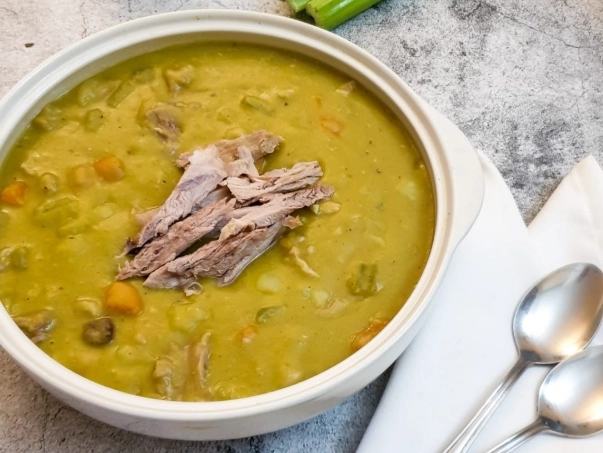
Knowledge is power, especially in the kitchen.
A Sample Recipe Framework with Calorie Notes
Here’s a blueprint for a flavorful, mid-range calorie soup. This makes about 8 hearty cups.
Ingredients:
- 1 lb dried green or yellow split peas (rinsed, picked over)
- 1 tbsp olive oil (~120 cal)
- 1 large onion, diced (~60 cal)
- 2 carrots, diced (~50 cal)
- 2 celery stalks, diced (~20 cal)
- 2 cloves garlic, minced
- 8 cups low-sodium chicken or vegetable broth (~80-160 cal total)
- 1 bay leaf
- 1 tsp dried thyme
- Optional: 8 oz diced lean ham (~280 cal) *This is the main variable.
- Salt and pepper to taste
Method: Sauté onion, carrot, celery in oil until soft. Add garlic for 1 minute. Add peas, broth, bay leaf, thyme, and ham (if using). Bring to a boil, then simmer covered for 1-1.5 hours until peas are tender and soup is thick. Season.
Calorie Math (Without Ham): ~(700+120+60+50+20+120) = ~1070 total calories / 8 cups = ~134 calories per cup.
Calorie Math (With Ham): ~(1070 + 280) = 1350 total calories / 8 cups = ~169 calories per cup.
Both are excellent, low-calorie, high-nutrition meals. Adding the ham increases protein and flavor for about 35 extra calories per cup—a worthwhile trade for many.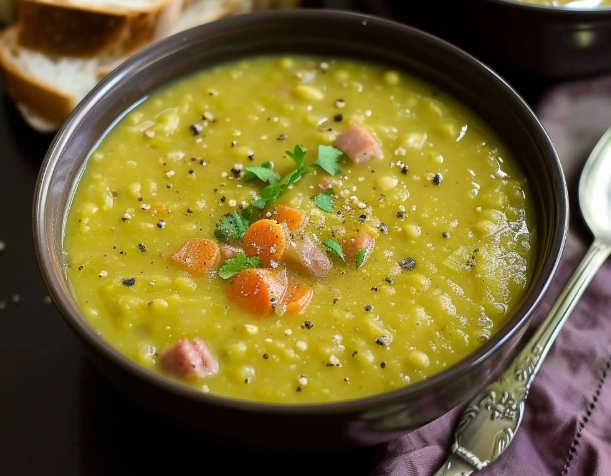
Frequently Asked Questions About Calories in Split Pea Soup
Wrapping It Up: Your Calorie-Smart Soup Strategy
So, the next time you ponder the calories for split pea soup, remember it's not a single number. It's a spectrum you can influence. The beauty of this soup is its flexibility.
For the lowest calories in split pea soup, go plant-based with broth and smoked spices. For a balanced, traditional flavor, use a modest amount of lean ham or a small ham hock (you can remove the fatty skin after cooking). For a decadent treat, don't shy away from the restaurant-style cream version—just know what you're getting into and enjoy it as an occasional thing.
The most important thing is that you're eating a whole, minimally processed food packed with nutrients. Whether your bowl is 150 or 300 calories, it's almost certainly a healthier, more satisfying choice than countless other options. Now go make a pot. Your kitchen (and your stomach) will thank you.
Reader Comments