Your Harvest Roadmap
- The Golden Window: Timing Your Butternut Squash Harvest
- The Harvest Toolkit: What You'll Need
- Step-by-Step: How to Harvest Butternut Squash the Right Way
- The Critical Step Almost Everyone Skips: Curing Your Harvest
- Storing Your Butternut Squash Bounty
- Your Butternut Squash Harvest Questions, Answered
- Putting It All Together: A Harvest Checklist
So you've nurtured your butternut squash vines all season, watching those tiny green bulbs swell into promising fruits. Now comes the big question that puzzles almost every gardener, especially beginners: when to harvest butternut squash? Get it wrong, and you're stuck with bland, stringy flesh or a squash that rots in storage after a few weeks. I've been there – my first year, I jumped the gun and harvested too early out of excitement (and a little fear of frost). The result was a disappointing, watery flavor that just wasn't worth the garden space. Let's make sure that doesn't happen to you.
Harvesting butternut squash isn't about a single calendar date. It's a skill you learn by looking, touching, and understanding the plant's language. This guide will walk you through every signal, test, and trick to pinpoint the perfect harvest window. We'll go beyond the basic "when" and dive deep into the "how," "what if," and "what next" to turn your garden bounty into winter-long deliciousness.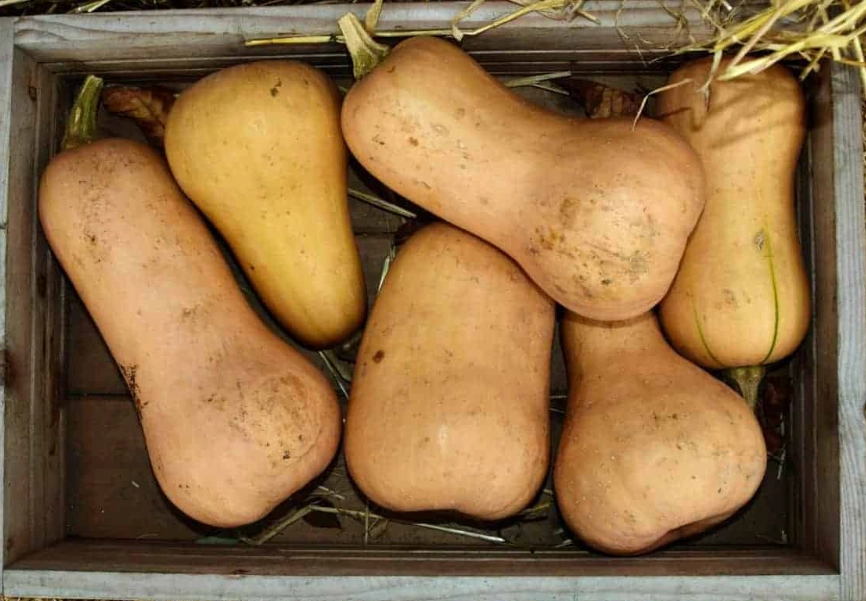
The Golden Window: Timing Your Butternut Squash Harvest
Forget the days-to-maturity on the seed packet as an exact deadline. It's a rough estimate, not a command. The true signs of readiness are physical and happen on the vine. The goal is to harvest when the squash has reached its full maturity, not just its full size. A mature squash will have developed complex sugars, a hard rind, and dry seeds – the holy trinity for flavor and storage life.
Here’s the thing most blogs don't stress enough: harvesting at the right time is more critical for butternut squash than for, say, zucchini. A zucchini picked a week late is just oversized. A butternut squash picked too early will never sweeten up properly. It's a commitment.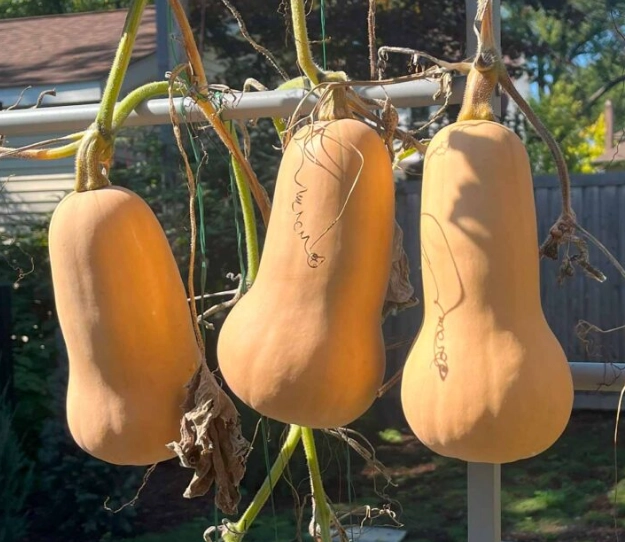
Top Signs Your Butternut Squash is Ready
Look for a combination of these cues. Don't rely on just one.
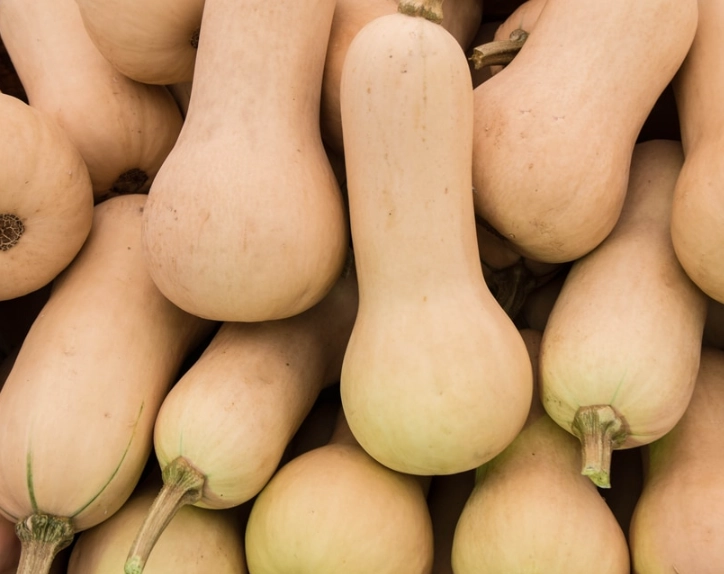
- The Skin Color is Your First Clue: A ripe butternut squash transforms from a bright, glossy green or beige with green streaks to a uniform, deep tan or beige-brown color. That green tinge should be completely gone. The skin takes on a matte, almost dull finish, losing its youthful shine. Think of it like a tan – it deepens and becomes consistent.
- The Rind Test (The Thumbnail Test): This is the most reliable hands-on test. Try to puncture the skin with your thumbnail. On a ripe squash, the rind should be so hard that you cannot pierce it, or you can only make a faint dent with significant pressure. If your nail sinks in easily, the squash is not ready. The rind needs to be hard enough to protect the flesh during storage. I sometimes use my fingernail on the side facing the ground – if it gives at all, I walk away for another week.
- The Stem Tells a Story: The stem (or peduncle) connecting the squash to the vine starts to dry out, harden, and turn from green to a corky, woody brown. It may even begin to crack or shrivel. This is the plant naturally severing the nutrient and water supply, saying, "I'm done here." A green, fleshy, pliable stem is a clear sign to wait.
- The Vine is Giving Up: Often, the vine leading to the squash starts to yellow, brown, and die back. This is a natural process, especially as temperatures cool. It's the plant's final act of directing all remaining energy into maturing the fruit. Don't panic when you see this; it's often a good sign for harvesting butternut squash.
What About Days to Maturity and Frost?
Seed packets usually say 80-110 days. Use this as a starting point for checking the signs above, not as the harvest day. Weather, soil, and variety all play huge roles.
Frost is the great enemy. A light frost (temps just below freezing for a short time) can damage vines and leaves, but if it's forecast and your squash are very close to ripe (deep color, hard rind), you can harvest them. They will continue to cure off the vine. A hard freeze (temps below 28°F / -2°C for several hours) can damage the squash itself, causing cell walls to rupture and leading to rapid rot in storage. If a hard freeze is coming, harvest immediately, even if they're slightly underripe. It's better than losing everything.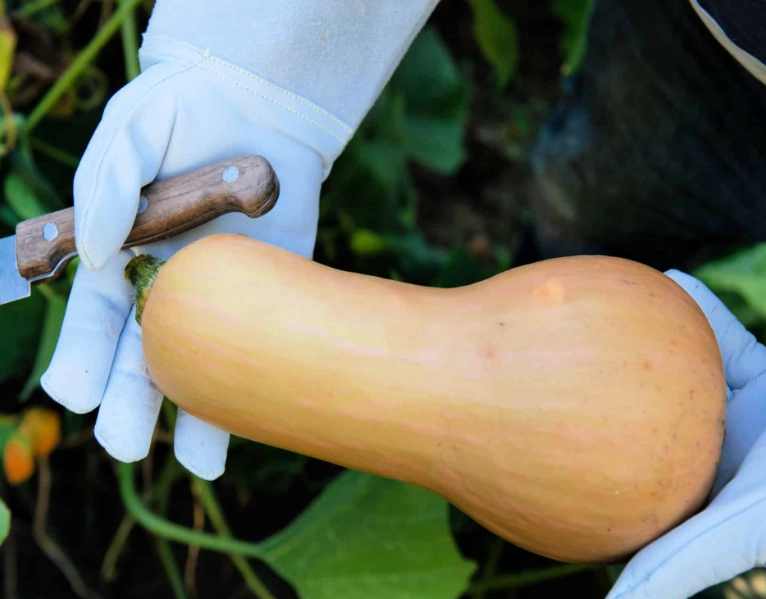
Here’s a quick-reference table for different climate situations:
| Your Situation | Best Action for Harvesting Butternut Squash |
|---|---|
| Perfect Conditions (Warm, dry fall, no frost threat) | Wait for all visual and tactile signs (deep color, hard rind, dry stem). Let the vine die back naturally for maximum sweetness. |
| Early Frost Warning (Light frost predicted) | If squash are mature (deep tan, hard rind), harvest before the frost. If still slightly green/soft, cover vines with row covers or old sheets overnight. |
| Imminent Hard Freeze (Temps below 28°F / -2°C) | Harvest all squash immediately, regardless of maturity. Sort them later. Slightly immature squash can still be used for immediate cooking. |
| Wet, Rainy Fall | Harvest on a dry day. Wet squash are prone to rot. If mature, get them out of the damp soil to cure in a dry place. Consider harvesting a touch earlier to avoid soil-borne diseases. |
The Harvest Toolkit: What You'll Need
This isn't a complex operation, but having the right tool makes a world of difference. You're not pulling an apple off a tree; you're performing minor surgery on a tough vine.
Essential Tools
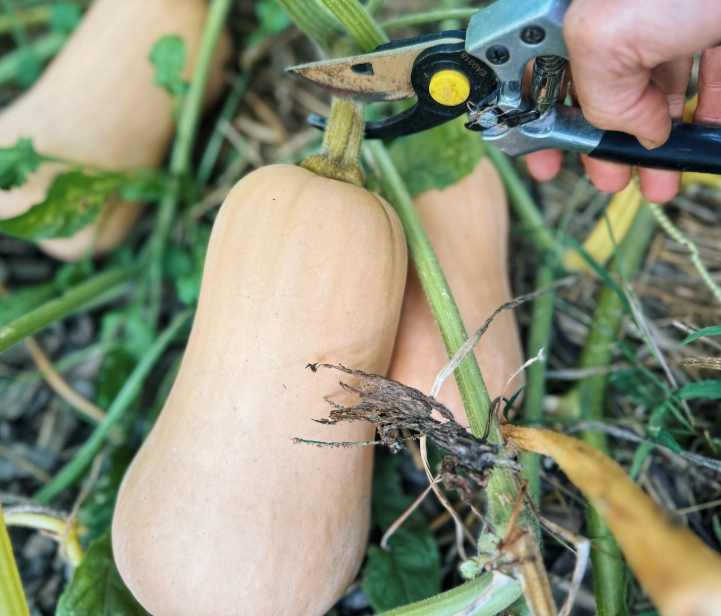
- Sharp Pruners or a Sturdy Knife: This is non-negotiable. Do not twist or snap the stem. A clean cut prevents tearing, which creates an open wound for fungi and bacteria. I prefer bypass pruners (they make a cleaner cut than anvil types). A sharp garden knife works too. Dull tools crush the stem.
- Gardening Gloves: The vines and leaves can be prickly and irritating to some skin.
Optional but Helpful
- A basket or garden cart.
- A soft cloth or towel to cushion squash in the cart and prevent bruising.
Step-by-Step: How to Harvest Butternut Squash the Right Way
- Pick a Dry Day: Always harvest when the squash, vine, and soil are dry. Moisture encourages rot at the cut stem and on the skin. Aim for a sunny afternoon after the morning dew has evaporated.
- Locate the Stem: Find the stem connecting your chosen squash to the main vine. You'll be cutting on the squash's side of the stem, leaving a 2 to 3 inch (5-8 cm) handle attached to the fruit. This "handle" is crucial for storage. It seals over and protects the inner flesh. Cutting too close is a big mistake.
- Make the Cut: With your sharp pruners or knife, make one clean, decisive cut. Don't saw at it. A clean cut heals fastest. Inspect the cut end – it should look clean, not ragged or crushed.
- Handle with Care: Gently lift the squash, supporting its full weight with your hands. Place it carefully in your cart or basket, ideally on a soft towel to prevent bruises. Bruises are entry points for decay later on.
- Clean Gently (If Needed): If there's caked-on mud, let it dry completely and then brush it off gently. Do not wash your squash with water. Washing removes the natural protective bloom on the skin and introduces moisture. You want them dry, dry, dry for storage. I only brush off dry dirt.
The Critical Step Almost Everyone Skips: Curing Your Harvest
You haven't finished harvesting just because the squash is in your garage. Curing is the secret sauce for long-term storage and developing that iconic sweet, nutty flavor. It's the process of hardening the skin further and allowing some of the internal starches to convert to sugars.
Here's how to cure butternut squash properly:
- Find the Right Spot: You need a warm, dry, and well-ventilated area. Ideal conditions are 80-85°F (27-29°C) with good air circulation for about 10-14 days. A sunny porch, a warm garage, a greenhouse bench, or even on a table in a sunny room can work.
- Arrange Them Properly: Don't pile them up. Place them in a single layer, not touching each other. This allows air to circulate around each fruit and prevents any rot from spreading.
- Let Them Be: Turn them occasionally if one side isn't getting air. The skin will become even harder, and the color may deepen slightly. The stem end should callous over completely.
What if you don't have a warm spot? Do the best you can. Even a week at room temperature (70°F/21°C) is beneficial. The key is airflow and dryness. Skipping curing is like baking a cake and taking it out halfway through – you miss the best part.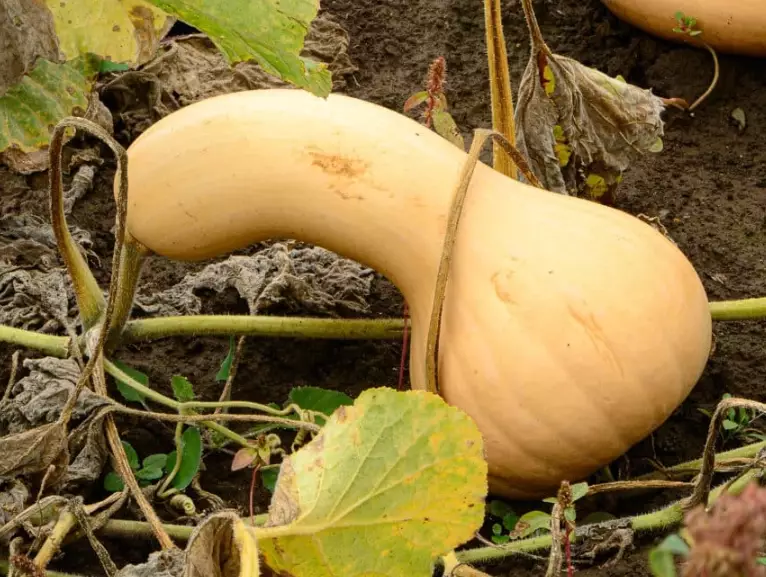
Storing Your Butternut Squash Bounty
After curing, move your squash to its long-term storage home. The perfect storage conditions are cool, dark, and dry.
- Ideal Temperature: 50-55°F (10-13°C). This is cooler than most house temperatures but warmer than a fridge. A basement, root cellar, unheated spare room, or a cool garage (that doesn't freeze) are perfect.
- Humidity: Moderate, around 50-70%. Too dry, and they may shrivel; too damp, and they'll mold.
- Setup: Again, single layer is best, on shelves or racks that allow air movement. Check them every couple of weeks for any soft spots. One rotten squash can spoil the bunch, so remove any offenders immediately.
Properly harvested and cured butternut squash can easily store for 3 to 6 months, sometimes even longer. I've eaten mine in March that were harvested in October, and they were still fantastic.
For detailed, science-backed information on the postharvest handling of winter squash, including optimal temperature and humidity ranges, the USDA Agricultural Research Service provides excellent resources. You can find specific data on the storage of cucurbit crops through their research portals, which confirm that the 50-55°F range is key for minimizing decay and maximizing shelf life. It's always good to know the why behind the garden advice.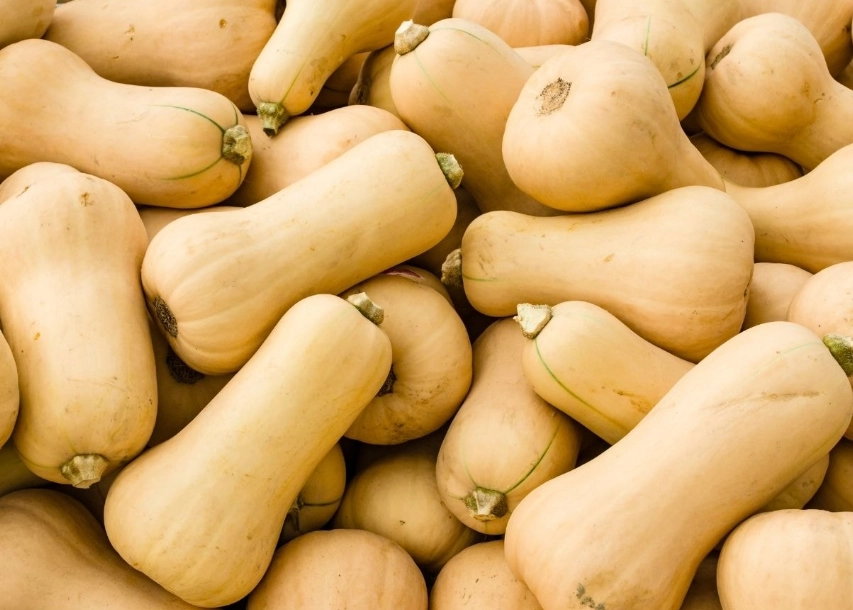
Your Butternut Squash Harvest Questions, Answered
Let's tackle the common head-scratchers and worries that pop up when figuring out when to harvest butternut squash.
Can you harvest butternut squash too early?
Absolutely, and it's the most common error. An immature squash will have pale skin, a rind you can puncture, and greenish flesh. The flavor will be bland, watery, and lacking sweetness. It won't store well either. If you accidentally harvest early, use it soon in soups or roasted dishes where you can concentrate the flavor. It won't improve much in storage.
What happens if you harvest butternut squash too late?
If it's still on the vine and past prime, the flesh can become fibrous, stringy, and overly dry. The seeds inside may start to sprout (vivipary), which is a sure sign it's over the hill. However, it's generally better to err slightly on the side of later than earlier, as long as frost hasn't hit.
Can butternut squash ripen after harvest?
This is a nuanced one. Unlike tomatoes, they won't "ripen" in terms of converting starches to sugars significantly after being cut from the vine. However, the curing process does continue to harden the skin and can slightly improve flavor and sweetness. A squash that is mature (hard rind, deep color) but not fully ripe in flavor will improve more than one picked truly immature. So, think "cure" not "ripen."
My squash is still a bit green. What now?
If most of the squash is tan but there's a green patch (often the side facing away from the sun), it's likely mature enough if the rind is hard. The green may fade during curing. If it's mostly green and soft, you picked too early. Use it quickly.
How do I know when to harvest butternut squash in a short-season climate?
Choose varieties with shorter "days to maturity" (look for 80-90 days). Start seeds indoors to get a jump on the season. Use black plastic mulch to warm the soil. Be vigilant for frost warnings and be prepared to harvest slightly early and cure indoors as thoroughly as possible.
Can I eat butternut squash right after harvest?
You can, but for the best flavor, wait at least a few weeks after curing. The sweetness and texture improve with a period of storage. A squash eaten in December is almost always better than one eaten in October.
What are the signs of a bad/rotten squash after harvest?
Soft, mushy spots (especially on the bottom), mold (fuzzy white, black, or blue spots), a foul fermented smell, or liquid oozing from the stem. If you see any of these, compost it immediately to protect the others.
For identifying specific post-harvest diseases, resources from university agricultural extensions are invaluable. For example, Cornell University's College of Agriculture and Life Sciences has extensive plant pathology fact sheets that can help you distinguish between different types of rot, which is useful for diagnosing problems in your stored squash.
Putting It All Together: A Harvest Checklist
Before you make the cut, run down this mental list:
- Color: Uniform deep tan/beige, no green streaks.
- Rind: Hard as a rock. Fingernail test = pass.
- Stem: Brown, corky, and drying.
- Vine: Dying back near the fruit.
- Weather: Dry day, frost forecast checked.
- Tool: Sharp pruners in hand.
- Plan: Warm, dry curing spot ready.
Figuring out the perfect moment for harvesting butternut squash is one of the most satisfying skills in gardening. It connects you to the cycle of the plant in a direct way. You're not just picking a vegetable; you're capturing a season's worth of sunshine and soil into a package that can feed you for months. It takes a little patience and observation, but the reward – that first sweet, creamy bite of roasted squash in the depths of winter – makes every day of waiting absolutely worth it.
So go out, give your squash a gentle knock, check its color, and trust your senses. You've got this.
Reader Comments