Quick Navigation
- The Five Foolproof Signs Your Butternut Squash is Ripe and Ready
- Ripe vs. Unripe: A Quick-Reference Table
- What to Do After You Pick Your (Hopefully) Ripe Squash
- How to Store a Ripe Butternut Squash for Months
- Answers to Your Burning Butternut Squash Ripeness Questions
- A Quick Note on Varieties and Sources
You know the feeling. You're at the farmers' market, or maybe staring at your own garden vine, looking at that butternut squash. It looks good, but is it ripe? Picking it too early means a bland, starchy disappointment. Waiting too long might mean it's past its prime or, worse, gets nibbled on by critters. I've been there, cutting into a beautiful squash only to find pale, watery flesh that has no business being in a soup. It's frustrating.
Figuring out if a butternut squash is perfectly ripe isn't as straightforward as, say, a tomato. You can't just give it a gentle squeeze. It requires a bit of a detective eye (and ear, and feel). Over the years, through more trial and error than I'd like to admit, I've pieced together a foolproof system. It's not just one thing; it's a combination of clues that tell you the squash is ready to deliver that sweet, nutty flavor we all love.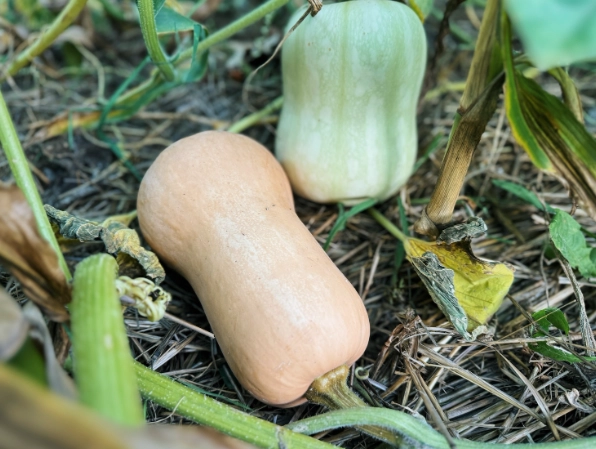
This guide is that system. We're going to walk through every single sign of ripeness, from the obvious to the subtle tricks most people don't know. We'll also cover what to do after you pick it (this part is crucial!), how to store it for months, and answer all those nagging questions that pop up. Let's get straight into it.
The Five Foolproof Signs Your Butternut Squash is Ripe and Ready
Forget relying on a single test. A truly ripe butternut squash will check most, if not all, of these boxes. Think of it as building a case.
1. The Color Test: From Green to Deep Tan
This is the most visual clue. A young, immature butternut squash has a distinct greenish or pale yellow hue, often with noticeable green streaks or patches. As it matures, it undergoes a uniform color change.
What you're looking for:
A deep, consistent tan or beige color. Imagine the color of a brown paper bag or light caramel. There should be no traces of shiny green, especially on the main body. The "butternut" part of its name comes from this nutty brown color it develops when ripe.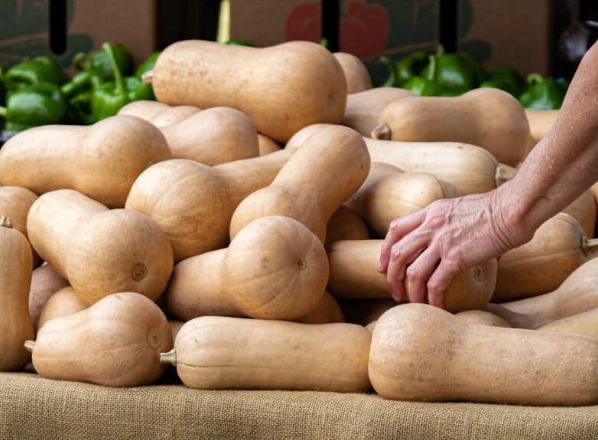
A quick story: I once left a squash on the vine because it had one small, stubborn green patch near the stem. After two weeks of no change, I picked it anyway. Turns out, the skin under that patch was just as hard and colored as the rest—it was just a surface blemish. The lesson? Look at the overall color, not a tiny spot.
2. The Stem Test: Corky, Brown, and Tough
The stem (the little handle where the squash connects to the vine) is a dead giveaway. An immature squash has a green, flexible, and somewhat moist stem. As the squash ripens, the vine starts to shut down the connection.
Here's the key sign:
The stem will turn from green to a dry, corky, woody brown. It should feel hard and brittle, not succulent. If you try to scratch it with your thumbnail, it should resist. Often, the vine itself will start to brown and wither near a ripe squash. This is the plant's way of saying, "I'm done here."
3. The Sound and Feel Test: The Thump and The Nail
This one feels a bit like judging a watermelon, but it works.
The Thump: Give the squash a firm flick with your finger. An immature, watery squash will produce a higher-pitched, hollow *ping* or a dull thud. A ripe, dense squash will have a deeper, more solid *thump* sound. It takes a bit of practice, but comparing a few squash side-by-side helps train your ear.
The Nail Test (The Ultimate Test): This is my go-to, especially for store-bought squash where I don't know its history. Try to pierce the skin with your thumbnail. I mean, really press in. On a truly ripe butternut squash, the skin has hardened and cured. Your nail should simply not make a dent. It will glide right off. If your nail sinks in, even a little, the squash is not fully mature and won't store well. This hardened skin is nature's perfect packaging for long-term storage.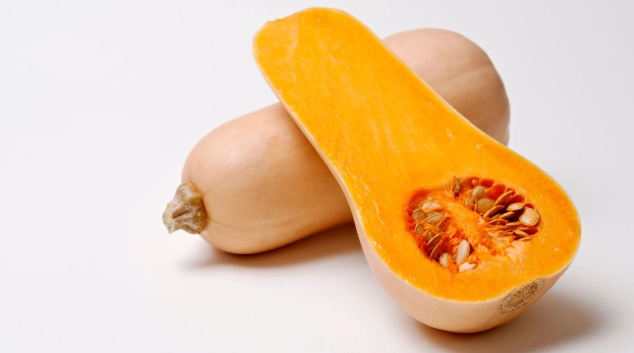
4. The Skin Texture: Dull and Hard, Not Shiny and Soft
Run your hand over it. A ripe butternut squash has a hard, matte finish. It should feel completely firm on all sides, with no soft spots whatsoever. Any soft area is a sign of rot or damage.
An unripe squash often has a slightly shiny or waxy appearance and the skin might give just a tiny bit under pressure. That glossy sheen disappears as the skin fully matures and hardens. The skin is your friend—it's what allows a properly ripened squash to last in your pantry for months.
5. The Timing and Size: Rules of Thumb
While not perfect alone, these are good supporting clues.
Days to Maturity: Check your seed packet. Most butternut varieties take between 85 to 110 days from planting to reach full maturity. If you're around that mark and the other signs are lining up, you're likely good to go.
Size: A mature butternut squash is typically between 8 to 12 inches long and feels heavy for its size. It should feel dense, like it's packed with solid flesh, not air and seeds. If it feels suspiciously light, it might be underdeveloped inside.
Ripe vs. Unripe: A Quick-Reference Table
Sometimes you just need a side-by-side comparison. Here’s a breakdown of the key differences to look for.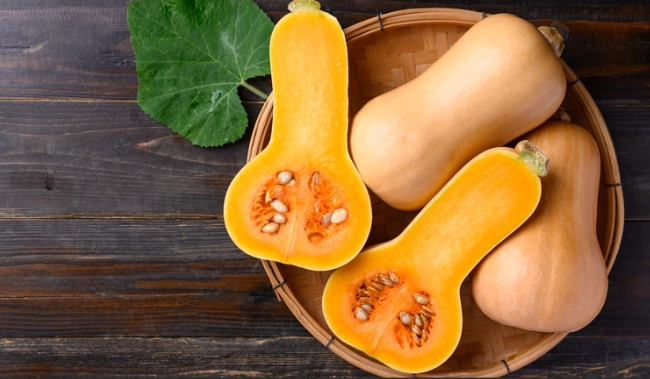
| Feature | Ripe Butternut Squash | Unripe Butternut Squash |
|---|---|---|
| Skin Color | Uniform deep tan/beige (like a paper bag). | Pale yellow, greenish, or with green streaks. |
| Skin Texture | Hard, matte, dull finish. Impervious to thumbnail pressure. | Can be slightly shiny or waxy; may give slightly under pressure. |
| Stem | Dry, corky, woody, and brown. Brittle. | Green, flexible, and may still look succulent. |
| Sound (when flicked) | Deep, solid *thump*. | Higher-pitched, hollow *ping* or dull thud. |
| Weight & Feel | Feels heavy and dense for its size. Very firm all over. | May feel lighter. Firmness might be inconsistent. |
| Primary Use | Perfect for eating immediately or for long-term storage. | Flavor will be bland, starchy; will not store well. |
What to Do After You Pick Your (Hopefully) Ripe Squash
Okay, you've determined your butternut squash is ripe and you've harvested it. Stop! Don't rush to cook it just yet. This next step is non-optional if you want the best flavor and storage life. It's called curing.
Curing is simply letting the squash sit in a warm, dry, well-ventilated place for about 10 to 14 days. This process does a few magical things:
- It allows any minor scratches or imperfections in the skin to heal over and harden.
- It helps convert some of the remaining starches into sugars, enhancing the final sweetness.
- It ensures the skin is fully toughened, creating that perfect natural barrier for storage.
I cure mine on a wire rack in my garage or on my porch if the weather is dry and sunny (but not in direct, scorching sun). An ideal curing spot is around 75-85°F (24-29°C). Just lay them out in a single layer so air can circulate all around. Don't pile them up.
After the curing period, give your squash one final inspection. Wipe off any dirt with a dry cloth (don't wash them!). Now they are ready for long-term storage or the kitchen.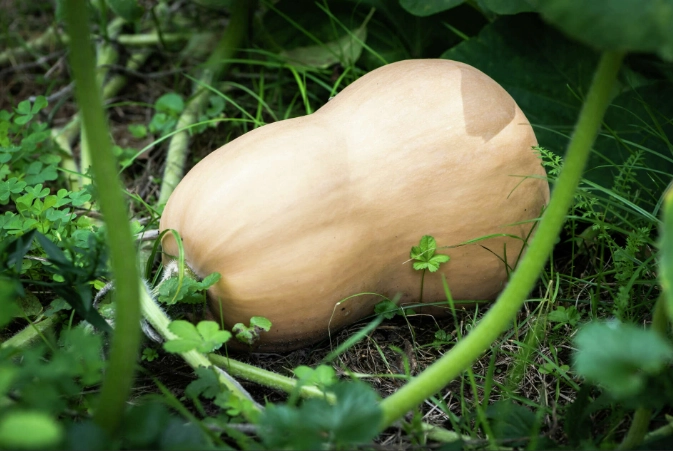
How to Store a Ripe Butternut Squash for Months
This is where all your hard work pays off. A properly ripened and cured butternut squash is a storage champion. Here are your options, from longest to shortest storage.
Ideal Long-Term Storage (The Pantry Method)
This is for whole, uncut squash. Find a cool, dark, and dry place. A basement, a cool closet, or the back of a pantry shelf is perfect. The ideal temperature range is 50-55°F (10-13°C).
Place them on a rack or shelf so air can flow underneath. Don't let them touch each other or a cold, damp wall. In these conditions, a ripe butternut squash can easily last 3 to 6 months. I've eaten squash in March that I harvested in October, and it was just as good.
Refrigerator Storage (For Cut Squash)
Once you cut into a squash, the clock starts ticking. Wrap the uncut portion tightly in plastic wrap or place it in an airtight container. Store it in the crisper drawer of your fridge. It should last for about 5 to 7 days this way, though the cut edge will start to dry out and discolor.
Freezing: The Best Way to Preserve for Cooking
If you have a glut of ripe squash, freezing is fantastic. Don't freeze it raw—the texture turns to mush. You need to cook it first.
- Cube and Roast: Peel, seed, and cube the squash. Toss with oil, roast until tender, let cool completely, then freeze in a single layer on a baking sheet before transferring to freezer bags. This prevents a giant frozen block.
- Purée: Roast halves of squash until soft, scoop out the flesh, purée until smooth, cool, and freeze in measured portions (muffin tins work great, then pop out the "pucks" into a bag). This is perfect for soups, pies, and breads.
Frozen, cooked squash is good for 10 to 12 months.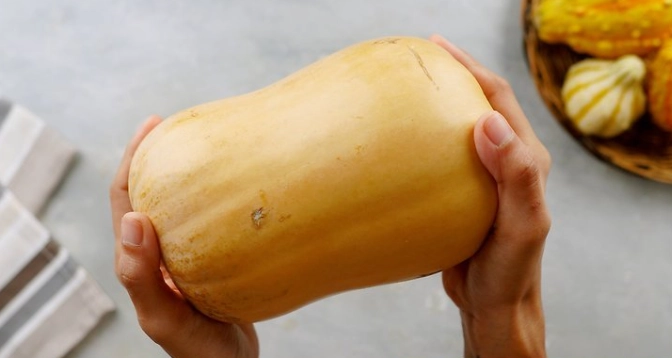
Answers to Your Burning Butternut Squash Ripeness Questions
1. Color: Deep, uniform tan.
2. Weight: Pick it up. It should feel surprisingly heavy.
3. The Nail Test: This is your best friend in the produce aisle. Try to press your thumbnail into the skin. If it gives, put it back. It's that simple.
4. Stem: Look for a dry, corky stem fragment. No stem at all can be a red flag, as it might be a point of decay.
A Quick Note on Varieties and Sources
Most common butternut squash varieties (like 'Waltham') follow these ripening guidelines. If you're growing a specialty type, it's worth checking the specific characteristics. For the most reliable, science-backed information on growing and harvesting winter squash, I always cross-check with my local university's cooperative extension service. These are fantastic, unbiased resources. For example, the University of Minnesota Extension has an excellent guide on growing winter squash that covers harvest signs in detail. Similarly, Penn State Extension provides great general storage tips for home gardeners. These sites are goldmines of practical, region-specific advice.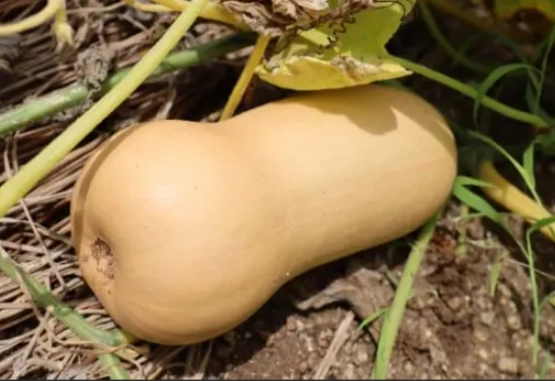
So there you have it. No more guesswork. The next time you're facing a butternut squash, you'll know exactly what to look for. Check the color, test the stem, give it a thump, and challenge it with your thumbnail. Find a ripe one, cure it properly, and store it right. You'll be rewarded with months of sweet, delicious, and versatile squash that's truly worth the wait.
Honestly, once you get the hang of it, it becomes second nature. You'll be the person confidently picking the best squash at the market while everyone else is just guessing. And that's a pretty good feeling.
Reader Comments