Quick Navigation
- Why Bother? The Serious Perks of Seasonal Eating
- The Big Picture: A Seasonal Fruit Calendar (Northern Hemisphere Focus)
- Your Local Reality: Why Your Zip Code Matters More Than a General List
- Top Fruits by Season: A Closer Look & How to Pick Them
- Storing Your Seasonal Bounty: Make It Last
- Answering Your Questions: The Seasonal Fruit FAQ
- Putting It Into Practice: A Simple Challenge for You
You know that feeling. You walk into the grocery store, see all the shiny fruit, and just wonder... is any of this actually good right now? That strawberry looks perfect, but tastes like cardboard. The mango is rock hard. It's frustrating, and honestly, a waste of money.
I've been there too many times. That's why I got obsessed with figuring out what fruits are in season right now, not just what's available. There's a huge difference. Eating with the seasons changed my cooking, my grocery budget, and honestly, how food tastes. A peach in August is a religious experience. A peach in December is a sad, expensive mistake.
So let's cut through the noise. This isn't just a list. It's a practical, region-aware, why-it-matters guide to answering the question "what fruits are in season right now" for you, wherever you are.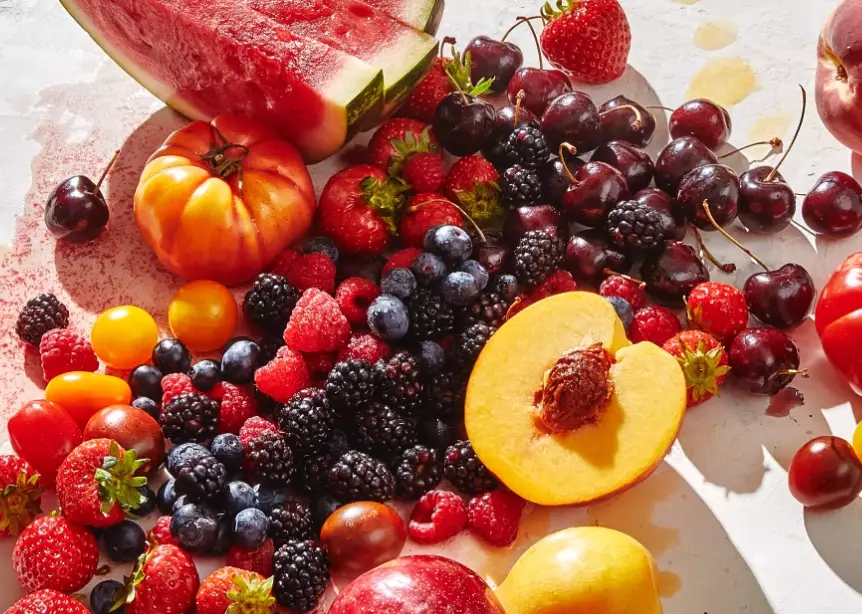
Why Bother? The Serious Perks of Seasonal Eating
Before we get to the lists, let's talk about the "why." It's not just foodie snobbery.
Flavor & Nutrition Win: Fruits picked at their peak, grown in their natural season and climate, develop more sugars, acids, and aromatics. They also tend to have higher levels of vitamins and antioxidants. The USDA and various agricultural studies, like those referenced by resources from the USDA Economic Research Service, highlight the link between optimal harvest time and nutrient density. Simply put, in-season fruit tastes better and is better for you.
Then there's cost. When there's a local glut of strawberries, the price plummets. You're paying for abundance, not for refrigeration, transportation from another continent, or artificial ripening. Your wallet will thank you.
And let's not forget the environmental angle. Local, seasonal produce typically has a much smaller carbon footprint. Less fuel for transport, less energy for massive cold-storage warehouses. It's a simple choice that adds up.
But the biggest reason for me? It connects you to a rhythm. It gives you something to look forward to. Asparagus in spring, tomatoes in late summer, squash in fall. It makes eating more intentional and way more satisfying.
The Big Picture: A Seasonal Fruit Calendar (Northern Hemisphere Focus)
Okay, down to business. What fruits are in season right now? It depends entirely on the month. Since most of our readers are in the Northern Hemisphere, let's start there. Remember, "right now" is a moving target! I'll break it down by broad season.
Here's a visual guide to the major players in each season. This is a general framework—your local farmers' market will have the hyper-local truth.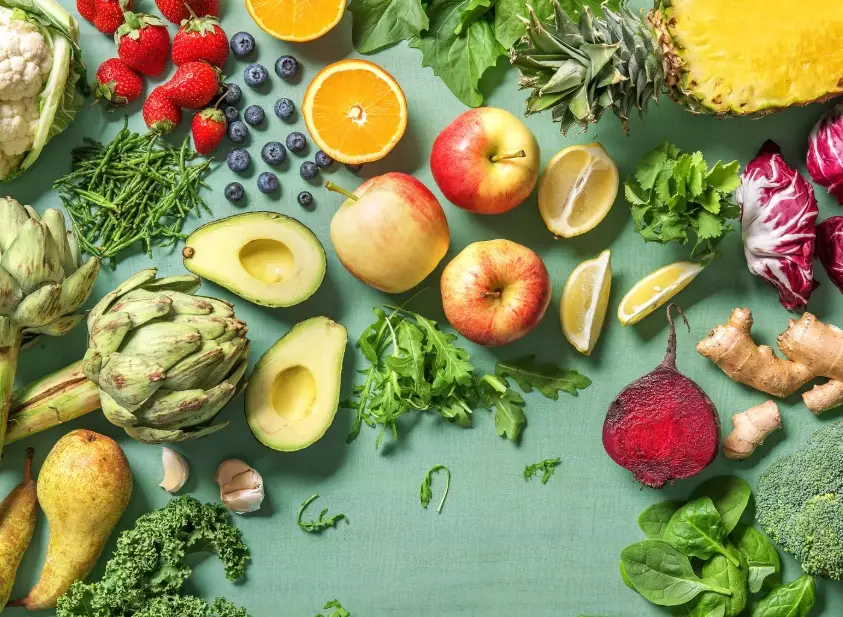
| Season | Common In-Season Fruits | Peak Flavor Notes |
|---|---|---|
| Spring (Mar-May) |
Strawberries, Rhubarb, Apricots (late spring), Cherries (late spring), Pineapple (tropical, but widely available) | Bright, tart, awakening. Berries are tender. A move away from winter storage. |
| Summer (Jun-Aug) |
Berries (Blueberries, Raspberries, Blackberries), Stone Fruits (Peaches, Nectarines, Plums), Melons (Watermelon, Cantaloupe), Figs (late summer), Grapes | Juicy, sugary, explosive. The height of abundance. Best for eating raw. |
| Fall (Sep-Nov) |
Apples, Pears, Grapes, Cranberries, Persimmons, Pomegranates, Figs (early fall), Kiwifruit | Sweet-tart, crisp, hearty. Fruits that store well or transition into cooler weather. |
| Winter (Dec-Feb) |
Citrus (Oranges, Mandarins, Grapefruit, Lemons), Pears (from storage), Apples (from storage), Pomegranates, Kiwifruit, Dates | Bright, acidic, vitamin-C rich. A burst of sunshine during short days. Relies heavily on storage & tropical/subtropical crops. |
See how it shifts? If you're reading this in July and wondering what fruits are in season right now, you're in the berry and stone fruit paradise. If it's January, you're in the glorious world of citrus.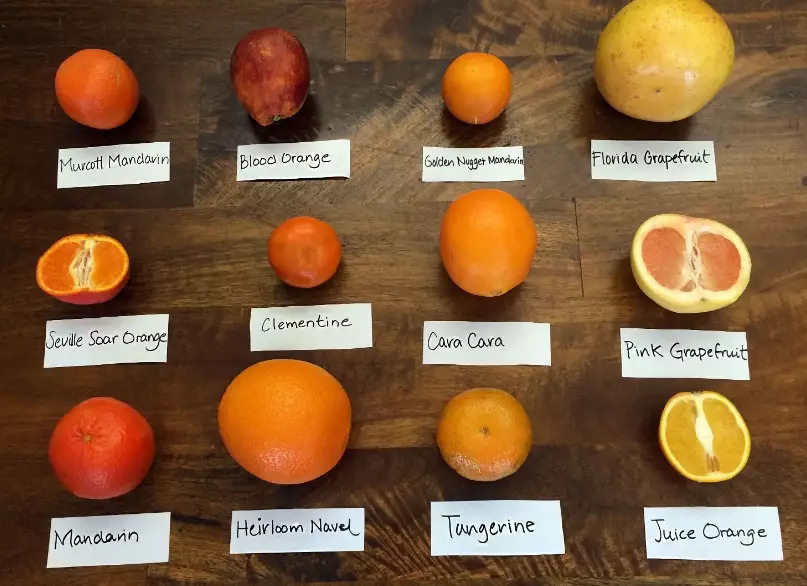
A quick personal rant: I think winter gets a bad rap for produce. Yes, it's leaner locally in cold climates, but a perfectly ripe, juicy clementine in December is one of life's great pleasures. Don't sleep on the citrus aisle!
Your Local Reality: Why Your Zip Code Matters More Than a General List
This is where most generic articles fail. A list for the whole USA is almost useless. A strawberry season in Florida (winter/early spring) is completely different from in Oregon (summer).
So, how do you really know what's in season near you?
- Visit a Farmers' Market: This is the #1 best way. What's on the tables in abundance? That's your answer. Talk to the farmers. They'll tell you what's just coming in and what's at its peak.
- Check Your State's Agricultural Department Website: Many states, like California or Washington, have fantastic seasonal produce guides. For a national perspective, the Seasonal Food Guide is a terrific non-profit resource that lets you search by state and month.
- Look at the Price & Origin: In a supermarket, if peaches are $0.99/lb and say "Georgia" or "South Carolina" on the sign, it's likely their peak season (summer). If they're $3.99/lb and from Chile, they're out of season locally.
For example, if you live in the Northeast and it's early October, you're drowning in apples, pears, and the last of the grapes. That's your reality. In Southern California at the same time, you might still be getting late figs and the very start of citrus.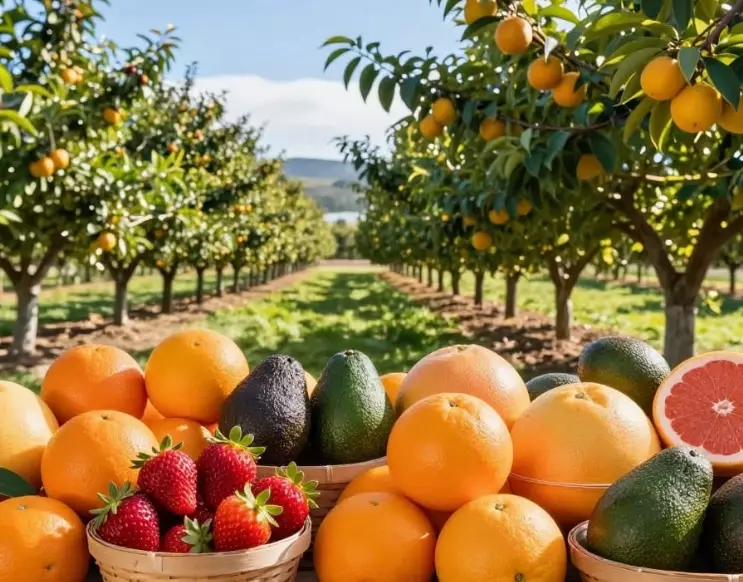
Top Fruits by Season: A Closer Look & How to Pick Them
Let's get specific. Here's a deeper dive into some seasonal superstars and how to choose the best ones. Knowing what fruits are in season is step one. Knowing how to pick the good ones is step two.
Spring Stars
Strawberries: Look for vibrant, uniform red color all the way to the stem cap. A strong, sweet fragrance is a dead giveaway. Avoid berries with white or green shoulders, or those sitting in a wet, juicy container—they're mushy. Size doesn't equal flavor; sometimes smaller ones pack more punch.
Rhubarb: Often paired with strawberry, it's a vegetable we use like a fruit. Go for firm, crisp stalks with a deep red or pink color. Limp stalks are old. A quick note: only the stalk is edible; the leaves are toxic.
Summer All-Stars
Peaches & Nectarines: The holy grail of summer. Forget the color—a greenish peach can be ripe. The key is gentle pressure near the stem. It should yield slightly, like a ripe avocado. They should smell incredible. Hard as a baseball? It was picked too early and will never be great.
Watermelon: The classic thump test is okay, but I rely more on a yellow "field spot" (where it rested on the ground) and a dull, not shiny, rind. It should feel heavy for its size.
Berries: Check the bottom of the container. No stains, no moldy berries hiding down there. Blueberries should have a dusty silver bloom (a natural protective coating) and roll freely, not clump together.
Fall Favorites
Apples: Firm to the touch with smooth, tight skin. Avoid bruises or punctures. Different varieties peak at different times! Early fall might be Gala, later fall is Fuji and Granny Smith. Your local orchard knows best.
Pears: This is tricky. Most pears (like Bartlett, Anjou) are picked mature but not ripe. They ripen off the tree. Buy them firm and let them ripen on your counter until they yield slightly at the neck. If you wait for them to be soft all over, they'll be mushy inside.
Winter Bright Spots
Citrus: Heavy for its size = juicy. Oranges and grapefruits should feel firm, not puffy. Mandarins/Clementines should have skin that's slightly loose but not shriveled. A vibrant color is good, but a green tinge on an orange doesn't always mean it's not ripe (especially in warmer climates).
Persimmons: Don't get bitten by the astringency! For the common Hachiya variety, you must wait until it's so ripe it feels like a water balloon—jelly-soft. Eating it firm is like sucking on a bitter tea bag. The Fuyu variety can be eaten crisp like an apple.
Storing Your Seasonal Bounty: Make It Last
You've figured out what fruits are in season right now and bought a beautiful haul. Now, don't ruin it in the fridge!
The Counter vs. Fridge Rule: This is the biggest mistake people make. Fruits that continue to ripen after picking (climacteric fruits) should stay on the counter until ripe, then go in the fridge to slow down decay. This includes: peaches, nectarines, plums, apricots, avocados, bananas, pears, mangoes, kiwis, tomatoes (yes, a fruit!).
Fruits that do NOT ripen further after picking (non-climacteric) go straight in the fridge: berries, citrus, grapes, cherries, pineapple, watermelon.
Apples are a special case. They last for months in the fridge's crisper drawer. But they also emit ethylene gas, which can make other produce (like carrots or lettuce) spoil faster. Keep them in a separate bag.
For berries, the enemy is moisture. Don't wash them until you're ready to eat them. Store them in their original container, or line a container with a paper towel to absorb excess dampness.
A little care goes a long way in preventing food waste.
Answering Your Questions: The Seasonal Fruit FAQ
I get a lot of the same questions from friends and readers. Here are the real-world answers.
Are frozen or canned fruits considered "in season"?
Great question. Frozen fruits are often picked at peak ripeness and flash-frozen within hours. Nutritionally, they can be excellent and are a fantastic way to enjoy summer berries in winter. In terms of supporting local farmers right now, no. But for your health and taste? Absolutely a good option. Just check for added sugars or syrups.
What if I live in the Southern Hemisphere?
Your seasons are flipped! When it's summer here, it's winter there. So if you're in Australia in January and asking what fruits are in season right now, you're in the middle of stone fruit and berry season. Our fall/winter list (apples, pears, citrus) is your spring/summer list. Always think in terms of your local climate, not just the month name.
Why do some fruits, like bananas and pineapples, seem to always be in season?
They're grown in tropical climates where growing conditions (warmth, sun) are consistent year-round. Their "season" is basically always. Availability is more about global shipping logistics than a natural harvest window. That said, even pineapples have peak flavor times in their native regions.
Is organic always better for seasonal fruit?
It's a personal choice based on budget and priorities. For fruits where you eat the skin (berries, peaches, apples), going organic can reduce pesticide exposure. The Environmental Working Group's "Dirty Dozen" list is a popular, though debated, guide. For fruits with thick, inedible peels (oranges, watermelon, pineapple), the conventional vs. organic difference is less significant from a residue standpoint. My take? If you can afford organic for the thin-skinned fruits, especially when they're in season and cheaper, it's a good call. Otherwise, eating conventional fruits and vegetables is still far better than not eating them at all.
How can I use up a large amount of seasonal fruit before it goes bad?
This is the fun part! When you find a great deal on in-season fruit, get creative.
- Freeze it: Wash, chop, spread on a baking sheet to freeze individually, then bag. Perfect for smoothies or baking later.
- Make jam or compote: Even a small batch with a few cups of berries is easy and rewarding.
- Bake: Pies, crumbles, cobblers, quick breads (banana, zucchini, apple).
- Dehydrate it: Make apple chips, dried mango, or fruit leather.
- Ferment it: Try your hand at a simple fermented fruit soda or shrubs (drinking vinegars).
Putting It Into Practice: A Simple Challenge for You
This doesn't have to be overwhelming. Start small.
This week, when you go shopping, ask yourself one question: "What fruits are in season right now where I live?" Find just one item that fits the bill. Maybe it's a pint of local strawberries, or a bag of oranges from a nearby state. Buy it. Taste it. Compare it to the out-of-season version you might have bought last month.
Notice the difference in flavor. Notice the price. That's the whole game, right there.
Eating seasonally isn't about restriction. It's about anticipation and celebration. It's about getting the best version of what the earth is offering at this very moment. It connects your plate to a place and a time of year. And frankly, it just makes eating more interesting and delicious.
So, what's in season near you this week? Go find out. Your taste buds (and maybe your local farmer) will be glad you did.
Reader Comments