Quick Guide
Let's be honest. When you order a Caesar salad, you're probably thinking, "Hey, I'm being good. It's a salad." I used to think that too, until I started digging into the actual numbers. That creamy, savory, crunchy bowl of greens isn't always the light lunch it's made out to be. The truth about Caesar salad nutrition facts can be a real eye-opener. It's a classic for a reason—it's delicious. But what are you actually eating? Is it a protein powerhouse or a sodium bomb hiding in a wooden bowl? We're going to break it all down, piece by piece, from the romaine to the anchovy paste. And I'll share some simple swaps I've tried at home that make a huge difference without sacrificing that iconic flavor.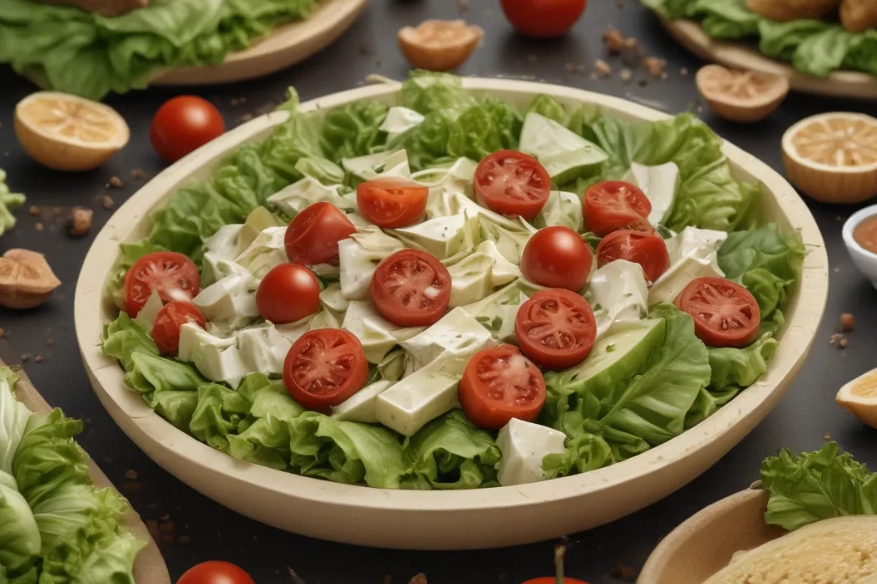
You're here because you want the straight facts. Maybe you're tracking macros, watching your sodium, or just curious. Whatever the reason, understanding the complete Caesar salad nutrition profile is the first step to making it work for your diet, not against it.
What's Actually in a Classic Caesar Salad?
Before we get to the numbers, let's look at the players. A traditional Caesar salad has four main components, and each one contributes significantly to the final tally of Caesar salad calories and nutrients.
The Core Four Ingredients:
- Romaine Lettuce: The base. This is the easy part—low in calories, packed with Vitamin A, K, and folate. It's practically all water and fiber.
- Caesar Dressing: The heart of the matter. This is where things get heavy. Real, traditional dressing is an emulsion of oil, egg yolk (or sometimes whole egg), Parmesan cheese, lemon juice, Worcestershire sauce, garlic, black pepper, and anchovies. That's a lot of oil and fat. The bottled stuff often adds sugar, stabilizers, and even more sodium.
- Croutons: The crunch. These are typically white bread cubes tossed in oil or butter and toasted. Straight-up refined carbs and added fats.
- Parmesan Cheese: The salty, umami finish. Shaved or grated on top. Adds protein and calcium, but also saturated fat and a good dose of sodium.
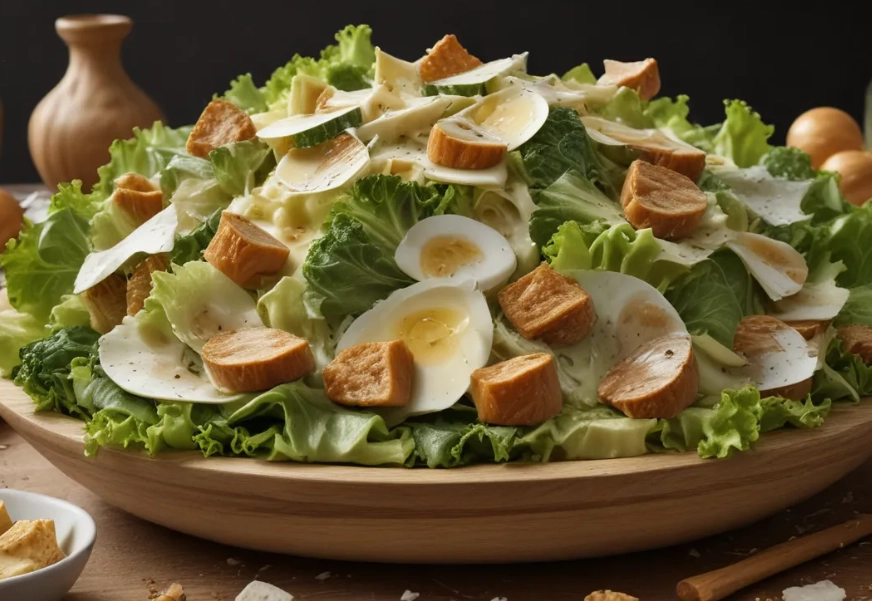
See, it's not just "lettuce." The dressing and croutons are carrying most of the nutritional load. When you look up Caesar salad nutrition facts for a restaurant version, you're largely looking at the impact of that creamy dressing and those buttery bread cubes.
I remember making my first from-scratch Caesar dressing. I was shocked by how much olive oil went into the blender. It was delicious, sure, but it made me realize why the restaurant version tastes so rich. They're not skimping.
A Detailed Breakdown: Caesar Salad Nutrition Facts & Calories
Alright, let's talk numbers. These can vary wildly depending on who's making it. A careful homemade version is different from a chain restaurant's mega-portion, which is different from a grocery store kit.
For a solid, realistic estimate, let's look at a standard restaurant-style serving—you know, the kind that comes as an entrée. We'll use data from the USDA FoodData Central, which is the gold standard for nutritional information, and cross-reference it with common restaurant analyses.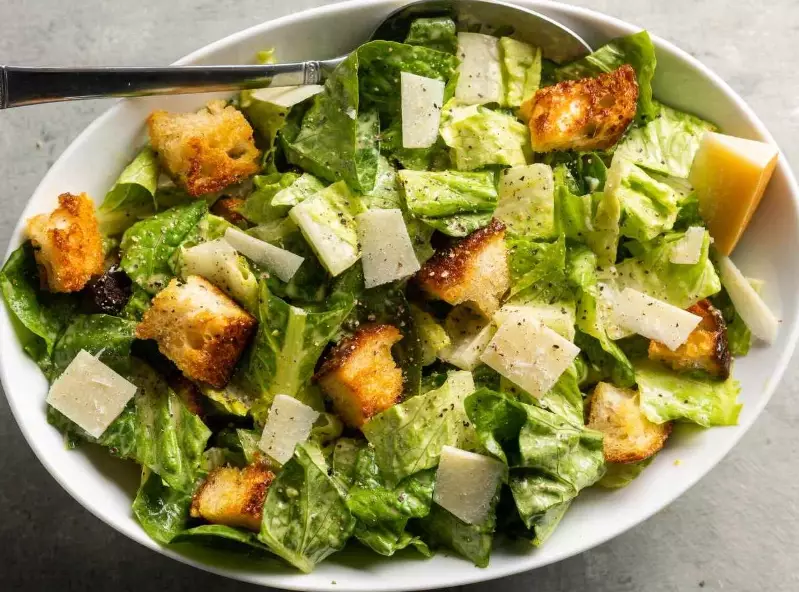
Here’s what you’re looking at in a typical full-sized Caesar salad entrée:
| Nutrient | Amount (Approx.) | % Daily Value (Based on 2000 cal) | Notes & Impact |
|---|---|---|---|
| Calories | 350 - 550 | 18-28% | Heavily depends on dressing amount. Can easily spike over 800 with extra dressing or protein add-ons. |
| Total Fat | 25g - 40g | 32-62% | Mostly from the oil in dressing and cheese. Not all fat is bad, but this is a concentrated source. |
| Saturated Fat | 6g - 10g | 30-50% | Mainly from cheese and egg yolk. The American Heart Association recommends limiting this. |
| Protein | 15g - 25g | 30-50% | A surprising strength! Comes from the egg in dressing, Parmesan, and anchovies. |
| Total Carbohydrates | 20g - 35g | 7-13% | Primarily from croutons. A significant portion is refined carbs. |
| Dietary Fiber | 3g - 5g | 11-18% | From the romaine. Decent, but could be better. |
| Sugars | 2g - 5g | -- | Mostly natural from lettuce/lemon. Watch for added sugar in bottled dressings. |
| Sodium | 800mg - 1200mg+ | 35-52%+ | This is the big one. Cheese, dressing, anchovies, croutons—all are sodium landmines. Can exceed half your daily limit in one bowl. |
Staring at that sodium number always gets me. Over 1000mg in one sitting? That's intense. If you're on any kind of blood pressure watch, this is the most critical part of the Caesar salad nutrition facts to pay attention to. The CDC recommends less than 2,300mg per day, so a single salad can use up nearly half of that.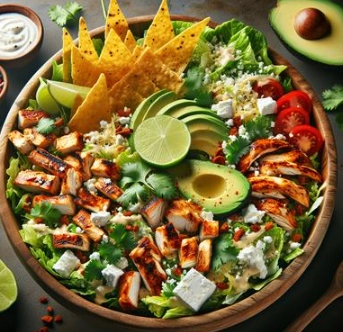
The Sodium Shock
The #1 thing people underestimate in a Caesar salad is the sodium content. Between the Parmesan, the anchovies, the Worcestershire sauce, and the salted croutons, it's a perfect storm. If you're eating out, the sodium can be even higher than our estimate—some chain restaurant analyses have shown figures north of 1500mg. That's a major drawback of an otherwise tasty meal.
The Good News: The Nutrients You Actually Want
It's not all cautionary tales. When you examine Caesar salad nutrition information, you find some genuine benefits hiding under that creamy surface.
- Protein Punch: Thanks to the egg, cheese, and fish, it's a more satisfying salad than a garden-variety one. That 15-25g of protein helps keep you full.
- Vitamin A & K: Romaine is loaded with these. Vitamin A is great for vision and immunity, and Vitamin K is essential for blood clotting and bone health.
- Calcium: All that Parmesan delivers a solid dose of calcium for your bones.
- Healthy Fats (Sometimes): If the dressing is made with good quality olive oil, you're getting monounsaturated fats, which are heart-healthy. The problem is the amount.
So it's a mix. You get some great stuff, but you pay for it in saturated fat and sodium. The balance is often off.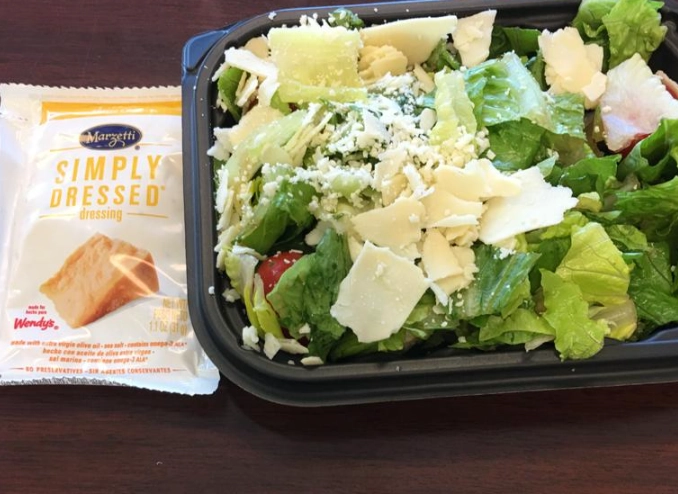
How to Decode a Restaurant Menu (Or a Store-Bought Label)
This is where practical knowledge kicks in. You won't have a calculator when you're ordering. Here's my rule-of-thumb guide from years of trying to eat out semi-healthily.
Ask for the dressing on the side. This is the single most powerful thing you can do. I can't stress this enough. Restaurants often drown the salad. Having it on the side lets you control the Caesar salad calories and fat by half or more. Just dip your fork in the dressing before spearing a bite. You'll taste it in every mouthful without bathing in it.
Scan for keyword red flags: "Creamy," "traditional," "rich," "house-made" (often code for extra oil). "Light" or "vinaigrette-based" might be better, but ask what's in it.
Consider the crouton swap: Ask if you can substitute the croutons for extra veggies, or just ask for half the croutons. You still get the crunch, but fewer empty carbs.
For store-bought kits or bottled dressing, the label is your bible. Look at the serving size first—it's usually a tiny, sad 2 tablespoons. No one uses just 2 tablespoons. Multiply accordingly. Then, immediately check the sodium and saturated fat lines.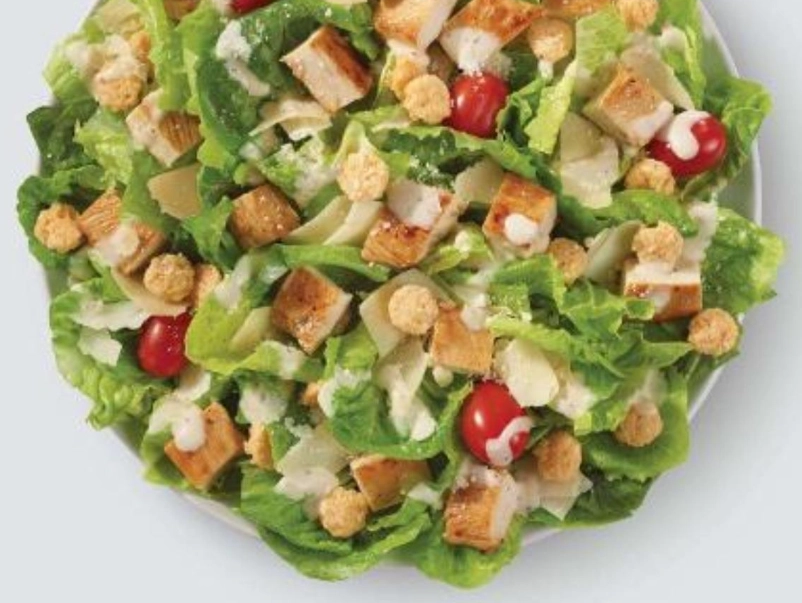
Pro Tip: When buying bottled dressing, pick one where the first ingredient isn't oil or water. Look for ones with lemon juice, vinegar, or even egg yolk listed first. And always shake it well—the healthy bits often settle at the bottom.
Building a Better, Healthier Caesar Salad at Home
This is the fun part. You can absolutely keep the soul of the Caesar salad while dramatically improving its nutrition facts. I've experimented a lot, and here's what actually works without making you feel like you're eating "diet" food.
1. Rethink the Dressing (The Game Changer)
The dressing is the lever. Pull this, and everything changes.
- The Base: Use Greek yogurt or blended low-fat cottage cheese instead of all that oil. You get a creamy, tangy base with a huge protein boost. I use about 3/4 cup of plain Greek yogurt, a tablespoon of good olive oil (for flavor), and skip the rest of the cup of oil.
- The Umami: You still need that salty, savory kick. Use a high-quality anchovy paste (a little goes a long way), a sprinkle of nutritional yeast along with your Parmesan, and a dash of Dijon mustard.
- The Acidity: Fresh lemon juice is non-negotiable. It brightens everything up.
Blend it all. It's creamy, it's punchy, it's satisfying, and the Caesar salad nutrition facts for this version are in a whole different league.
2. Upgrade the Crunch
Ditch the white bread croutons.
- Try whole-grain or seeded bread cubes, lightly toasted with a spritz of oil.
- My personal favorite: roasted chickpeas. Toss them in paprika and garlic powder, roast until crispy. You get fiber, protein, and crunch.
- Simple alternative: a handful of sliced almonds or sunflower seeds.
3. Pile on the Greens (and More)
Don't just use romaine. Mix in some kale (massage it with a bit of lemon juice first to soften it), arugula for pepperiness, or spinach. You'll increase the vitamin and fiber content instantly.
4. Protein Power-Ups (For a Main Course)
If you're having it as a meal, add a lean protein. Grilled chicken breast is the classic for a reason—it's lean and soaks up flavor. But also try:
- Grilled shrimp
- Flaked, baked salmon (amazing with the lemony dressing)
- Hard-boiled eggs (continuing the egg theme!)
- Leftover roasted turkey or chickpeas for a plant-based option
Let's compare. Here’s the nutritional face-off between a classic version and a smart, homemade "remix."
| Nutrient | Classic Restaurant Caesar | "Smart" Homemade Remix | Why It's Better |
|---|---|---|---|
| Calories | ~480 | ~320 | Significant savings, more room for other foods. |
| Total Fat | 38g | 16g | Massive reduction, mostly from cutting excess oil. |
| Saturated Fat | 9g | 4g | Less than half, easier on heart health goals. |
| Protein | 18g | 30g+ | Huge boost from Greek yogurt & added chicken. |
| Sodium | 1100mg | ~600mg | Almost halved by controlling salty ingredients. |
| Fiber | 4g | 8g+ | Doubled by adding chickpea croutons & more greens. |
See? You're not just cutting things out; you're swapping in better ingredients that make the salad more filling and nutritious. The "smart" version is a legitimately healthy meal.
Your Caesar Salad Nutrition Questions, Answered
I get asked these all the time. Let's tackle the common queries head-on.
Is Caesar salad healthy for weight loss?
It can be, but the standard version is a trap. The high calorie and sodium content can hinder weight loss if you're not careful. The key is the modifications: dressing on the side (or a light homemade version), fewer croutons, and adding lean protein. As a volume eater, I find a big Caesar with lots of greens and chicken can be very filling for the calories—if I make it myself.
Why is Caesar salad so high in calories?
Two words: oil and cheese. The traditional dressing is an oil-based emulsion. Oil has 120 calories per tablespoon, and a classic recipe can use over half a cup. That's nearly 1000 calories from the dressing alone before you add anything else. The croutons fried in butter or oil add another several hundred.
Is the fat in Caesar salad bad for you?
Not all of it. If made with olive oil, you get heart-healthy monounsaturated fats. The saturated fat from the cheese and egg yolk is what you want to moderate. The problem is the sheer quantity of total fat, which packs in the calories. Context matters—if the rest of your day is low-fat, a richer salad might be fine. But as a regular habit, that much fat adds up.
Can I eat Caesar salad on a low-carb or keto diet?
Surprisingly, yes—with major adjustments. The croutons are out (too many carbs). You need to scrutinize the dressing for added sugars (common in bottled kinds). The romaine, cheese, egg, and olive oil fit perfectly into a keto framework. In fact, a Caesar salad without croutons is a staple in many keto meal plans. Just ensure the dressing is sugar-free.
How does adding grilled chicken change the nutrition facts?
It's the best upgrade you can make for a meal salad. A 3-4 oz grilled chicken breast adds about 30-35 grams of pure protein and only about 150-200 calories, with minimal extra fat or carbs. It transforms the salad from a potential side dish into a complete, muscle-repairing, hunger-crushing meal. The Caesar salad calories with chicken will be higher, but the nutritional value and satiety skyrocket, making it worth it.
The Final Verdict
So, what's the bottom line on Caesar salad nutrition facts?
The classic version is a delicious, protein-rich salad that's also unexpectedly high in sodium and saturated fat. It's not "unhealthy" in a vacuum, but it's not the green goddess of wellness it's sometimes dressed up as either.
But—and this is a big but—it is one of the most customizable salads out there. With a few smart tweaks, you can completely flip its nutritional profile. You can turn it into a high-protein, high-fiber, vitamin-packed meal that supports your health goals instead of working against them.
Don't be afraid of it. Understand it. Ask for dressing on the side. Make your own yogurt-based version at home. Swap those croutons for something with more nutrients. Pile on the extra greens and a lean protein.
Next time you see it on the menu or think about making one, you'll know exactly what you're getting into—and exactly how to make it better. Now that's a tasty piece of knowledge.
Reader Comments