Quick Navigation
Let's be honest. You've probably stood in the produce aisle, staring at the apple display, and wondered, "Which ones are actually good for pie?" I know I have. You grab the shiniest bag, get home, and after all that peeling and slicing, your apple pie turns into a mushy, flavorless mess. Or worse, a soupy one with a soggy bottom crust that nobody wants to eat. It's frustrating, right? All that work for a disappointing dessert.
Well, I'm here to tell you it doesn't have to be that way. The secret to a legendary apple pie isn't just in your grandmother's crust recipe (though that helps). It starts much earlier, right there in the grocery store, with choosing the right pie apples. The wrong apple variety will collapse into applesauce no matter how skilled you are. The right one will hold its shape, offer the perfect balance of sweet and tart, and make your kitchen smell like heaven.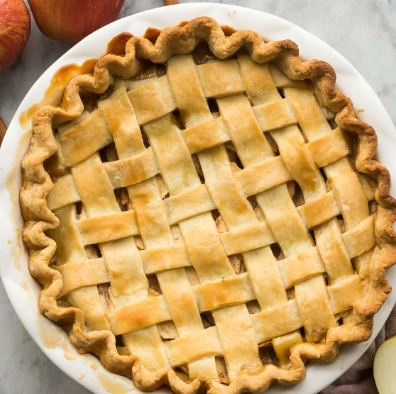
The Core Truth: Not all apples are created equal for baking. Pie apples need to walk a tightrope. They must be firm enough to keep their structure after an hour in a hot oven but flavorful enough to stand up to sugar and spice. A good eating apple often makes a lousy baking apple.
The Great Pie Apples Showdown: A Breakdown of the Top Contenders
Forget the fancy names for a second. What you really need to know about an apple is this: How does it behave under heat? Does it turn to mush or hold a defined slice? Is it sweet, tart, or somewhere in between? This isn't about picking the "best" apple in the world; it's about finding the best apple for the specific job of filling a pie.
I've made more than a few mediocre pies in my time to learn this. My first from-scratch pie used McIntosh apples because they were on sale. Big mistake. The filling was so watery it leaked through the lattice crust and created a sticky, caramelized lake on my baking sheet. The apple slices vanished, leaving behind a uniform, pale filling with no texture. It was edible, sure, but it wasn't a great apple pie.
So, let's get into the nitty-gritty. Here’s a detailed look at the champions, the reliable workhorses, and the apples you should probably avoid for your next pie.
The Undisputed Champions (The Top Tier for Pie)
These are the varieties that bakers and orchards swear by. If you see these, grab them.
Granny Smith: Oh, the classic. The bright green exterior screams tartness, and it delivers. That high acidity is its superpower. It balances out cups of sugar beautifully and, crucially, it holds its shape like a champ. You'll get distinct, tender-but-firm slices in every bite. Some folks find it too tart on its own, which is why it's often paired with a sweeter variety. A pure Granny Smith pie is for those who truly love a pucker.
Honeycrisp: The darling of the supermarket. It's juicy, explosively crisp, and has a fantastic honeyed sweetness with just enough acidity. For pie, it performs wonderfully—it softens but doesn't disintegrate, and its flavor is so good it doesn't get lost. The downside? They're often pricier than other varieties. But for a special occasion pie, they're worth it. Is Honeycrisp the perfect all-around pie apple? Many think so.
Braeburn: This is the apple that might just be the perfect middle ground. It has a complex flavor—a mix of sweet and tart with almost spicy notes—and a very firm flesh that bakes up tender but sliceable. It releases less juice than some others, which directly fights the dreaded "soggy bottom." If you want a balanced, reliable pie where the apples are the star, Braeburn is a stellar choice.
The Fantastic Blenders (Best Used in a Mix)
These apples bring incredible flavor or texture to the party but might need a friend for structural support.
Jonagold: A cross between Jonathan and Golden Delicious, it inherits a great sweet-tart balance and a lovely aroma. It's less firm than our top tier, so it will soften more. I love using it in a mix with a firmer apple like Granny Smith. It adds a depth of flavor and juiciness that complements the structure of the firmer fruit.
Northern Spy: An old-fashioned heirloom variety that pie purists seek out. It's tart, aromatic, and famously keeps its shape. The challenge is finding it outside of farmers' markets or regions where it's grown. If you see it, don't hesitate. It's a legendary pie apple for a reason.
Pink Lady (Cripps Pink): Another firm, tart-sweet apple that bakes beautifully. It holds up well and has a lovely flavor. It's a fantastic modern variety that has earned its place in the pie baker's arsenal.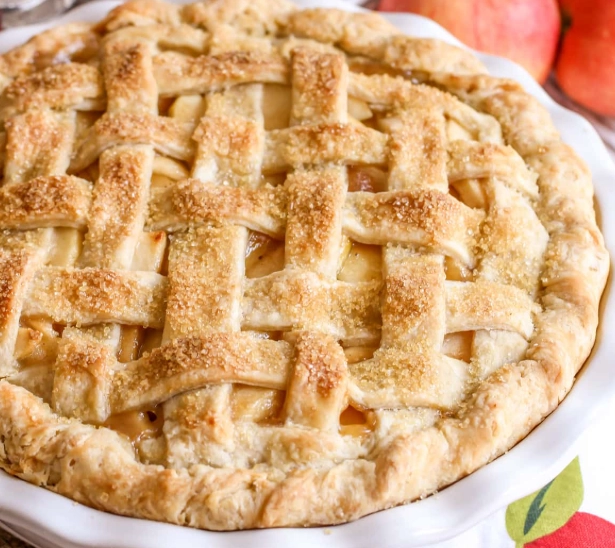
The Apples to Think Twice About
These are your common eating apples. They're delicious raw but can lead to pie problems.
Red Delicious: Just don't. They're mealy, bland when cooked, and turn into a grainy, insipid paste. They are the antithesis of a good pie apple.
Golden Delicious: Often recommended in old recipes, but I find them too soft and one-dimensionally sweet for a standout pie. They can work in a pinch if mixed with a very tart, firm apple, but on their own, they lack character and structure.
McIntosh: My old nemesis. Incredibly juicy and fragrant, but they cook down to applesauce almost instantly. If you love a very smooth, uniform filling, a single McIntosh might work. But for a pie with distinct apple slices, they will let you down.
| Apple Variety | Flavor Profile | Texture When Baked | Best For... | Pie Rating |
|---|---|---|---|---|
| Granny Smith | Very Tart, Bright | Firm, Holds Shape Excellently | Classic tart pie, Mixing with sweeter apples | 9.5/10 |
| Honeycrisp | Sweet with Mild Tartness | Softens but Holds, Juicy | Sweet, flavorful pies, Eating fresh too! | 9/10 |
| Braeburn | Sweet-Tart, Spicy Notes | Firm to Tender, Low Juice | Preventing sogginess, Flavorful solo pies | 9/10 |
| Jonagold | Balanced Sweet-Tart | Softens Considerably | Mixing for flavor complexity | 7.5/10 |
| McIntosh | Sweet, Aromatic | Very Soft, Saucy | Applesauce, Not recommended for slice pies | 4/10 |
See? The right apple changes everything.
Beyond the Variety: The Golden Rules for Perfect Apple Pie Filling
Picking the right apples is 70% of the battle. The other 30% is what you do with them. Here are the techniques that bridge the gap between a good pie and a great one.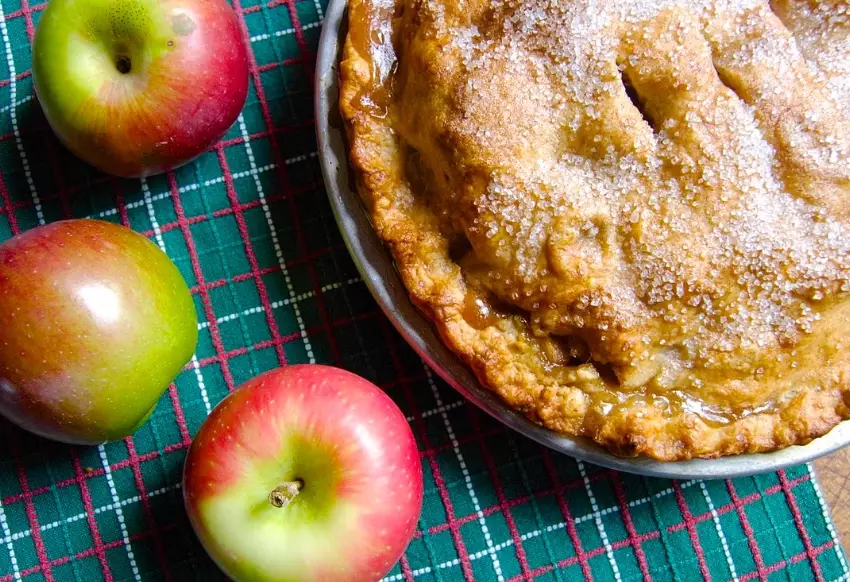
To Pre-Cook or Not to Pre-Cook? (The #1 Controversy)
This is the big debate. Many bakers, including some very famous ones, swear by pre-cooking their filling. They sauté the apple slices with some of the sugar and spices for a few minutes before they go into the crust. The argument is that it drives off excess moisture, concentrates flavor, and guarantees the apples are perfectly tender without overcooking the crust.
Others say it's an unnecessary step that destroys the fresh apple texture. I've done it both ways.
My take? For very juicy apples (like a mix containing Jonagold), a quick pre-cook is insurance against a flood in your oven. For very firm pie apples like Granny Smith, you can often get away with piling them raw. A great middle ground? Toss your raw apple slices with the sugar and spices and let them macerate for 30-60 minutes. They'll release a surprising amount of juice. Then, drain that juice off, reduce it in a saucepan to a thick syrup, and pour it back over the apples. Flavor locked in, excess moisture gone.
Pro Tip: That liquid you drain off or reduce? It's liquid gold. Simmer it until it's syrupy and brush it on the top crust before baking for an incredible gloss and extra flavor.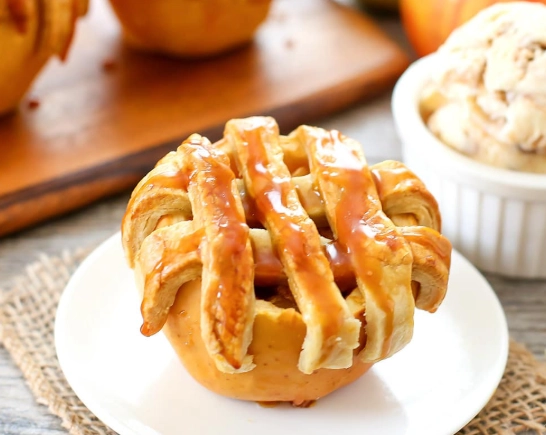
The Thickener Dilemma: Flour, Cornstarch, or Tapioca?
You need something to bind the released juices into a glossy, sliceable filling, not a runny soup.
- All-Purpose Flour: The traditional choice. It's easy but can leave a slightly cloudy, pasty texture if you use too much. It thickens at a higher temperature.
- Cornstarch: My personal go-to. It creates a clearer, glossier filling. But it can break down and get watery if the pie is overcooked or reheated too many times. Be precise with measurements.
- Instant Tapioca/Minute Tapioca: The secret weapon for many professional bakers. It creates a clear, stable gel that holds up beautifully to slicing and reheating. You often grind it into a powder first. The USDA's Complete Guide to Home Canning even notes the superior clarity of tapioca for fruit pies, which is a pretty solid endorsement for its stabilizing power.
You can't just swap them 1:1. Generally, you need less cornstarch or tapioca than flour. For a standard 9-inch pie, I use about 3 tablespoons of flour, 2 tablespoons of cornstarch, or 2-3 tablespoons of instant tapioca powder.
Common Mistake: Undermixing the thickener. Don't just dump flour on top of your apples. Mix your sugar, spices, and thickener thoroughly in a small bowl first. Then toss it with the apple slices until every piece has a light, even coating. No dry pockets of starch, no naked apples.
The Flavor Boosters Everyone Forgets
Cinnamon is fine, but let's talk depth. A pinch of salt is non-negotiable—it makes all the other flavors pop. A teaspoon of vanilla extract or even a tablespoon of bourbon or Calvados mixed in with the apples is transformative. A little lemon zest brightens everything up. Don't just think sweet; think about creating a complex flavor profile.
And what about the type of sugar? White sugar is standard, but swapping out a quarter cup for brown sugar adds molasses notes that pair incredibly well with apples. I sometimes use half white, half light brown sugar for a richer taste.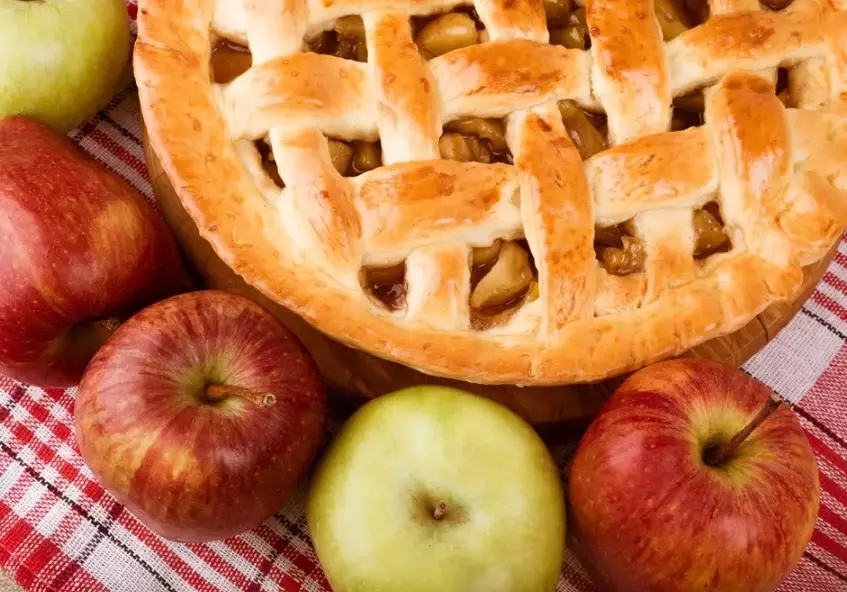
Your Pie Apples Questions, Answered (The Real Stuff You Google)
Putting It All Together: A Foolproof Game Plan for Your Next Pie
Let's stop with the theory and build a plan you can use this weekend.
- Procurement: Go to the store. Buy 3-4 Granny Smith apples and 3-4 Honeycrisp or Braeburn apples. You're making a blend. This guarantees great flavor and structure.
- Prep: Peel, core, and slice them into 1/4-inch thick slices. Not paper thin, not chunky wedges. Even slices cook evenly.
- Flavor Build: In a small bowl, mix 3/4 cup white sugar, 1/4 cup light brown sugar, 1/4 cup all-purpose flour (or 3 tbsp cornstarch), 1 tsp cinnamon, 1/4 tsp nutmeg, and 1/4 tsp salt. Toss this thoroughly with the apple slices in a large bowl. Let it sit for 30 minutes.
- Moisture Management: Drain the accumulated juices from the bowl into a small saucepan. Reduce over medium heat until it's a thick syrup (about 5-7 minutes). Let it cool slightly, then pour back over the apples and toss. Add 1 tsp of vanilla extract and a tablespoon of cold butter cut into tiny pieces. Toss again.
- Assembly & Bake: Pile this magnificent filling into your bottom crust. Dot with more butter. Add your top crust, vent it well, brush with milk or cream, and sprinkle with coarse sugar. Bake on a preheated baking sheet (catches drips!) at 425°F for 20 minutes, then reduce to 375°F for another 40-50 minutes until the crust is deep golden and the filling is bubbling thickly through the vents.
- The Hardest Step: Let the pie cool on a wire rack for at least 4 hours. I mean it. Walk away. This is when the filling sets. It will still be slightly warm and perfect for serving with ice cream.
Trust the process.
Final Slice: It's More Than Just Fruit
Choosing and preparing your pie apples with intention is what separates a homemade dessert from a store-bought imitation. It's the difference between "This is good" and "Can I have the recipe?"
It's not about being a perfectionist. It's about understanding how a few simple choices—tart vs. sweet, firm vs. soft, flour vs. tapioca—add up to create something truly special. That knowledge turns a daunting task into an enjoyable, even confident, ritual.
So next time you're in that produce aisle, you'll know exactly what to look for. Grab those firm, flavorful apples, and go make a pie that doesn't just feed people, but impresses them. You've got this.
Reader Comments