Quick Guide
You know that feeling when you bite into a strawberry in December and it tastes like... well, watery disappointment? I've been there too many times. That's why figuring out what fruit are in season right now is more than just a trivia question—it's the secret to flavor, value, and feeling good about what you're eating. It's not always obvious, especially when supermarkets stock everything year-round. But trust me, once you start eating with the seasons, you won't go back.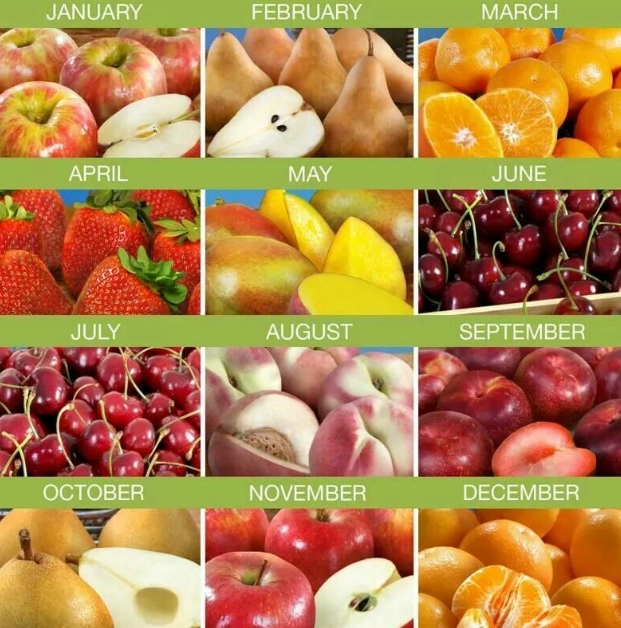
This guide is the one I wish I had years ago. We're going to break it down by season, talk about why it matters, and I'll even throw in some hard-won tips from my own kitchen disasters (yes, I've bought many a bland, out-of-season melon). Forget generic lists. Let's get into what you're actually likely to find at its peak, depending on when you're reading this.
Why Bother with Seasonal Fruit? It boils down to three things: taste, price, and nutrition. A peach picked ripe in summer bursts with juice and sweetness. Its winter counterpart, shipped from afar, is often hard and flavorless. Seasonal produce is usually cheaper because there's more of it. And studies suggest fruits harvested at their natural peak may have higher nutrient levels. The USDA's Farmers Market Directory is a fantastic place to find local, seasonal sources. It just makes sense.
The Seasonal Fruit Breakdown: Your Month-by-Month Guide
This is the core of it. Remember, these timelines are general and can shift by a few weeks depending on your specific region in the U.S. (California's seasons differ from New York's). But this table gives you a solid, reliable framework to answer what fruit is in season for most people.
| Season | Prime Time Frame | Top Tier Fruits (At Their Absolute Best) | Also Worth Looking For |
|---|---|---|---|
| Spring | March - May | Strawberries, Pineapples, Rhubarb, Apricots (late spring) | Cherries (late May), Honeydew, Valencia Oranges |
| Summer | June - August | Berries (Blueberries, Raspberries, Blackberries), Peaches, Nectarines, Plums, Watermelon, Cantaloupe | Figs, Grapes (late summer), Mangoes, Kiwifruit |
| Fall | September - November | Apples (countless varieties!), Pears, Grapes (Concord, etc.), Cranberries, Pomegranates | Persimmons, Quince, Figs (early fall), Key Limes |
| Winter | December - February | Citrus (Grapefruit, Oranges, Mandarins, Tangerines), Kiwifruit, Pears (stored well) | Pomegranates (early winter), Dates, Passion Fruit |
See? It's not random. Summer is for berries and stone fruit. Fall is for apples and pears. Winter is citrus season. Spring is that lovely bridge with the first berries and lingering citrus. Knowing this pattern is half the battle when you're staring at the produce section.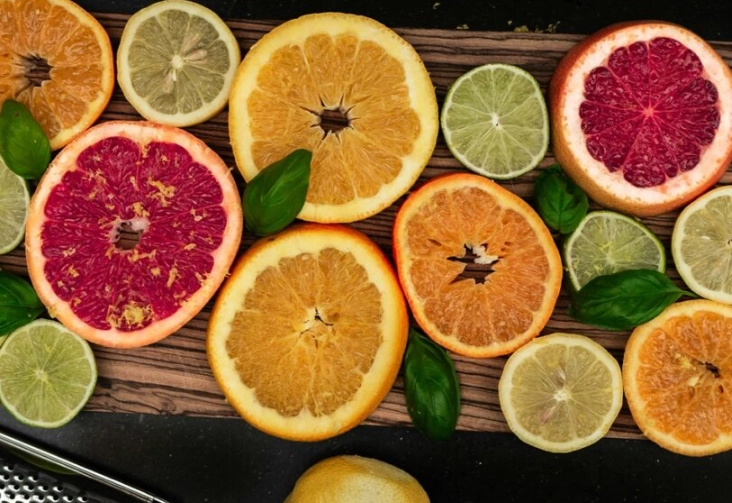
I used to buy apples year-round, not realizing how much better a freshly harvested Honeycrisp in October is compared to one that's been in storage since last year in July. The difference is night and day.
How to Actually Tell What's in Season at Your Market
So you have the chart. But how do you apply it in real life? Here's what I do.
First, I look at price and abundance. Is there a huge display of blueberries on sale? That's a strong seasonal signal. Second, I check the country of origin. If the grapes are from Chile in January, they're in season... in the Southern Hemisphere. They can still be good, but they've traveled far. If they're from California in September, you've hit the jackpot. Third, and most importantly, I don't hesitate to ask. The folks at the farmer's market or even the produce manager at your grocery store usually know what's coming in fresh.
A quick story: I once asked a farmer why his strawberries in June were so much better than the supermarket's in April. He simply said, "Sun and time." The ones forced early in hot houses or shipped from far away never develop the same depth of sugar. It was a simple answer that stuck with me.
Your nose is also a powerful tool. A ripe, in-season peach or melon will have a fragrant, sweet smell at the stem end. No smell often means no flavor.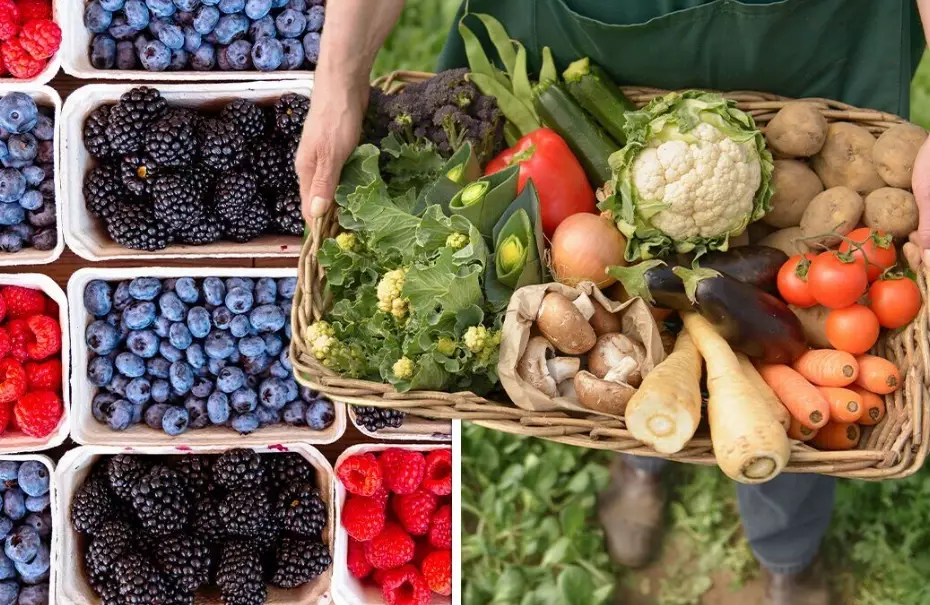
Top 5 Fruits You Should Absolutely Buy in Season (And Why)
Some fruits suffer more than others when eaten off-season. Here are the worst offenders for disappointment, and the biggest winners when you get them right.
- Tomatoes (Yes, they're a fruit!): The poster child for seasonal eating. A winter grocery store tomato is a pale, mealy imitation of a sun-warmed, summer heirloom. The difference is so vast they might as well be different foods. Wait for summer.
- Peaches & Nectarines: These stone fruits are delicate. They soften and sweeten on the tree. When picked too early for shipping, they might soften but never truly sweeten. A perfect summer peach is a life-changing experience. A bad one is just sad.
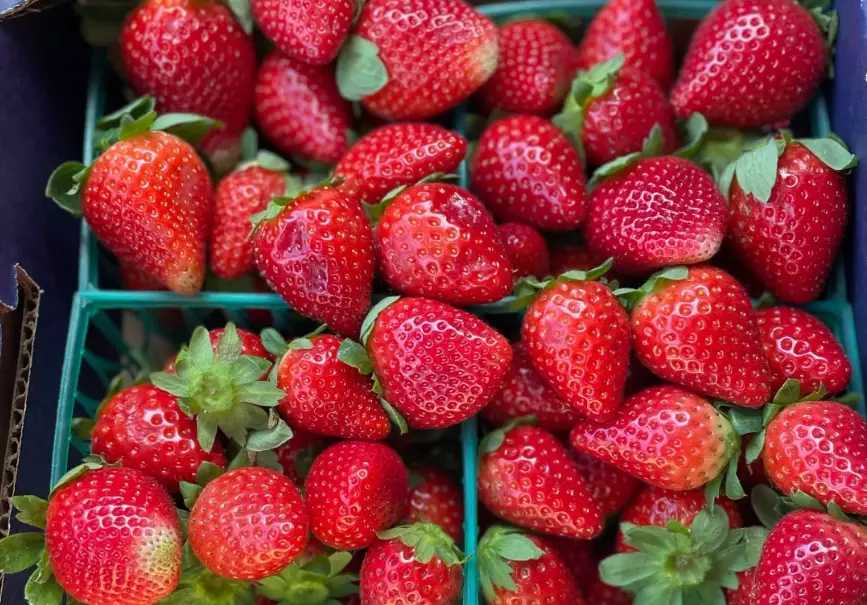
- Berries (Strawberries, Blueberries, Raspberries): They're perishable and expensive. Out of season, they're often sour, firm, and mold quickly. In season, they're sweeter, juicier, and your money goes much further.
- Melons (Watermelon, Cantaloupe): A ripe melon is heavy for its size and sounds hollow when tapped. An unripe one is just a block of bland water. Getting this right is a summer skill worth mastering.
- Pineapple: A ripe, in-season pineapple is explosively sweet and tangy. You can smell it from a foot away. An off-season one is often acidic and harsh. Trust the sniff test.
On the flip side, some fruits are more forgiving. Apples, pears, and citrus are often stored well, so their "in-season" availability stretches longer. But even then, the *freshest* ones right after harvest are superior.
Pro Tip: Can't remember what fruits are in season now? Just think about holidays. Pumpkins in fall. Cranberries at Thanksgiving. Clementines in stockings at Christmas. Citrus for winter wellness. Our food traditions are often cleverly built around seasonal availability.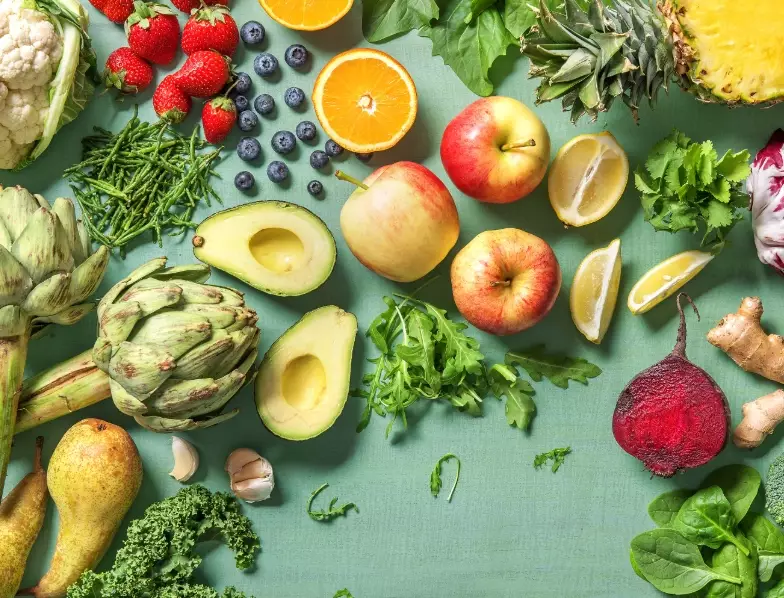
Storing Your Seasonal Bounty So It Lasts
Nothing's worse than finally scoring perfect berries or peaches, only to have them turn to mush in two days. Here’s how I manage the glut.
Counter vs. Fridge: This is the big one. Fruits that continue to ripen after picking (like avocados, peaches, plums, bananas, pears) should sit on the counter until they're perfect, *then* go in the fridge to slow down decay. Fruits that don't ripen further (like berries, citrus, grapes, cherries) go straight into the fridge.
Berry Strategy: This was a game-changer. Don't wash berries until you're ready to eat them. Moisture speeds up mold. Store them in a single layer on a paper towel in a ventilated container. I use the plastic clamshell they came in, but I line it with paper towel and leave the lid slightly cracked.
Freezing is Your Friend: When summer berries or peaches are cheap and perfect, buy extra and freeze them. Wash, dry, and slice if needed. Spread them on a baking sheet to freeze individually, then bag them up. They'll be perfect for smoothies, oatmeal, or baking all winter long. It's the best way to capture that seasonal flavor. The USDA's guide to freezing food safely has all the details you need.
Stone fruit like peaches and nectarines? Let them get perfectly ripe on the counter. Then you can eat some fresh and freeze the rest for later. It beats buying flavorless ones in January.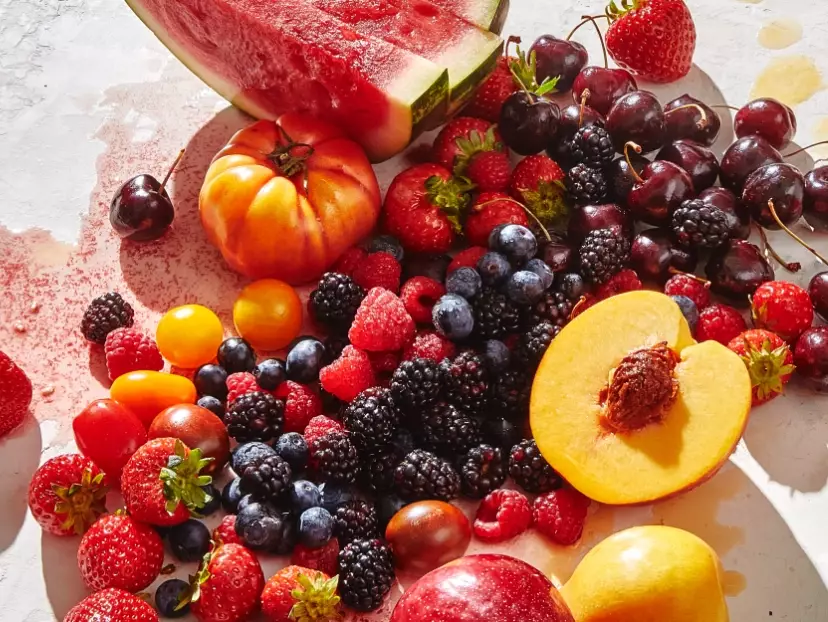
Answers to Your Burning Questions (FAQ)
See? The question of what fruit is in season isn't just about a list. It's about connecting with a natural cycle that gives us the best tasting, most economical, and potentially most nutritious food. It takes a little attention, but the payoff is huge.
The One Thing Most Guides Don't Tell You
It's okay to buy some things out of season. Really. If you're craving a banana smoothie in February, go for it. Bananas are always imported. The goal isn't purity or perfection; it's awareness. It's about knowing that a December strawberry will likely disappoint, so maybe you satisfy that berry craving with a frozen smoothie pack instead, and save the fresh berry splurge for June. It's about prioritizing your budget and excitement on the fruits that will truly shine right now.
Start small. Next time you're shopping, pick one item from the seasonal list for your current time of year. Compare it to how it tasted last time you had it off-season. Taste the difference for yourself. That's what made it click for me. It’s not a rulebook, it’s a way to get more joy and flavor from your food. And honestly, in this world, we could all use a little more of that.
So, what fruit are in season right now? Look outside, check the chart, and let your local farmers guide you. Your taste buds (and your wallet) will thank you.
Reader Comments