October hits, and suddenly the air smells like crisp leaves and ripe fruit. If you're like me, you wander into the grocery store or farmers market and wonder what's actually at its peak right now. It's easy to grab apples because everyone says they're in season, but are you missing out on pears or grapes? Let's cut through the noise. This guide dives deep into October's seasonal fruits, how to pick the best ones, and what to do with them—no fluff, just practical stuff from someone who's spent years navigating autumn harvests.
Jump to What You Need
Top Fruits at Their Peak in October
October isn't just about pumpkins for carving. The fruit selection is diverse, and each has a short window of perfection. I've seen people buy underripe pears and complain they're bland—don't be that person. Here’s a breakdown of what’s really good right now.
Apples: The Classic Fall Fruit
Apples are everywhere in October, but not all are equal. Varieties like Honeycrisp, Fuji, and Gala are sweet and crisp, perfect for eating raw. For baking, Granny Smith holds its shape. A tip from an orchard visit: apples stored properly can last months, but fresh-picked in October have a snap you won't get later. Avoid apples with soft spots or dull skin; they should feel firm and smell faintly sweet.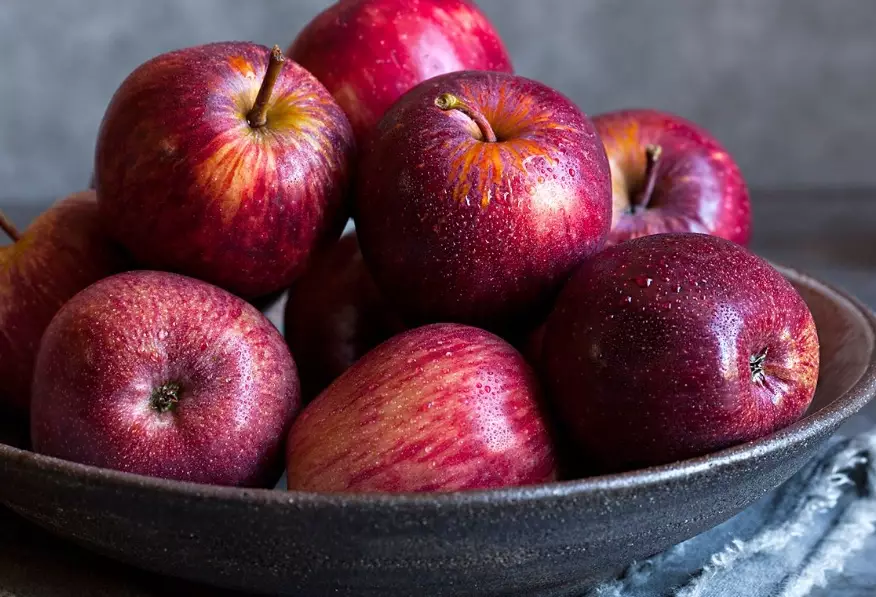
Pears: Sweet and Versatile
Pears ripen off the tree, so October pears are often picked firm and need a few days at home. Bartlett pears turn yellow when ripe, while Bosc stay brown. I once bought a bag of Bosc pears thinking they were bad because they didn't change color—nope, that's just how they are. Gently press near the stem; if it yields, it's ready. They're great in salads or roasted with honey.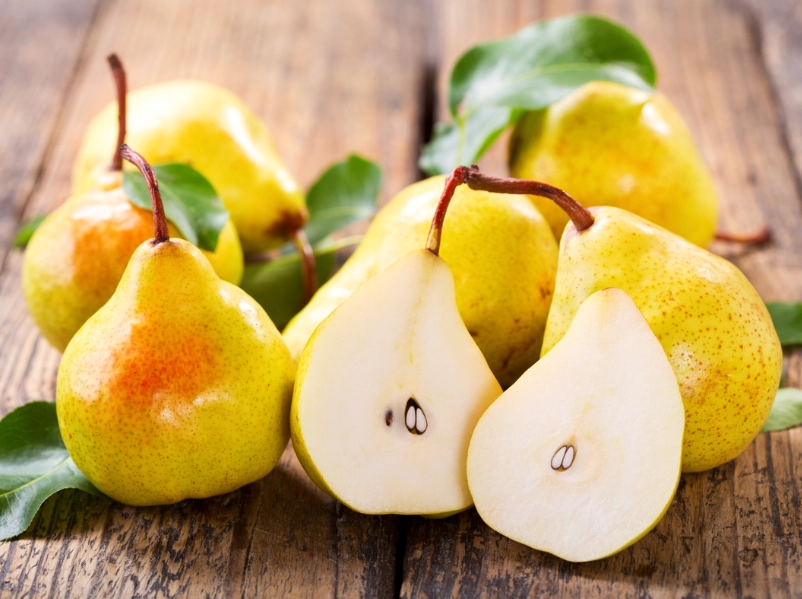
Grapes: From Table to Wine
Grape harvests peak in October, especially in regions like California. Table grapes like Thompson Seedless are sweet and juicy, while wine grapes are harvested for fermentation. Look for plump grapes firmly attached to the stem—avoid any with wrinkles or mold. A fun fact: grapes don't ripen further after picking, so choose wisely. They're perfect for snacking or adding to cheese boards.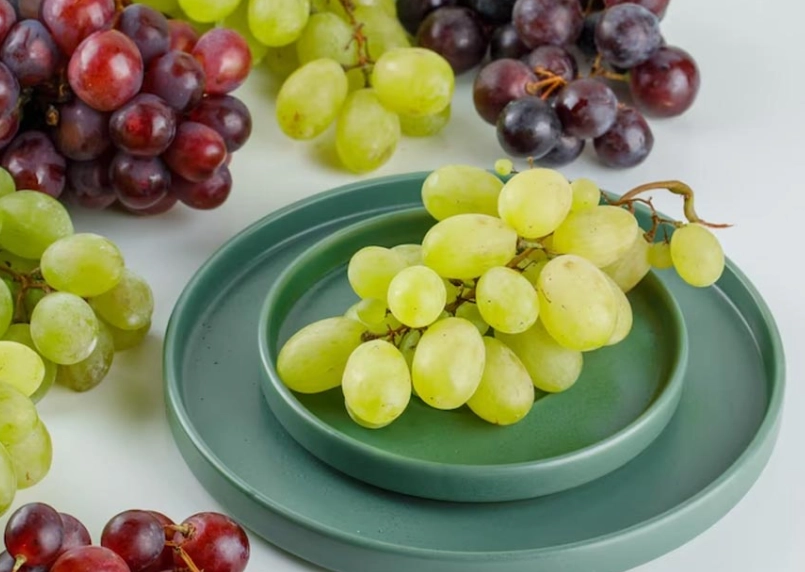
Others: Pumpkins, Pomegranates, and More
Don't overlook pumpkins (yes, they're fruits). Sugar pumpkins are best for cooking—sweeter and less stringy than carving types. Pomegranates start appearing in late October; their arils are tart and juicy. Persimmons and quince also come into season, though they're less common. I tried quince once; it's rock-hard and needs cooking, but makes amazing jam.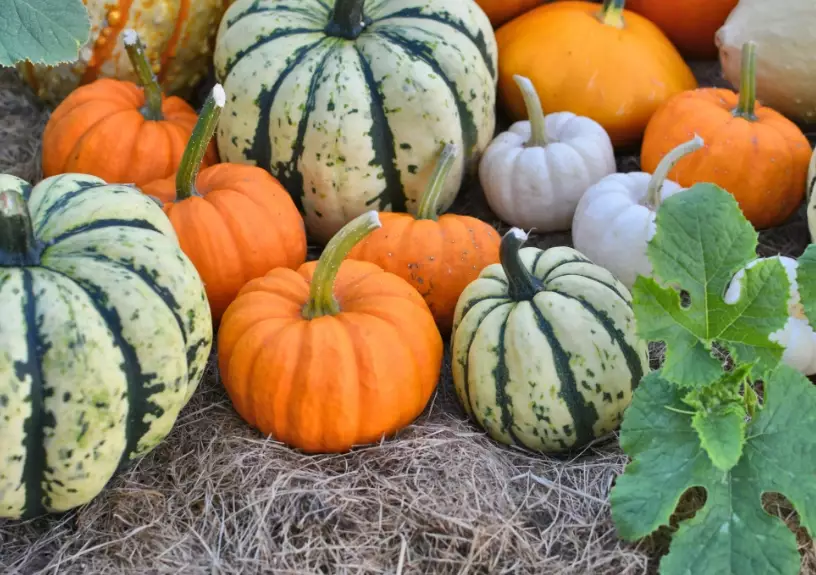
Quick Reference Table: October Fruits at a Glance
| Fruit | Peak Variety | Best Use | Storage Tip |
|---|---|---|---|
| Apples | Honeycrisp, Fuji | Snacking, baking | Fridge in crisper drawer |
| Pears | Bartlett, Bosc | Salads, roasting | Ripen at room temp, then fridge |
| Grapes | Thompson Seedless | Fresh eating, desserts | Fridge in ventilated bag |
| Pumpkins | Sugar pumpkin | Pies, soups | Cool, dark place |
| Pomegranates | Wonderful variety | Juicing, garnishes | Fridge for up to 2 months |
How to Choose and Store October Fruits Like a Pro
Selecting ripe fruit isn't rocket science, but a few tricks save money and frustration. I learned the hard way after buying mushy apples that turned into sauce too soon.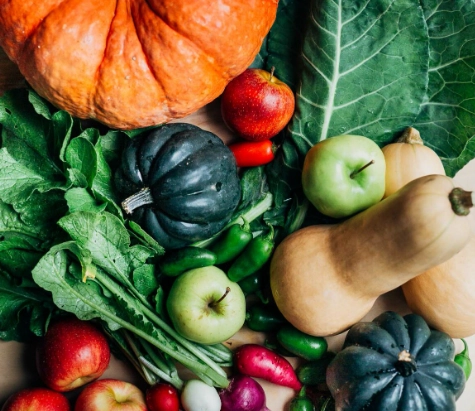
Start with apples: they should feel heavy for their size, with smooth skin. A dull sheen can mean they're past prime. For pears, the neck test is key—press near the stem, not the body. Grapes should be firmly attached; shake the bunch lightly—if grapes fall off, they're overripe.
Storage matters. Apples emit ethylene gas, which speeds up ripening of other fruits. Keep them separate in the fridge. Pears ripen at room temperature; once ripe, refrigerate to slow down. Grapes last longer in a perforated bag in the fridge. Pumpkins store well in a cool, dry spot—just don't stack them to avoid bruises.
Here's a personal hack: if you buy unripe pears, place them in a paper bag with a banana to speed up ripening. Works like a charm.
Easy Recipes to Make October Fruits Shine
You've got the fruit—now what? Forget complicated dishes; focus on simple ways to highlight flavor. October fruits are versatile enough for sweet and savory.
For apples, try a quick apple crisp: slice apples, toss with cinnamon and sugar, top with oats and butter, bake until golden. No need for fancy equipment. Pears? Slice them thin, add to a salad with blue cheese and walnuts. A drizzle of balsamic vinegar ties it together.
Grapes are great roasted with chicken—they caramelize and add sweetness. Pumpkins: roast cubes with olive oil and herbs for a side dish, or blend into soup. Pomegranate arils sprinkle over yogurt or oatmeal for a tart crunch.
I once made a pear and ginger compote that lasted weeks in the fridge—just simmer chopped pears with ginger and a bit of honey. Use it on toast or with pork chops.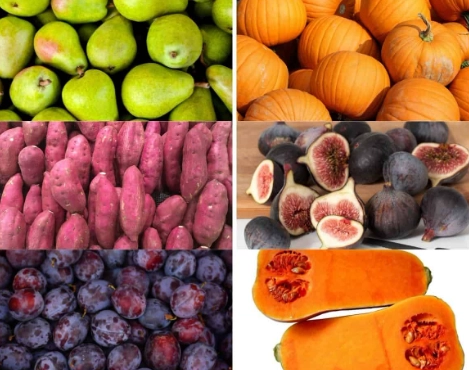
Common Questions About October Fruits (FAQ)
October's fruit season is short but sweet. Whether you're baking a pie or just snacking, knowing what's in season makes all the difference. Next time you're at the market, skip the imported berries and grab some local pears—you won't regret it.
Reader Comments