Quick Navigation
Let's be honest. We've all been there. You're at a nice salad bar or a pricy cafe, and you see this gorgeous, pink, speckled dressing. You try it, and boom – it's this perfect mix of sweet strawberry, a little tang, and a subtle crunch from those tiny poppy seeds. It makes a boring bowl of greens taste like a treat. Then you go to the grocery store, grab a bottle with a similar label, get it home, and... disappointment. It's too sweet, like candy syrup. Or it's weirdly thin. Or the flavor is just... off.
That was me for years. I'd buy a bottle, use it once, and it would sit in the fridge door until it became a science experiment. I finally decided enough was enough. If I wanted a good strawberry poppyseed dressing, I'd have to make it myself.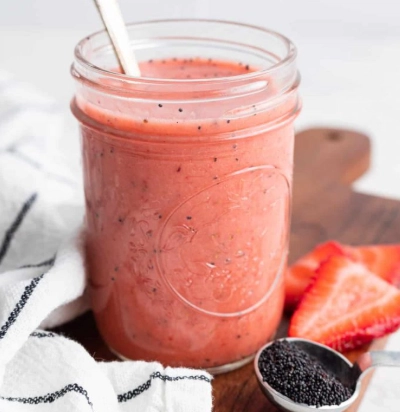
Turns out, it's one of the easiest things you can whip up in a kitchen. And once you know the basics, you can tweak it to be exactly what you want – less sweet, more tangy, creamier, whatever. This isn't just about a recipe. It's about never having to settle for a subpar bottled version again. We're going to break down everything: the core recipe, the why behind each ingredient, the tricks to avoid common fails, and even how to pick a decent one if you absolutely must buy it.
The Heart of the Matter: A No-Fail, Adaptable Recipe
Every great strawberry poppyseed dressing starts with a balance of four key elements: fruit, fat, acid, and sweet. Get that balance right, and you're golden. Here's my go-to blueprint. I call it a blueprint because you should feel free to mess with it.
What You'll Need (The Cast of Characters)
- Fresh Strawberries: About 1 cup, hulled and chopped. Frozen work in a pinch, but thaw and drain them REALLY well, or you'll have watery dressing. I made that mistake once. Not great.
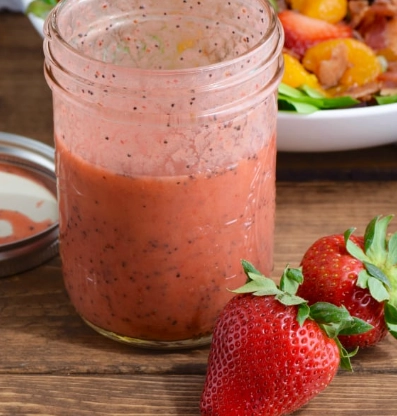
- Neutral Oil: 1/2 cup. Grapeseed, avocado, or a light olive oil. Don't use extra virgin olive oil unless you want your dressing to taste like olives and strawberries. (Some people might, but it's not the classic flavor).
- Acid: 3 tablespoons of apple cider vinegar OR white wine vinegar. Apple cider gives a fruitier tang, which I prefer. White wine vinegar is cleaner and sharper.
- Sweetener: 2-3 tablespoons of honey, maple syrup, or agave. Honey is the classic. Start with 2, blend, then add more if you want it sweeter.
- Creaminess (Optional but Recommended): 2 tablespoons of Greek yogurt or sour cream. This gives body and a slight richness that helps the dressing cling to lettuce instead of sliding off. A mayo-based version is also common.
- The Star Texture: 1 heaping tablespoon of poppy seeds. Don't skip these! They're not just for looks; they give that lovely little pop.
- Flavor Boosters: A small pinch of onion powder (trust me, it works), a tiny pinch of salt, and if you like, a dash of Dijon mustard for extra complexity.
See? Nothing crazy. You probably have most of this already.
Putting It Together (The 5-Minute Magic)
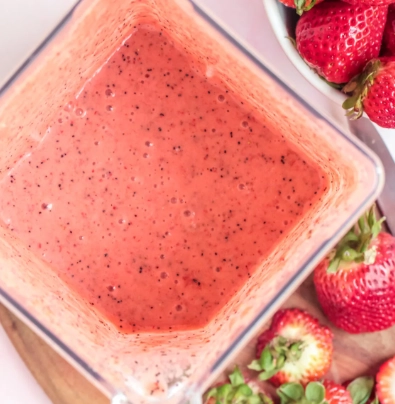
- Grab your blender or food processor. Toss in the strawberries, vinegar, sweetener, yogurt (if using), onion powder, salt, and mustard.
- Blend it until it's completely smooth. No strawberry chunks allowed.
- Now, here's the key trick for an emulsified dressing that won't separate in five minutes: With the blender running on low, slowly drizzle in the oil. I mean a thin, slow stream. This helps the oil bind with the watery strawberry mixture. If you just dump it in, it might stay separate.
- Once it's all in and looks creamy, stop the blender. Pour the dressing into a bowl or jar.
- Stir in the poppy seeds by hand. If you blend them in, you'll just chop them up and lose the texture.
And that's it. Taste it. Need more tang? Add a teaspoon of vinegar. Too tart? A bit more honey. You're in control. This homemade strawberry poppyseed dressing will keep in a sealed jar in the fridge for about 5-7 days. The flavor actually gets better the next day.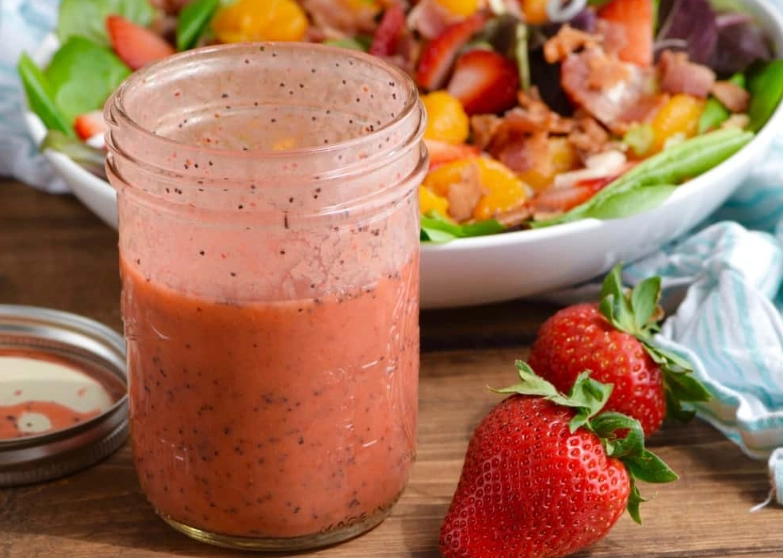
The moment I realized I could adjust the sweetness myself was a game-changer. Bottled versions always railroad you into their specific (often cloying) profile. Homemade gives you the remote control.
Beyond the Basics: Tweaks, Hacks, and Problem-Solving
Okay, so you've got the basic formula down. Now let's play with it and solve the problems you might run into.
Common Issues and How to Fix Them
My dressing is too thin/watery.
This is the number one complaint. First culprit: watery strawberries. If using frozen, drain them after thawing. You can even pat them dry. Second culprit: not enough oil or emulsifier. The oil and the yogurt/sour cream are what give it body. Make sure you're drizzling the oil slowly. As a quick fix, you can blend in an extra tablespoon of yogurt or a teaspoon of mayonnaise to thicken it up.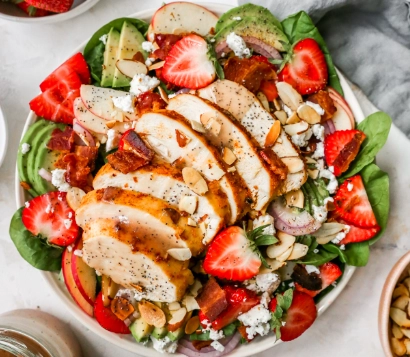
It's not sweet/tangy enough.
Easy. Add more sweetener or vinegar, a teaspoon at a time, and whisk. Remember, you can add, but you can't take away. Go slow.
How do you keep poppy seeds from sinking?
They will eventually settle if the dressing sits for a long time. That's normal. Just give the jar a good shake or stir before you use it. Making sure the dressing has a good, creamy consistency helps suspend them longer.
Can I use frozen strawberries?
Yes, but see above about draining! Also, frozen berries sometimes have a more concentrated flavor, which can be great. Just avoid ones packed in syrup.
Flavor Variations (Get Creative!)
- Citrus Zing: Add the zest of one orange or a tablespoon of fresh orange juice. Cuts the sweetness beautifully.
- Herby Twist: Blend in a few fresh basil or mint leaves. Sounds weird, tastes amazing with the strawberry.
- Dairy-Free/Vegan: Skip the yogurt. Use a tablespoon of tahini or a few tablespoons of unsweetened plant-based yogurt (like coconut or almond). For sweetener, use maple syrup or agave.
- Extra Creamy (Mayo-Based): Replace the oil and yogurt with 3/4 cup of mayonnaise and 1/4 cup of buttermilk or milk. Blend with the strawberries and other ingredients. This is a super rich, deli-style version.
When You're Short on Time: The Store-Bought Maze
I get it. Sometimes you just need to grab something. The salad aisle is a minefield of sugary, over-processed bottles. How do you pick the best strawberry poppyseed dressing when you're buying it?
Don't just grab the first one. Flip it over and look at the label. Here's what you're scanning for:
- Ingredient Order: Strawberries should be near the top, not after water and corn syrup. If "strawberry puree" or real fruit is listed early, that's a good sign.
- Sweetener Source: High fructose corn syrup as a top ingredient is a red flag for that overpowering, fake sweetness. Look for ones using sugar, honey, or agave.
- Oil Type: Soybean or canola oil are common and fine, but some prefer ones with avocado or olive oil blends.
- The Thickener Clue: Xanthan gum or gum arabic are common stabilizers. They're not bad, they just help keep it from separating. If you see a lot of starches, it might be overly gloopy.
I've wasted money on so many brands. Some taste like strawberry jam mixed with vinegar. Others are just... bland. Based on my trials (and errors), here's a quick comparison of common types you'll see.
| Brand/Type | What It's Like | Best For | Watch Out For |
|---|---|---|---|
| Classic Creamy (e.g., Brianna's, Litehouse) | Rich, smooth, often mayo-based. Sweet and tangy. The "restaurant-style" most people expect. | Traditional salads, coleslaw, dipping for chicken fingers. | Can be very high in sugar and fat. Often uses soybean oil. |
| "All-Natural" or Organic (e.g., Annie's, Primal Kitchen) | Often uses better oils (avocado, olive) and sweeteners (cane sugar, honey). Flavor can be less artificial. | Health-conscious shoppers, simple green salads. | Can be pricey. Sometimes the flavor is less bold or the texture is thinner. |
| Fat-Free or Light Versions | Obviously lower in calories and fat. | Strict calorie counters. | To compensate for fat, they often add MORE sugar, starch, and gums. The texture can be gummy, the flavor overly sweet or artificial. |
| Refrigerated Section Brands (in produce area) | Usually fresher, with shorter ingredient lists and no preservatives. Taste closest to homemade. | When you want store-bought but with a homemade vibe. | Short shelf life (use quickly), and the most expensive option. |
My personal take? If I'm buying, I lean toward the refrigerated ones or the "all-natural" brands with a short ingredient list. But honestly, after tasting the real deal you make at home, most bottles just don't compare. The value proposition shifts completely.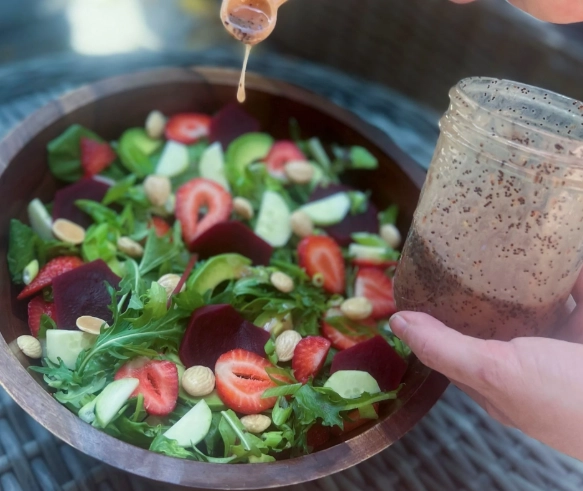
More Than Just a Salad Dressing
This is where a great strawberry poppyseed dressing really shines. It's a multi-tasker. Don't just pour it on iceberg lettuce.
- Marinade: It's fantastic for chicken, shrimp, or even firm tofu. The acid helps tenderize, and the sugar helps it caramelize nicely on the grill or in a pan.
- Dipping Sauce: Way better than ketchup for sweet potato fries, chicken tenders, or spring rolls.
- Grain Bowl Booster: Drizzle it over a bowl with quinoa, spinach, goat cheese, grilled chicken, and almonds. Incredible.
- Fruit Salad Enhancer: Mix a little into a fruit salad with melon, berries, and mint. It adds a sophisticated creamy element.
Answering Your Strawberry Poppyseed Dressing Questions
I've gotten a bunch of questions from friends since I started perfecting this. Here are the most common ones.
The Final Dollop
Look, at the end of the day, food is about pleasure and making your life easier, not more complicated. Learning to make a stellar strawberry poppyseed dressing is a small kitchen skill that pays off big time. It saves money, reduces plastic bottle waste, and most importantly, gives you exactly what you want on your salad (or your chicken, or your grain bowl).
The bottled stuff has its place – in a real pinch. But once you realize how simple, fast, and superior the homemade version is, it's hard to go back. You start with a basic template that works, and then you make it yours. Less sweet? More tangy? Extra creamy? You're the boss.
Give the recipe a shot this weekend. Use the ripest strawberries you can find. Drizzle that oil slowly. Taste as you go. I promise, the first time you dip a leaf of romaine into your own creation and get that perfect balance of flavor and texture, you'll understand. It's not just dressing. It's a little jar of culinary confidence. And it makes every salad so much better.
Got a weird variation that worked? Or a store-bought brand that actually surprised you? That's the fun part – the conversation around food. The science of emulsions and flavor pairing is fascinating, and resources from organizations like the Institute of Food Technologists (IFT) can dive deep into the hows and whys for the truly curious. But for now, just enjoy making something deliciously simple.
Reader Comments