Quick Guide to This Article
- Breaking Down the Classic Caesar: A Nutritional Autopsy
- Why It's So Easy to Get Tripped Up: The Health Halo Effect
- Building a Better Caesar: Your Guide to a Truly Healthy Salad
- Navigating Specific Diets: Keto, Gluten-Free, Vegetarian
- Your Caesar Salad Nutritional Info Questions, Answered
- The Final Takeaway: Knowledge is Power
Let's be honest. When you order a Caesar salad, you probably think you're making the safe, healthy choice. It's a salad, right? How bad can it be? I used to think the same thing until I started paying closer attention to what I was actually eating. The truth about Caesar salad nutritional info can be a real eye-opener. That creamy, savory, utterly delicious bowl of greens is often a nutritional wolf in sheep's clothing. But it doesn't have to be. Understanding what's in it is the first step to either enjoying it wisely or transforming it into something that genuinely supports your health goals.
This isn't about fear-mongering. I love a good Caesar. The combination of crisp romaine, that umami-rich dressing, crunchy croutons, and salty Parmesan is hard to beat. But after a period where I was tracking my food intake, I was genuinely surprised by the caesar salad calories and fat content staring back at me from my app. It made me dig deeper. So, whether you're counting carbs, watching your sodium, or just trying to eat cleaner, let's pull back the curtain on everything that goes into this classic dish's nutritional profile.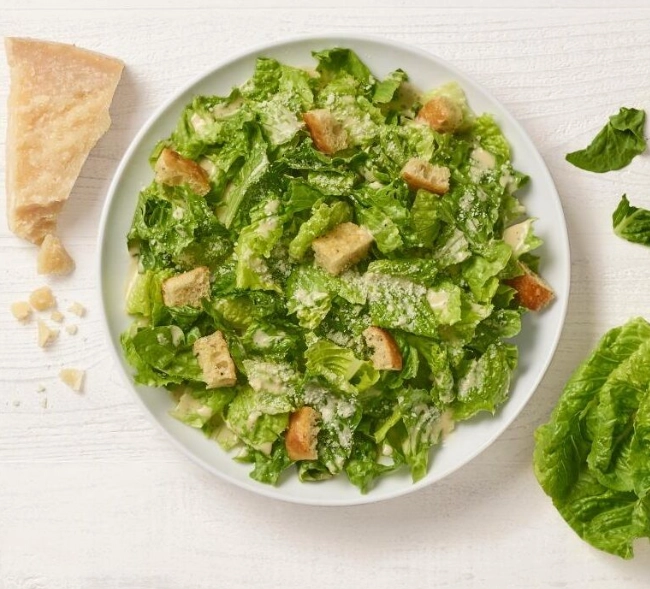
The Core Question: What are you actually getting in a standard restaurant Caesar salad? We're talking the classic build: romaine lettuce, Caesar dressing (typically made with oil, egg yolk, Parmesan, lemon juice, anchovies, garlic, and Worcestershire sauce), croutons, and a generous sprinkle of Parmesan cheese.
Breaking Down the Classic Caesar: A Nutritional Autopsy
To get accurate Caesar salad nutrition facts, you can't just guess. I rely on data from trusted sources like the USDA's FoodData Central, which is the gold standard for food composition data. Let's break it down component by component for a typical full-sized restaurant entrée portion (and trust me, restaurant portions are almost always larger than what you'd make at home).
Think about the last one you ate. The plate was probably heaping.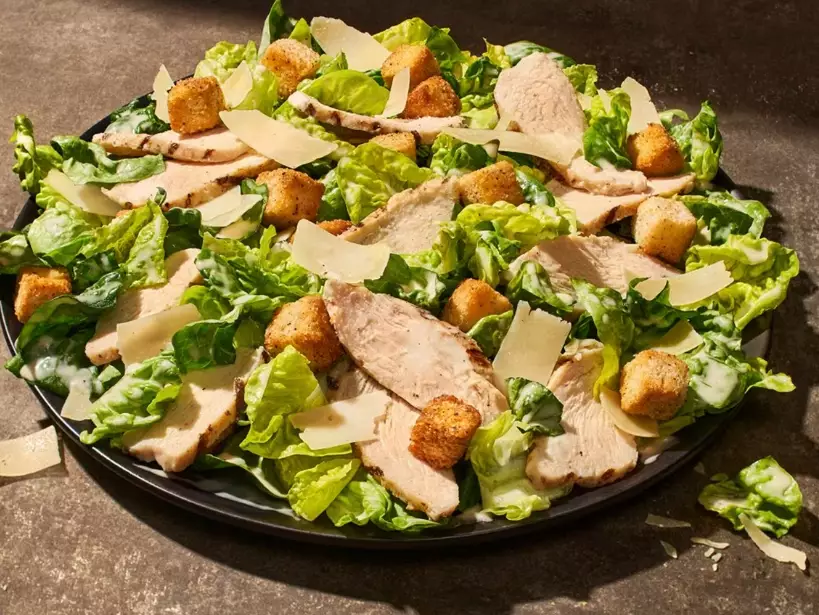
The Major Players: Dressing, Croutons, and Cheese
The romaine lettuce is the innocent bystander here. It's low in calories, packed with vitamins A and K, and provides fiber and water. The real story of Caesar salad nutritional info is told by its accompaniments.
The Dressing: This is the heart and soul, and the biggest contributor to the caesar salad calories and fat. A traditional Caesar dressing is an emulsion of oil and egg yolk. Just a quarter-cup (about 4 tablespoons) of a standard homemade-style dressing can pack around 350 calories, 35-40 grams of fat (a chunk of it saturated), and a surprising amount of sodium. Restaurant dressings can be even heavier, often with more oil, mayo, or cream added for stability and that luxurious mouthfeel.
The Croutons: Those crunchy little squares are essentially toasted bread cubes, usually brushed with butter or oil and seasoned. A cup of croutons can add another 150-200 calories, 20-25 grams of carbohydrates, and more fat and sodium. They're a significant source of the caesar salad carbs that people often overlook.
The Parmesan Cheese: A shower of grated or shaved Parmigiano-Reggiano adds a salty, savory punch. While it provides protein and calcium, a quarter-cup can add about 110 calories, 7 grams of fat, and nearly 400mg of sodium.
The Numbers: A Typical Restaurant Caesar Salad
Here’s a realistic snapshot of the Caesar salad nutritional info for a full-sized entrée you'd get at a casual dining chain or a standard restaurant. This is based on analyzing data from several nutritional databases and menus.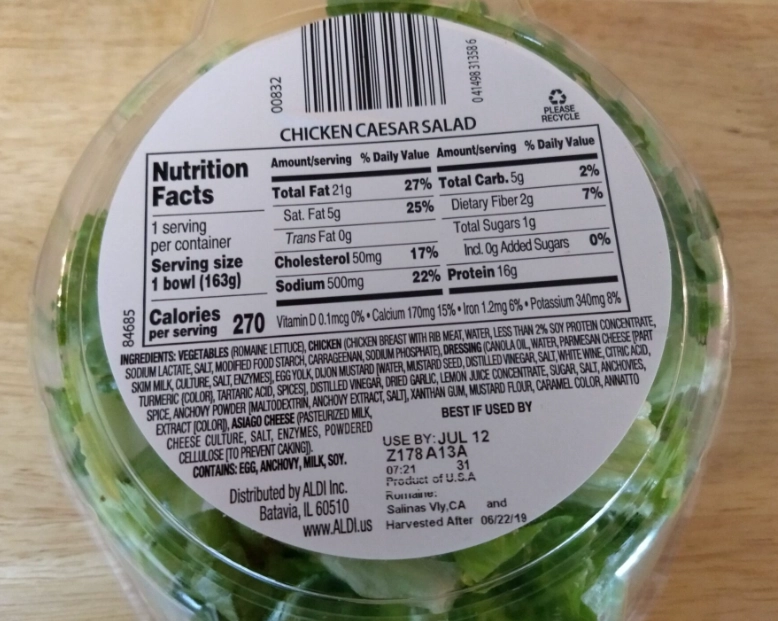
| Nutrient | Quantity (Typical Entrée) | % Daily Value (Based on 2000 cal diet)* |
|---|---|---|
| Calories | 750 - 950 kcal | 37.5% - 47.5% |
| Total Fat | 55 - 70 g | 85% - 108% |
| Saturated Fat | 12 - 18 g | 60% - 90% |
| Carbohydrates | 45 - 60 g | 16% - 22% |
| Dietary Fiber | 5 - 7 g | 20% - 28% |
| Sugars | 4 - 6 g | N/A |
| Protein | 25 - 35 g | 50% - 70% |
| Sodium | 1,500 - 2,200 mg | 65% - 96% |
*Percent Daily Values are estimates. Actual values vary based on specific recipe and portion size.
See what I mean? A single salad can nearly hit or even exceed your entire daily limit for saturated fat and sodium. The caesar salad carbs are on par with a couple of slices of bread. And the calorie count? It can be equivalent to a large burger with fries. This is the core reason why digging into Caesar salad nutritional info is so crucial for mindful eating.
Watch Out For: The sodium is the real stealth culprit. With dressing, cheese, croutons, and often anchovies all contributing, it's easy to consume over 2000mg in one sitting. The American Heart Association recommends no more than 2,300mg a day, moving toward an ideal limit of 1,500mg for most adults. One salad can blow that budget. If you're watching your blood pressure, this is a key piece of caesar salad nutrition facts to note.
Why It's So Easy to Get Tripped Up: The Health Halo Effect
We've all fallen for it. The "health halo" is that cognitive bias where we perceive something as healthy because it fits a category (like "salad"), so we underestimate its calories and overestimate its goodness. A Caesar salad wears a very convincing halo. It's green! It has vegetables! It must be good for me.
Restaurants, frankly, play into this. They know a Caesar is a popular, comforting choice that feels virtuous. But to make it taste irresistible, they load up on the rich dressing, the buttery croutons, and the cheese. The portion sizes are also deceptive. What looks like a reasonable plate is often a mountain of lettuce drenched in a cup of dressing.
I remember ordering a Caesar salad as a side once, imagining a small, light portion. What arrived could have fed two people as a main. Without understanding the full scope of Caesar salad nutritional info, it's a dietary trap waiting to happen.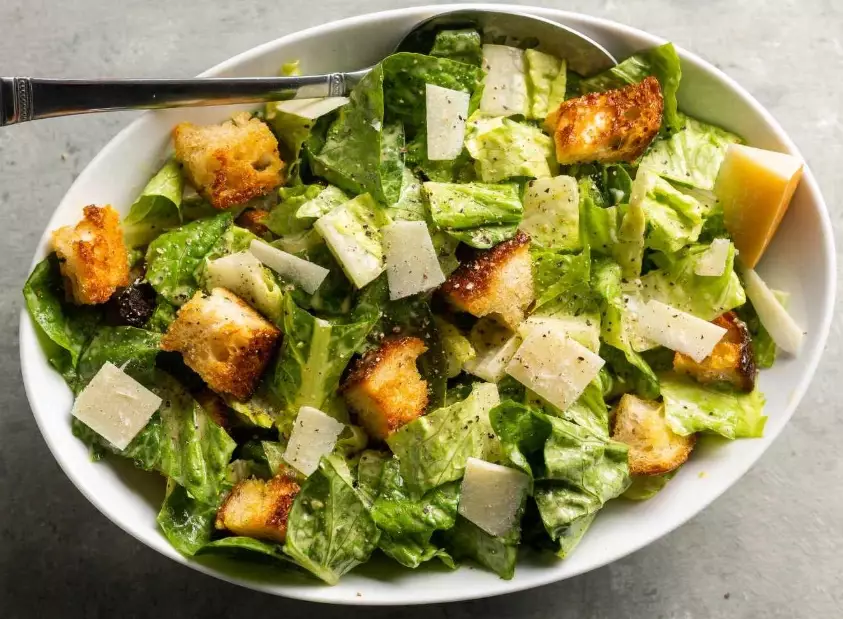
Building a Better Caesar: Your Guide to a Truly Healthy Salad
Now for the good news. You don't have to give up Caesar salad. You just need to become its architect. By making smart swaps and taking control of portions, you can create a version that satisfies the craving and aligns with your nutritional goals. Let's build a better Caesar from the ground up.
1. Rethink the Dressing (The Biggest Lever)
This is where you'll make the most significant impact on the caesar salad calories and fat.
- The Greek Yogurt Base: My personal favorite swap. Replace most of the oil with plain, non-fat Greek yogurt. You get the same creamy, tangy texture with a massive boost of protein and a fraction of the fat. Blend it with a little olive oil for richness, lemon juice, garlic, anchovy paste (or a dash of soy sauce for umami if you're vegetarian), and Parmesan.
- Use an Avocado: A ripe avocado blended with lemon, garlic, and seasonings makes a fantastically creamy, nutrient-dense dressing full of healthy monounsaturated fats.
- The Simple Portion Fix: If you must have the classic dressing, use it as a condiment, not a bath. Ask for it on the side. Dip your fork into the dressing before spearing a bite of lettuce. You'll use about a quarter of the amount and barely notice the difference in flavor.
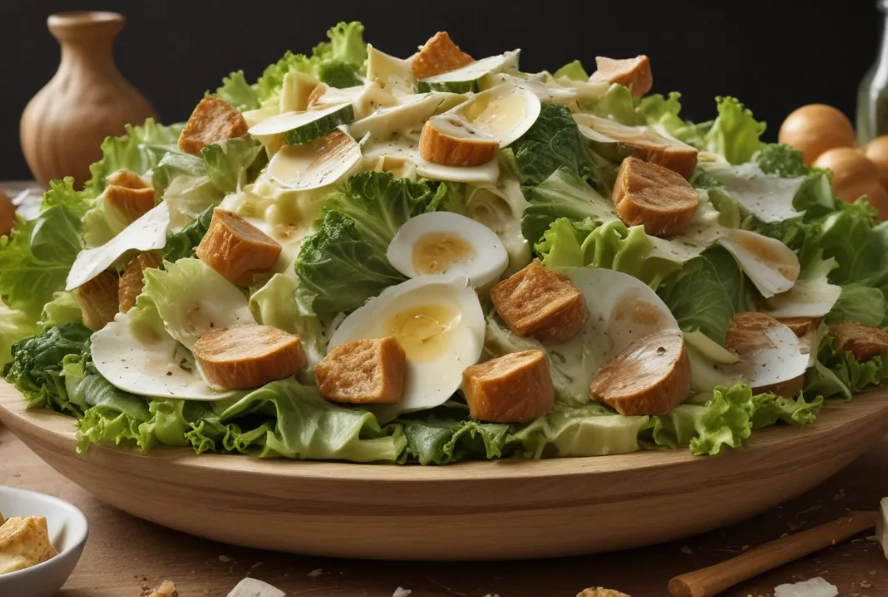
2. Upgrade the Croutons
To slash the caesar salad carbs and add more nutrients:
- Roasted Chickpeas: Toss canned chickpeas with olive oil, garlic powder, and a pinch of salt, then roast until crispy. They add crunch, fiber, and plant-based protein.
- Toasted Nuts or Seeds: A sprinkle of chopped walnuts, almonds, or pumpkin seeds adds healthy fats, crunch, and minerals.
- Whole-Grain Croutons: If you can't live without traditional croutons, make your own from a hearty whole-grain or sourdough bread. You control the oil and salt.
3. Boost the Volume and Nutrients
Don't just use romaine. Bulk it out with other vegetables to increase volume, fiber, and vitamins without adding many calories.
- Add mass with shredded Brussels sprouts, kale, or broccoli slaw.
- Throw in some cherry tomatoes, sliced cucumbers, or roasted asparagus spears.
- Add a lean protein like grilled chicken breast, shrimp, or salmon to make it a complete, satisfying meal. This is the classic move for a reason—it works.
Let's compare. Here’s the Caesar salad nutritional info for a traditional restaurant salad versus a smart, homemade version you can feel great about.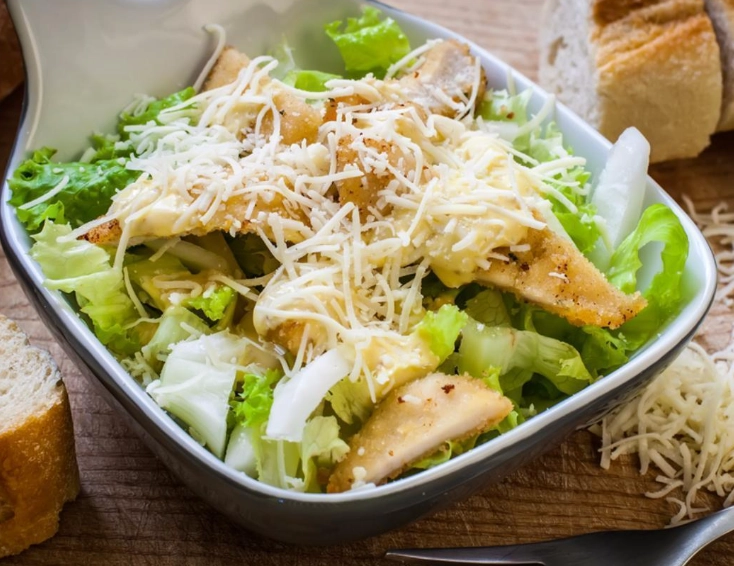
| Nutrient | Restaurant Caesar (Entrée) | "Smart Swap" Homemade Caesar (with Chicken) |
|---|---|---|
| Calories | 850 kcal | 420 kcal |
| Total Fat | 62 g | 18 g |
| Saturated Fat | 15 g | 4.5 g |
| Carbohydrates | 52 g | 25 g |
| Dietary Fiber | 6 g | 8 g |
| Protein | 28 g | 42 g |
| Sodium | 1,900 mg | 650 mg |
The difference is staggering. The homemade version nearly halves the calories, cuts fat by over two-thirds, significantly reduces sodium and caesar salad carbs, and doubles the protein. That's the power of informed choices.
Pro-Tip for Dining Out: Don't be shy. Customize your order. Ask for the dressing on the side, request light cheese, and see if you can substitute the croutons for another vegetable or a side of beans. Most restaurants are accommodating. It turns a passive meal into an active choice for your health.
Navigating Specific Diets: Keto, Gluten-Free, Vegetarian
Can a Caesar salad fit into a specialized diet? Absolutely, with a few tweaks to the standard caesar salad nutrition facts.
For a Keto or Low-Carb Diet: The main issue is the croutons. Simply omit them. The dressing, if it's the classic oil-and-egg version, is already high in fat and low in carbs—just watch for added sugar in some bottled versions. Load up on extra protein (steak, chicken, salmon) and maybe add some avocado or olives for more healthy fats. The romaine and Parmesan are perfectly keto-friendly.
For a Gluten-Free Diet: Again, croutons are the problem. Ensure they are omitted or replaced with a certified gluten-free alternative. Also, be cautious with the dressing—some Worcestershire sauces contain malt vinegar derived from barley, which has gluten. Ask the restaurant or check labels if making your own.
For a Vegetarian Diet: Traditional Caesar dressing contains anchovies. To make it vegetarian, you need to replace that savory, umami element. A dash of soy sauce, tamari, or even a bit of miso paste can work wonders. Nutritional yeast can also boost the cheesy, savory flavor alongside the Parmesan.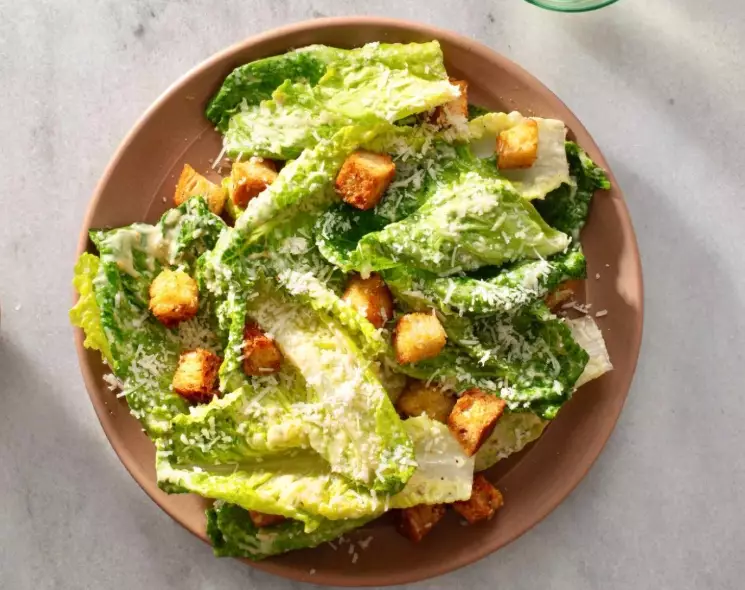
Your Caesar Salad Nutritional Info Questions, Answered
I get a lot of questions about this topic. Here are some of the most common ones that pop up.
Is a Caesar salad actually healthy?
It depends entirely on how it's made. A traditional, restaurant-style Caesar salad is high in calories, saturated fat, and sodium, which doesn't qualify as "healthy" in the standard sense. However, the core ingredients (romaine, Parmesan, olive oil in moderation) have nutritional merit. By modifying the dressing, controlling portions, and boosting veggies, you can 100% create a healthy caesar salad that's a balanced meal.
Why is Caesar salad so high in calories?
The primary drivers are the caesar salad calories from the dressing (mostly oil) and the croutons (carbohydrates and fats from oil/butter). Oil is the most calorie-dense food there is at 120 calories per tablespoon. When a salad is tossed with a half-cup of dressing, you're looking at nearly 1,000 calories from the dressing alone before you even touch the other ingredients.
Is Caesar salad okay for weight loss?
It can be, but you have to be strategic. The standard version is a calorie bomb that could represent a large portion of your daily intake for weight loss. For it to be a weight-loss-friendly option, you must focus on portion control (especially dressing), use a lighter dressing base (like yogurt), skip or swap the croutons, and add a lean protein to keep you full. The homemade "Smart Swap" version in our table above is an excellent example of a weight-loss-conscious Caesar.
What has more carbs, croutons or dressing?
Typically, the croutons contribute more digestible caesar salad carbs. The dressing's carbohydrates are usually minimal (from garlic, lemon juice, maybe a hint of sweetener). A cup of croutons can have 20-30g of carbs, while a quarter-cup of dressing might have 2-3g. So if you're managing carb intake, the croutons are the first thing to address.
Are there any vitamins in a Caesar salad?
Yes! This is the upside often buried in the caesar salad nutritional info. Romaine lettuce is an excellent source of Vitamin A (as beta-carotene, great for eye health) and Vitamin K (essential for blood clotting and bone health). It also provides folate and Vitamin C. If you use a yogurt-based dressing, you add calcium and probiotics. Parmesan cheese adds more calcium and protein. So, it's not nutritionally void—it's just imbalanced in its classic form.
The Final Takeaway: Knowledge is Power
Armed with the right Caesar salad nutrition facts, you're no longer at the mercy of the menu. You know that the magic—and the challenge—lies in the dressing, the croutons, and the cheese. You understand that a Caesar salad's healthfulness isn't a yes-or-no question, but a spectrum.
You can choose to enjoy the full-fat, restaurant version occasionally, knowing exactly what you're getting into. Or, you can take the reins at home and create a version that's every bit as delicious but genuinely nourishing. The resources from the Harvard T.H. Chan School of Public Health Nutrition Source consistently emphasize this principle: focus on the quality of your fats and carbs, and be mindful of sodium. Your tweaked Caesar salad can absolutely fit that bill.
So next time you're craving that creamy, garlicky, crunchy combination, don't just order blindly. Think about what you've learned. Ask for dressing on the side. Consider skipping the croutons. Or better yet, grab some Greek yogurt and romaine on your way home and make your own powerhouse version. Your taste buds and your body will thank you for the clarity.
Because in the end, the best Caesar salad nutritional info is the knowledge that lets you enjoy your food, without any surprises.
Reader Comments