Inside This Guide
I remember my first apple pie disaster. Vividly. It was a sad, soupy mess that leaked through the pie plate and made my crust a soggy, tragic memory. The culprit? I used the wrong apples. I just grabbed whatever was on sale—big, beautiful, shiny apples that were fantastic for eating out of hand but turned to flavorless mush when baked. That’s when I learned the hard way that not all apples are created equal, especially when it comes to pie.
If you’re searching for what apples good for apple pie, you’ve already taken the first step away from pie disappointment. The secret to a great pie isn’t just a good crust recipe (though that’s crucial). It’s about choosing apples that hold their shape, offer a balance of sweet and tart, and release just enough juice to create a luscious filling without a flood. It’s more science than you might think, but don’t worry, it’s not complicated once you know what to look for.
The Golden Rules: What Makes an Apple "Good" for Pie?
Before we dive into specific names, let’s talk about the two non-negotiable qualities you need in a pie apple. Forget just sweetness for a second.
Flavor That Survives the Oven
Some apples, like Red Delicious (I’m looking at you), have a mild flavor that just vanishes when baked. You’re left with texture and sweetness, but no distinct apple taste. A good pie apple has a pronounced flavor—often tart or spicy—that intensifies and deepens with cooking. That’s why bakers often lean towards tart varieties; their flavor profile stands up to heat and sugar.
Texture is Everything: The Soggy Pie Killer
This is the big one. You want an apple with firm, dense flesh. In kitchen terms, you need a high proportion of parenchyma cells (the plant cells that give structure) that don’t completely collapse. Apples with a softer, mealier texture, like McIntosh, will break down almost completely. That’s great for applesauce, but for pie, you want distinct slices or chunks that offer a satisfying, tender-crisp bite even after baking. This structural integrity is what prevents a filling from turning into a homogeneous, mushy puree.
It’s not just about avoiding mush. The right texture also manages juice. Firm apples release their pectin and juices in a controlled way, helping the filling thicken naturally. A soft apple dumps all its water at once, leading to that dreaded gap between the top crust and a shrinking, watery filling.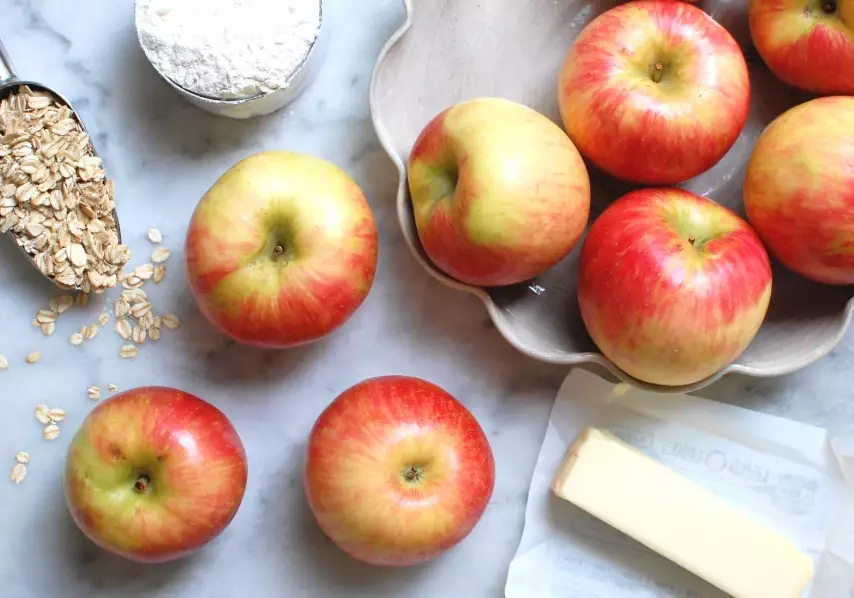
The Top Tier: Your Go-To Pie Apple Champions
Based on decades of baker wisdom and my own (sometimes painful) trials, here are the undisputed champions. These are the apples you can reliably find in many supermarkets and are almost guaranteed to give you a fantastic result when you’re figuring out what apples good for apple pie.
| Apple Variety | Flavor Profile | Texture When Baked | Best For... | My Personal Take |
|---|---|---|---|---|
| Granny Smith | Very tart, bright, tangy | Exceptionally firm, holds shape perfectly | The classic choice for structure and tang. A safe bet. | Almost foolproof, but can be too one-note sour if used alone. Needs sugar. |
| Honeycrisp | Sweet with mild tartness, aromatic | Crisp, holds shape very well, juicy | Modern favorite. Great flavor and good structure. | Expensive, but worth it for a special pie. Their juice is incredible. |
| Braeburn | Balanced sweet-tart, spicy notes | Firm and crisp, holds shape excellently | A perfect all-rounder. Sweetness means you can use less sugar. | My personal favorite for a single-variety pie. Consistently great. |
| Jonagold | Sweet-tart blend, honeyed flavor | Tender-firm, softens nicely but keeps form | A fantastic dual-purpose apple (great fresh, great baked). | A crowd-pleaser. The flavor is complex and rich. |
| Pink Lady (Cripps Pink) | Tangy-sweet, slightly fizzy tartness | Very dense and firm, slow to break down | Long bakes. They retain a pleasant bite. | Their firmness is legendary. Slice them thin if you prefer softer filling. |
You’ll notice I didn’t include Fuji or Red Delicious on that list. Fuji is very sweet and holds shape decently, but its flavor can be a bit flat when baked. It’s not a bad choice, just not a top-tier one. Red Delicious? Just don’t. Trust me on this. Save them for the lunchbox.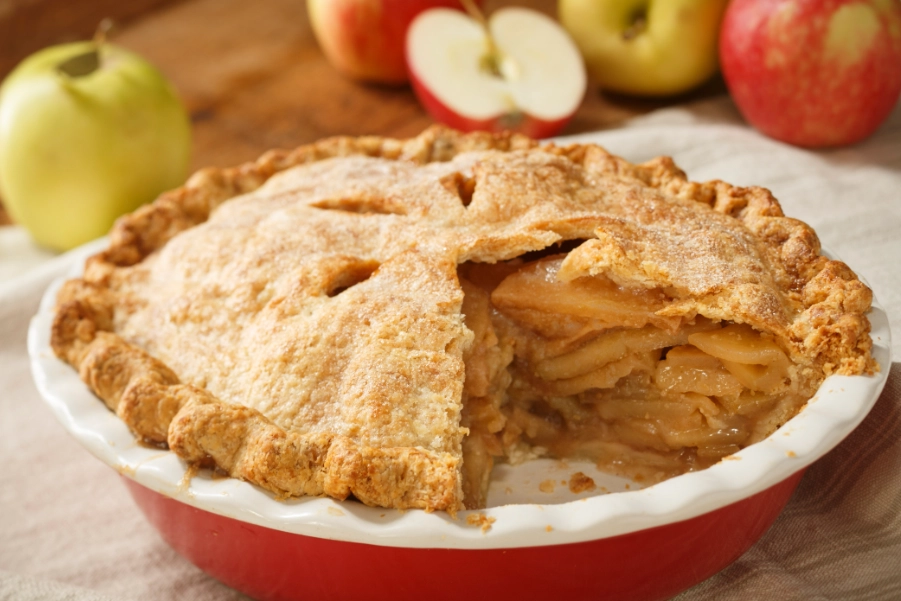
The takeaway? For a guaranteed good pie, start with one from the table above.
The Secret Weapon: Why Mixing Apples Makes the Best Pie
Here’s the pro tip that changed my pie game forever: use at least two different kinds of apples. Seriously, it’s a game-changer. Relying on a single variety is like an orchestra with only violins. Mixing apples gives you depth, complexity, and a balance of texture and flavor that one apple alone can’t achieve.
When you’re pondering what apples good for apple pie, think in terms of a team. I almost always use a blend.
My Go-To Blending Strategy
- The Foundation (60%): A firm, tart apple for structure. Granny Smith is the classic here. It’s the backbone.
- The Flavor Booster (40%): A sweeter, more aromatic apple that softens a bit. Honeycrisp, Jonagold, or Braeburn are perfect. They add complexity and balance the sharpness of the tart apple.
Why does this work so well? The tart apple holds its shape, providing a scaffold. The sweeter apple breaks down just a touch more, creating a saucier, more cohesive filling that binds everything together. The flavors meld into something greater than the sum of its parts. Try a 50/50 blend of Granny Smith and Honeycrisp. The result is a pie with a vibrant, tangy-sweet flavor and a filling that’s neither rock-hard nor mushy.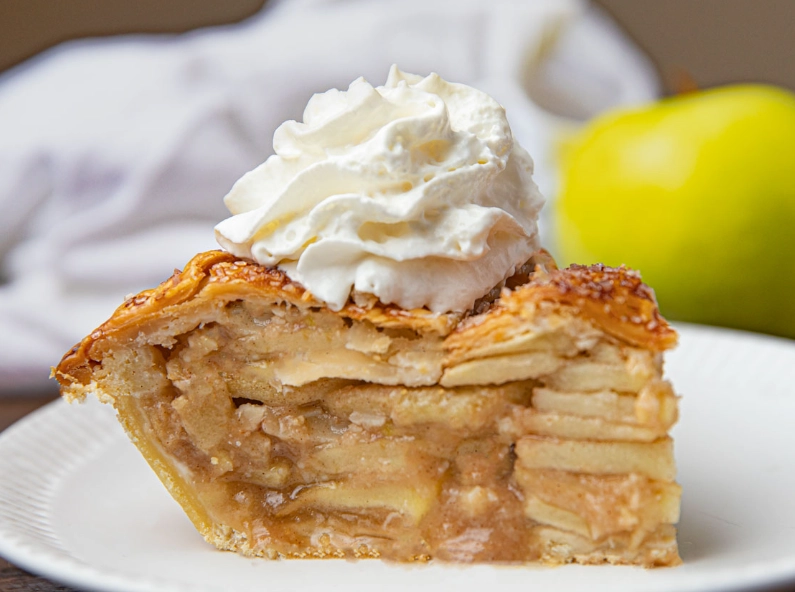
- Classic Balance: 2 parts Granny Smith + 1 part Honeycrisp
- Complex & Spicy: 2 parts Braeburn + 1 part Pink Lady
- Sweet & Aromatic: 2 parts Jonagold + 1 part Fuji (if you must use Fuji, this is how)
Heirloom & Regional Gems: The Next Level
If you have access to a farmer’s market or a specialty grocer, you can explore apples that are often considered the true champions of pie. These are the varieties old-time bakers swear by.
Northern Spy: The holy grail for many pie purists. It’s tart, firm, and aromatic. It holds its shape like a dream and has a fantastic flavor. If you see it, buy it immediately for your pie. The University of Minnesota Extension notes its excellence for cooking and baking.
Gravenstein: An early-season apple with intense, tangy flavor. It’s juicy and softens more than Spy, so it’s often used in blends to create a saucier filling.
Rome: Often called Rome Beauty. It’s mildly tart and extremely firm. It holds its shape almost too well—sometimes it can be a bit dry or bland if used alone. Fantastic in a blend for its structure.
Winesap: Lives up to its name with a spicy, wine-like flavor. Firm texture and good juiciness. It’s a unique flavor that makes a memorable pie.
Finding these can be a treasure hunt, but it’s part of the fun of seasonal baking.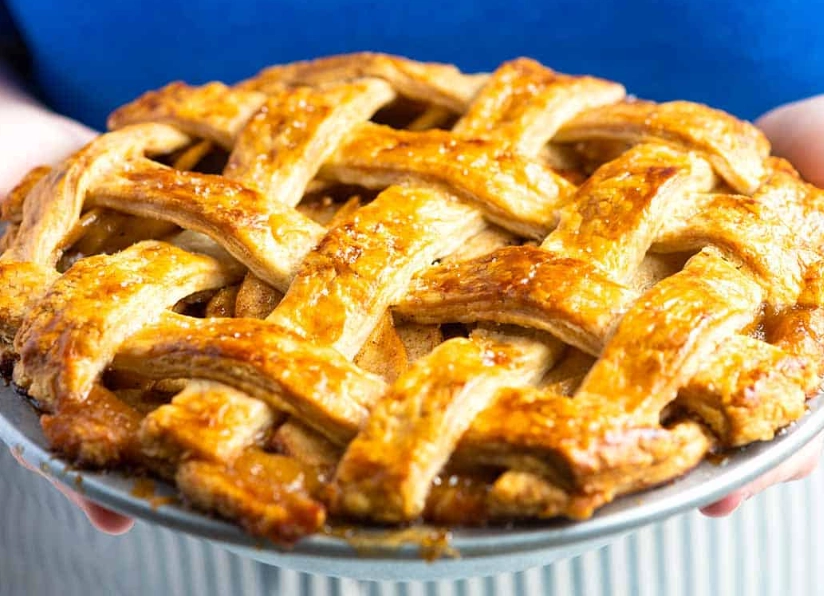
Answers to Your Burning Apple Pie Questions
Let’s tackle some of the specific things you might be wondering when deciding what apples good for apple pie.
Can I use Gala or Fuji apples for pie?
You can, but with caveats. Gala is sweet, mild, and soft. It will break down significantly and can lead to a mushy, bland, and overly sweet filling. If you use it, mix it with a much firmer, tarter apple (like 1 part Gala to 2 parts Granny Smith). Fuji is firmer and sweeter. It holds shape better than Gala but still lacks the tart punch. It’s a decent filler in a multi-apple blend but I wouldn’t make a pie with only Fujis.
Are McIntosh apples good for apple pie?
This is controversial. McIntosh has wonderful, aromatic flavor. But its texture is very soft and mealy. It turns almost completely to applesauce when baked. If you love a very soft, uniform filling with no distinct apple pieces, a small proportion in a blend can add great flavor and sauce. But using only McIntosh is a recipe for apple soup in a crust. Many bakers actively avoid it for pie because of this.
How many apples do I need for one pie?
This depends on the apple size and how high you pile them (they shrink!). A good rule of thumb is about 2 to 2.5 pounds of whole apples. That’s roughly 6-8 medium-sized apples. I always peel, core, and slice my apples first, then measure by volume. You’ll want about 8 to 9 cups of sliced apples for a deep-dish 9-inch pie. Pile them high in the crust—they will cook down.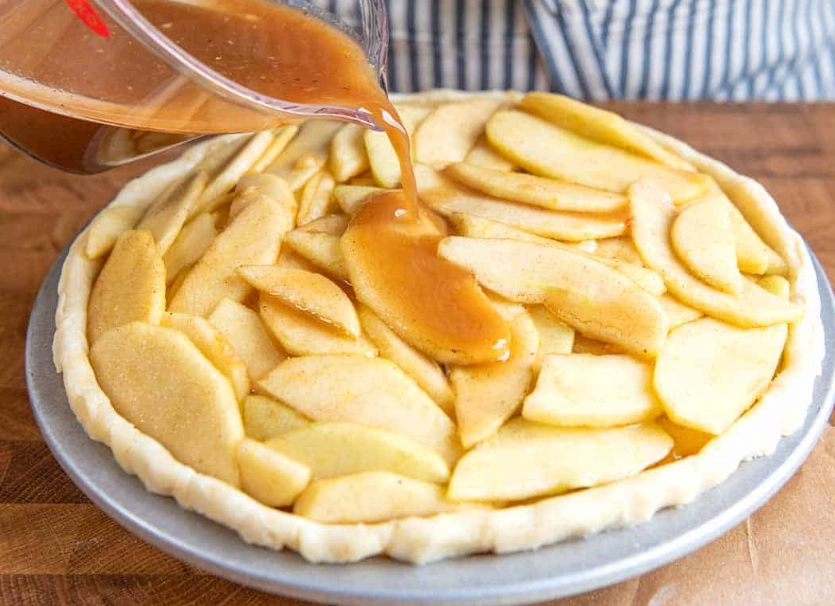
Should I pre-cook my apple filling?
Some bakers swear by it to control juice and ensure the apples are tender. The USDA’s food safety guidelines remind us that cooking fruit thoroughly is always safe. Personally, I don’t usually pre-cook for a traditional double-crust pie. I toss the raw slices with sugar, spices, a thickener (like flour or cornstarch), and a splash of lemon juice. The apples cook in the oven, releasing their juices which then thicken with the starch. Pre-cooking can give you more control but can also lead to overcooked, mushy apples. Try both ways and see what you prefer!
What about adding lemon juice or other fruits?
A tablespoon or two of lemon juice is almost always a good idea. It enhances the apple flavor (sounds counterintuitive, but it works), prevents browning, and adds a subtle brightness. As for other fruits, a handful of fresh cranberries added to your apple mix is fantastic for a holiday pie—adds a wonderful tart pop. Some people add a pear or two for extra juiciness and flavor.
Putting It All Together: Your Action Plan for the Perfect Pie
- Shop with Purpose: Don’t just grab any bag. Look for firm, tart varieties. If you can, buy 2-3 different kinds.
- Prep Right: Peel your apples. The skin can become tough and separate from the flesh in the bake. Slice them evenly, about 1/4-inch thick, so they cook at the same rate.
- Season and Bind: Toss your slices with sugar (adjust based on apple sweetness), a big pinch of salt, spices (cinnamon, nutmeg, a pinch of cardamom if you’re feeling fancy), your thickener (I use 3-4 tablespoons of flour or 2-3 tbsp of cornstarch for a 9-inch pie), and that splash of lemon juice.
- Bake with Confidence: Place your filled pie on a baking sheet (to catch any bubbly drips) and bake until the crust is deep golden and you see thick, bubbling juice bubbling through the vents. This can take a good hour or more. Let it cool completely—I know it’s hard!—to allow the filling to set. Cutting into a warm pie is a one-way ticket to Soggyville.
It sounds like a lot, but once you get the apple choice down, the rest falls into place.
So, the next time you’re at the store wondering what apples good for apple pie, skip the shiny, red, perfect-for-snacking ones. Head for the Granny Smiths, grab some Honeycrisps or Braeburns to mix in, and give it a go. Your crust will thank you. Your taste buds will thank you. And you’ll never have to suffer a soupy, sad pie again.
Reader Comments