In This Guide
Let's be honest. That little metal tube or can of tomato paste in your pantry? It's fine. It gets the job done. But have you ever tasted the real deal? The kind that's so concentrated, so sweet and savory at the same time, that you could almost eat it with a spoon? That's what happens when you learn how to make tomato paste yourself.
I remember the first time I tried it. I had a glut of Roma tomatoes from the garden, more than I could possibly eat in salads. The store-bought stuff felt... metallic. A bit flat. So I gave it a shot. What came out of my oven after a few hours was a revelation. It was like the soul of a hundred tomatoes condensed into a jar. Dark red, almost brown, and packed with a flavor no factory could replicate.
This isn't about being a gourmet snob. It's about control. You control the salt. You control the thickness. You know exactly what's in it (spoiler: tomatoes). No mysterious "natural flavors" or preservatives. And if you grow your own tomatoes, it's the ultimate way to capture summer and save it for a rainy February day.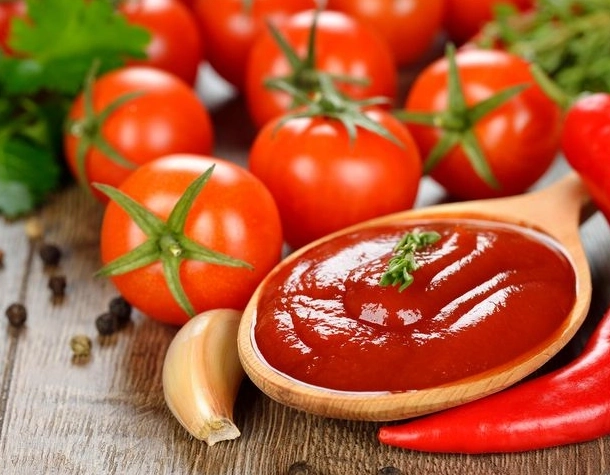
So, if you're ready to turn pounds of fresh tomatoes into a spoonful of pure flavor magic, you're in the right place. This guide will walk you through everything, from picking the right tomatoes to storing your paste for months. We'll cover the stovetop method, the oven method (my personal favorite for its hands-off approach), and the crucial safety steps for canning if you want a shelf-stable product.
Why Bother Making Tomato Paste at Home?
You might be thinking, "It's just tomato paste. Isn't that a lot of work for a condiment?" Fair question. But once you understand the why, the how becomes much more appealing.
First, flavor is king. Commercial tomato paste is often made from specific, high-yield tomato varieties processed at high temperatures for efficiency. Making it at home allows you to use heirloom or super-flavorful varieties like San Marzano. The slow reduction process caramelizes the natural sugars, creating a depth and sweetness that's just absent from most canned versions. It's the difference between grape juice and a rich, aged port.
Then there's the ingredient list. Have you ever turned a can around? Even the good ones might have citric acid or something similar. Yours will have one ingredient: tomatoes. Maybe a pinch of salt. That's it. For anyone watching their sodium intake or avoiding additives, learning how to make tomato paste from fresh tomatoes is a game-changer.
Let's talk cost, too. In peak tomato season, you can find boxes of "seconds" (slightly imperfect tomatoes) for a steal at farmers' markets. Turning a 20-pound box into paste is incredibly economical compared to buying dozens of those little cans. It's batch cooking at its most flavorful.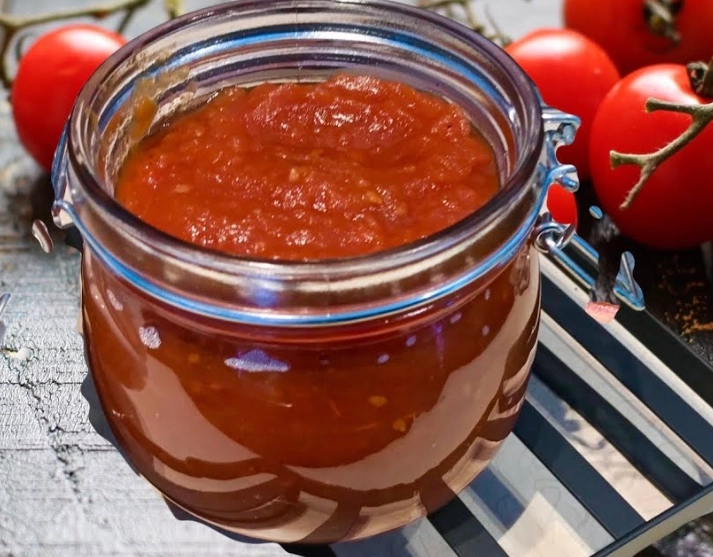
My Two Cents: The biggest benefit for me isn't even the taste—it's the smell. Your house will smell like an Italian grandmother's kitchen for a day. It's the most delicious air freshener you'll ever experience.
Gearing Up: What You'll Need
You don't need fancy equipment to learn how to make tomato paste, but a few key tools will make your life much easier. Think of this as an investment in future pasta sauces, stews, and braises.
The Tomato Itself: Picking Your Star Player
Not all tomatoes are created equal for paste. You want meaty tomatoes with less water and fewer seeds. High pulp and low moisture content mean less simmering time.
| Tomato Variety | Why It's Good for Paste | A Little Drawback |
|---|---|---|
| Roma / Plum | The classic choice. Oblong shape, thick flesh, minimal seeds and gel. They're practically bred for this. | Flavor can be a bit one-dimensional compared to heirlooms. |
| San Marzano | The gold standard for many. Intense, sweet, and complex flavor with low acidity. Makes an exceptional paste. | Can be pricier and sometimes hard to find truly authentic ones. |
| Amish Paste | Heirloom variety, huge fruits, very meaty with a rich, old-fashioned tomato taste. | Irregular shapes can be trickier to prep uniformly. |
| Cherry or Grape Tomatoes | Surprisingly excellent! Intensely sweet. A great use for a garden overload. | More tedious to prep (halving is enough), and the skin proportion is higher. |
You can absolutely use regular beefsteak or garden tomatoes. Just know you'll be reducing a lot more water, which takes more time and fuel. A mix of varieties can create a fantastic flavor profile.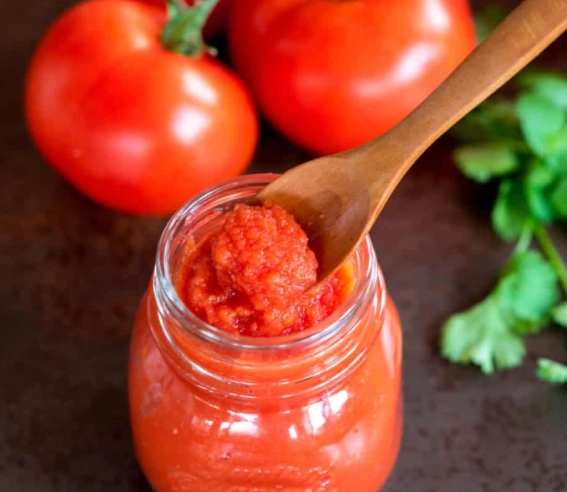
Essential Tools of the Trade
Here’s what you’ll need, broken down from absolutely necessary to nice-to-have.
The Non-Negotiables:
- A Large, Heavy-Bottomed Pot or Dutch Oven: This is for the initial cooking and simmering. A heavy bottom prevents scorching, which is a real risk when you're cooking something for hours. Trust me, I've learned the hard way. A scorched batch tastes bitter and is a heartbreaker.
- A Way to Purée: A food mill is the traditional and best tool. It removes skins and seeds effortlessly, giving you a smooth pulp. If you don't have one, a blender or immersion blender works, but you'll need to blanch and peel your tomatoes first (more on that later). A fine-mesh sieve can help strain seeds later, but it's more work.
- A Large Baking Sheet or Roasting Pan (for oven method): For spreading the purée thin so it can reduce and concentrate in the oven.
- Silicone Spatulas and Spoons: For stirring and scraping every last bit of precious paste.
- Jars or Containers for Storage: Canning jars (like Mason jars) if preserving, or small airtight containers for the fridge/freezer.
The Game Changers (Seriously, Consider These):
- Food Mill: I'm mentioning it again because it's that good. It transforms the messy job of seeding and skinning into a simple crank. Look for one with different discs for fine, medium, and coarse textures.
- A Slow Cooker: An underrated hero for the stovetop-averse. You can cook the tomatoes down on low all day without worrying about burning. You'll need to leave the lid ajar for steam to escape.
- Parchment Paper or a Silpat: Lining your baking sheet makes cleanup a dream and prevents any sticking during the long oven roast.
Safety First: If you plan to can your paste for shelf storage (not just fridge/freezer), you must use proper water bath canning equipment: a large canning pot with a rack, new lids, and jar tongs. The National Center for Home Food Preservation (nchfp.uga.edu) is an authoritative resource for safe canning practices that we'll reference later.
The Core Process: How to Make Tomato Paste, Step-by-Step
Alright, let's get to the main event. This is the basic framework. Whether you use the oven or the stovetop for the final reduction, the first few steps are the same.
Step 1: Prep and Cook the Tomatoes
Wash your tomatoes thoroughly. Cut out the core (the tough bit where the stem was) and any obvious bad spots. You don't need to peel or seed them yet if you're using a food mill. Chop them roughly—quarters for Romas, chunks for bigger tomatoes.
Throw all the chunks into your big pot. They will release a ton of water, so you don't need to add any. Bring it to a simmer over medium heat, then reduce to low. Let them cook, stirring occasionally, until they're completely broken down and mushy. This usually takes 30-45 minutes. You're essentially stewing them in their own juices.
Step 2: Purée and Separate (The Food Mill Magic)
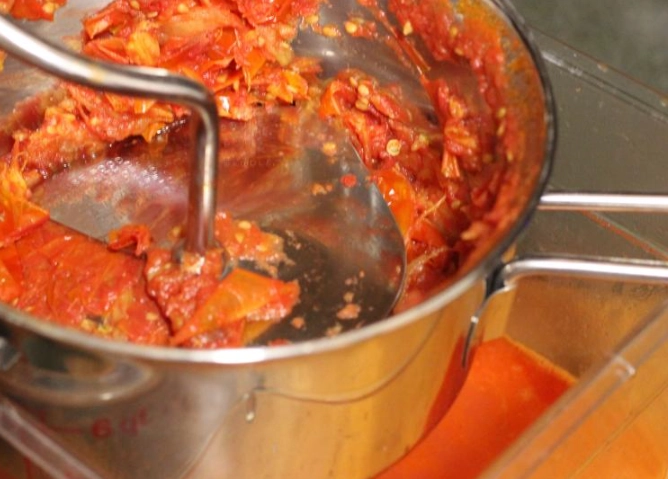
Let the cooked tomato mixture cool slightly so you don't burn yourself. Set up your food mill over a large bowl or another pot. Working in batches, ladle the tomatoes into the mill and turn the crank. You'll see smooth, seedless, skinless pulp coming out the bottom, and all the skins and seeds being left behind in the mill. Discard the skins and seeds (they're great for compost!).
No food mill? You have a bit more work. Before cooking, score an 'X' on the bottom of each tomato, blanch them in boiling water for 30-60 seconds, then plunge them into ice water. The skins should slip right off. Then halve them and squeeze or scoop out the seeds before chopping and cooking. You can then use an immersion blender directly in the pot for a smooth purée.
Step 3: The Great Reduction (Oven vs. Stovetop)
Now you have a big pot of beautiful tomato purée. This is where you learn the true secret of how to make tomato paste: patience. You need to cook off most of the water.
Oven Method (My Preferred Way):
- Preheat your oven to a low temperature, between 250°F and 300°F (120°C - 150°C). A lower temp is slower but less risk of burning edges.
- Pour the purée onto one or two large, rimmed baking sheets lined with parchment paper. Spread it into an even layer, about 1/4 to 1/2 inch thick.
- Place it in the oven. Now, you wait. Stir it and scrape the sides every 45 minutes to an hour. This is crucial for even drying.
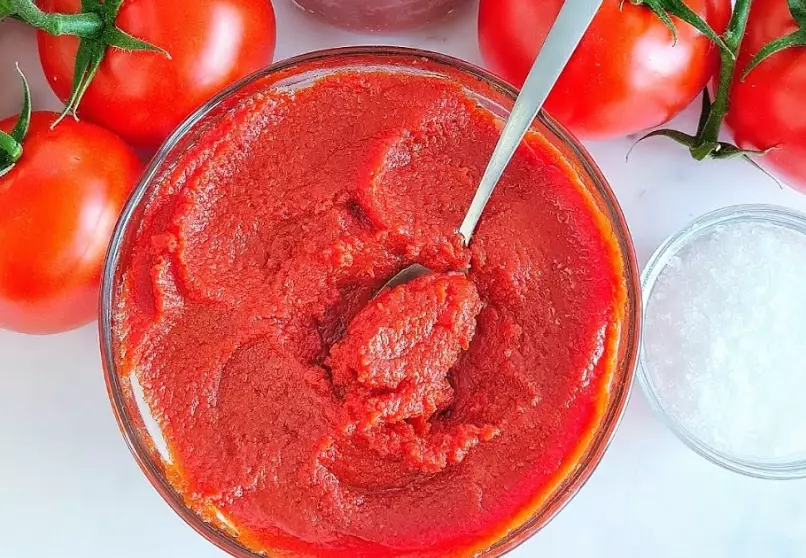
- You'll see it slowly darken and thicken. It can take anywhere from 4 to 8 hours depending on the thickness of your layer, oven temp, and the tomatoes' water content. It's done when it's a very deep red, holds its shape when you scrape a spoon through it, and doesn't release a pool of liquid. It will be spreadable but thick.
The upside? It's mostly hands-off. You can do other things while it slowly transforms. The downside? It heats up your kitchen.
Stovetop Method:
- Pour the purée back into your heavy-bottomed pot.
- Simmer over the lowest possible heat. You must stir it frequently, almost constantly toward the end, to prevent it from sticking and burning on the bottom.
- This method is faster, maybe 2-4 hours, but it demands your attention. It's a labor of love and a good arm workout.
Whichever method you choose, season with salt only at the very end. Salt can become overly concentrated if added too early.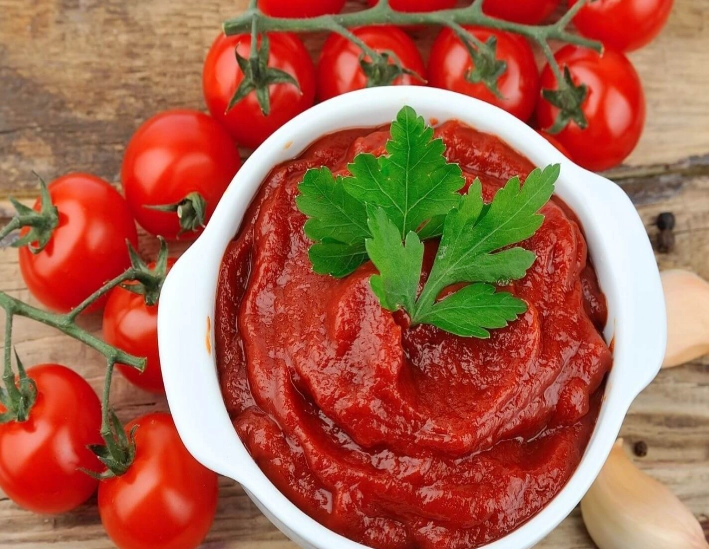
Step 4: Storing Your Liquid Gold
You did it! You now have a bowl of glorious, homemade tomato paste. Now, how do you keep it?
| Storage Method | How-To | Pros & Cons | Shelf Life |
|---|---|---|---|
| Refrigeration | Spoon paste into a very clean jar. Pour a thin layer of olive oil on top to create an air seal. Screw lid on. | Pro: Simple, no special equipment. Con: Shortest shelf life, fridge space. | 2-3 weeks |
| Freezing (Easiest!) | Portion paste into an ice cube tray. Freeze solid, then pop cubes into a freezer bag. | Pro: Perfect 1-tbsp portions, lasts ages. Con: Requires freezer space. | 6-12 months |
| Water Bath Canning | Pack HOT paste into sterilized jars, leaving headspace. Process in boiling water bath per safe guidelines. | Pro: Shelf-stable, no fridge/freezer needed. Con: Requires canning equipment & precise steps for safety. | 12+ months (unopened) |
A Canning Must-Read: Because tomato paste is so thick and dense, processing times for safe canning are critical to prevent spoilage. Do not guess. Follow tested guidelines from a source like the National Center for Home Food Preservation's guide on tomato paste. They provide the exact processing times based on jar size to ensure safety.
Answering Your Tomato Paste Questions (The FAQ)
I've gotten a lot of questions from friends after they've tried this. Here are the most common ones.
Absolutely not. Pure tomato paste is a blank canvas. I often make a batch with no salt for maximum flexibility in cooking. That said, a pinch of salt does enhance the tomato flavor. Some people add a clove of garlic, a sprig of rosemary, or a pinch of red pepper flakes to the purée before reducing for a flavored paste. Experiment with a small batch!
Scorching is the usual culprit. If you didn't stir enough on the stovetop, or if your oven was too hot causing the edges to burn, that bitter taste will permeate the whole batch. Using a pot with a thin bottom is a recipe for disaster here. Low and slow is the mantra. If you catch a slight stick early, you can scrape it off and transfer the rest to a new pot, but a deeply scorched batch is best composted. It happens to everyone once.
Yes, but yours will be more potent. Because it's often more concentrated, you might find you need slightly less than a recipe calls for. Start with a bit less and taste. The flavor profile is also richer and less acidic, which usually improves any dish.
You probably didn't reduce it enough. It's a judgment call. Remember, it will thicken slightly as it cools. The test is to scrape a channel through it with a spoon—the channel should hold its shape, and the paste shouldn't flow back to fill it immediately. If it's too runny, just put it back on the heat (or in the oven) for another 30-60 minutes.
This is the key to understanding how to make tomato paste practically. For a small batch, maybe not. The process is best suited for a larger haul—5 pounds of tomatoes minimum, but 10-20 pounds is where you see real efficiency. It's a preservation technique. If you only have a few tomatoes, consider making a quick fresh tomato sauce instead.
Final Thoughts Before You Start
Learning how to make tomato paste isn't a quick weekday project. It's a weekend ritual. Put on some music, pour yourself a drink, and embrace the slow process. The first time might feel long, but you'll develop a rhythm.
The biggest mistake is rushing. High heat leads to burning. Impatience leads to under-reduced paste. Give it the time it demands.
When you pull out a frozen cube of your own dark, glossy paste to add depth to a winter soup, or pop open a jar you canned yourself, the satisfaction is immense. You're not just adding a ingredient; you're adding a memory of summer sun, a story of patience, and a flavor that's truly your own.
So grab those tomatoes. Get that pot simmering. And get ready to never look at a metal can the same way again.
Reader Comments