- The Golden Rule: Harvest for Flavor, Not Just for Size
- The 5-Point Checklist: How to Tell If a Cucumber is Ripe
- When is the Best *Time* to Pick Cucumbers?
- How to Actually Pick Them (Don't Just Yank!)
- What Happens Right After Picking?
- Your Burning Questions, Answered (The FAQ Bit)
- A Quick Word on Different Cucumber Plants
- The Final, No-Stress Summary
Let's be honest. That's the question that haunts every gardener, from first-timers to seasoned pros. You've nurtured these vines from tiny seeds, watched the yellow flowers appear, and now there are these little green fruits hanging there. Taunting you. Is today the day? If you pick too early, you get a sad, underdeveloped nibble. Pick too late, and you're faced with a giant, seedy, bitter monster that's only good for the compost. I've been there. I've sliced into what I thought was a perfect cucumber only to find the seeds were already tough and the flavor was... off. It's frustrating.
So, let's cut through the confusion. Figuring out when cucumbers are ready to pick isn't about a single magic trick. It's about learning to read the plant's language—a combination of looks, feel, timing, and even a bit of common sense. This isn't a textbook; it's the collective wisdom of countless hours in the garden, including my own mistakes. We're going to cover everything your search didn't tell you.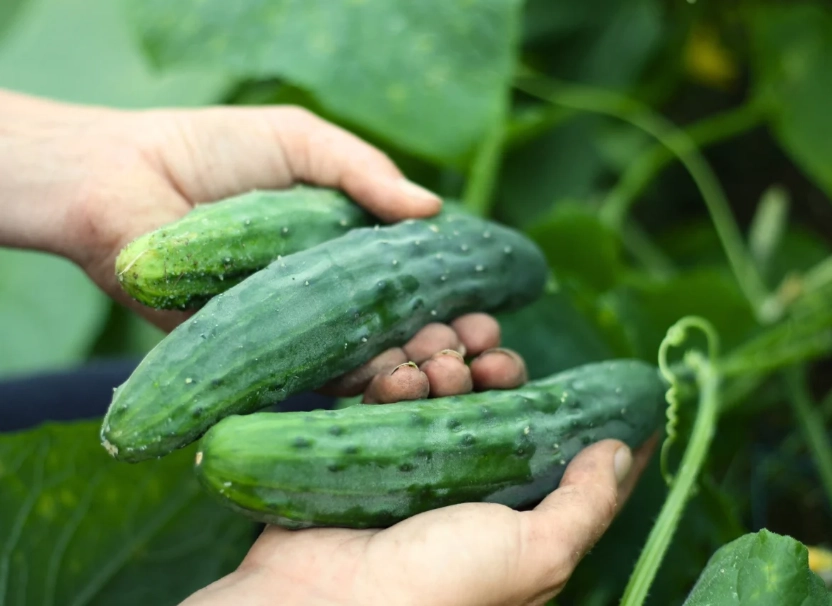
The Golden Rule: Harvest for Flavor, Not Just for Size
This is the mindset shift you need. We often think bigger is better, but with cucumbers, peak flavor and texture happen well before they reach their maximum possible size. A cucumber's job, from the plant's perspective, is to produce mature seeds for the next generation. Once it starts seriously dedicating energy to seed development, the flesh around those seeds becomes pithier, less crisp, and bitterness compounds can increase. You're harvesting for the succulent, crunchy flesh, not for the seeds.
So, when you're trying to decide when are cucumbers ready to pick, you're really asking, "When is it at its peak for eating?"
The 5-Point Checklist: How to Tell If a Cucumber is Ripe
Don't rely on just one sign. Use at least two or three from this list to be sure. It becomes second nature after a while.
1. Size & Shape (The Most Obvious, But Tricky, Clue)
This is where knowing your variety is absolutely critical. A ripe 'Pickling' cucumber and a ripe 'English' cucumber look completely different.
- Slicing Cucumbers (like 'Marketmore', 'Straight Eight'): These are typically ready when they are a dark, solid green and about 6 to 8 inches long. The diameter should be plump, about 1.5 to 2 inches thick. If they start to bulge in the middle or turn pale, you've waited too long.
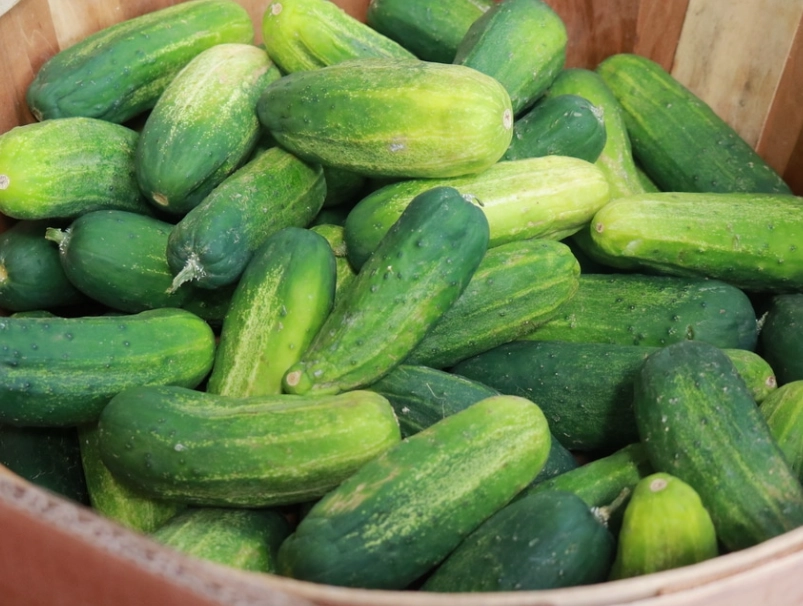
- Pickling Cucumbers (like 'Boston Pickling', 'National Pickling'): For the crispiest, best pickles, you want them small. Ideal size is between 2 and 6 inches long, depending on whether you want gherkins or larger dill pickles. They should be firm and bright green. The National Center for Home Food Preservation notes that using cucumbers at the right size is key for pickle texture and safety.
- Specialty Cucumbers: 'Lemon' cucumbers are ready when they are a bright, creamy yellow and about the size of a baseball. Armenian cucumbers are best when long, slender, and still a vibrant green before they yellow.
Here’s a quick reference table because it's easier to see:
| Cucumber Type | Ideal Harvest Size (Length) | Key Color at Maturity | Notes |
|---|---|---|---|
| Standard Slicer (e.g., Marketmore) | 6 - 8 inches | Uniform Dark Green | Plump and firm. Avoid bulging middles. |
| Pickling (e.g., Boston) | 2 - 6 inches | Bright, Vibrant Green | Smaller = crisper for gherkins. |
| English / Hothouse | 12 - 14 inches | Deep Green | Long, slender, few seeds. Skin may be slightly ridged. |
| Lemon | 2 - 3 inches diameter | Pale Yellow to Cream | Round shape. Turns orange if overripe. |
| Armenian | 12 - 15 inches | Bright Green | Very long, curved. Yellows and gets bitter if old. |
2. Color & Sheen (The Visual Glow Test)
A ripe cucumber has a certain look. It's not just green; it's a rich, vibrant, consistent green (or yellow for lemon types). The skin should have a healthy, slight gloss to it. As cucumbers age past their prime, they start to lose that luster. The color fades, often to a dull, yellowish-green or even a sickly white. Any yellowing at the blossom end (the end opposite the stem) is a red flag—it's a sure sign the cucumber is entering its seedy, bitter phase.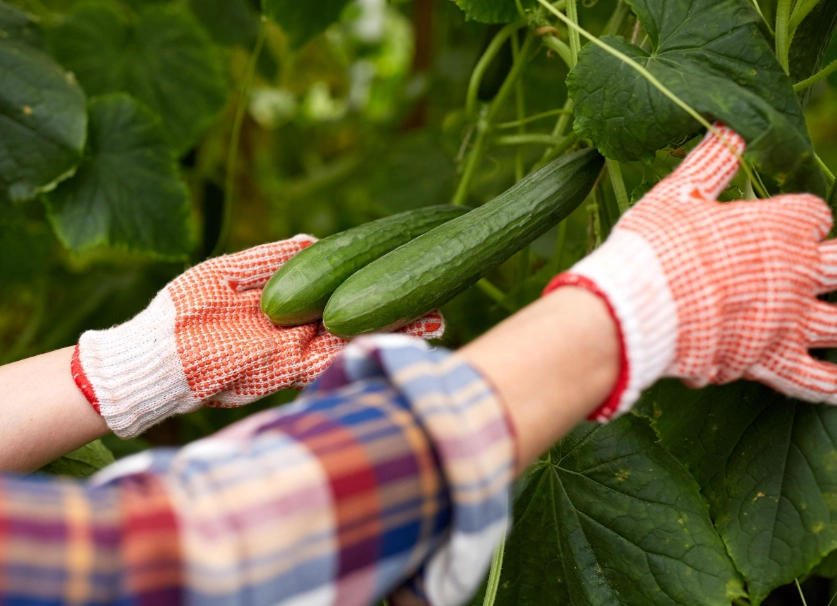
Have you ever noticed supermarket cucumbers are a very uniform, dark green? That's because they're harvested at the perfect commercial stage. Your homegrown ones might have slight variations, but aim for that kind of color intensity.
3. Firmness & Texture (The Squeeze Test)
This is my go-to method. Gently squeeze the cucumber. A perfect, ready-to-pick cucumber should be firm along its entire length. It should not have any soft spots, squishiness, or give. If it yields slightly under pressure, it's likely getting overripe and may be pithy inside.
Now, feel the skin. Many varieties have small, prickly spines or bumps. On a fresh, young cucumber, these spines might be quite sharp. As it matures on the vine, they often wear down or rub off a bit. If the spines are completely worn away and the skin feels smooth and hard, you might be late to the party. Run your fingers down it. It should feel taut, like the skin is stretched snugly over the flesh inside.
4. The "Prickles" and Skin Detail
This is a nuance many guides miss. Those little spines or bumps aren't just for show. On many varieties, they are most prominent when the fruit is young and growing rapidly. For some gardeners, the rule of thumb is: if the prickles are still sharp enough to be slightly annoying, the cucumber is likely at a great stage for crisp pickles or ultra-crunchy slicing. If they've mellowed out, it's still good for slicing, but don't wait much longer. This isn't a hard rule for all varieties, but it's a useful detail to notice.
5. The Blossom End (The Secret Tell)
Look at the end of the cucumber where the flower was (the blossom end). On a perfectly ripe cuke, this area should look clean, dry, and maybe have a tiny, shriveled bit of flower remnant. If you see any signs of softening, discoloration (especially yellow or orange), or rot starting there, it's a signal from the plant that this fruit is done developing and is beginning its decline. It's nature's "sell-by" date. Pick it immediately if you see this, even if the rest looks okay.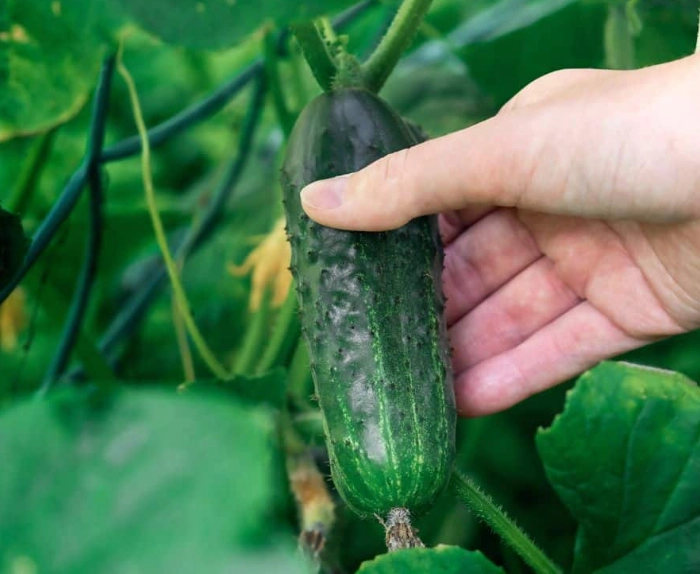
When is the Best *Time* to Pick Cucumbers?
So you know how to tell, but is there a best time of day? Absolutely.
Early morning, after the dew has dried but before the heat of the day kicks in, is hands-down the winner. Why? Cucumbers are mostly water. During the cool night, the plant pumps them full of moisture, making them at their crispiest, most turgid, and least stressed state. Picking in the morning means you get that peak hydration locked in. If you pick in the afternoon heat, they're already somewhat dehydrated, more limp, and will store for a shorter time. I know, it's not always possible to get out there first thing, but if you can, it makes a noticeable difference.
How to Actually Pick Them (Don't Just Yank!)
This matters more than you think. The vine is delicate, and you want to keep it producing.
- Use a Tool: Use a sharp pair of garden scissors, pruners, or a knife. Don't just twist and pull. I've torn entire sections of vine off by being lazy.
- Find the Stem: Locate the small stem that connects the cucumber to the main vine.
- Make a Clean Cut: Cut through that stem, leaving about a quarter to a half inch of stem attached to the cucumber. Leaving a bit of stem helps prevent the end of the cucumber from rotting quickly in storage. It also minimizes damage to the vine at the attachment point.
What Happens Right After Picking?
Don't just toss them in a basket and leave them in the sun. To preserve that perfect texture you worked so hard to identify:
- Cool Them Down Fast: Get them out of the sun and into a cool place immediately. I often bring a bowl of water out with me to rinse and cool them on the spot if it's a hot day.
- Store Properly: For short-term storage (a few days to a week), the refrigerator crisper drawer is your friend. Do NOT wash them until you're ready to use them. The natural waxy coating on the skin helps retain moisture. Washing removes it and can make them go limp faster. You can loosely wrap them in a paper towel and place them in a perforated plastic bag to maintain humidity without causing rot.
Your Burning Questions, Answered (The FAQ Bit)
Here are the things you're probably searching for that we haven't covered directly yet.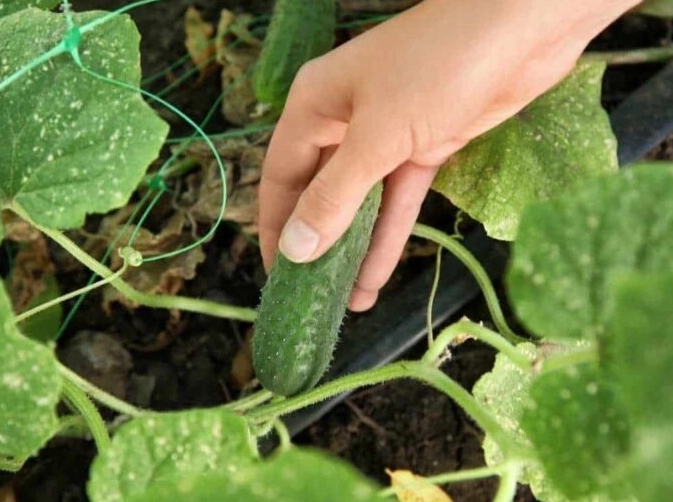
Can cucumbers get too big to eat?
Yes, absolutely. And they often do. An overgrown cucumber becomes seedy, the flesh loses its sweetness and turns bland or bitter, and the texture becomes pithy and watery. It's not poisonous, but it's not pleasant to eat raw. You can sometimes salvage them by scooping out the seeds and using the flesh in cooked dishes like soups or stir-fries, but the magic is gone.
Will cucumbers ripen off the vine after picking?
No. This is crucial. Cucumbers are one of those vegetables (like peppers and summer squash) that do not continue to ripen once separated from the plant. They will not get sweeter or more developed. They will only age, lose moisture, and eventually rot. This is why timing is everything. You have to pick them at peak ripeness on the vine.
Why are my homegrown cucumbers bitter?
Bitterness is a common headache. It's usually caused by a compound called cucurbitacin. Stress triggers its production. The main stressors are:
- Inconsistent Watering: Letting the soil dry out completely between waterings is the #1 cause. They need steady moisture.
- High Temperatures: Prolonged heat waves can do it.
- Overripeness: As discussed, leaving them on too long can increase bitterness, especially at the stem end.
- Genetic Factors: Some older varieties are more prone to it. Newer varieties are often bred for "non-bitter" traits.
The bitterness is usually concentrated in the stem end and just under the skin. Peeling and cutting off the stem end can sometimes salvage a slightly bitter cucumber. For a deep dive, resources from universities like Cornell's gardening program explain the plant physiology behind it well.
How often should I check for cucumbers ready to pick?
In the peak of summer, every day. I'm not kidding. Cucumbers, especially prolific varieties, can seem to double in size in 24 hours during warm, wet weather. Missing a day can mean the difference between a perfect pickle and an overgrown seed bomb. Make it part of your evening garden walk.
If I keep picking, will the plant keep producing?
Yes! This is the beautiful part. Cucumber plants are programmed to produce seeds. If you keep removing the fruit before it matures fully (i.e., before it has tough, mature seeds), the plant will keep trying. It will pour energy into making more flowers and more fruit. Regular harvesting is the single best way to extend your harvest season for weeks. Neglect the harvest, and the plant will think its job is done once it sets a few mature fruits.
A Quick Word on Different Cucumber Plants
The advice above generally applies to all, but there's a slight twist for some types. Bush cucumbers tend to produce their fruit in a more concentrated burst. Vining cucumbers (which need a trellis) produce fruit over a longer period. Trellised cucumbers are often easier to check for ripeness, get better air flow (meaning less disease), and usually grow straighter. The principles for knowing when they are ready to pick, however, remain the same.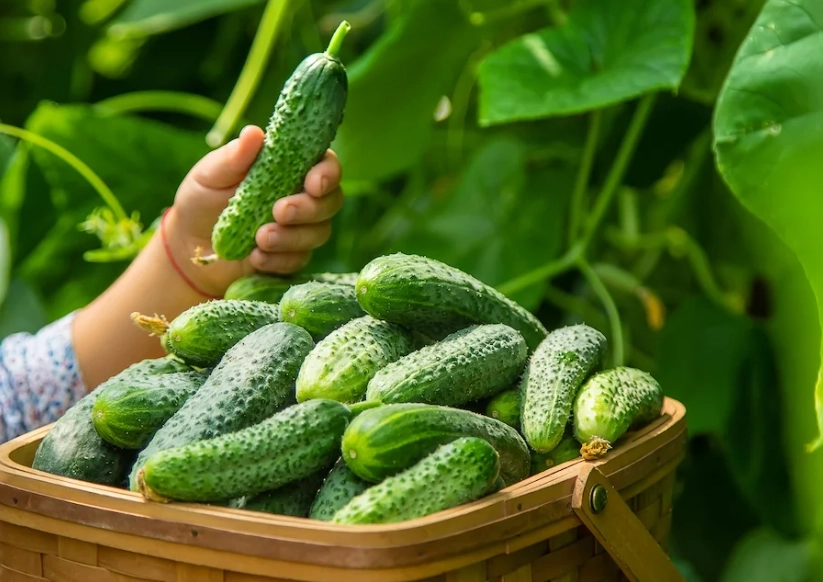
The Final, No-Stress Summary
Look, it feels like a lot of info, but it gets intuitive fast. Here's your cheat sheet for the next time you're in the garden, squinting at a cucumber:
- Check the Size for its variety.
- Look for a rich, consistent color and a slight sheen. No yellowing.
- Give it a gentle, firm squeeze all over. It should not give.
- Inspect the blossom end for any softness or discoloration.
- When in doubt, pick it. It's better to have a slightly underripe, crisp cucumber than an overripe, bitter one. The plant will thank you with more fruit.
Figuring out the perfect moment is one of the true joys of gardening. It's a connection to your food that you just don't get from a supermarket shelf. So go out there, look closely, feel your fruits, and enjoy the crunch of a perfectly timed harvest. You've got this.
Reader Comments