Quick Navigation
Let's be honest. We've all been there. You follow a famous apple pie recipe to the letter, use what looks like a perfectly good apple from the supermarket, and end up with a soggy, watery, flavorless mess. The recipe wasn't the problem. Your choice of apple was. That's the whole point of this guide—to save you from that kitchen disappointment forever.
So, what exactly makes an apple a good cooking apple? It's not about being the shiniest or the sweetest you can eat out of hand. It's about structure, flavor transformation, and how it behaves when heat hits it. A great baking apple holds its shape (mostly), doesn't turn to complete mush, and its flavor deepens and sweetens in the oven, often developing a wonderful tanginess that balances the sugar in your dessert.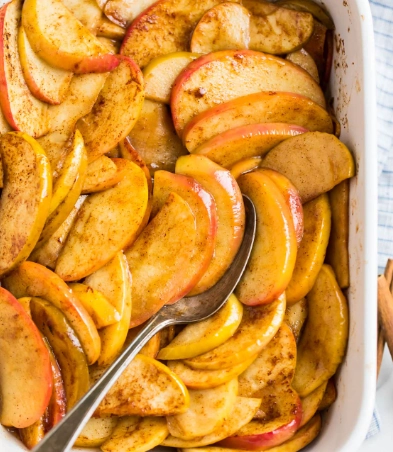
The Golden Rule: A good eating apple is often a terrible cooking apple. Those juicy, sweet, thin-skinned varieties like Red Delicious or Gala? They'll practically dissolve into applesauce in a pie (which, if that's your goal for applesauce, is great!). For structure, you need density and a higher pectin content.
The Top Contenders: A Breakdown of the Best Good Cooking Apples
This isn't just a random list. I've baked with most of these, and some have genuinely surprised me (in both good and bad ways). The "best" one for you depends entirely on what you're making and your personal texture preference. Do you like distinct slices of apple in your pie, or a more homogenous, soft filling?
Here’s a detailed look at the heavy hitters. I've ranked them in a loose order of reliability and availability, but your local orchard might have a hidden gem that tops them all.
Granny Smith: The Reliable Workhorse
You knew this was coming. Granny Smith is the default for a reason. It's tart, it's firm, and it's available year-round in almost every grocery store. Its high acidity cuts through the sweetness of pie fillings beautifully. I find it holds its shape better than almost any other common variety.
But here's my personal take: sometimes, a pie made with only Granny Smith can be a bit too sharp, a one-note sourness. That's why it's a superstar in blends. Mix it with a sweeter, softer-cooking apple, and you get a perfect balance of flavor and texture.
I used to be a Granny Smith purist until I made a pie with 50% Granny and 50% Honeycrisp. The Honeycrisp broke down a bit, creating a lovely saucy base, while the Grannies kept their form. Game changer.
Honeycrisp: The Sweet Crowd-Pleaser
Now, Honeycrisp is fascinating. It's phenomenal for eating, but is it one of the good cooking apples? Yes, but with a caveat. Its cells are famously large and filled with juice (that's the "crisp" part). When baked, those cells tend to rupture, meaning Honeycrisp softens and releases juice quickly. It won't hold a perfect slice like a Granny Smith.
This makes it incredible for apple sauce or apple butter—it practically cooks itself. For pie, it creates a moist, sweet, almost creamy filling. If you dislike firm apple chunks, you'll love a Honeycrisp-based pie. Just be prepared for a potentially juicier, saucier result. You might need a touch more thickener.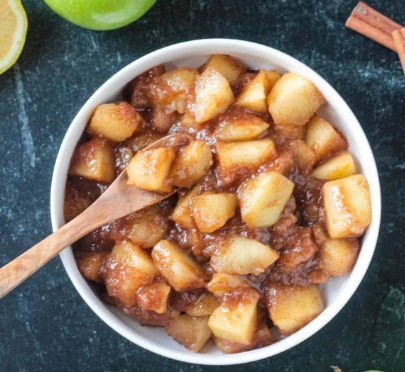
Braeburn: The Balanced Performer
Braeburn is the apple that never gets enough credit. It strikes a near-perfect middle ground. It's firm enough to hold up, sweet-tart in flavor, and it caramelizes wonderfully. When baked, its flavor becomes rich and complex, not just sweet or just sour.
If you can only find one type of apple for your recipe and you want a safe bet for a balanced, flavorful result, Braeburn is a top-tier choice. It's less watery than some, so your pie filling is less likely to be a soupy mess.
Jonagold & Jonathan: The Classic Pie Apples
These are the old-school heroes. Jonagold (a cross of Jonathan and Golden Delicious) is juicy, tart-sweet, and aromatic. It softens nicely but doesn't disappear. Jonathan apples are smaller, very tart, and have a tender flesh that cooks down into a thick, flavorful pulp. They are harder to find commercially now but are worth seeking out at farmers' markets in the fall.
Many professional bakers swear by these varieties for a traditional, deeply flavored apple pie. The Washington State University Tree Fruit Research & Extension Center has a fantastic, detailed apple variety database that confirms their excellent cooking properties, noting Jonathan's "spicy, tangy flavor" that excels when cooked.
Northern Spy: The Baker's Secret Weapon
If you see Northern Spy, buy them all. Seriously. This is the holy grail for many pie enthusiasts. It's incredibly firm, tart, and keeps a defined shape even after long baking. The flavor is outstanding. The problem? It's a late-season apple and not widely grown for big supermarkets, so it can be hard to find outside of specialty stores or the Northeast U.S.
Its scarcity is a real pain. But if your local orchard has it, you've hit the jackpot for good cooking apples.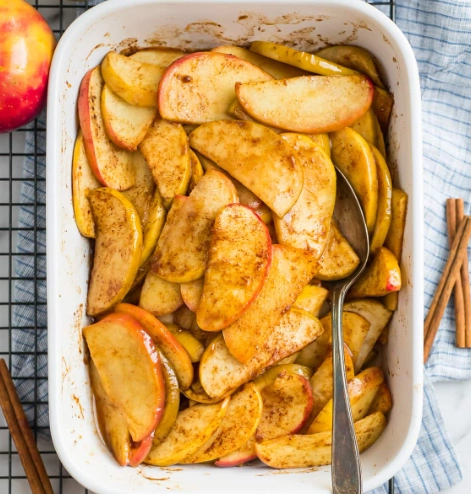
Watch Out: I made the mistake once of using Fuji apples for a pie because they were on sale. Big mistake. They are so sweet and dense that they hardly broke down, and the pie was cloyingly sweet without any bright acidity. They just sat there, stubbornly crunchy even after an hour in the oven. Not recommended for solo pie duty.
The Good Cooking Apple Comparison Table
Let's put this all together. This table should help you scan and decide at a glance, whether you're at the store or planning your recipe.
| Apple Variety | Best For | Flavor Profile When Cooked | Texture When Cooked | Availability |
|---|---|---|---|---|
| Granny Smith | Pies (especially in blends), tarts, recipes needing structure | Bright, tart, tangy | Holds shape very well, firm | Year-round, excellent |
| Honeycrisp | Applesauce, apple butter, pies (for a softer filling) | Very sweet, floral, rich | Breaks down easily, becomes tender & saucy | Year-round, excellent |
| Braeburn | All-purpose: pies, baking, sauces | Well-balanced sweet-tart, caramelizes well | Holds shape fairly well, softens nicely | Fall-Winter, good |
| Jonagold | Classic apple pie, crisps, cobblers | Aromatic, honeyed, mild tartness | Softens but retains some body | Fall, moderate |
| Northern Spy | The ultimate pie apple, any baking requiring structure | Complex, spicy, tangy | Exceptional shape retention, firm | Late Fall, limited/regional |
| Golden Delicious | Applesauce, pies (in blends), butter | Mellow, sweet, buttery | Breaks down completely to a smooth puree | Year-round, excellent |
See how different they are? Picking the right one is half the battle won.
Beyond the Pie Plate: How to Pick, Store, and Prep Your Apples
Knowing the varieties is great, but what do you do with them once you get them home?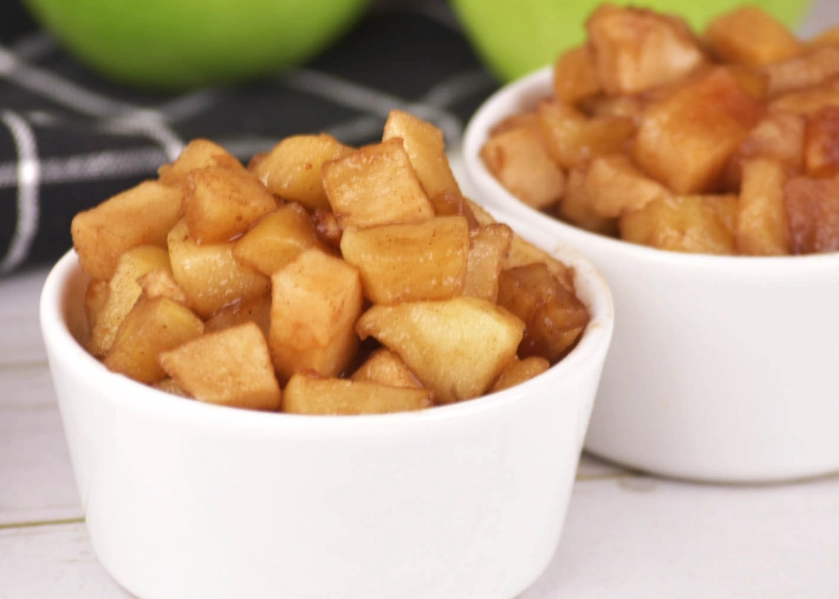
Choosing the Best Fruit
For cooking, you don't need the cosmetic perfection required for a fruit bowl. In fact, slightly imperfect apples from an orchard are often cheaper and more flavorful. Look for firm apples with no major soft spots or breaks in the skin. A dull sheen is fine. Smaller apples can sometimes have more intense flavor than massive ones. Don't shy away from a mix of sizes.
Smell them. A good cooking apple should smell like an apple, not like nothing.
The Storage Secret No One Talks About
Apples continue to breathe after they're picked. If you buy a big bag and leave them on the counter, they'll get mealy and soft faster. For long-term storage (more than a week), the fridge is your friend. The crisper drawer is ideal. They can last for months in cold storage, which is why we have them year-round.
Here's a crucial tip: apples make other produce ripen (and rot) faster. They release ethylene gas. So, if you store them in the fridge, keep them in a separate bag away from your lettuce, broccoli, or carrots. I learned this the hard way after ruining a head of lettuce that was nestled next to my apple haul.
Pro Tip: If your apples seem a little lackluster or soft, a quick soak in ice water for 10-15 minutes can sometimes perk them up and add a bit of crispness back before you chop and cook.
To Peel or Not to Peel?
This is a personal and textural choice. The peel adds fiber, nutrients, and a bit of color and texture. In a rustic apple crisp or a chunky applesauce, I often leave the peels on—it saves time and adds character. For a silky-smooth applesauce, apple butter, or a very refined pie, you'll want to peel. The peels can sometimes separate and curl in the filling, which some people find unappealing.
If you're using a variety with a tough, waxy skin (some commercial apples have a heavy wax coating), peeling is probably best.
Your Burning Questions About Good Cooking Apples, Answered
Can I use regular eating apples for baking?
You can, but the results will vary wildly. Using a soft, sweet apple like Red Delicious or McIntosh will likely give you a mushy, overly sweet, and potentially watery result. They lack the structural integrity. It's always better to seek out a known good cooking apple variety. If you must use eating apples, mix them with a tart, firm variety like Granny Smith to compensate.
Why did my apple pie turn out watery?
This is the #1 complaint. Three main culprits: 1) You used a very juicy apple variety (like McIntosh or Cortland) without adjusting. 2) You didn't use a thickener like flour, cornstarch, or tapioca. 3) You didn't let the pie cool completely before slicing. The filling needs time to set—cutting into a hot pie is a recipe for soup. Let it cool for at least 3-4 hours.
How do I keep my sliced apples from turning brown before baking?
A little browning is natural and won't affect flavor. But to prevent it, you can toss the slices in a little lemon juice or lemon-lime soda. The ascorbic acid (Vitamin C) is the key. Some people use a commercial fruit fresh product. Personally, I just toss them with a bit of the sugar and spices from my recipe right after cutting—the sugar draws out a little juice that coats them and slows browning.
What's the best apple for applesauce?
You want apples that break down easily! This is where your eating apples can shine. A mix of McIntosh, Golden Delicious, and Cortland is classic. I love adding one or two tart apples like Granny Smith or Jonathan to the mix for flavor depth. Honeycrisp makes an unbelievably sweet and fragrant sauce. For a simple guide, the USDA's National Agricultural Library has resources on home canning and preserving fruits, which includes principles that apply to making great applesauce.
Can I freeze apples for baking later?
Absolutely. Peel, core, and slice them. To prevent a giant frozen block, spread the slices on a parchment-lined baking sheet and freeze until solid, then transfer to a freezer bag. This "flash freezing" lets you grab a handful for a crisp or pie anytime. They'll be softer when thawed, so best used in cooked applications, not for fresh eating.
Putting It All Together: My Go-To Strategy for a Perfect Apple Pie
After years of trial and error (and some very mediocre pies), here's my non-negotiable system.
First, I never use just one apple. Blending is the secret to a complex flavor and a balanced texture. My favorite combo is 2 parts firm/tart (like Granny Smith or Northern Spy) to 1 part soft/sweet (like Honeycrisp or Jonagold). The firm ones keep their shape, the soft ones break down and create a luscious, saucy binder.
Second, I macerate the slices. After tossing with sugar, spices, a pinch of salt, and my thickener (I prefer a mix of cornstarch and minute tapioca), I let it sit for 30 minutes. The apples release some of their juice, which I then drain off and boil down in a saucepan until it's syrupy. I let it cool, then toss it back with the apples. This concentrates the apple flavor and reduces excess liquid before it goes in the crust, preventing a soggy bottom.
It’s an extra step, but it’s the difference between a good pie and a “wow, what did you do differently?” pie.
The last time I did this, I used Braeburn and a few Jonagolds I found at the farmer's market. The flavor was so deep and autumnal, it didn't even need a scoop of ice cream (though I still had one, of course).
Finding truly good cooking apples is more than just grabbing a bag. It's about understanding that different tools are for different jobs. A Fuji is a great snack. A Northern Spy is a culinary tool. Armed with this knowledge, you can walk into any market or orchard with confidence, knowing exactly what to look for to make your next baked creation a resounding success. Forget the guesswork. Start with the right apple.
Reader Comments