In This Article
You see it on every menu. It's the default "healthy" choice when you're trying to be good. But let's be real for a second. That classic Caesar salad you order at a restaurant? The one drenched in creamy dressing, piled with croutons, and topped with a mountain of Parmesan? It's not the virtuous meal we often pretend it is. I used to order it thinking I was making a smart choice, only to feel sluggish afterwards. It got me wondering: what's the real nutrition caesar salad story? Is there a way to actually make it a healthy, satisfying meal? That's what we're diving into today. No fluff, just the facts, the breakdowns, and a recipe that won't leave you feeling like you ate a brick.
The Short Answer: A traditional restaurant Caesar salad can be a calorie and fat bomb, primarily from the dressing and cheese. But the core ingredients—romaine lettuce, a bit of protein, and healthy fats—have great potential. The key is understanding the components and mastering the swap.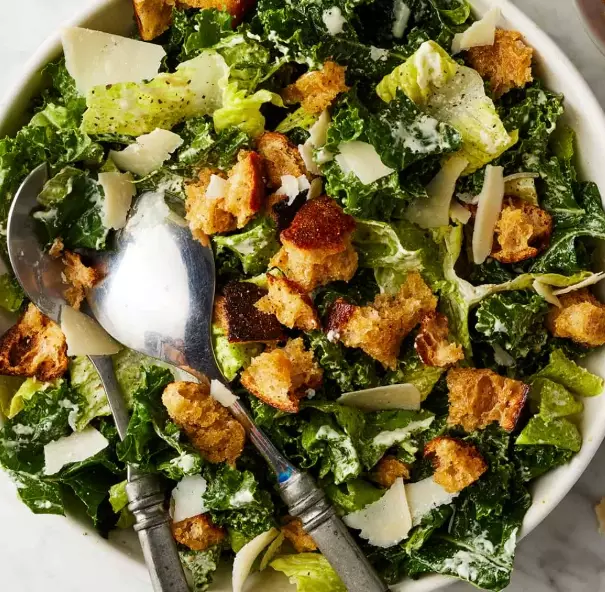
Deconstructing a Classic: Where the Calories Really Hide
To understand how to build a better, more nutritious Caesar, you first need to know what you're dealing with in the standard version. I'm not here to completely trash it—it's delicious for a reason. But from a pure nutrition caesar salad perspective, it's eye-opening.
Think about the main players:
- The Dressing: This is the #1 culprit. Traditional Caesar dressing is an emulsion of oil, egg yolk (or whole egg), Parmesan cheese, garlic, anchovies, and lemon juice. That's a lot of oil. We're talking about a sauce that can be 80-90% fat by calories. A single 2-tablespoon serving can easily pack 150-180 calories and 16-18 grams of fat.
- The Croutons: Basically little toasted bread cubes, often fried or baked with oil and butter. They add crunch, but also a significant amount of refined carbs and extra fat.
- The Cheese: Parmesan or Romano cheese is salty, flavorful, and calorie-dense. A heavy hand with the cheese grater adds saturated fat and sodium fast.
- The Lettuce: Romaine lettuce is the hero here. It's low in calories, high in water content, and provides vitamins A, C, K, and folate. It's the foundation that gets overshadowed.
- The Protein (Sometimes): Grilled chicken is a common add-on. This is where you can actually turn the salad into a balanced meal, provided the chicken isn't slathered in butter or marinades high in sugar.
So, when you get a large Caesar salad with chicken at a chain restaurant, you could be looking at 700, 800, even over 1000 calories. That's sometimes more than a burger! The fat content can soar past 50 grams. It's a classic case of a "salad" not equaling "diet food."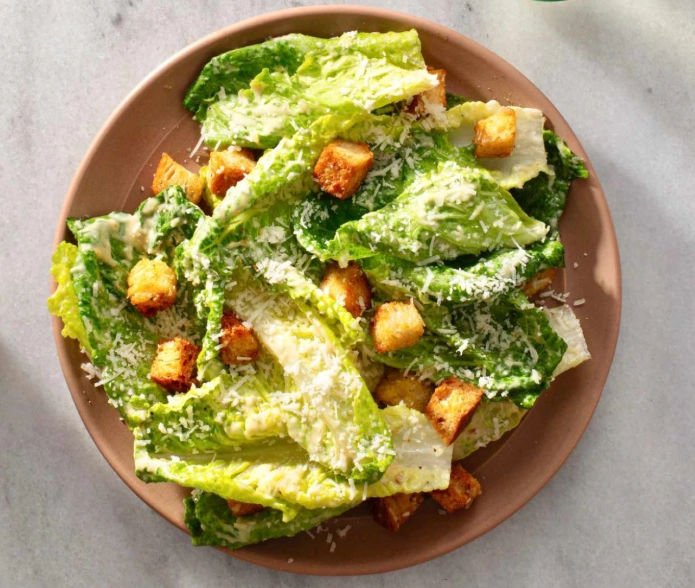
The Nutrition Profile: What Are You Actually Eating?
Let's get specific. I pulled data from the USDA FoodData Central, which is a fantastic resource for getting the real numbers on ingredients. Here’s a rough breakdown for a standard restaurant-sized Caesar salad with grilled chicken (think a large dinner portion):
| Nutrient | Approximate Amount | Quick Note |
|---|---|---|
| Calories | 750 - 950 kcal | Can vary wildly based on dressing amount. |
| Total Fat | 50 - 65 g | A big chunk is from the oil in the dressing. |
| Saturated Fat | 12 - 18 g | Mainly from cheese and any butter used on chicken/croutons. |
| Carbohydrates | 30 - 45 g | Mostly from croutons, with some fiber from lettuce. |
| Protein | 40 - 55 g | The saving grace! Primarily from the grilled chicken. |
| Sodium | 1300 - 1800 mg | Very high. From dressing, cheese, anchovies, and seasoned chicken. |
| Fiber | 4 - 6 g | Not terrible, but could be much higher with tweaks. |
See what I mean? The protein is solid, which is good for keeping you full. But the fat and sodium are through the roof. For context, the American Heart Association recommends aiming for no more than 2,300 mg of sodium a day, and moving toward an ideal limit of 1,500 mg for most adults. One salad can blow past that.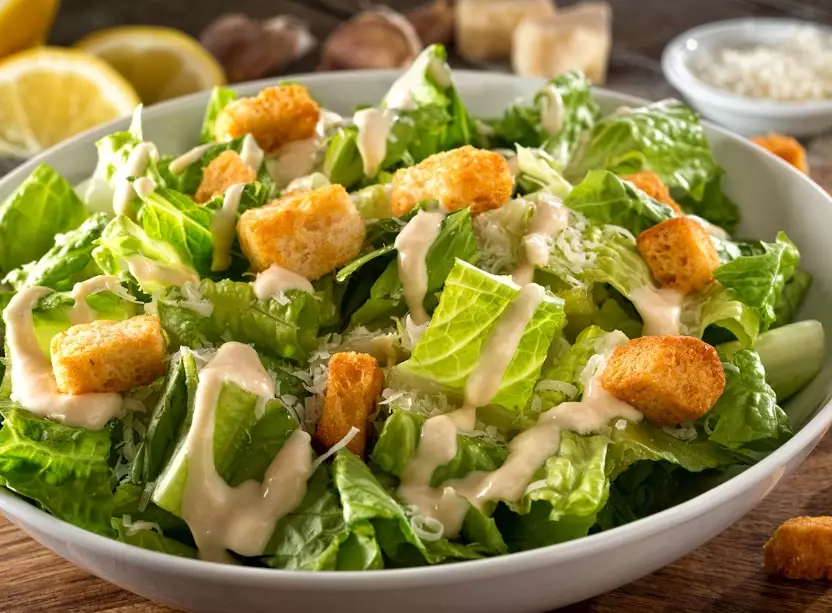
This isn't to scare you off. It's to empower you. When you know what's in it, you can make informed choices when ordering or, better yet, take control at home.
Building a Better, Truly Nutritious Caesar Salad
This is the fun part. Transforming the Caesar from a guilty pleasure into a legitimately nourishing meal is all about smart swaps and focusing on quality ingredients. The goal isn't to create a sad, flavorless imitation. It's to make something even more satisfying because it makes your body feel good.
1. Rethink the Foundation: Beyond Romaine
Romaine is great—crisp, mild, and holds dressing well. But why stop there? I love mixing in other greens for more nutrients and texture.
- Kale: Massage it with a tiny bit of lemon juice first to soften it. It packs iron and calcium.
- Baby Spinach: Adds a mild flavor and a boost of vitamins.
- Escarole or Radicchio: For a hint of bitterness that cuts through richness.
A mix creates a more complex base and automatically increases the vitamin and mineral profile of your healthy nutrition caesar salad.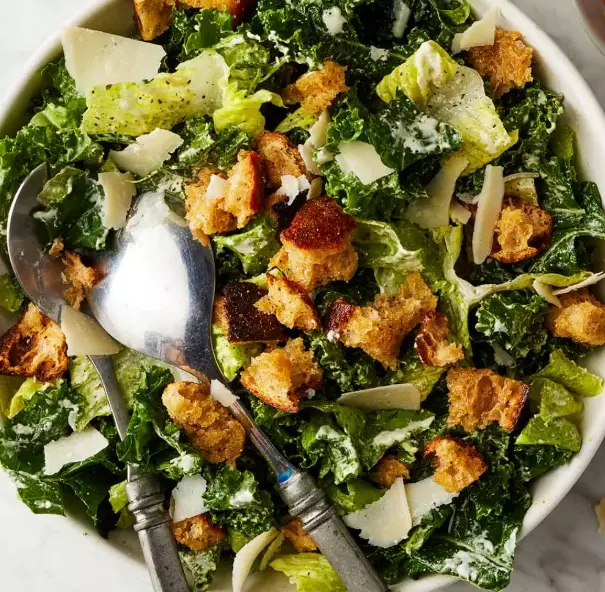
2. The Dressing Revolution: Creamy Without the Guilt
This is the most important hack. You can achieve that creamy, umami-rich, tangy dressing without a cup of oil. Here are my favorite approaches:
Greek Yogurt Base: This is my go-to. Plain, non-fat Greek yogurt is packed with protein and creates a wonderfully thick, creamy base. You blend it with garlic, lemon juice, Dijon mustard, Worcestershire sauce (check for anchovies or use a vegan one), a handful of grated Parmesan for authenticity, and a couple of anchovy fillets (or a splash of fish sauce) for that essential savory depth. You only need a tablespoon or two of olive oil for flavor, not volume.
Avocado Base: Blend half a ripe avocado with the same flavorings. The healthy fats from the avocado make it creamy and satisfying. It's a different texture but incredibly rich and delicious.
Cottage Cheese Base: Sounds weird, but blend it until smooth—it disappears into a creamy, high-protein sauce. Trust me on this one.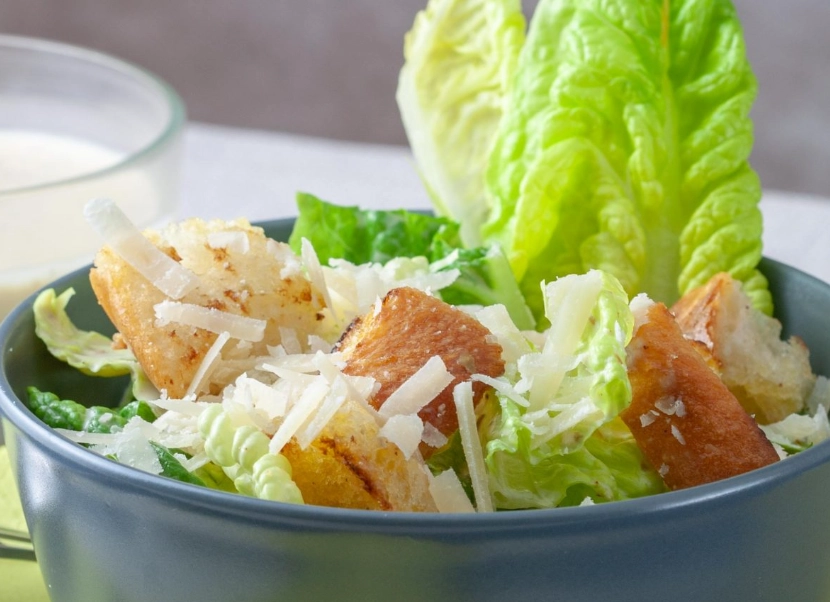
Any of these options slash the calories and fat in the dressing by more than half while adding protein or better fats. The flavor is shockingly close to the original, especially the Greek yogurt version.
3. Protein Power-Ups: It's Not Just Chicken
Grilled chicken breast is a classic for good reason—lean and high in protein. But it can get boring. Consider:
- Chickpeas: Roasted with a little paprika until crispy. They add plant-based protein and fiber.
- Salmon: A fillet of baked or pan-seared salmon is amazing with Caesar flavors. Hello, omega-3s!
- Hard-Boiled Eggs: Sliced or chopped. An easy, affordable protein source.
- Shrimp: Quick to cook and feel luxurious.
- Lentils: For a hearty, earthy plant-based option.
4. The Crunch Factor: Ditch the Stale Croutons
You need crunch. But you can get it from better sources.
- Homemade Whole-Grain Croutons: Cube a whole-wheat or seeded bread, toss with a very light spray of olive oil and garlic powder, and bake until crisp. You control the oil.
- Seeds & Nuts: Toasted pumpkin seeds (pepitas), sunflower seeds, or slivered almonds. They add healthy fats, minerals, and crunch.
- Chickpea Croutons: Those roasted chickpeas I mentioned? Double duty.
- Crispy Lentils or Edamame.
These alternatives add nutrition, not just empty carbs.
5. Cheese: The Flavor Bomb, Used Wisely
Don't skip the Parmesan. It's essential for the salty, savory punch. The trick is to use a high-quality block and grate it fresh yourself. The flavor is so much more intense that you'll need less. A little goes a long way. I find that a light sprinkle over the top is more satisfying than a ton mixed in.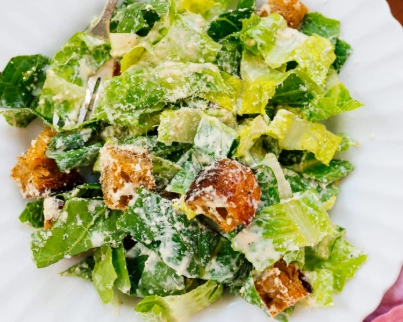
My Go-To High-Protein, Actually Healthy Caesar Salad Recipe
Here's exactly what I make for lunch at least twice a week. It's filling, packs a protein punch, and tastes phenomenal. The best part? It comes together in under 20 minutes.
For the Greek Yogurt Caesar Dressing:
- 1/2 cup plain non-fat Greek yogurt
- 1 small garlic clove, minced
- 2 tbsp fresh lemon juice
- 1 tsp Dijon mustard
- 1 tsp Worcestershire sauce (I use Lea & Perrins, which contains anchovies)
- 2-3 anchovy fillets, minced, or 1/2 tsp fish sauce
- 1/4 cup finely grated Parmesan cheese
- 1 tbsp extra virgin olive oil
- Freshly ground black pepper to taste (you likely won't need salt)
Whisk everything together in a bowl. That's it. Taste and adjust. It thickens up a bit in the fridge, which I like.
For the Salad (Single Serving):
- 3-4 cups chopped romaine and baby spinach mix
- 4-5 oz grilled chicken breast, sliced (I use leftovers or a quickly pan-seared seasoned breast)
- 2 tbsp of the dressing (seriously, it's enough!)
- 1 tbsp toasted sunflower seeds
- A light sprinkle of freshly grated Parmesan
- Optional: a few whole-wheat croutons I made earlier in the week.
Toss the greens with the dressing in a big bowl until lightly coated. Top with chicken, seeds, cheese, and croutons. It's simple, but the flavor is all there. This version has roughly 350-400 calories, 40+ grams of protein, and a fraction of the fat and sodium of the restaurant version. You feel energized, not weighed down.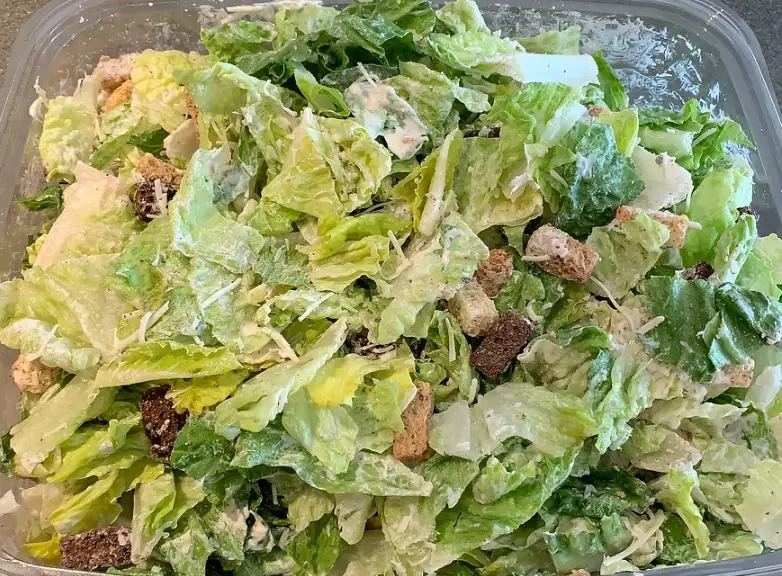
Answering Your Caesar Salad Nutrition Questions
The Final Takeaway
Don't write off Caesar salad. Write off the unhealthy, misleading version served in many restaurants. By understanding its nutritional pitfalls—the oil-heavy dressing, the refined croutons, the sodium overload—you can reclaim it. Making your own allows you to boost protein, incorporate healthy fats, add fiber, and slash empty calories. The result is a salad that truly lives up to its "healthy" reputation: satisfying, delicious, and full of nutrients that actually fuel your body. Give the Greek yogurt dressing a try this week. I think you'll be surprised at how little you miss the old, heavy version.
Reader Comments