What’s Inside This Guide
- Why This Zucchini and Potato Soup Actually Works
- Gathering Your Ingredients: A No-Stress Shopping List
- The Step-by-Step: How to Make Zucchini Potato Soup Without the Guesswork
- Making It Your Own: The Best Variations & Add-Ins
- Storing, Freezing, and Reheating Like a Pro
- Answers to Your Zucchini Potato Soup Questions
- The Final Stir
Let's be honest. Sometimes you just need a bowl of soup that feels like a hug from the inside. Something that's easy to throw together on a Tuesday night, doesn't require a trip to a fancy grocery store, and actually makes you feel good after eating it. That's exactly where this zucchini potato soup recipe comes in for me.
I stumbled upon the idea years ago when my garden was overflowing with zucchini (sound familiar?) and I had a bag of potatoes starting to sprout eyes. Throwing them together seemed logical, but the result was a revelation. It was creamy without a drop of cream, hearty from the potatoes, yet somehow light and fresh from the zucchini. It's become my secret weapon for busy weeks, fussy eaters, and those days when you want comfort food without the heavy guilt.
This isn't just another recipe. I want to walk you through everything I've learned—the little tricks that make it great, the common pitfalls to avoid (trust me, I've made the mistakes so you don't have to), and all the ways you can tweak it to make it your own. Whether you're a total beginner or just looking for a new staple, this guide has you covered.
Why This Zucchini and Potato Soup Actually Works
You might wonder why pair these two specific vegetables. It's not a classic combo like leek and potato. But that's the beauty of it. The potato is the reliable friend here. It breaks down as it cooks, releasing starch that naturally thickens the broth into something silky and substantial. It provides that comforting, earthy backbone.
The zucchini is the fun, fresh counterpart. It cooks quickly and adds a subtle sweetness and a brighter flavor. While it softens beautifully, it also retains a bit of its structure, preventing the soup from becoming a monotonous, starchy paste. Nutritionally, it's a powerhouse duo. Potatoes give you potassium and vitamin C (yes, really! Check the USDA's National Nutrient Database for the full breakdown), while zucchini is low in calories and high in water and antioxidants. Together, they create a balanced, satisfying meal.
And the best part? This zucchini potato soup is a blank canvas. It welcomes herbs, spices, and toppings. It's vegan-friendly by nature if you use vegetable broth, but easily adaptable if you're not. It freezes like a dream. Honestly, what's not to love?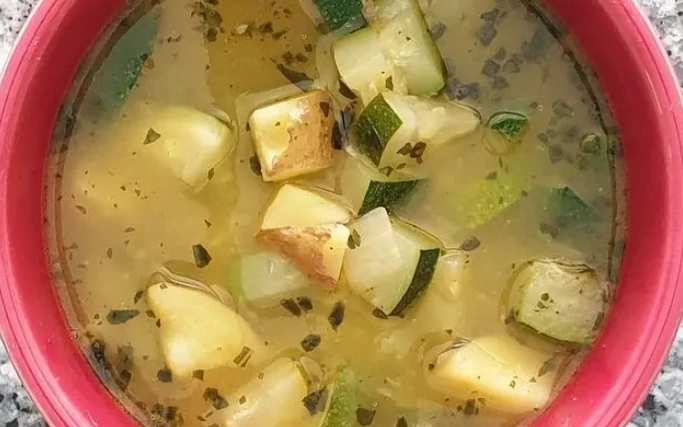
Gathering Your Ingredients: A No-Stress Shopping List
One of the biggest wins with this soup is its simplicity. You probably have most of this stuff already. Let's break down what you need and why each item matters.
The Core Vegetables (The Stars of the Show)
Potatoes: This is key. You want starchy potatoes, not waxy ones. Russets or Yukon Golds are perfect. Russets will give you the fluffiest texture and thicken the soup the most, while Yukon Golds have a buttery flavor and hold their shape a bit better. I personally lean toward Yukon Golds for their all-purpose nature. Avoid red potatoes or fingerlings for this—they won't break down as well.
Zucchini: Any common green zucchini works. Look for firm, medium-sized ones. Giant, overgrown zucchini can be seedy and watery, which might dilute your soup. About two medium zucchinis is perfect. Don't bother peeling them—the skin adds color, nutrients, and a bit of texture.
The Flavor Builders (The Supporting Cast)
Onion & Garlic: The essential aromatic base. A yellow onion is fine, but a sweet Vidalia onion adds a lovely depth. Don't rush sautéing these. Getting them soft and translucent, not browned, builds a sweet foundation.
Broth: This is where you can define the soup's character. A good-quality vegetable broth keeps it vegetarian/vegan. Chicken broth adds a richer, savory note. I often use a low-sodium version so I can control the salt myself. Water can work in a pinch, but broth is infinitely better.
Herbs: Dried thyme is my favorite here—its earthy, slightly floral notes pair wonderfully with both vegetables. A bay leaf simmered in the pot adds another layer of complexity. Fresh herbs like dill or parsley are fantastic as a garnish at the end.
| Ingredient | Why It's Important | Pro Tip / Substitution |
|---|---|---|
| Potatoes (3-4 medium) | Provides starch for natural thickening and hearty substance. | Peel if desired, but leaving skin on adds fiber. Dice evenly for consistent cooking. |
| Zucchini (2 medium) | Adds freshness, sweetness, and lightness to balance the potato. | No need to peel. Grate one for a thicker base, slice the other for texture. |
| Yellow Onion (1 large) | Forms the aromatic flavor base of the soup. | Cook slowly until translucent, not browned, for a sweeter flavor. |
| Garlic (3-4 cloves) | Adds a pungent, savory kick. | Add minced garlic after onions to prevent burning and bitterness. |
| Vegetable or Chicken Broth (6 cups) | The liquid base that carries all the flavors. | Low-sodium recommended. Quality matters—it's a main flavor source. |
| Dried Thyme (1 tsp) | Classic herb pairing that complements both vegetables. | Rub between your fingers before adding to release more oils and flavor. |
| Olive Oil or Butter (2 tbsp) | For sautéing the aromatics. | Butter adds richness; olive oil keeps it lighter/dairy-free. |
The Step-by-Step: How to Make Zucchini Potato Soup Without the Guesswork
Alright, let's get cooking. This process is straightforward, but a few small choices make a big difference in your final bowl.
Prep Your Veggies Smartly
Dice your onion. Mince the garlic. Now, for the main players: peel your potatoes if you prefer (I often leave the skin on for Yukon Golds), and cut them into roughly 1-inch chunks. Try to make them somewhat even so they cook at the same rate. For the zucchini, I like to cut one into similar-sized chunks, and the other into slightly smaller pieces or even grate it. Why? The grated zucchini almost melts into the soup, thickening it and distributing its flavor everywhere, while the chunks give you pleasant little bites.
Building the Soup Base
Heat your oil or butter in a large pot over medium heat. Add the onion with a pinch of salt. The salt helps draw out moisture and speeds up the softening. Cook, stirring now and then, for a good 5-7 minutes until they're soft and see-through. Don't let them brown—we're not looking for caramelization here, just sweetness.
Add the garlic and dried thyme. Stir for just about 30 seconds until fragrant. If you add garlic too early with the onions, it can burn and turn bitter, which is a surefire way to ruin the batch.
Now, toss in all your potatoes and stir them around, letting them get coated in the oniony oil for a minute. This quick toast can help them absorb flavor better later.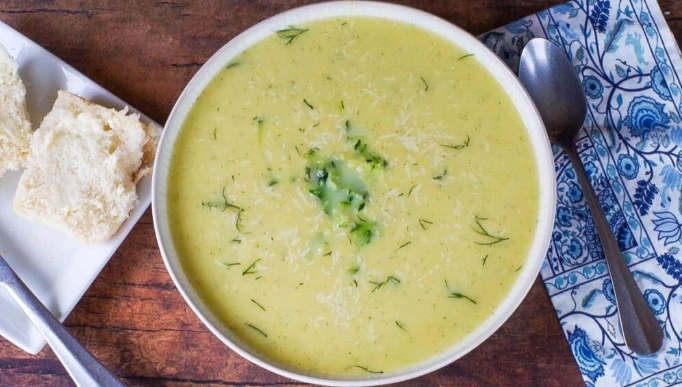
Simmering to Perfection
Pour in your broth. Add the bay leaf if you're using one. Bring the whole thing to a boil, then immediately reduce the heat to a gentle simmer. Let it bubble away, uncovered, for about 15 minutes. You want the potatoes to be just starting to get tender but not falling apart yet.
Now add the zucchini. The reason we add it later is that zucchini cooks much faster than potato. If you throw it in at the start, it'll turn to mush by the time the potatoes are done. Adding it now ensures it retains some character and a brighter green color.
Simmer for another 10-15 minutes, until both the potatoes and zucchini are completely tender when pierced with a fork.
Turn off the heat. Remove the bay leaf. This is your moment to decide on texture. Blend it smooth, mash it chunky, or do my hybrid method. Taste it. Does it need more pepper? A squeeze of lemon juice to brighten it up? Adjust now.
And that's it. Seriously. From pot to bowl in under an hour, most of it hands-off simmering time.
Making It Your Own: The Best Variations & Add-Ins
The basic zucchini potato soup recipe is fantastic, but it's also a perfect starting point. Got some spinach wilting in the fridge? Toss it in at the end. Want more protein? Here are the paths you can take.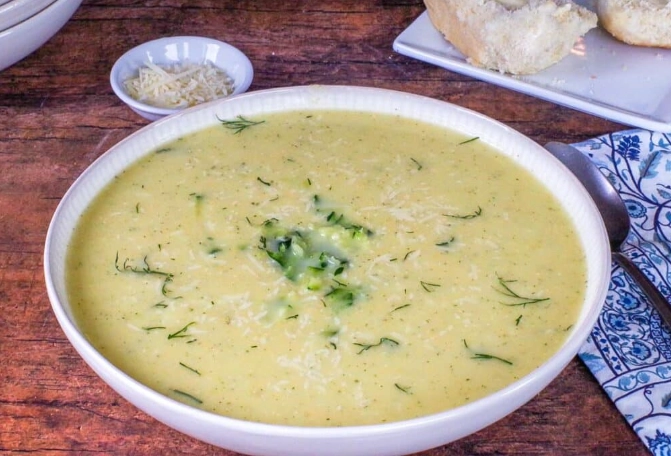
For a Creamier Version (Without Cream)
If you want an even richer mouthfeel but want to avoid dairy, try blending in a can of rinsed white beans (cannellini or great northern) when you puree. You won't taste "bean," but you'll get incredible creaminess and extra protein and fiber. A splash of canned coconut milk at the end is another great vegan option that adds a subtle sweetness.
Adding Protein
This soup is a great vehicle for leftover protein. Shredded rotisserie chicken stirred in after blending heats through in minutes. For a heartier vegetarian option, add a can of rinsed chickpeas with the zucchini. For meat lovers, crispy chopped bacon or pancetta as a garnish is a game-changer—the salty, smoky crunch against the creamy soup is divine.
Herb & Spice Twists
Swap the thyme for other dried herbs. Italian seasoning works well. A pinch of smoked paprika or a dash of curry powder (start with 1/2 tsp) can take the soup in a completely different, warming direction. Fresh herbs are always a winner—chopped fresh dill is a classic pairing with zucchini, and a big handful of fresh parsley or basil just before serving adds a burst of freshness.
Storing, Freezing, and Reheating Like a Pro
This soup might be even better the next day, as the flavors have more time to mingle. Let it cool completely before storing. It will keep in an airtight container in the fridge for 4-5 days.
Freezing is where this zucchini potato soup truly shines. Portion it into freezer-safe containers or bags, leaving an inch of space for expansion. It freezes beautifully for up to 3 months. The texture holds up remarkably well because of the starchy potato base.
Reheating Tip: Thaw overnight in the fridge if possible. Reheat gently on the stove over medium-low heat, stirring occasionally. You may need to add a small splash of broth or water to loosen it up, as it tends to thicken when cold. Avoid boiling it vigorously, as it can sometimes cause the texture to break or become grainy.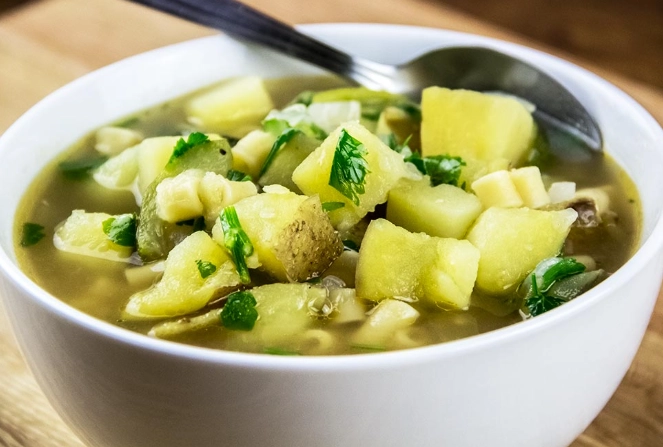
Answers to Your Zucchini Potato Soup Questions
The Final Stir
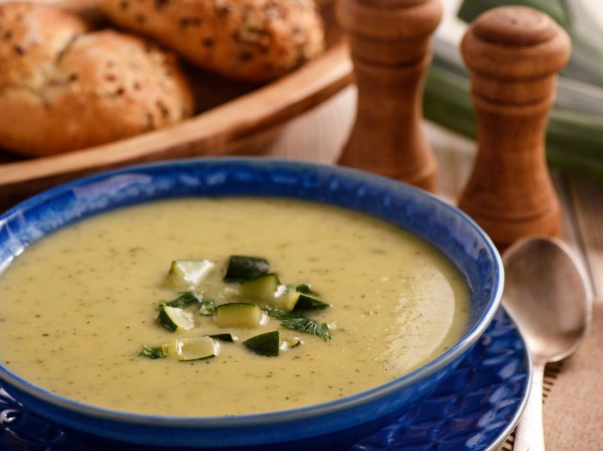
At the end of the day, this zucchini potato soup recipe is about simplicity delivering maximum comfort. It's forgiving, adaptable, and genuinely nourishing. It solves the "what's for dinner" dilemma with ingredients that are humble and accessible. It proves that you don't need cream or complicated techniques to make a soup that feels indulgent.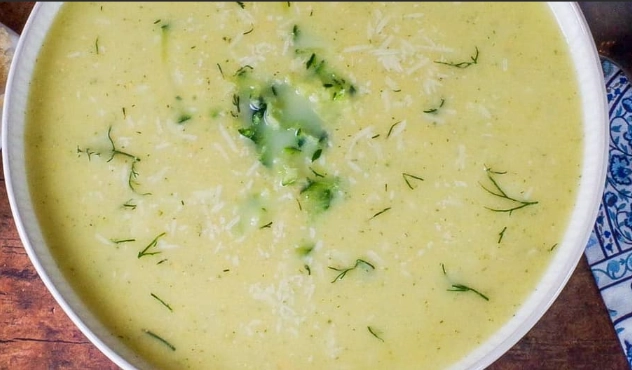
So the next time you see zucchini at the store or in your garden, grab a few potatoes too. Give this a try. Play with the herbs. Try a different topping. Make it your own. I have a feeling it might just become a regular in your kitchen, just like it has in mine.
Now, if you'll excuse me, I think I hear a pot of soup calling my name. The leftovers are waiting.
Reader Comments