Quick Guide
- When Is Kiwi Season, Really? The Global Timeline
- How to Pick the Perfect Kiwi, Every Single Time
- The Art and Science of Ripening & Storing Kiwis
- Why Bother? The Staggering Nutrition of Kiwifruit
- Buying Guide: Where to Get the Best Kiwis During Season
- Your Kiwi Season Questions, Answered
- Wrapping Up: Embrace the Rhythm of Kiwi Season
Let's be honest. We've all been there. You're in the grocery store, drawn to that bin of fuzzy brown fruit. Kiwis. They look good, but are they actually good right now? You give one a gentle squeeze. Rock hard. You sigh and move on, missing out on that perfect sweet-tart punch because the timing just felt off. That ends now. Understanding the kiwi season is the secret handshake to getting the best fruit, every single time. It's not just about a date on a calendar; it's about knowing the rhythms of this incredible fruit, from the vine to your kitchen counter.
This guide is here to demystify it all. We're going to talk about when kiwis are truly at their peak, how to pick a winner even if it's firm, the best ways to coax them into perfect ripeness at home, and why this little fruit is worth the wait. Forget the guesswork.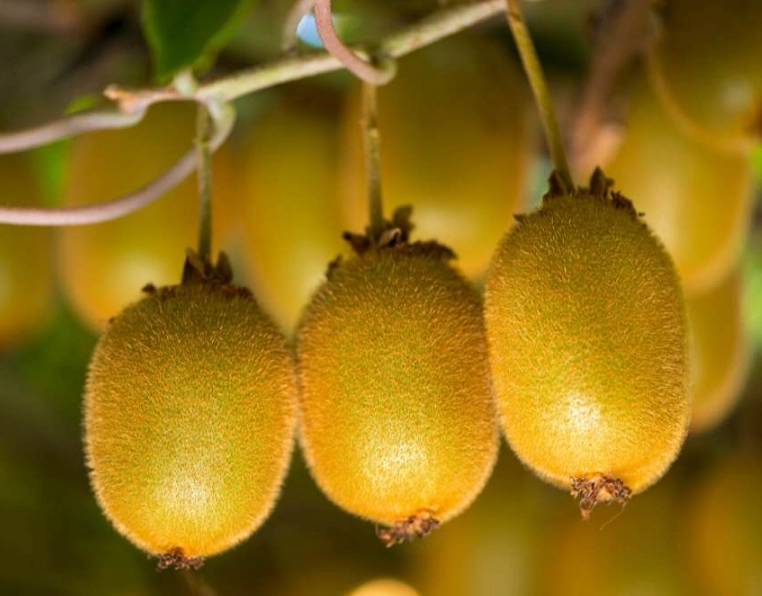
When Is Kiwi Season, Really? The Global Timeline
This is the big question, right? The simple answer is: you can find kiwis most of the year. But the best kiwis, the ones that are abundant, affordable, and bursting with flavor, have a clearer schedule. It all depends on where they're grown.
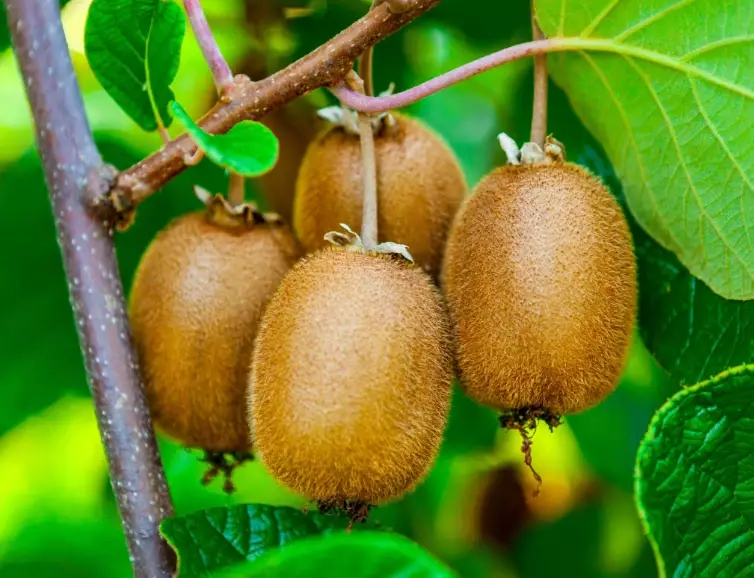
The vast majority of the kiwifruit you see in stores are of the Hayward variety (green flesh). Their season follows the harvest cycles of the two major producers: New Zealand and Italy (with California, Chile, and Greece playing important supporting roles).
Here’s the breakdown that makes planning your kiwi purchases a breeze:
- Late Fall to Spring (Peak Northern Hemisphere Off-Season): From about May through October, New Zealand is the star. Their harvest kicks off in autumn (our spring) and the fruit is shipped worldwide. This is when you'll often see the Zespri brand dominating shelves. The fruit you buy in, say, July has likely been in cold storage for a bit, but the quality from major exporters is tightly controlled.
- Late Fall to Early Spring (Northern Hemisphere Local Season): This is the golden window for fresh, local-ish kiwis in North America and Europe. From October through May, fruit from California (harvest Oct-Jan) and Italy (harvest Oct-Nov) hits the market. This is often the shortest time between harvest and your fruit bowl, which can mean exceptional flavor and texture.
So, if you're looking for the absolute freshest, shortest-traveled fruit, late fall is your sweet spot in the Northern Hemisphere. But honestly, the modern cold chain is so good that a New Zealand kiwi in August can be fantastic. The real trick is knowing how to pick it.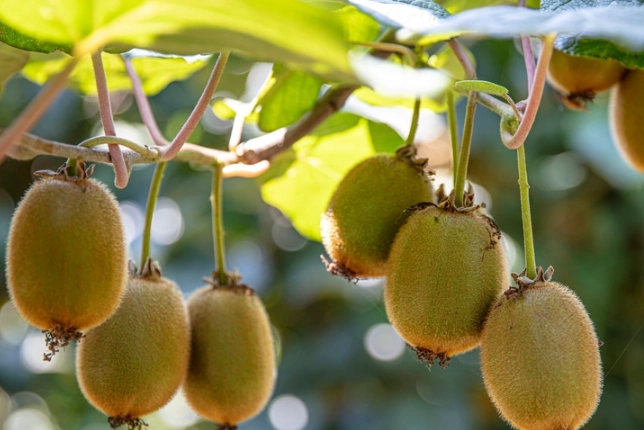
The Main Players: Green vs. Gold Kiwifruit Seasons
Not all kiwis are the same, and their seasons have slight variations. The classic green kiwi (Hayward) is the workhorse, but the golden kiwi (often Zespri SunGold) has become a beloved favorite for its sweeter, less acidic taste and smooth skin.
| Variety | Key Features | Primary Season (Northern Hemisphere Stores) | Flavor Profile |
|---|---|---|---|
| Green Kiwi (Hayward) | Fuzzy brown skin, vibrant green flesh with black seeds. | Year-round, peak Oct-May (Northern crop). Most abundant and affordable. | Classic bright, tangy, and sweet-tart balance. |
| Gold Kiwi (e.g., Zespri SunGold) | Smooth, hairless bronze skin, sunny yellow flesh. | More seasonal. Strongest availability May-Oct from New Zealand. Less common in winter. | Noticeably sweeter, tropical (hint of mango/pineapple), less acidic. |
I have a soft spot for the green ones—that tart punch is what I crave. But I'll admit, the gold ones are easier to eat (no peeling needed, really) and are a hit with kids or anyone who finds the green variety too sharp. During the peak of kiwi season for golds, I like to do a taste test side-by-side. It's fun.
How to Pick the Perfect Kiwi, Every Single Time
This is where the magic happens. You're in the store, facing the pile. Here’s your step-by-step field guide, moving beyond just the squeeze test.
First, the Visual Check:
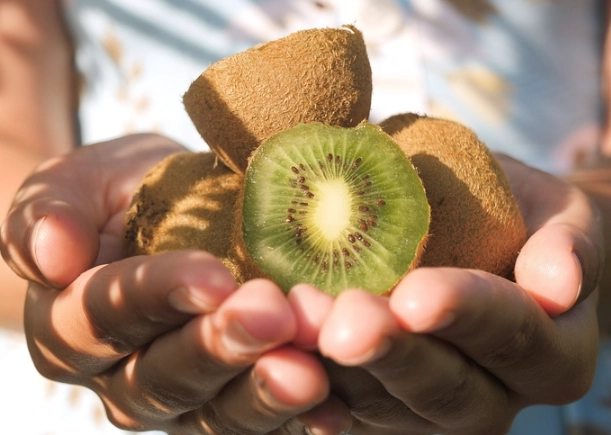
- Skin: Look for fruit that's plump and uniformly brown. For green kiwis, the fuzz should look intact, not matted or wet. Avoid any with wrinkles, which signal dehydration, or dark, soft spots, which mean bruising or decay. A few superficial scratches are usually fine.
- Shape: A nice oval shape is typical. Avoid any that look shriveled at the ends.
- Size: Size isn't a direct indicator of flavor, but medium-sized fruits are often a safe bet. Very large ones can sometimes be a bit more fibrous.
Now, the Tactile Test (The Squeeze):
Finally, the Sniff Test (The Secret Weapon):
This is surprisingly effective, especially for gold kiwis. Hold the fruit up to your nose, right near the stem end. A ripe or nearly ripe kiwi will have a faint, sweet, and fragrant aroma. If you smell nothing, it's likely underripe. If you get a whiff of anything fermented or wine-like, put it back—it's starting to go.
Here’s the mindset shift: You don't always need to buy ready-to-eat kiwis. In fact, during the heart of kiwi season, buying firm ones gives you control. You can ripen a few at a time, extending your enjoyment over a week or more.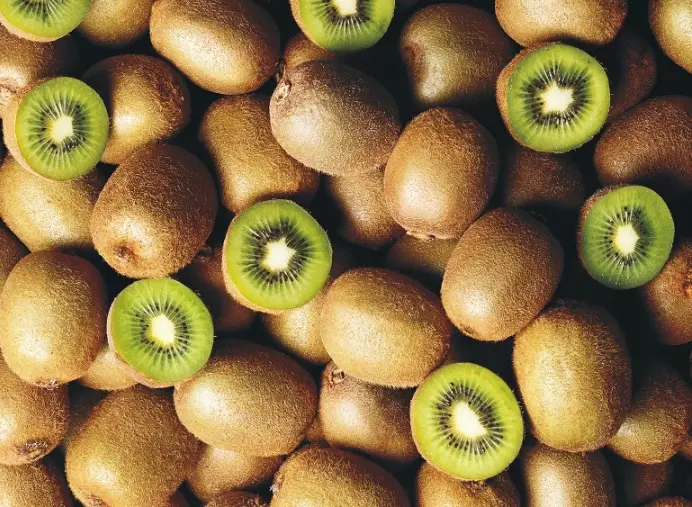
The Art and Science of Ripening & Storing Kiwis
You've brought home your haul. Now what? Proper handling is what separates a mediocre experience from a great one.
How to Ripen Hard Kiwis Fast (And Slow)
Kiwis, like bananas, avocados, and pears, are climacteric fruits. They continue to ripen after picking, driven by ethylene gas.
- The Paper Bag Method (Fast Track): Place firm kiwis in a paper bag with an ethylene-producing friend like a banana or apple. Fold the top over loosely. The trapped ethylene gas accelerates ripening. Check daily. This can turn a rock-hard kiwi into a perfectly ripe one in 24-48 hours.
- The Counter Method (Slow and Steady): Just leave them at room temperature on your counter, out of direct sunlight. They'll ripen in 3-7 days depending on how firm they started. This is my go-to method if I'm not in a rush—I just let the natural kiwi season bounty ripen at its own pace.
Once they yield to that gentle palm pressure and smell fragrant, they're ready. Eat immediately or refrigerate to pause the process.
Storing Ripe Kiwis: Make Them Last
This is crucial. A ripe kiwi left on the counter will become overripe and mushy in a day or two.
- For Ripe, Ready-to-Eat Kiwis: Get them into the refrigerator. In the crisper drawer, they can stay in prime condition for up to 7 days, sometimes more. The cold dramatically slows down the ripening enzymes.
- For Cut Kiwi: Store it in an airtight container in the fridge. It's best eaten within 1-2 days as it will start to oxidize and soften.
- Can You Freeze Kiwi? Absolutely. Peel and slice it, lay the slices on a parchment-lined tray to freeze individually, then transfer to a freezer bag. They'll keep for 6-8 months. The texture will be softer when thawed (great for smoothies or as a frozen snack), but the flavor of the kiwi season is locked in.
Why Bother? The Staggering Nutrition of Kiwifruit
Flavor is one thing, but the health profile of kiwi is what makes it a true superfood. This isn't just hype; it's backed by solid research. One medium green kiwi (about 69g) is a nutritional powerhouse, and data from the USDA FoodData Central lays it out clearly.
It's packed with more than 100% of your daily Vitamin C needs (beating an orange ounce-for-ounce), a hefty dose of Vitamin K, a good amount of dietary fiber (great for digestion), and potassium (rivaling a banana). It also contains Vitamin E, folate, and various antioxidants. The enzyme actinidin, unique to kiwi, is a natural meat tenderizer and is thought to aid protein digestion.
What does this mean for you? Regularly eating kiwis can support immune function, improve digestive health (a couple of kiwis a day is a well-researched natural remedy for mild constipation), promote better sleep due to their serotonin content, and support heart health. Not bad for a fuzzy little fruit.
| Nutrient | Amount per Medium Green Kiwi (69g) | % Daily Value* | Why It Matters |
|---|---|---|---|
| Vitamin C | 64 mg | 71% | Immune support, antioxidant, collagen production. |
| Vitamin K | 27.8 mcg | 23% | Essential for blood clotting and bone health. |
| Fiber | 2.1 g | 8% | Promotes digestive health and satiety. |
| Potassium | 215 mg | 5% | Regulates fluid balance and nerve signals. |
| Folate | 17.2 mcg | 4% | Important for cell growth and metabolism. |
*Percent Daily Values are based on a 2,000 calorie diet. Source: USDA FoodData Central.
Buying Guide: Where to Get the Best Kiwis During Season
Not all stores are created equal when it comes to produce turnover. Here’s my ranked list of places to shop, especially during the peak of kiwi season.
- Local Farmers' Markets (If you're in a growing region like California): The undisputed champion for freshness. You're getting fruit that was picked days, not weeks or months, ago. You can talk directly to the grower. The downside? Availability is strictly seasonal and geographic.
- Warehouse Clubs (Costco, Sam's Club): During the peak season, they often sell large trays of New Zealand or California kiwis at fantastic unit prices. The volume is high, so turnover is fast, which usually means fresher fruit. Just have a plan for storing or sharing.
- Well-Regarded Grocery Chains (Whole Foods, Sprouts, Wegmans, etc.): They tend to have stricter produce standards and faster turnover. I've noticed they often label the country of origin clearly, which helps you gauge timing. Prices are higher, but consistency is often better.
- Standard Supermarkets: Your everyday option. The key here is to be extra vigilant with the selection tips above. Check the fruit at the bottom of the display—it's less likely to have been bruised by constant handling. Sales during the kiwi season can be excellent here.
- Online Grocery & Specialty Fruit Subscriptions: Services like FreshDirect or specialty fruit clubs can source high-quality fruit directly. It's convenient and can offer unique varieties, but you can't personally select each piece, so you're relying on their pickers.
A quick note on organic vs. conventional. Kiwis have a thick skin you often peel, which minimizes pesticide exposure. I usually buy conventional to save money, but if you're eating the skin (gold kiwi or if you blend whole green kiwis), organic might be a consideration for you. The Environmental Working Group's Dirty Dozen list is a resource some people check, though kiwifruit typically ranks quite low in terms of pesticide residues.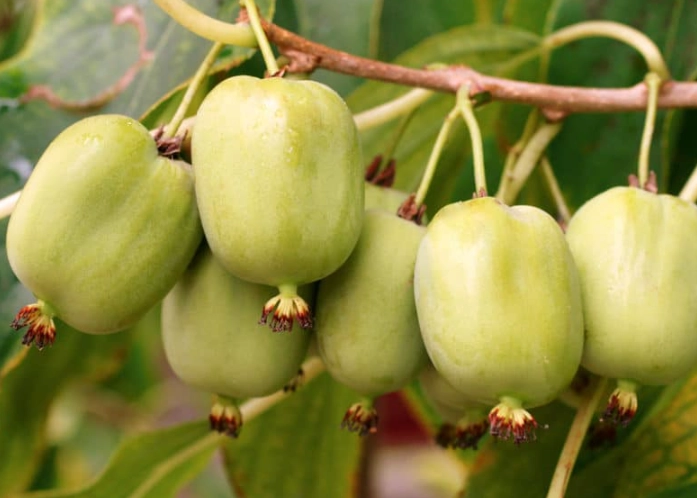
Your Kiwi Season Questions, Answered
Yes, thanks to global production and advanced cold storage. But the quality, price, and variety peak during the main harvest windows from New Zealand (May-Oct) and the Northern Hemisphere (Oct-May).
Yes! It's edible and packed with fiber and nutrients. The fuzz on green kiwis can be off-putting to some—you can rub it off under running water. Golden kiwis have a smooth, fuzz-less skin that's very easy to eat. I got used to eating gold kiwi skin first, and now I often just scrub a green kiwi and eat it like an apple. It's a texture thing, but it cuts down on waste and prep time.
Signs are pretty clear: an overly soft, mushy feel; visible mold (often white or blue-green fuzz); deep, sunken wrinkles; a strong fermented or alcoholic smell; or leaking juice. If in doubt, cut it open. Dark brown flesh or an off smell means it's time to compost it.
They were likely picked too early. Kiwis develop their full sugar content on the vine. If harvested prematurely for long-distance shipping, they may soften but never achieve optimal sweetness. This is why buying during the peak local kiwi season can yield sweeter fruit—it can stay on the vine longer.
Yes, kiwi allergy is not uncommon, especially in people with latex allergy or pollen allergies (Oral Allergy Syndrome). Symptoms can range from mouth itching to more severe reactions. If you're trying kiwi for the first time, start with a small piece. The American Academy of Allergy, Asthma & Immunology (AAAAI) has information on latex-fruit syndrome.
The bottom line? Don't overthink it, but do pay attention.
Wrapping Up: Embrace the Rhythm of Kiwi Season
Navigating the kiwi season isn't about memorizing complicated charts. It's about understanding a simple, global rhythm and then using your senses. Buy firm when you see a good sale during the peak months, ripen them at home on your schedule, and savor the incredible flavor and nutrition of a fruit that's truly at its best.
It turns a mundane grocery trip into a small act of connection with how our food grows and travels. And that, to me, is the real joy of eating seasonally—even with a fruit that's almost always there. You're choosing the best possible version of it.
So next time you're in the produce aisle, give that kiwi bin a confident glance. You've got this.
Reader Comments