Quick Guide
Let's be honest. You order a Caesar salad thinking you're making the "healthy" choice. It's just greens, right? A light lunch. Then you get this massive bowl, dripping with creamy dressing, covered in cheese and croutons, and maybe even some chicken. It tastes incredible, but later you're left wondering... just how many calories did I actually eat?
I've been there. Staring at the menu, trying to be good. The burger calls, but the salad section beckons with its promise of virtue. Caesar salad always seems like a safe, classic bet. But is it really? The answer, as with most things in nutrition, is: it depends. Heavily.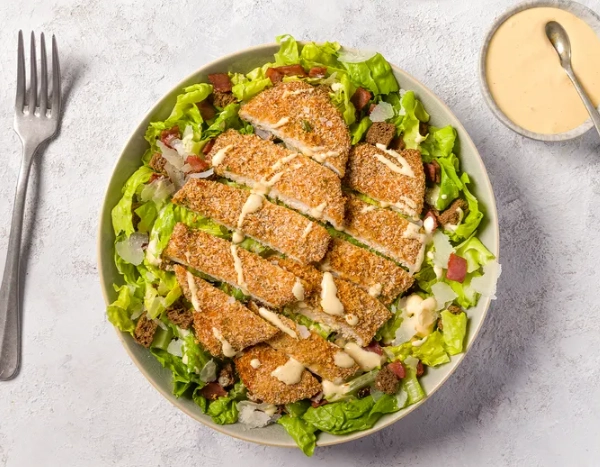
The term "caesar salad kcal" is searched for a reason. People are confused. The calorie count can swing wildly from a sensible 300 to a gut-busting 1,000-plus. That's a huge range. It's the difference between a snack and a full day's meal for some people. So let's clear up the confusion for good. We're going to dig into what makes up those calories, where the hidden traps are, and most importantly, how you can still enjoy a fantastic Caesar salad without feeling like you've blown your entire diet.
The Core Issue: A traditional Caesar salad is not the low-calorie angel it's often mistaken for. The classic recipe, when prepared authentically, is a celebration of rich, savory flavors—anchovies, egg yolk, Parmesan, olive oil—not a diet food. The modern restaurant version often amplifies this with excessive dressing, oversized croutons, and giant portions.
Why the Calories in a Caesar Salad Are So Hard to Pin Down
Before we get to numbers, you need to understand why there's no single answer to "how many calories in caesar salad." It's like asking how much a car costs. Are we talking a used sedan or a new luxury SUV?
Every single component is a variable.
The Dressing: The #1 Calorie Offender
This is the heart and soul of the salad, and its biggest calorie bomb. Traditional Caesar dressing is an emulsion of oil, egg yolk, Parmesan cheese, garlic, lemon juice, Worcestershire sauce, and anchovies. The base is oil. Lots of it.
A single tablespoon of olive oil has about 120 calories. A standard restaurant side of dressing can be a quarter cup or more. That's 4 tablespoons. Do the math. Just the oil in the dressing alone can be nearly 500 calories before you've added a single leaf of lettuce or speck of cheese.
Many chains use bottled or pre-made dressings that swap olive oil for cheaper, less healthy oils and add thickeners and sugars, which can alter the calorie count (sometimes making it even higher). The creaminess often comes from a mayo or yogurt base in these versions, which packs its own caloric punch.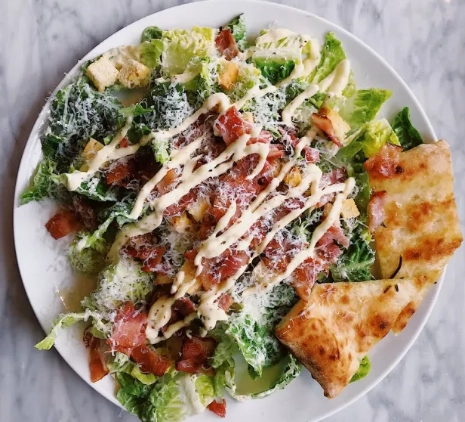
I once asked for dressing on the side at a casual dining spot. They brought a small ramekin that was easily 1/2 cup of thick, creamy dressing. It looked innocent enough, but that little cup could have been 300-400 calories all by itself.
The Croutons: The Crunchy Carb Load
Ah, croutons. They're there for texture, but they're essentially little fried or baked bread cubes, often seasoned with butter, oil, garlic, and salt. A half-cup serving (a typical generous sprinkle) can add 100-200 calories of pure refined carbohydrates. They're not nutrient-dense; they're just tasty calorie vehicles.
The Cheese: The Salty, Savory Finish
Freshly grated Parmigiano-Reggiano is non-negotiable for a true Caesar. And it's delicious. It's also calorie-dense. One ounce (about a quarter cup grated) has about 110 calories and 7 grams of fat. Restaurants rarely skimp. A heavy hand with the cheese grater can easily add 200+ calories.
The Protein Add-Ons
This is where the calorie count truly explodes. A plain Caesar salad becomes a meal with protein. But not all proteins are created equal.
- Grilled Chicken: The most common add-on. A 6-oz grilled chicken breast is roughly 280 calories. Sounds reasonable, but is it truly grilled with just spices, or is it marinated in oil? That changes things.
- Fried Chicken (Crispy Chicken): A popular choice for texture. This can easily add 400-600 calories, turning your salad into a calorie equivalent of a large fast-food sandwich.
- Shrimp: Often a lighter option. A 6-oz serving of grilled shrimp is about 180 calories.
- Salmon: A healthy fat choice, but dense in calories. A 6-oz piece of grilled salmon is around 350 calories.
See the problem? The base salad's caesar salad kcal count is just the starting line. The add-ons are the sprint to the finish.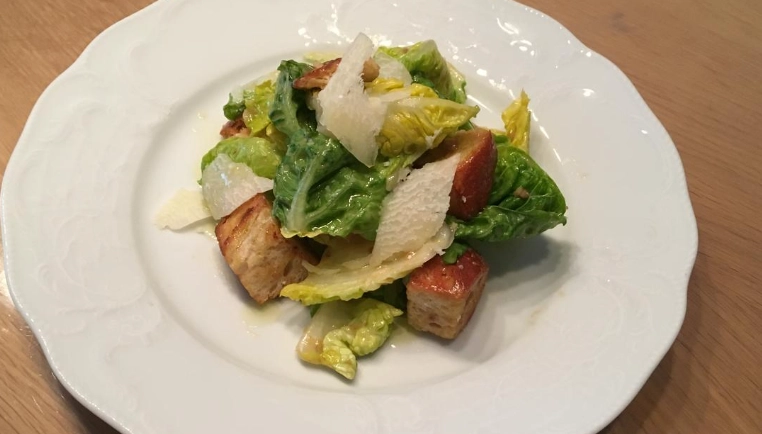
Caesar Salad Calorie Counts: A Real-World Breakdown
Let's translate this into numbers you might actually see. These are estimates based on common restaurant practices and nutritional databases like the USDA FoodData Central. Remember, these are averages—your local diner or favorite chain could be higher or lower.
| Caesar Salad Type | Estimated Calories | Key Factors & Notes |
|---|---|---|
| Side Caesar Salad (No Protein) | 350 - 550 kcal | Smaller portion, but often drowning in dressing. The lower end assumes light dressing. |
| Entrée Caesar Salad (No Protein) | 450 - 800 kcal | Large bowl of romaine, heavy on dressing, cheese, and croutons. Can be a meal by itself. |
| Classic Caesar with Grilled Chicken | 700 - 1,100 kcal | The standard "healthy" lunch order. The range is huge due to dressing and chicken prep. |
| Caesar Salad with Crispy/Fried Chicken | 900 - 1,400+ kcal | This can easily exceed the calorie count of a burger and fries. A major diet trap. |
| Caesar Salad with Shrimp | 600 - 950 kcal | Often a lighter choice, but watch for butter or oil on the shrimp. |
| Homemade, Dressing on the Side | 250 - 400 kcal | You control everything. Light on dressing, measured cheese, whole-wheat croutons. |
| Pre-Packaged Grocery Store Caesar Kit | 300 - 500 kcal per serving | Check the label! The dressing packet and croutons are usually the culprits. Serving sizes are often tiny. |
Shocking, right? That "light" lunch with grilled chicken could be providing more than half the daily calories an average adult needs. It's not just the caesar salad calories; it's the sheer volume when it's presented as an entrée. Portion distortion is real.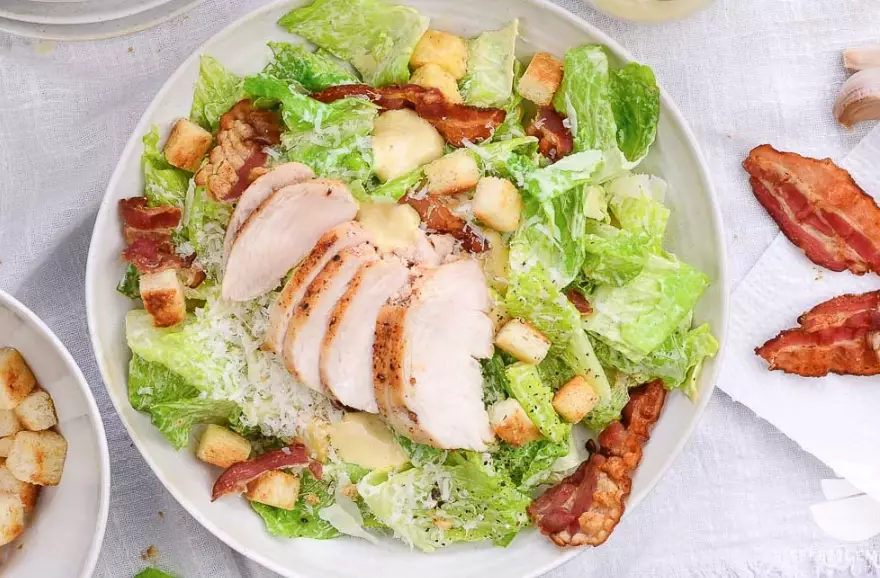
Watch Out for the "Salad as a Side" Trick: You order a steak or pasta and get a "complimentary" Caesar salad first. It feels free, but those 400-500 calories from the salad still count. They add up before your main event even arrives.
How to Actually Build a Lower Calorie Caesar Salad You'll Love
Okay, enough doom and gloom. I love Caesar salad too much to give it up. And you shouldn't have to either. The goal isn't elimination; it's intelligent modification. Here’s how to hack the system, whether you're at a restaurant or in your own kitchen.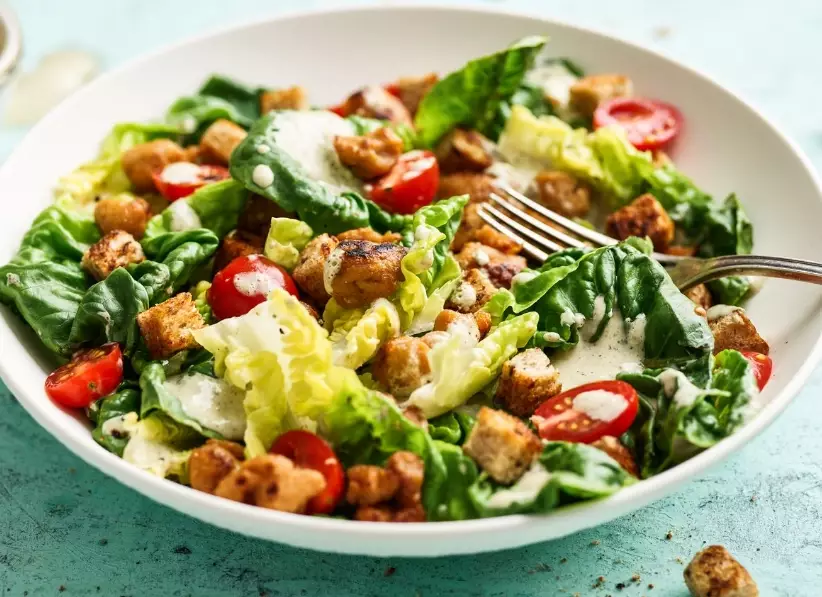
The Restaurant Survival Guide
- Always, Always Get Dressing on the Side. This is the single most effective move. It puts you in control. Dip your fork into the dressing before spearing a bite of lettuce. You'll use a fraction of the amount and still get the flavor with every bite.
- Ask for It "Light" or "Half Dressing." Most kitchens are happy to oblige. Simply saying, "Can I get the dressing very light, please?" sets a clear expectation.
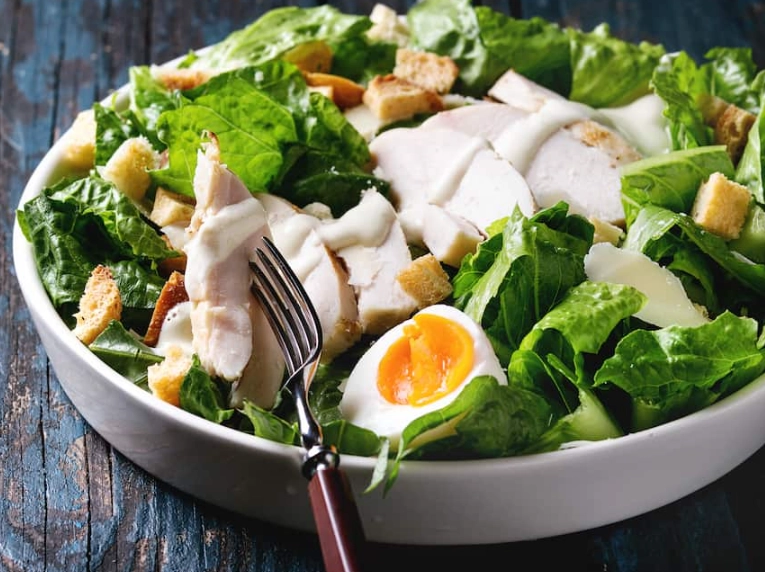
- Choose Your Protein Wisely. Grilled chicken, shrimp, or even a hard-boiled egg are your best bets. Avoid anything "crispy," "blackened" (often code for butter-bathed), or "glazed." Ask if the chicken is grilled with oil.
- Modify the Croutons. Say "light on the croutons" or even "no croutons." You can ask for extra lettuce or veggies instead. The crunch from fresh bell peppers or cucumbers can be a great substitute.
- Don't Be Shy About the Cheese. It's okay to say "easy on the Parmesan." A little goes a long way in flavor.
- Split It. Restaurant portions are enormous. Splitting an entrée Caesar with a friend and adding a cup of soup is a fantastic strategy.
It feels awkward the first time, but trust me, servers hear these requests all day long.
Making a Lighter Caesar Salad at Home (The Ultimate Control)
This is where you can seriously slash the caesar salad kcal count while keeping all the soul. My homemade version is a weekly staple, and it's satisfying without the guilt.
The Lighter Dressing Formula:
- Base Swap: Instead of all oil, use a base of 2-3 tablespoons of plain Greek yogurt or light mayonnaise. This creates instant creaminess with more protein and fewer fats.
- Boost Flavor, Not Fat: Use one high-quality tablespoon of extra virgin olive oil for flavor. Then, lean heavily on the other flavor powerhouses: 2-3 mashed anchovy fillets (don't knock it till you try it—they melt in and give that umami punch), a big clove of grated garlic, the juice of half a lemon, a teaspoon of Dijon mustard, and a hefty sprinkle of Worcestershire sauce.
- The Cheese Integration: Whisk in 2-3 tablespoons of finely grated Parmesan right into the dressing. This distributes the cheesy flavor more evenly, so you need less on top of the salad.
- Thinning Agent: Use a splash of water, more lemon juice, or even a tablespoon of the brine from a jar of capers to get the perfect drizzling consistency without adding oil.
Smart Swaps for the Rest:
- Croutons: Make your own! Cube a slice of whole-grain or sourdough bread. Toss with a tiny bit of olive oil (like one teaspoon), garlic powder, and a pinch of salt. Bake at 400°F until crisp. You control the oil and salt.
- Greens: Use hearty romaine hearts. Consider adding some mass with baby kale or arugula for extra nutrients.
- Protein: A perfectly grilled or air-fried chicken breast, seasoned simply with salt, pepper, and paprika. Or canned tuna in water, flaked.
Answering Your Caesar Salad Calorie Questions
Is a Caesar salad actually healthy?
This is the big one. The answer is nuanced. A traditional Caesar salad provides healthy fats from olive oil, some protein from egg and cheese, vitamins from romaine lettuce, and flavor from garlic and anchovies (which have omega-3s). So, in its original, balanced form, it's a wholesome dish.
The problem is the modern, restaurant-sized distortion. When it becomes a vehicle for a cup of fatty dressing, a mountain of cheese and croutons, and fried chicken, it transforms into a high-calorie, high-sodium, high-fat meal with relatively little vegetable content. The healthiness is drowned in excess.
A low calorie caesar salad you make at home with the modifications above? That can be a very healthy, balanced meal.
Why is a Caesar salad so high in calories?
We've covered this, but to reiterate: the calorie density comes from the fat in the dressing (oil, egg yolk, cheese) and the refined carbohydrates in the croutons. Fat has 9 calories per gram, while carbs and protein have 4. When your dressing is mostly fat, the calories add up incredibly fast in a small volume.
Can I eat Caesar salad while trying to lose weight?
Absolutely, yes. But you must be strategic.
- Make it at home where you control ingredients.
- At a restaurant, use the survival guide above (dressing on side, light croutons, grilled protein).
- Be portion-aware. A side salad portion is often plenty.
- Log it accurately if you're tracking. Don't just select "Caesar salad" from your app's database. Look for entries that specify "with light dressing" or overestimate to be safe. Better yet, use the nutrition info from the restaurant's website if available.
It's about fitting it into your overall calorie budget, not avoiding it completely. Deprivation rarely works long-term.
What has more calories: Caesar salad or a burger?
This is the classic trap. A standard fast-food cheeseburger (like a Quarter Pounder with Cheese) clocks in around 520-550 calories. A large restaurant Caesar salad with crispy chicken can easily hit 1,200+ calories.
Let that sink in. The salad can have over twice the calories of the burger.
Now, a burger with large fries and a soda will surpass the salad. But the point is, the salad is not automatically the lower-calorie choice. It's all about how it's built. A simple side caesar salad kcal count will be lower than a burger, but an entrée salad is often in a different league.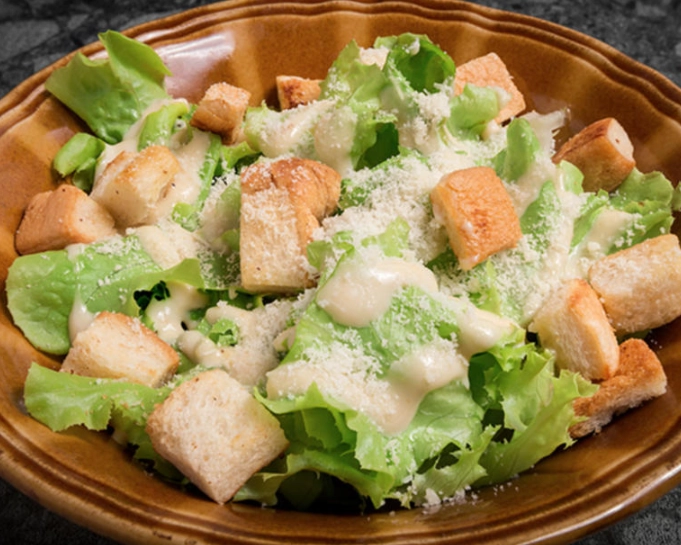
Pro-Tip for Calorie Comparison: Don't compare food categories (salad vs. burger). Compare specific meals from specific places. Always check the nutrition facts if you're truly concerned. Many major chains publish detailed guides online, which are a goldmine for informed decisions. For reliable, general food composition data, the USDA FoodData Central is an authoritative public resource.
The Final Word on Caesar Salad and Calories
So, what's the takeaway on your caesar salad calories quest?
Respect the Caesar. It's not a wimpy diet food. It's a robust, flavorful dish that deserves to be enjoyed for what it is. The key is mindful consumption. Whether you're splurging on the full, creamy, cheesy, crouton-loaded experience at a nice restaurant (which is totally fine once in a while!) or crafting a lighter version for a weekly lunch, the most important thing is to go in with your eyes open.
Stop guessing about the caesar salad kcal count. Now you know where the calories hide. You know the questions to ask. You have the tricks to trim them down without losing the joy of eating it.
I'll still order the occasional decadent Caesar when I'm out for a special meal. But for my everyday life, that homemade yogurt-based version is my go-to. It satisfies the craving, fills me up, and lets me enjoy one of my favorite salads without the side of regret.
And really, that's the goal with any food—enjoyment without anxiety. Knowledge takes the anxiety away. Now you have it.
Reader Comments