Quick Guide
- Getting Started: It All Begins with the Squash
- The Core Process: How to Roast Squash Seeds, Step-by-Step
- Advanced Techniques & Flavor Mastery
- Troubleshooting: Why Didn't My Seeds Get Crispy?
- Beyond the Snack Bowl: How to Use Roasted Squash Seeds
- Frequently Asked Questions (The Stuff You Actually Want to Know)
- Wrapping It Up: Your New Autumn Ritual
You know that moment. You've just finished hacking apart a butternut squash for soup, or you're elbow-deep in pumpkin guts for a pie, and there's this pile of slimy seeds and stringy pulp staring back at you from the cutting board. For years, I just scooped them right into the compost bin. It felt like the right thing to do, but also a little wasteful. Then, one fall afternoon, a friend saw me doing it and practically gasped. "You're throwing away the best part!" she said. I was skeptical. Slimy, wet seeds? The best part? Honestly, it sounded like a lot of work for something that might just end up as bird food.
But let me tell you, I was wrong. So wrong. Learning how to roast squash seeds properly transformed my autumn cooking routine. It's not just about pumpkin seeds from jack-o'-lanterns (though those are great). Acorn squash, spaghetti squash, kabocha, delicata—they all have edible, delicious seeds waiting to be rescued. The process is simple, almost meditative, and the payoff is a bowl of salty, crispy, incredibly satisfying snacks that cost you nothing but a bit of time.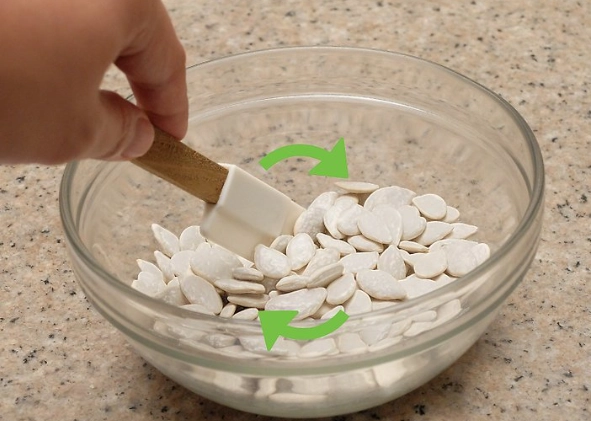
This isn't just another recipe. Think of it as your field guide to turning kitchen scraps into kitchen gold. We're going to walk through every single step, from the messy separation to the final, perfect crunch. I'll share the mistakes I've made (burned batches are a rite of passage, I swear) and the little tricks that make all the difference. Whether you're a zero-waste warrior, a snack enthusiast, or just someone who hates seeing good food go to waste, this is for you.
Getting Started: It All Begins with the Squash
First things first. Not all squash seeds are created equal. The variety of squash you're using changes the game slightly. Big carving pumpkins? Their seeds are large, flat, and perfect for classic roasting. Butternut squash seeds are smaller and more teardrop-shaped. Acorn squash seeds are tiny and round. They all work, but your cleaning technique and roasting time will adjust.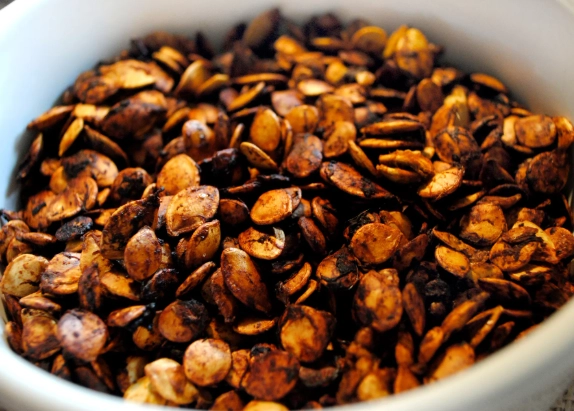
Here’s a quick breakdown of what you can expect from different types. This isn't to say one is better—it's more about setting your expectations. The tiny seeds from a spaghetti squash roast up super fast and get super crunchy, almost like pepitas. The big pumpkin seeds have that classic, substantial chew.
| Squash Variety | Seed Size & Shape | Flavor Profile | Best For |
|---|---|---|---|
| Sugar / Pie Pumpkin | Large, flat, oval | Classic, mild, nutty | The traditional roasted snack |
| Butternut Squash | Medium, teardrop | Sweet, rich, almost buttery | Salads, grain bowls |
| Acorn Squash | Small, round, plump | Mild, slightly sweet | Topping for soups (they pop!) |
| Spaghetti Squash | Small, oval, flat | Delicate, nutty | Quick snacks, garnishes |
| Kabocha Squash | Medium, flat, thick | Rich, earthy, robust | Stand-alone savory snack |
My personal favorite? Butternut squash seeds. They have this rich, almost buttery flavor that's just incredible with a simple sprinkle of sea salt. But you really can't go wrong.
The Core Process: How to Roast Squash Seeds, Step-by-Step
Alright, let's get our hands dirty. This is the core method, the foundation for all the flavor variations we'll talk about later. Follow these steps, and you'll nail it every single time.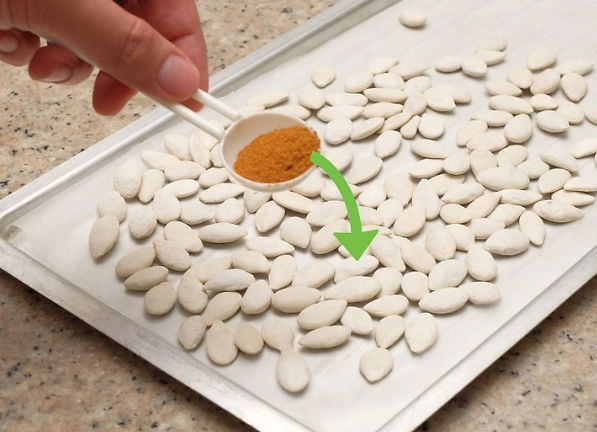
Step 1: Separation and Cleaning (The Messy Part)
This is the part that turns most people off. You've got a bowl of seeds tangled in that stringy, orange pulp. The goal is to get the seeds as clean as possible. Some people say a little pulp left on is fine for flavor. I disagree. It burns easily and can give a bitter taste. You want clean seeds.
Here’s my method, born from frustration and many messy sinks:
- Dump the seed-and-pulp mass into a large bowl of cool water.
- Swirl it around with your hands. The seeds will mostly float, and the heavy pulp will sink.
- Scoop the floating seeds into a colander. Don't pour—you'll just recapture the pulp.
- Back in the colander, run cold water over them and pick out any remaining large strings of pulp. Don't obsess over every tiny fiber; a quick rinse is usually enough.
Step 2: Drying – The Most Crucial, Most Skipped Step
If you take away only one thing from this entire guide, let it be this: dry your seeds thoroughly. This is the secret to how to roast squash seeds that are truly crispy, not steamed or chewy. Wet seeds will steam in the oven, and you'll end up with a sad, leathery texture.
After rinsing, shake the colander well. Then, spread the seeds out in a single layer on a clean kitchen towel or a double layer of paper towels. Roll them up gently in the towel and pat them dry. Let them air-dry for at least 30 minutes, or even an hour if you have time. You can spread them on a baking sheet and leave them on the counter overnight. The drier, the better.
Some folks boil them in salted water first. I've tried it. It can help season them and make the shells a bit easier to chew, but it also adds moisture. If you're going for ultimate crispiness, skip the boil and focus on that towel dry.
Step 3: Seasoning and Flavoring Your Canvas
Now for the fun part. Your clean, dry seeds are a blank canvas. The classic is just olive oil, salt, and maybe a little pepper. But why stop there?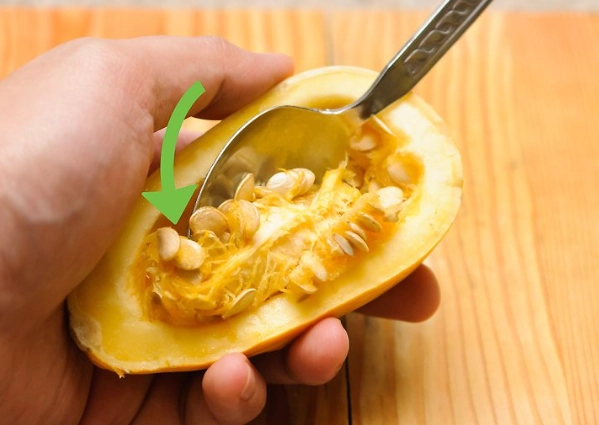
In a medium bowl, toss your dried seeds with just enough oil to coat them lightly. I use about 1 tablespoon of olive oil or avocado oil for every cup of seeds. You want them glistening, not swimming. Then, add your seasonings. Here are some of my go-to combinations:
- The Classic: Fine sea salt and freshly cracked black pepper. Can't beat it.
- Sweet & Smoky: Maple syrup or brown sugar, smoked paprika, a pinch of cayenne, and salt.
- Everything Bagel: A generous sprinkle of everything bagel seasoning. It's a cheat code for deliciousness.
- Spicy Sriracha-Lime: A mix of sriracha, lime zest, and a touch of oil before roasting. Toss with a squeeze of lime juice after.
- Ranch: Dried dill, garlic powder, onion powder, salt, and a touch of buttermilk powder if you have it.
Don't be shy. Get your hands in there and massage the seasoning into every nook and cranny of the seeds.
Step 4: The Roast – Time, Temperature, and Texture
Preheat your oven to 300°F (150°C). Not 350°, not 400°. 300°. This is the second big secret. A lower temperature for a longer time allows the seeds to dry out completely and crisp up all the way through without burning the outside. High heat is the enemy of evenly roasted squash seeds.
Spread the seasoned seeds in a single layer on a parchment-lined baking sheet. Don't crowd them. If they're piled on top of each other, they'll steam. Use two sheets if you have to.
Roast for 20-30 minutes, but here's the thing: you can't just set a timer and walk away. Ovens vary. Seed sizes vary. You need to babysit them a bit, especially in the last 10 minutes.
- At 15 minutes: Give the pan a good shake or stir the seeds with a spatula. This promotes even browning.
- At 20-25 minutes: Start watching closely. You're looking for a light golden brown color. They will also start to make a faint popping or crackling sound. That's a good sign!
- The Doneness Test: Take one out, let it cool for a minute, and taste it. Is it crisp all the way through? Or is the center still a bit soft or chewy? If it's chewy, they need more time. Check every 2-3 minutes.
Step 5: Cooling – The Final Act of Patience
This might be the hardest step. When you take those beautifully golden, fragrant seeds out of the oven, you will want to eat them immediately. Resist.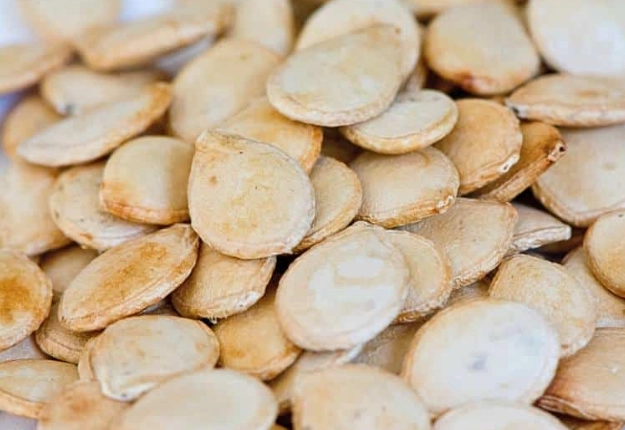
Let them cool completely on the baking sheet. As they cool, they continue to crisp up. Seriously, a seed that seems a tiny bit soft when hot can become perfectly crunchy once cooled. Transferring them to a bowl while hot can trap steam and make them soggy. Just walk away for 20 minutes. Read a book. Do the dishes. Your future snacking self will thank you.
Advanced Techniques & Flavor Mastery
Once you've mastered the basic method of how to roast squash seeds, you can start playing. This is where it gets really fun.
To Shell or Not to Shell?
Most winter squash seeds have edible shells. Pumpkin, butternut, acorn—you eat the whole thing. The shell provides that satisfying crunch and extra fiber. However, some people find the shells of larger pumpkins a bit tough. If you prefer just the inner kernel (like the green pepitas you buy in stores), you can shell them after roasting. It's a fiddly, time-consuming process, but some folks enjoy it as a mindful activity. Crack the cooled seed between your teeth and pop out the inner green kernel. Personally, I eat the shell. More crunch, less work.
Infusing Flavors
Want to get fancy? Infuse your oil first. Warm your olive oil with a sprig of rosemary, a clove of smashed garlic, or some chili flakes for 5-10 minutes on low heat. Let it cool, strain, and use that flavored oil to coat your seeds. It adds a subtle, deep layer of flavor.
Sweet Roasting Variations
For sweet seeds, the technique changes slightly. Toss dried seeds with a beaten egg white (about 1 white per 1.5 cups seeds) until frothy and coated. Then toss with your sweet spices—cinnamon, sugar, a pinch of nutmeg. The egg white helps the seasoning form a crisp, crackly shell. Bake as usual, but watch even more carefully, as sugar can burn faster.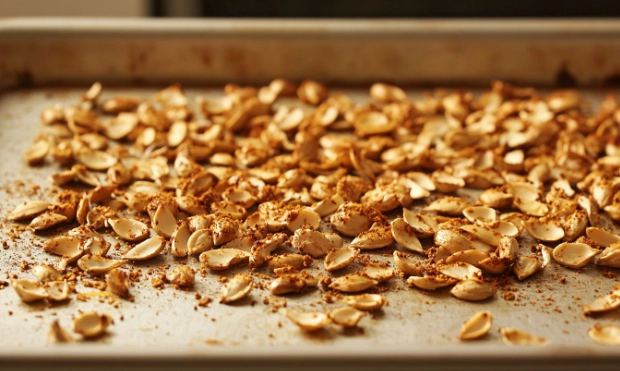
Troubleshooting: Why Didn't My Seeds Get Crispy?
It happens to everyone. You pull them out, let them cool, and... they're chewy. Or worse, they're burnt on the outside but soft inside. Let's diagnose.
- Chewy Seeds: This is almost always a moisture issue. They weren't dry enough before roasting, or they were crowded on the pan and steamed. Solution: Next time, dry more thoroughly and spread them out. For this batch, you can try putting them back in a 250°F oven for another 10-15 minutes to drive off moisture, but watch like a hawk.
- Burnt Outside, Raw Inside: Your oven temperature was too high. The outside cooked and burned before the interior moisture could evaporate. Always roast low and slow at 300°F.
- Uneven Browning: You didn't stir or shake the pan during roasting. Simple fix for next time.
- Soggy After Storage: They weren't 100% cool before you put the lid on the container, or the container isn't truly airtight. Always cool completely on the counter first.
Beyond the Snack Bowl: How to Use Roasted Squash Seeds
Sure, eating them by the handful is a top-tier activity. But these little flavor bombs are incredibly versatile in the kitchen.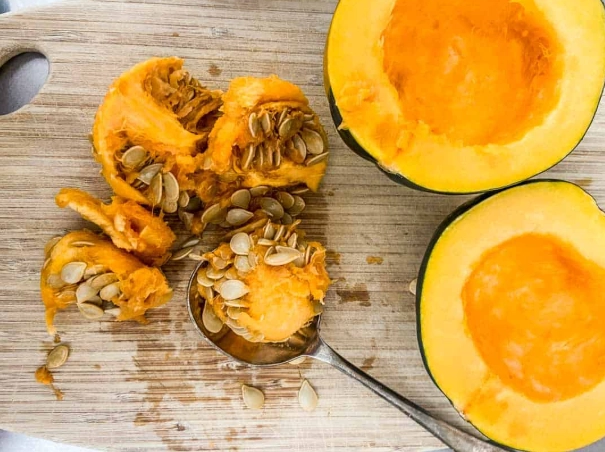
Think of them as a crunchy, nutritious garnish. I sprinkle them on:
- Autumn Salads: A kale salad with apples, blue cheese, and roasted butternut squash seeds is a masterpiece.
- Creamy Soups: They add the perfect textural contrast to a silky butternut squash or pumpkin soup.
- Oatmeal or Yogurt: A tablespoon on your morning bowl adds protein, crunch, and flavor.
- Trail Mix: Mix them with dried fruit, nuts, and a few dark chocolate chips.
- Pasta: Toss them with pesto pasta or a simple aglio e olio for a nutty bite.
- Baking: Fold them into muffin, quick bread, or granola bar batter.
They're not just a snack; they're a culinary tool for adding texture and a nutty depth to almost anything.
Frequently Asked Questions (The Stuff You Actually Want to Know)
Let's tackle some of the common questions that pop up when people are figuring out how to roast squash seeds.
Wrapping It Up: Your New Autumn Ritual
So there you have it. The complete, no-stone-unturned guide on how to roast squash seeds. It's more than a recipe; it's a shift in perspective. Those seeds aren't garbage. They're a bonus, a little gift from the squash.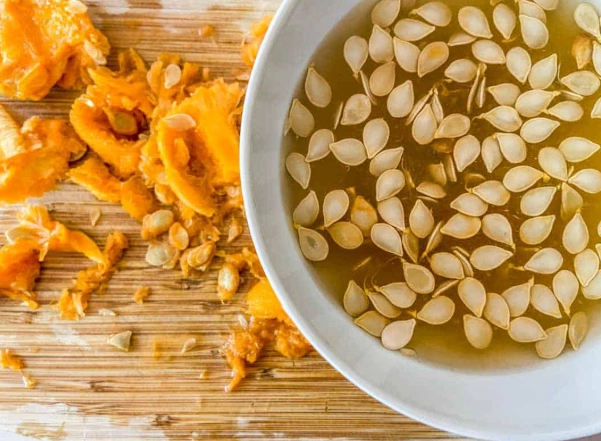
Is it a bit of work? Sure, it's an extra 10 minutes of cleaning and an hour of waiting. But the process itself is simple, almost therapeutic. And the result—a big jar of homemade, crispy, perfectly seasoned snacks that you made from something you were about to throw away—is incredibly satisfying.
Next time you cut into a squash, save those seeds. Give this method a shot. Start with the classic salt and pepper. Then get creative. Before you know it, you'll be looking forward to the seeds as much as the squash itself. Trust me on this one. It's a game-changer.
Now, if you'll excuse me, I have a bowl of acorn squash seeds cooling on the counter, and my patience is officially gone. Time for a taste test.
Reader Comments