Quick Guide
You've nurtured those vines all summer, watched the little fruits swell, and now you're staring at them, knife in hand, thinking... is it time? I've been there. There's nothing more disappointing than cutting into a butternut squash only to find it's still pale and watery inside because you jumped the gun. But wait too long, and a surprise frost can turn your hard work into mush. Getting the harvest right is everything.
This isn't just about a date on the calendar. It's about reading the plant's story. Knowing exactly when to harvest butternut squash is the difference between a squash that stores for months with sweet, dense flesh and one that rots on your counter in two weeks. Let's break it down so you can harvest with confidence.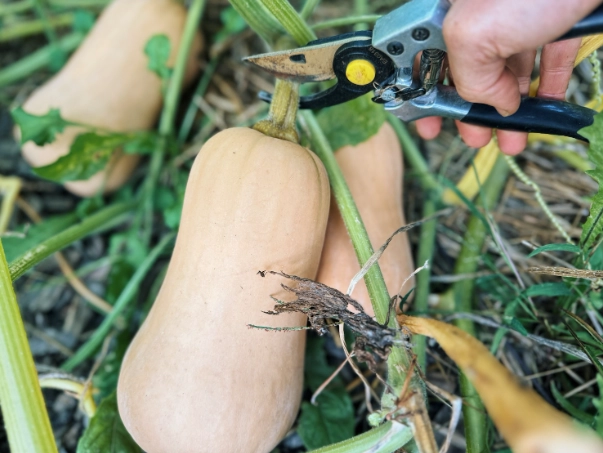
The Top Signs Your Butternut Squash is Ready to Pick
Forget guessing. Your squash is talking to you, giving you clear signals. You need to check a combination of these, not just one. Here’s what you're looking for.
Color is Key (But It's Not Just About Being Tan)
A ripe butternut squash loses all traces of green or streaks. It develops a uniform, deep tan or beige skin. Some heirloom varieties might have a slight peach hue, but the key is consistency. If you see any shiny green patches, especially near the stem, it's not ready. That green needs to fade completely into a matte, earthy color.
I made the mistake one year with a squash that looked perfect on top. When I went to lift it, the underside was still pale and slightly greenish from being shaded by leaves. I learned to always give them a gentle roll a few weeks before my expected harvest time to let the sun hit all sides.
The Stem and Vine Tell the Truth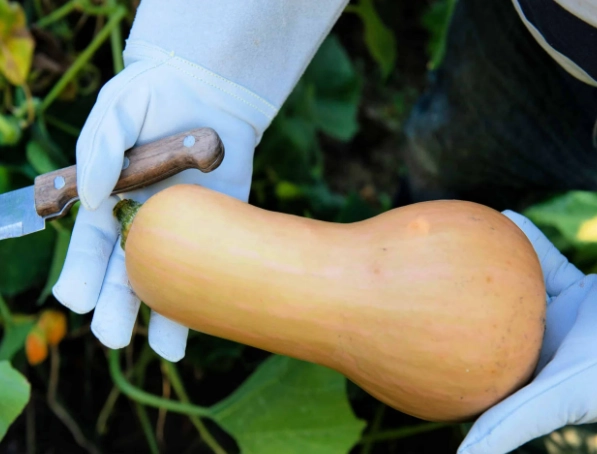
This is a huge clue that many beginners miss. Look at the stem (the part connecting the squash to the vine). On an immature squash, it's green and flexible. When the squash is mature, that stem turns hard, corky, and brown. It starts to look woody and dry.
Also, look at the vine itself. As the plant finishes its life cycle, the vine leading to the squash will often start to wither, turn brown, and dry up. This is the plant's way of saying it's done sending energy to that fruit. If the vine is still lush, green, and growing, the squash is probably still developing.
The Famous "Fingernail Test"
This is the ultimate test for hardness. Try to pierce the skin with your fingernail. Not on the colored part, but on the tough rind. If your nail easily punctures or leaves a mark, the rind isn't hard enough. The squash needs more time. A ripe butternut squash will have a rind so hard your nail will slide right off without making a dent. It should feel like a hard-shell suitcase, not a pumpkin you can dent.
This hardness is non-negotiable for storage. A soft rind means the squash hasn't developed its protective barrier and will lose moisture quickly and rot.
That Dull, Matte Finish
An immature squash often has a slight sheen or gloss to its skin. A fully mature butternut squash when it's ready to harvest loses that shine and takes on a completely matte, almost dusty-looking finish. It just looks... done.
Timing and Technique: How and When to Actually Harvest
So you've checked the signs and you're ready. Now, how do you do it right? The actual act of harvesting is simple, but a few mistakes here can ruin all your patience.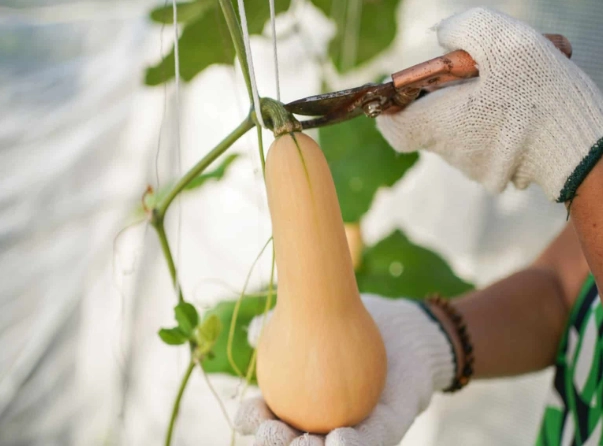
The Best Time of Year (and Day)
In most temperate climates, butternut squash harvest time falls from late September through October. It's heavily dependent on your first frost date. Your goal is to harvest after the squash is fully mature but before a hard frost (temps below 28°F / -2°C). A light frost that just nips the vine leaves might actually help by signaling the plant to wrap things up, but you don't want the fruit itself to freeze.
Choose a dry, sunny day to harvest. Harvesting when the squash is wet from rain or dew invites rot during the curing process. Let the morning dew burn off and get to work.
How to Cut It From the Vine (Don't Tear!)
Use a sharp pair of pruning shears or a sturdy knife. Do not twist or pull the squash off the vine. You need to leave a stem. Cut the stem, leaving about 2 to 4 inches attached to the squash. This "handle" is crucial. If you break the stem off flush with the squash, you create an open wound that is a direct entry point for rot organisms. That long, dry stem acts like a natural seal.
Handle them gently. They're tough, but dropping or bruising them can create soft spots that will spoil in storage. I carry them out of the garden in a basket or a wheelbarrow lined with an old towel.
What to Do Right After You Pick: Curing is NOT Optional
This is the step most people skip, and it's why their squash goes bad. Harvesting isn't the finish line; curing is. Curing is the process of hardening the skin further and healing any minor scrapes. It also converts some of the starches to sugars, improving sweetness.
Here’s how to cure your butternut squash properly:
- Clean Gently: Wipe off any obvious dirt with a dry cloth. Do NOT wash them with water. You want the skin dry.
- Find the Right Spot: You need a warm, dry, well-ventilated area. Ideal temperature is 80-85°F (27-29°C). A sunny porch, a greenhouse, a warm garage, or even a table in a sunny room works. The key is air circulation.
- Arrange Properly: Lay the squash in a single layer, not touching each other. Make sure the stems are dry. Let them sit like this for about 10 to 14 days. The skin will become even harder and more impermeable.
If you don't have a warm spot, a longer cure at room temperature (around 70°F/21°C) for 3-4 weeks will also work. The University of Minnesota Extension has a great resource on growing and curing winter squash that confirms this process.
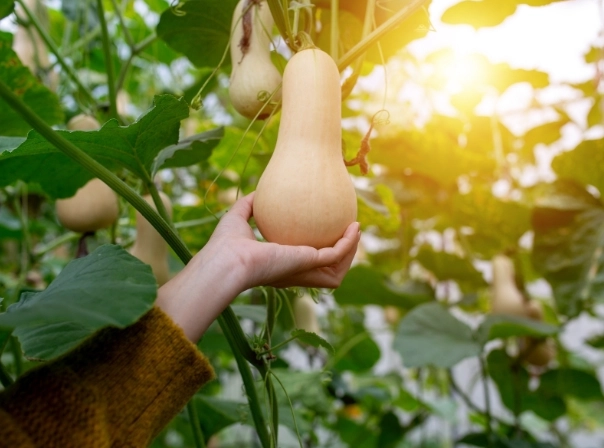 Patience here pays off in spades with storage life.
Storing Your Harvest for Months of Good Eating
After curing, your squash is ready for long-term storage. The goal is to slow down their respiration in a cool, dry, dark place.
| Storage Method | Ideal Conditions | Expected Shelf Life | Notes & Tips |
|---|---|---|---|
| Whole, Cured Squash | Cool (50-55°F / 10-13°C), Dry, Dark. Good air circulation. | 3 to 6 months | This is the gold standard. A basement, root cellar, or unheated spare room is perfect. Check monthly for soft spots. |
| Room Temperature | A dark corner of a cool room (60-70°F / 15-21°C). | 1 to 3 months | Not as long as cooler storage, but works well. Keep away from heat sources like stoves or radiators. |
| Cut & Refrigerated | Wrapped tightly in plastic wrap, in the fridge crisper. | 5 to 7 days | Once cut, use it quickly. The exposed flesh will dry out and deteriorate. |
| Cooked & Frozen | Pureed or cubed, in airtight freezer bags/containers. | 10 to 12 months | Great for ready-to-use soup or mash. Blanch cubes before freezing for best texture. |
Never store cured squash in a humid environment (like some modern refrigerators, which are humid) or in plastic bags. They need to breathe. A mesh bag or a slatted wooden shelf is ideal.
Common Questions About Butternut Squash Harvest Time
I get asked these all the time. Let's clear up the confusion.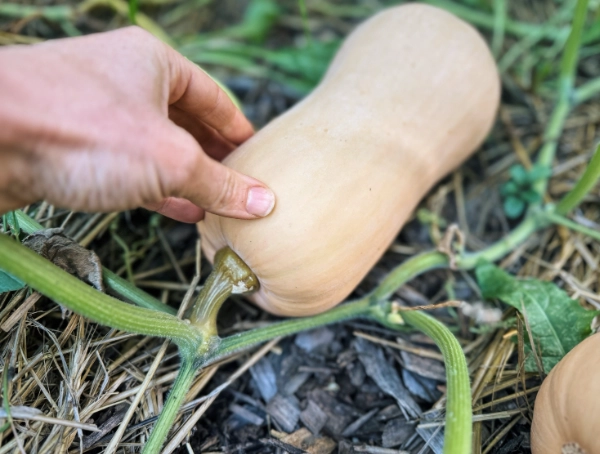
Can you harvest butternut squash too early?
Absolutely, and it's the most common mistake. An early-harvested squash will have pale, watery, less sweet flesh and a skin that hasn't hardened. It will shrivel and rot quickly. It might ripen a bit off the vine in warmth, but it will never develop the full sweetness or storage potential of a vine-ripened squash. When in doubt, wait a week.
What if the vine dies before the squash looks ripe?
This happens, sometimes due to disease (like vine borers) or drought. If the vine dies but the squash is full-sized and has started to color, bring it inside to cure in a warm spot. It may still ripen adequately, though storage life might be shortened. The fingernail test is your best guide here—if the skin is hardening, it was close.
My squash is huge! Does that mean it's ready?
Not necessarily. Size can be deceiving. A squash fed heavily with nitrogen can get big fast but remain immature inside. Always go back to the primary signs: hard rind, brown corky stem, and deep, uniform color. I've had smaller squash from a crowded plant that were perfectly ripe and stored for ages.
What about harvesting butternut squash after frost?
A light frost that just kills the leaves is usually okay if you harvest the squash immediately after. However, a hard freeze (where temperatures stay below 28°F) is a problem. If the squash itself freezes and thaws, the cell walls rupture, leading to rapid rot. If you suspect a hard freeze is coming, harvest any mature or near-mature squash the day before. If they do get frozen, use them immediately; they will not store.
It feels like a bit of a dance with nature, doesn't it? Watching the weather, checking the stems, doing the thumbnail test. But that's part of the joy of gardening. There's a real satisfaction in pulling a perfectly cured, rock-hard butternut squash from your storage shelf in January, knowing you timed its harvest just right. It tastes all the sweeter for it.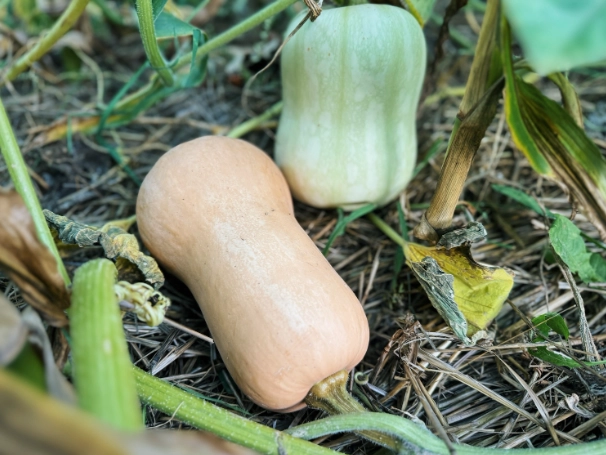
Go out and check your squash. Give one a tap—it should sound solid. Try the fingernail test. Look at that stem. You've got this.
Reader Comments