You've found a pawpaw patch. The trees are heavy with those lumpy, green fruits. The big question hangs in the late summer air: when are pawpaws ripe? Picking too early means a bland, starchy disappointment. Wait too long, and the raccoons, possums, and gravity get them first. Getting the timing right is the difference between tasting tropical custard and chewing on bitter paste. After years of hunting and growing these native treasures, I've learned it's less about a single date and more about reading a subtle language of signs.
The short answer: For most of the pawpaw's range, ripe season falls between late August and mid-October, with a peak often in September. But that's just the opening chapter.
What You'll Find in This Guide
Pawpaw Season by Region: A Rough Timeline
Pawpaws ripen from south to north. A heatwave can push things earlier; a cool summer can delay them. Think of this table as a planning guide, not a promise.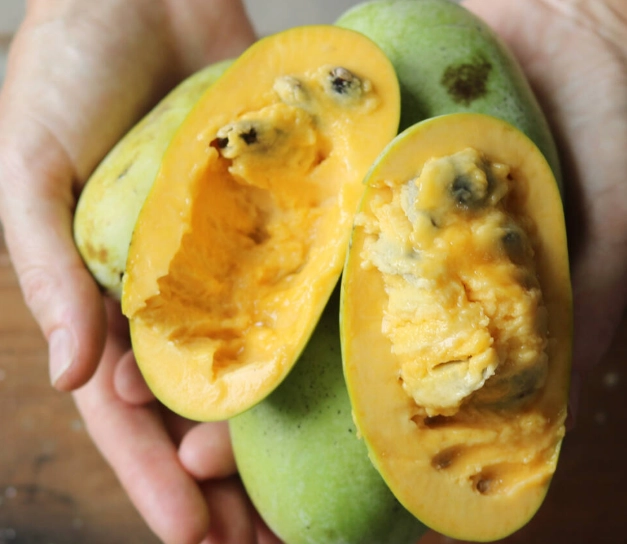
| Region (U.S.) | Typical Ripening Window | Notes & Microclimate Factors |
|---|---|---|
| Deep South (e.g., Georgia, Alabama, N. Florida) | Early August – Early September | First to ripen. Fruits on sun-drenched slopes may be ready weeks before those in deep, shaded creek bottoms. |
| Mid-Atlantic & Lower Midwest (e.g., Virginia, Kentucky, Tennessee, Missouri) | Late August – Late September | The heart of pawpaw country. This is peak foraging territory. State parks and riverbanks are prime spots. |
| Upper Midwest & Northeast (e.g., Michigan, Ohio, Pennsylvania, New York) | Mid September – Mid October | A shorter, later season. A hard early frost can damage fruit. Prioritize checking south-facing patches. |
I once drove from Ohio to Tennessee in early September. The Ohio fruits were still hard and green, while the Tennessee ones were already softening on the tree. That 500-mile drive showed me the gradient more clearly than any map.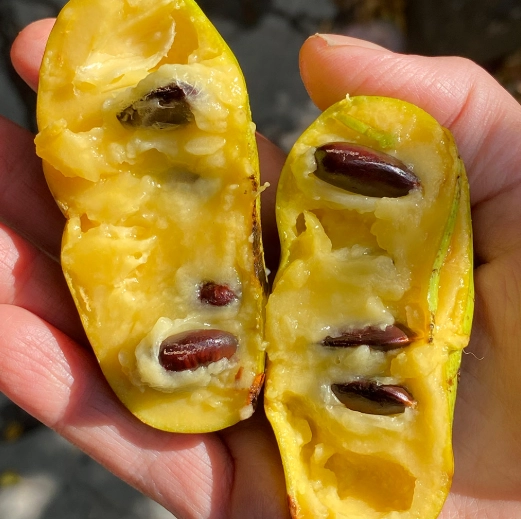
The Three Foolproof Signs a Pawpaw Is Ripe
Forget just looking at color. You need a multi-sense check. Here’s the triad I use every time.
1. The Color Shift (Sight)
The skin changes from a vibrant, hard green to a duller, yellowish-green. Sometimes it's subtle—more of a loss of brightness than a dramatic color change. Dark blotches or patches of yellow-brown are common on ripe fruit. Don't mistake these for rot; they're often just the skin thinning as the fruit sugars up. The key is the overall greenness losing its intensity.
2. The Feel (Touch)
This is critical. Gently squeeze the fruit. A ripe pawpaw will give slightly under pressure, like a perfectly ripe avocado or a soft peach. It should not be mushy. If it feels hard as a baseball, it's not ready. If your finger sinks in and leaves a dent, it's overripe (but still usable for pulp).
3. The Scent (Smell)
Bring the fruit close to your nose. A ripe pawpaw emits a strong, sweet, tropical fragrance—notes of mango, banana, and melon. If you can't smell anything, it's not ready. The aroma is a dead giveaway. I've confirmed ripeness with my eyes closed using smell alone.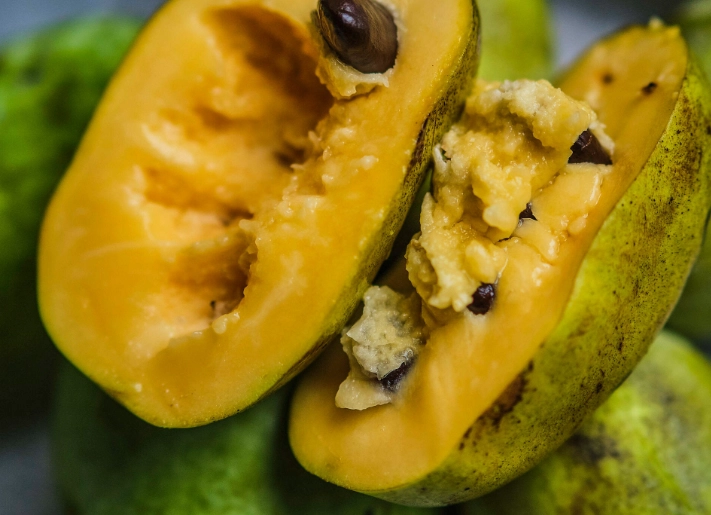
Pro Tip: The "shake test" is a lesser-known trick. Gently cradle the fruit and give it a soft shake. If you hear the seeds rattling loosely inside, it's a good sign the inner pulp has pulled away from the seeds and softened, indicating advanced ripeness.
How to Harvest Pawpaws Without Damaging Them
Harvesting is a gentle art. Pawpaws bruise incredibly easily.
- Method: Don't pull. Gently grasp the fruit and give it a slight twist. A ripe pawpaw should detach cleanly with minimal effort. If it resists, it's not ready. For higher fruit, use a pole picker with a soft basket to cushion the fall.
- Timing: Harvest in the cool of the morning. Carry a basket or shallow container—never a bag where they can crush each other.
- Common Mistake: People see a fallen fruit and think it's ripe. Often, it was knocked off by an animal or wind. Check fallen fruit with the three-sign test; it might be perfect, or it might be underripe or bug-damaged.
Post-Harvest: Ripening, Storing & Salvaging Underripe Fruit
Most pawpaws are harvested when "full-size" but still firm, then ripened off the tree. This protects them from pests and bruising.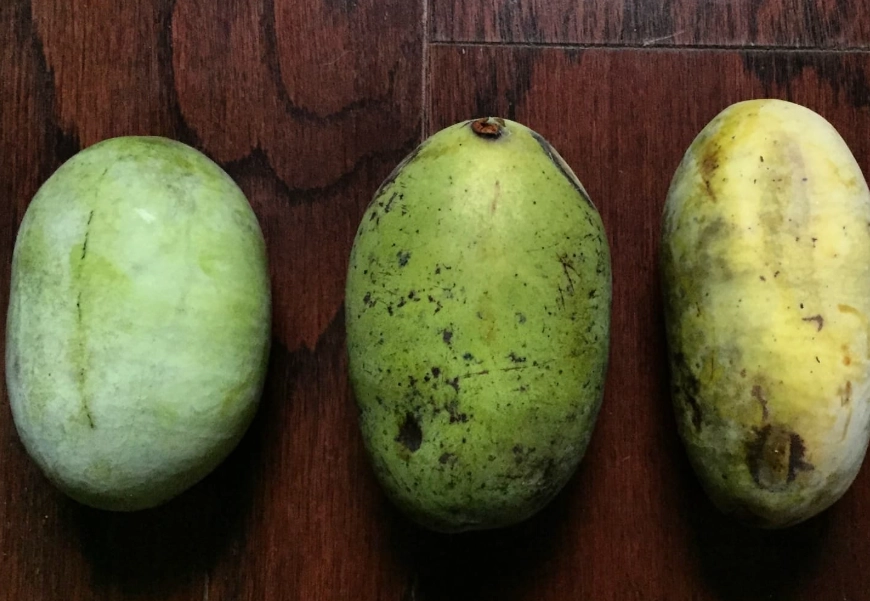
- Ripening: Place firm, harvested pawpaws in a single layer at room temperature out of direct sun. Check daily. They can ripen in 2-5 days. To speed it up, place them in a paper bag with a banana (the ethylene gas helps).
- Storing Ripe Fruit: Once perfectly ripe, eat immediately or refrigerate for 2-3 days. The skin will blacken in the fridge, but the pulp inside is usually fine.
- Long-Term Storage: The only practical way is freezing the pulp. Scoop it from the skin, discard seeds, and freeze in airtight containers. It keeps for over a year.
- Salvage Operation: Picked one too early? Don't toss it. Let it ripen as above. It may not reach peak flavor complexity, but it will soften and can be used in baked goods or smoothies where sugar and other ingredients can compensate.
What to Do With Your Ripe Pawpaw Bounty
A ripe pawpaw is a fleeting gift. Have a plan.
My first priority is always eating a few fresh, straight from the spoon. The flavor is incomparable.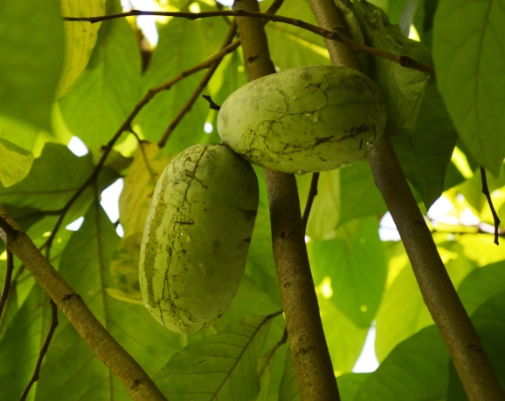
Next, I make pulp. It's simple: cut the fruit in half, scoop out the seeds with a spoon, then scrape the custardy pulp away from the skin. Run it through a food mill or sieve to get rid of any stringy bits. This puree is your gold.
Here’s what that pulp becomes:
- Pawpaw Ice Cream: The classic. The creamy texture is a natural fit.
- Smoothies: A tablespoon or two adds a tropical twist.
- Quick Breads & Muffins: Substitute for banana in any recipe.
- My Favorite: Pawpaw curd. Like lemon curd, but with this incredible floral, tropical depth. It’s stunning on toast or as a cake filling.
A word of caution: The seeds and skin contain mild toxins. Don't eat them. Compost them. Also, some people have a slight skin irritation from handling the fruit—washing your hands after processing is a good idea.
Your Pawpaw Ripening Questions Answered
Figuring out when pawpaws are ripe is a skill honed by observation, not just a date on a calendar. Start checking your local patches in late summer. Use your eyes, hands, and nose. Harvest gently, ripen patiently, and process promptly. The reward—that first spoonful of rich, tropical custard that grew in a temperate forest—is worth every bit of the wait and the learning.
Now, go find some fruit. That September sunshine isn't going to last forever.
Reader Comments