June hits a sweet spot in the growing season. The frantic spring planting is done, and the heavy heat of late summer hasn't baked everything yet. What you get is a market basket brimming with produce that's all about crispness, sweetness, and vibrant color. This isn't just about a list of what's in season—it's about how to make the most of it before the moment passes. I've spent over a decade working with chefs and home gardeners, and the biggest mistake I see is people treating a June strawberry the same as a February strawberry. They're not even the same food.
In This Article You'll Find:
The Stars of the June Market
Walk into any good farmers market in June, and you'll be greeted by a specific set of flavors. This is the month where tender, quick-growing vegetables and early fruits shine. Forget the bland, shipped-from-across-the-country stuff. Here's what to hunt for:
Berries Take Center Stage. Strawberries are still going strong, especially in cooler climates. But now, look for the first local raspberries and blueberries. They'll be expensive at first, and that's okay. A pint of locally picked, sun-warmed raspberries is a luxury worth the splurge. Cherries make their grand entrance, too. The early varieties like Chelans are deep red and firm, perfect for eating out of hand.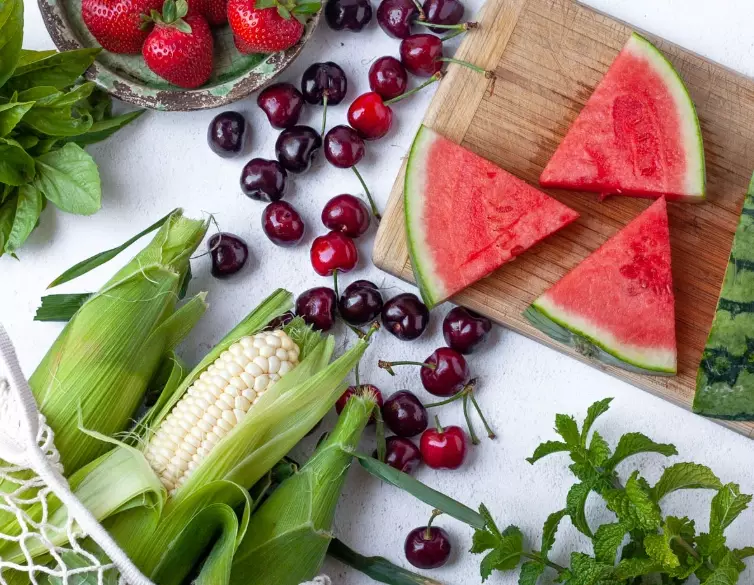
The Green Brigade. This is peak season for anything tender and green. Peas (snow peas, snap peas, and shelling peas) are at their absolute sweetest. Asparagus might be finishing up, but you can still find good, thick stalks. Lettuces and spinach are abundant but becoming more heat-sensitive. Radishes are crisp and peppery, and you'll start seeing the first baby zucchini and summer squash.
Aromatic Alliums. Don't overlook the humble green garlic and spring onions. They look like overgrown scallions but have a milder, more complex flavor than their dried bulb counterparts. They're a secret weapon for soups, sautés, and grilled dishes.
How to Select and Store June's Top Produce
Buying it is only half the battle. How you choose and bring it home determines whether you get a glorious meal or compost fodder. Here’s a breakdown for the month’s highlights.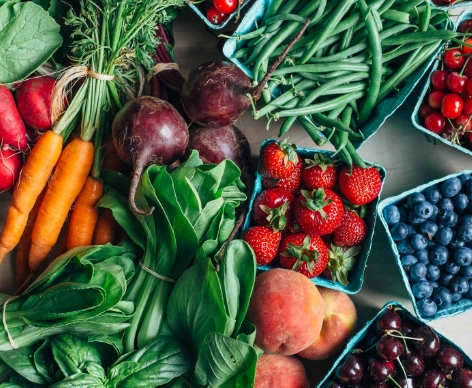
| Produce | How to Select the Best | Proper Storage Method | Best Used For |
|---|---|---|---|
| Strawberries | Deep red color, no white tops. Intense sweet smell. Caps fresh and green. | Don't wash! Store in a single layer on a paper towel in the fridge, uncovered, for 1-2 days max. | Eating fresh, macerating with sugar, quick jam. |
| Snap Peas | Bright green, firm, and snap cleanly when bent. Avoid bulging peas inside. | In a breathable bag (like mesh) with a dry paper towel in the crisper. Eat within 3 days. | Raw in salads, quick stir-fries, snacking. |
| Cherries | Plump, shiny, with flexible green stems. Firm flesh, not soft or wrinkled. | Remove any damaged ones. Store dry in a covered container in the fridge. | Fresh eating, clafoutis, savory sauces. |
| Zucchini (baby) | Small (4-6 inches), firm with glossy, unblemished skin. Flowers attached are a bonus. | Loose in the crisper drawer. Do not seal in plastic—they sweat and rot. | Grilling whole, shaving raw into ribbons, stuffing. |
| Leafy Greens | Crisp, perky leaves. No sliminess or yellowing at the base of the bunch. | Wash, spin dry thoroughly, wrap in a dry towel, and place in a sealed container. | Salads, wilting into pasta, green smoothies. |
See the pattern? June produce is mostly high-moisture, delicate stuff. The enemy is trapped moisture and warm temperatures. Your fridge's crisper drawer is your best friend, but only if you use it right. That lettuce tip—washing and drying before storage—sounds like extra work, but it triples the life of your greens. You're more likely to use them when they're ready to go.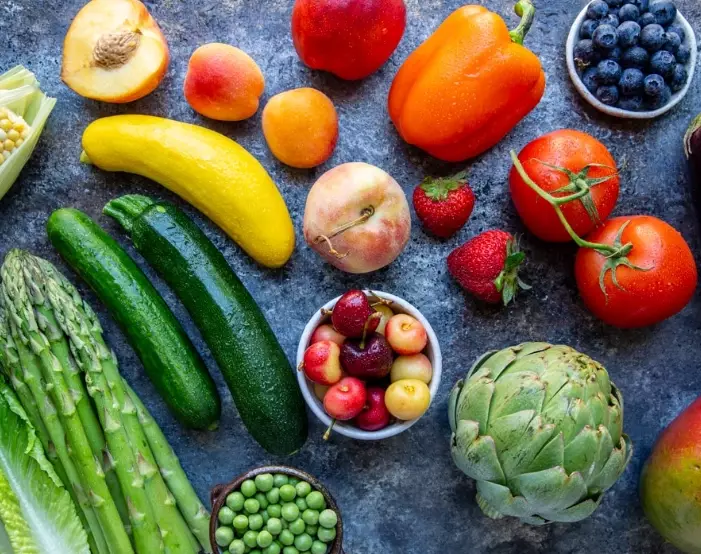
A Quick Note on Asparagus
Everyone says to look for tight tips. That's true, but it's not enough. The real test is the stalk's flexibility. A fresh stalk should snap cleanly about two-thirds of the way down. If it just bends, it's old and will be fibrous. Don't be shy—snap one at the market if the farmer allows it.
Three Simple Recipes to Showcase June Flavors
You don't need complicated recipes. The goal is to get out of the way. Here are three ideas that work with whatever you find.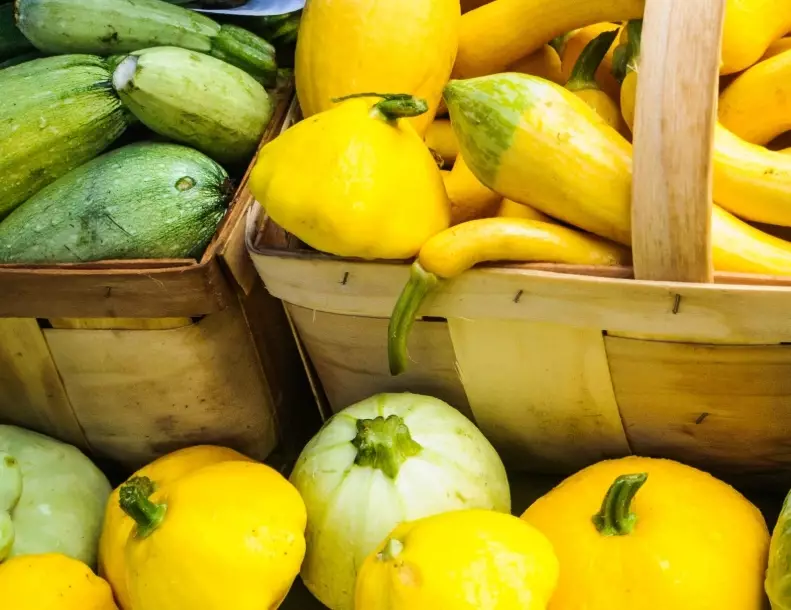
1. The Everything-Goes Frittata. This is my weekly clean-out-the-fridge meal. Sauté any combination of chopped spring onion, snap peas, asparagus, and spinach. Pour over beaten eggs with a little cheese. Cook on the stove-top until set on the bottom, then finish under the broiler. Throw in some chopped herbs from the garden. It's done in 15 minutes.
2. Strawberry-Balsamic Pan Sauce. This will change how you think about strawberries. While your chicken or pork chops rest, add a handful of halved strawberries to the same pan with a splash of balsamic vinegar. Scrape up the browned bits, let the berries break down into a jammy sauce, season with salt and pepper. Spoon it over the meat. It's tangy, sweet, and deeply savory.
3. Raw Zucchini & Pea Salad. Use a vegetable peeler to make long ribbons of baby zucchini. Toss with raw snap peas (sliced on a diagonal), lots of mint, crumbled feta, lemon zest, and a simple lemon-olive oil dressing. The texture is incredible—crisp, cool, and refreshing. It makes a perfect side for grilled fish.
The common thread? Minimal cooking. High heat can destroy the delicate sugars and textures you paid for. Often, raw or barely warmed is the way to go.
Answering Your June Produce Questions
June's bounty is fleeting. It asks for your attention right now. Skip the mealy tomatoes and hard peaches that aren't ready yet. Focus on what the earth is giving you this month. Go to the market, use your senses, and don't be afraid to ask the grower, "What's best today?" Then, treat those ingredients with the simple respect they deserve. That's how you eat with the season.
Reader Comments