You order a Caesar salad thinking it's the healthy choice. It's green, right? Then you finish the bowl and feel oddly heavy, maybe a bit thirsty. That's the classic Caesar salad paradox—a dish that wears a healthy disguise but can pack a nutritional punch you didn't see coming. Let's cut through the creamy dressing and crunchy facade. The nutritional information for a Caesar salad isn't just about calories; it's a story of hidden sodium, fat sources, and how a few smart swaps can transform it from a guilty pleasure into a genuinely nourishing meal.
What's Inside This Guide
What Makes a Classic Caesar Salad?
First, let's define our subject. A traditional Caesar salad isn't just lettuce and dressing. It's a specific assembly:
- Romaine Lettuce: The base. Low in calories, high in vitamin K and folate.
- Caesar Dressing: The heart of the matter. The authentic version is an emulsion of olive oil, raw egg yolk, lemon juice, Worcestershire sauce, Dijon mustard, garlic, and mashed anchovies.
- Croutons: Typically white bread cubes toasted with oil and garlic.
- Parmesan Cheese: Freshly grated Parmigiano-Reggiano, not the pre-shredded stuff (which has anti-caking agents).
Many modern, especially American, versions take shortcuts. They use mayonnaise as the dressing base (easier, more stable, but often with lower-quality oils), skip the anchovies, and use pre-packaged, seasoned croutons. This shift changes the nutritional profile significantly.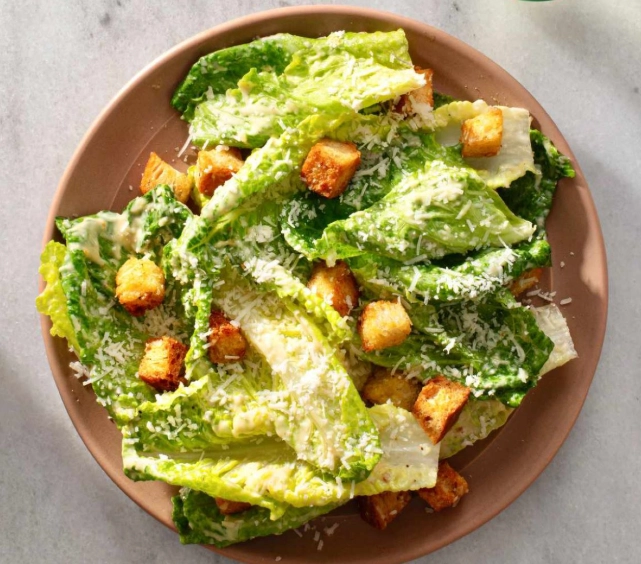
The Numbers: Calories, Fat, Carbs & Protein
Let's talk specifics. I'm pulling these estimates from the USDA National Nutrient Database and common recipe analysis, because a "standard" serving is a myth. A side salad? A main course from Cheesecake Factory? Worlds apart.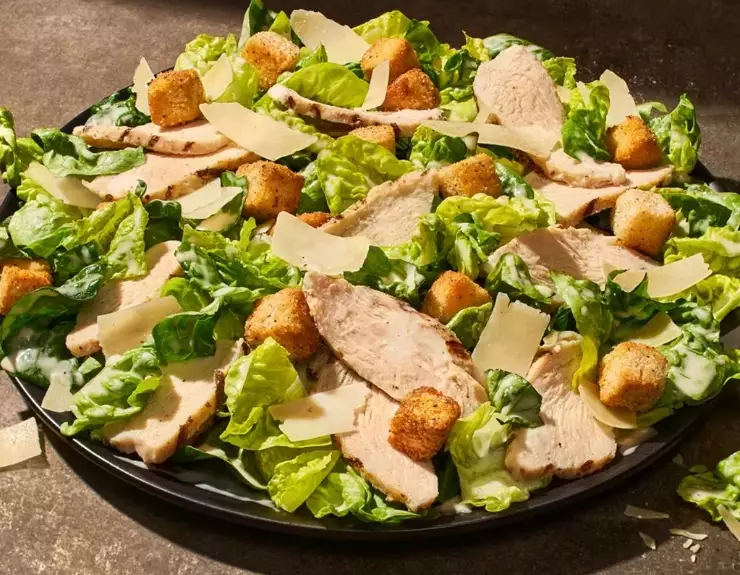
Here’s a realistic breakdown for a main-course sized Caesar salad, about the size you'd get at a casual dining restaurant or make for a full lunch:
| Component | Calories | Total Fat | Saturated Fat | Carbs | Protein | Sodium |
|---|---|---|---|---|---|---|
| Romaine Lettuce (3 cups) | ~24 | 0.3g | 0g | 4.8g | 1.7g | ~20mg |
| Classic Dressing (1/3 cup) | ~320 | 35g | 5g | 2g | 1g | ~500mg |
| Croutons (1 cup) | ~180 | 6g | 1g | 28g | 4g | ~350mg |
| Parmesan Cheese (1/4 cup) | ~110 | 7g | 4.5g | 1g | 10g | ~350mg |
| TOTAL (Base Salad) | ~634 | ~48g | ~10.5g | ~36g | ~17g | ~1220mg |
| + Grilled Chicken (6 oz) | + ~280 | + 6g | + 1.5g | + 0g | + 52g | + ~150mg* |
| TOTAL (With Chicken) | ~914 | ~54g | ~12g | ~36g | ~69g | ~1370mg |
*Sodium can skyrocket if the chicken is pre-marinated or seasoned.
See the story? The lettuce is barely a footnote. The dressing and croutons are the caloric and fat heavyweights. The protein, unless you add a substantial amount of chicken or shrimp, is modest. That fat isn't all bad—the olive oil in a good dressing provides monounsaturated fats. But 48 grams is a lot for one meal, approaching the daily limit for some people.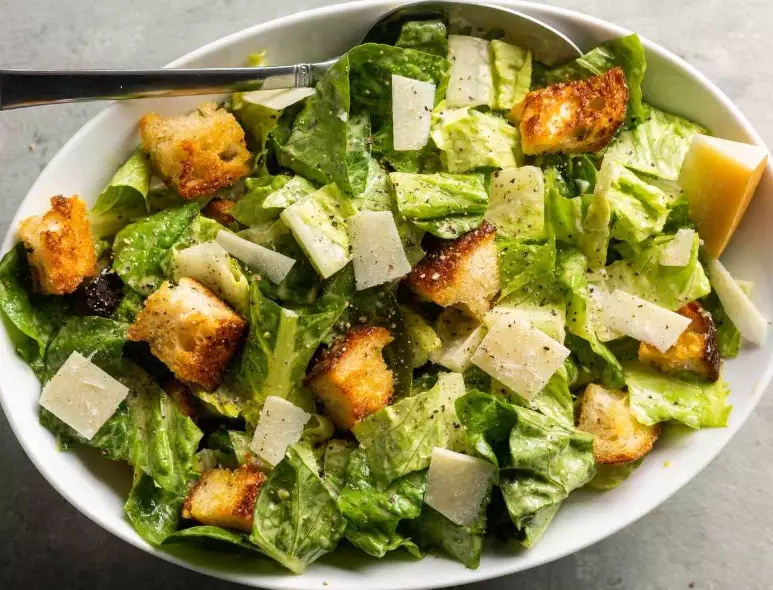
The Biggest Nutritional Surprise in Caesar Salad
It's not the fat. It's the sodium.
Even before you add chicken, our base salad example nears 1220mg of sodium. The American Heart Association recommends no more than 2,300mg a day, with an ideal limit of 1,500mg for most adults. One salad can hit 50-80% of your daily limit.
Where's it all hiding?
- Anchovies & Worcestershire Sauce: The soul of the flavor, also packed with salt.
- Parmesan Cheese: Aged cheeses are naturally high in sodium.
- Croutons: Often pre-seasoned with garlic salt or other flavorings.
- Restaurant Dressings: Mass-produced dressings are sodium bombs for shelf-stability and taste.
This is the hidden trap. You might choose the salad to feel light, but that bloated, thirsty feeling afterward? That's often the sodium.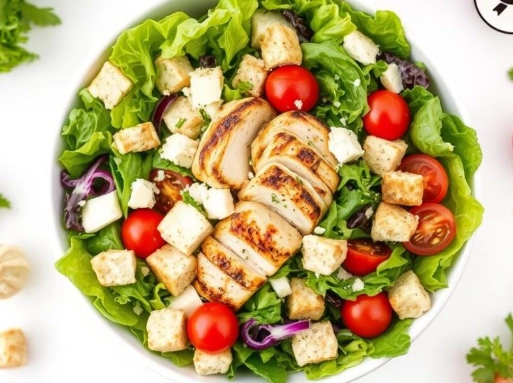
How to Build a Healthier Caesar Salad at Home
You don't have to give up Caesar salad. You just need to rebuild it with intention. Here’s my blueprint, developed after years of trying to keep the spirit of the dish without the nutritional hangover.
1. Rethink the Dressing
This is your leverage point. You have options:
- The "Lightened Classic" Method: Keep the authentic ingredients but use a high-quality, lighter-tasting olive oil and reduce the total amount by 25%. Emulsify it really well so it coats better with less. Mash one anchovy fillet instead of two—you'll still get the umami.
- The Yogurt Swap: This is my weekday go-to. Replace 75% of the oil/mayo with plain, non-fat Greek yogurt. You keep the creamy texture and tang, add a protein boost (about 5g per 1/4 cup of yogurt), and slash calories and fat dramatically. You must keep the garlic, lemon, Worcestershire, and a hint of anchovy for the true flavor.
- The "Creamy" Vegan Option: Blend soaked raw cashews or silken tofu with lemon, garlic, capers (for a briny, anchovy-like note), and nutritional yeast. It's rich in a different way, but the fat comes with fiber and protein.
2. Upgrade the Croutons
Stop buying the bag. It takes 10 minutes.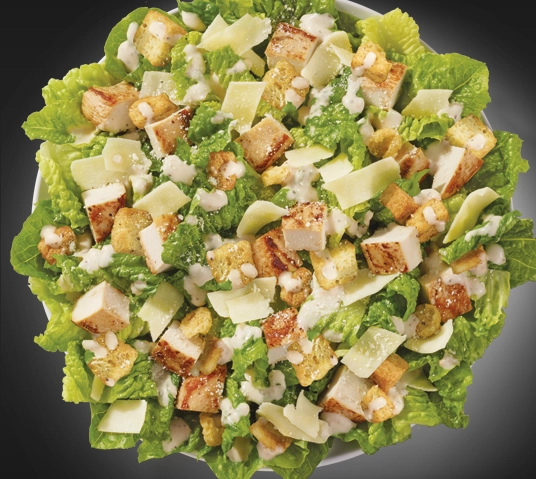
- Use a dense whole-grain or sourdough bread. It toasts better and adds fiber.
- Cube it, toss with a light mist of olive oil spray (not a pour), garlic powder, and maybe some dried oregano.
- Bake at 375°F (190°C) for 10-15 minutes until crisp.
- Alternative Crunch: Try roasted chickpeas (for protein and fiber), toasted sunflower seeds, or sliced almonds. They change the profile but add more nutrition than refined bread.
3. Pile on the Greens (and More)
Don't just use romaine. Mix in some kale (massaged with a bit of lemon juice to soften it), arugula for peppery bite, or spinach. You increase the vitamin and mineral density instantly.
4. Be Strategic with Protein & Cheese
If you want a meal, add 6 oz of grilled chicken breast, shrimp, or baked salmon. Grate the Parmesan cheese finely with a microplane—it distributes more evenly, so you can use half the amount for the same cheesy impact in every bite.
A homemade, optimized Caesar salad built this way can look like this: ~450 calories, 22g fat (4g saturated), 30g carbs (8g fiber), 35g protein, ~600mg sodium. That's a balanced, satisfying meal.
Navigating the Restaurant Caesar Salad Trap
You can't control their kitchen, but you can control your order.
I once ordered a Caesar salad at a popular chain and asked for the nutrition facts afterward. It was 1,100 calories before the optional chicken. I was stunned. Here’s how I order now:
- Always, always get the dressing on the side. This is non-negotiable. A restaurant typically uses 1/2 cup or more. Dip your fork into the dressing, then spear the salad. You'll use a quarter of it.
- Ask about the protein. "Is the grilled chicken seasoned or marinated?" If yes, the sodium is high. See if they have a plain grilled option.
- Consider skipping the croutons. Or ask if they have a nut or seed topping instead.
- Split it or box half immediately. Restaurant portions are huge. Decide before you start that half is for later.
It feels fussy, but it's the difference between leaving feeling energized or feeling like you need a nap.
Your Caesar Salad Nutrition Questions Answered
The bottom line on Caesar salad nutrition? It's a spectrum. On one end, a creamy, cheese-laden, crouton-heavy bowl that's more of an indulgence. On the other, a thoughtfully constructed meal with a protein-rich dressing, lean protein, and smart toppings. You get to choose where on that spectrum your salad lives. Knowing the facts lets you enjoy every bite, whether it's a treat or a Tuesday night staple.
Reader Comments