Your Orange Sauce Journey
- What Makes a Great Orange Sauce? It's All About Balance
- The Core, No-Fail Orange Chicken Sauce Recipe
- Level Up Your Game: Customizations & Pro Tweaks
- Beyond Chicken: What Else Can You Use This Orange Sauce On?
- Storing, Reheating, and Freezing Your Masterpiece
- Answering Your Burning Questions (The FAQ)
- Putting It All Together: Your Orange Chicken Night
Let's be honest. We've all been there. You order orange chicken, that glorious pile of crispy fried chicken coated in a shiny, sweet, tangy, and slightly spicy sauce. It arrives. You take a bite. It's... fine. But it's never quite as punchy, as balanced, as more-ish as you want it to be. Sometimes it's just a sugary glaze. Other times it's one-dimensional. I've had versions that tasted like someone dissolved a candy orange in corn syrup. Not great.
So I set out to fix it. After what felt like a hundred batches (my fridge was a science experiment for a month), countless tweaks, and more taste-testing than I care to admit, I landed on what I truly believe is the best orange chicken sauce recipe you can make at home. It's not just a copycat. It's an upgrade. It has that perfect sticky cling, that bright citrus zing from real oranges, a savory backbone, and a gentle heat that builds. And the best part? It's stupidly easy. No obscure ingredients. No fancy techniques. Just a saucepan and about 10 minutes.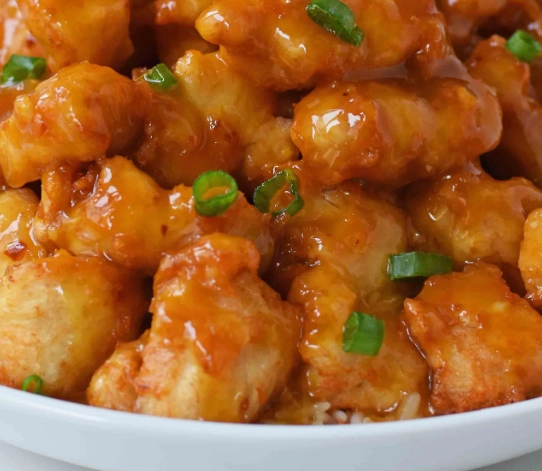
What Makes a Great Orange Sauce? It's All About Balance
Before we dive into the recipe, let's talk about what we're actually aiming for. A signature orange chicken sauce isn't just orange juice and sugar. That's a dessert topping. A proper sauce is a complex harmony of five key flavor profiles working together. Miss one, and the whole thing feels off.
Think of it like a band. You need all the players.
- Sweet: The lead singer. Usually from brown and white sugar, or sometimes honey. It's the first thing you taste, but it shouldn't shout down the others.
- Sour/Tangy: The lead guitar. Fresh orange juice and zest provide the bright, citrusy top notes. Rice vinegar adds a clean, sharp acidity that cuts through the sweetness. This is what makes it "orange," not just "sweet."
- Savory/Umani: The bass guitar. This is the foundation. Soy sauce (or tamari) and sometimes a bit of chicken stock or oyster sauce. It gives the sauce depth and body, stopping it from being cloying. This is the secret most cheap takeout places skip, and you can totally tell.
- Spicy: The drums. A background rhythm. Fresh ginger, garlic, and dried red chili flakes or a bit of chili-garlic paste. It shouldn't burn; it should just provide a warm, lingering sensation in the back of your throat.
- Aromatic & Thickening: The rhythm guitar. Fresh garlic and ginger again, plus the cornstarch slurry. The slurry is non-negotiable. It transforms a thin, soupy liquid into that glossy, luxurious glaze that coats every nook and cranny of the chicken.
When these are in balance, magic happens. You get a sauce that's addictive.
The Core, No-Fail Orange Chicken Sauce Recipe
Alright, enough theory. Here's the blueprint. This is the master recipe. It's the one I make 90% of the time. It's reliable, it's crowd-pleasing, and it will make your kitchen smell incredible.
You'll need a medium saucepan and a whisk. A microplane or fine grater for the zest is ideal, but you can manage without.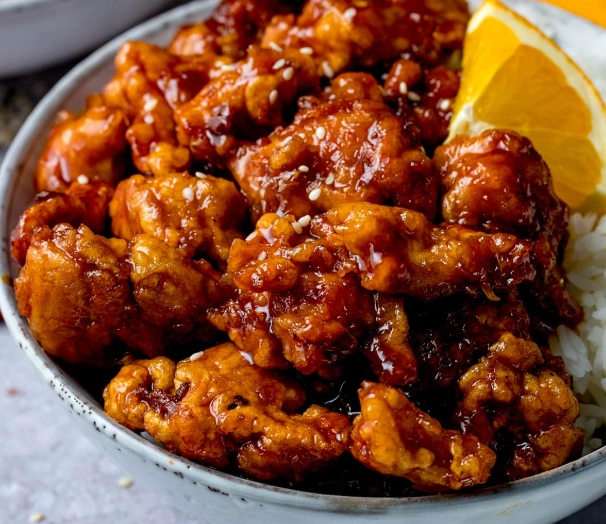
Ingredients (Makes enough sauce for about 1.5 lbs of fried or baked chicken)
- The Liquid Base: 1 cup of fresh orange juice (from 2-3 large oranges, PLEASE don't use concentrate from the carton if you can help it), ½ cup of water, ⅓ cup of rice vinegar (unseasoned).
- The Sweetness: ⅓ cup of packed light brown sugar, ¼ cup of granulated white sugar.
- The Savory Depth: ¼ cup of regular soy sauce (use low-sodium if you're sensitive to salt, and tamari for gluten-free).
- The Aromatics & Heat: 3 cloves of garlic, minced (about 1 tablespoon). A 1-inch piece of fresh ginger, grated (about 1 tablespoon). 1 teaspoon of orange zest (just the orange part, avoid the bitter white pith). ½ to 1 teaspoon of crushed red pepper flakes (go ½ if you're wary of heat).
- The Thickener: 2 tablespoons of cornstarch mixed with 3 tablespoons of cold water into a smooth slurry.
See? Nothing weird. You probably have most of this already.
The Step-by-Step Process (It's Easier Than You Think)
- Combine and Simmer: In your saucepan, whisk together the orange juice, water, rice vinegar, both sugars, and soy sauce until the sugars start to dissolve. Throw in the minced garlic, grated ginger, orange zest, and red pepper flakes. Give it another good stir.
- Bring to a Boil: Place the saucepan over medium-high heat. Let it come to a full, rolling boil. This helps meld the flavors and ensures the cornstarch will work properly later.
- Thicken the Magic: This is the critical moment. Give your cornstarch slurry a quick re-stir (it settles). While whisking the boiling liquid constantly, slowly drizzle in the slurry. I mean a thin stream. Within 30-60 seconds, you'll see the sauce go from cloudy and thin to brilliantly clear and thick. It's satisfying every single time.
- Finish and Adjust: Once thickened, reduce the heat to low and let it simmer gently for another minute or two. The sauce will become glossier. Now, taste it. This is your moment. Too sweet? A tiny splash of rice vinegar. Not sweet enough? A pinch of white sugar. Want more orange flavor? You can stir in another ½ teaspoon of zest off the heat. Need more savory punch? A dash of soy sauce.
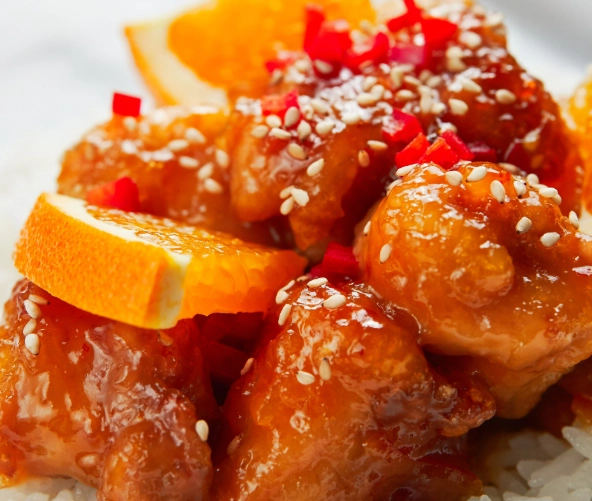
And that's it. Your orange chicken sauce is done. Pour it over your crispy chicken, toss immediately, and serve. The sauce will set slightly as it cools on the hot chicken, creating that perfect sticky coating.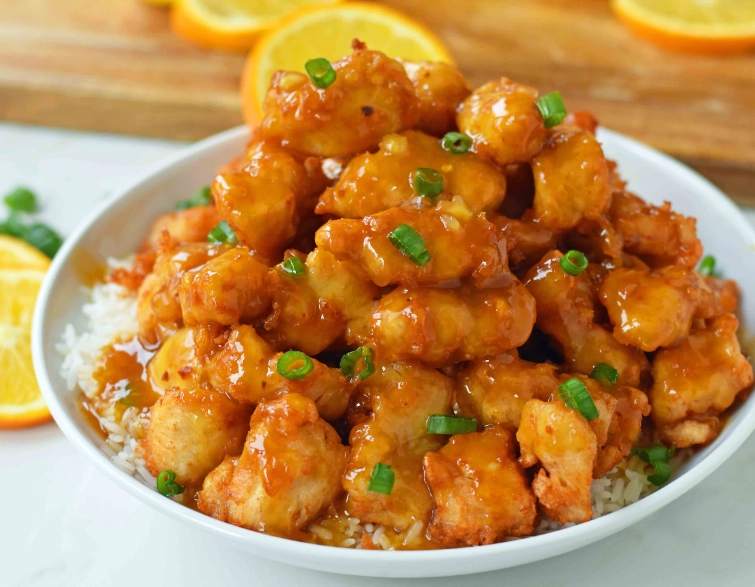
Level Up Your Game: Customizations & Pro Tweaks
The recipe above is perfect as-is. But maybe you want to play. Here's where you can make it truly your own. Think of this as the advanced workshop.
Flavor Twists (The "What If..." Section)
Want something different? Try swapping or adding one element.
- For a Deeper, Richer Flavor: Substitute the water with ½ cup of low-sodium chicken broth. Replace 1 tablespoon of the soy sauce with 1 tablespoon of oyster sauce (not vegetarian) or hoisin sauce. It adds a beautiful, complex umami.
- For a Fresher, Brighter Kick: Add the finely grated zest of a whole lemon or lime along with the orange zest. Finish the sauce off the heat with a tablespoon of fresh chopped cilantro or a sprinkle of toasted sesame seeds.
- For a Spicier Version (Szechuan-Style): Add 1-2 teaspoons of Doubanjiang (Chinese chili bean paste) when you add the garlic and ginger. Or, finish with a teaspoon of toasted sesame oil and a drizzle of chili oil (like Lao Gan Ma) after thickening.
- For a Health-Conscious Version: You can reduce the sugars by about a quarter and supplement with a tablespoon of honey or maple syrup for a more natural sweetness. The texture will be slightly less viscous but still delicious.
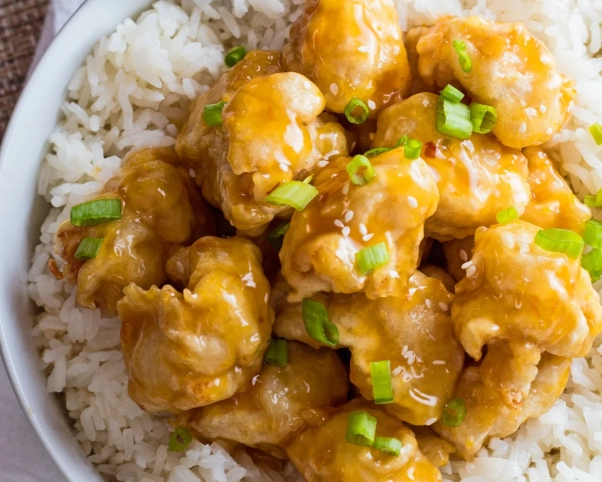
The Science of Thickening: Getting the Perfect Consistency
This is a common pain point. "My sauce is too thin!" or "My sauce turned into a rubbery gel!" Let's demystify it.
Cornstarch is our friend, but it's a finicky friend. The ratio in the main recipe (2 tbsp cornstarch to 3 tbsp water for ~1.5 cups of liquid) is the sweet spot for a coating, glaze-like consistency. But variables matter.
| Problem | Likely Cause | How to Fix It |
|---|---|---|
| Sauce is too thin/runny | 1. Liquid wasn't at a full boil. 2. Not enough cornstarch for the liquid volume. 3. Sauce simmered too briefly after adding slurry. | Mix another 1 tsp cornstarch with 1.5 tsp cold water. Bring sauce back to a boil, whisk in the new slurry. Cook 1 more min. |
| Sauce is too thick/gummy | 1. Too much cornstarch used. 2. Sauce reduced/cooked down too long after thickening. | Thin it out by whisking in hot water or more orange juice, one tablespoon at a time, until desired consistency. |
| Sauce has lumps | Cornstarch slurry was added too quickly or without constant whisking. | Immediately strain the sauce through a fine-mesh sieve to remove lumps. Return to pan to reheat. |
| Sauce tastes "starchy" or cloudy | Cornstarch wasn't fully cooked/cooked through. | Let the sauce simmer for an extra 2-3 minutes after it thickens. It should turn clear and glossy. |
Remember, the sauce will also thicken a bit as it cools on the food. So aim for a consistency that coats the back of a spoon nicely, but still flows easily when hot.
Beyond Chicken: What Else Can You Use This Orange Sauce On?
Oh, this sauce is a multitasking hero. Don't limit it to just chicken. Once you have this orange chicken sauce recipe in your arsenal, you'll start seeing its potential everywhere.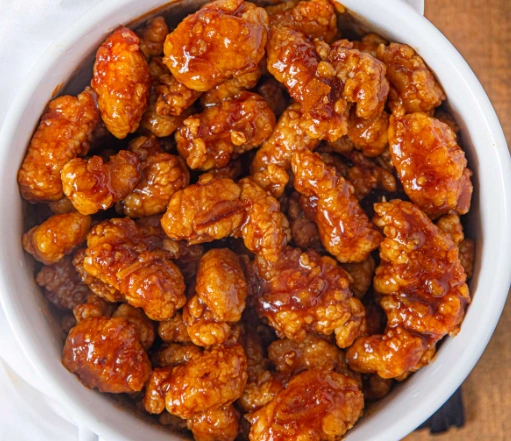
I've used it on so many things.
- Orange Cauliflower or Tofu: The classic vegetarian swap. Toss baked or air-fried cauliflower florets or cubed extra-firm tofu in the sauce. It's fantastic.
- As a Glaze for Proteins: Brush it on salmon fillets, shrimp, or pork chops during the last few minutes of baking or grilling. The sugars caramelize beautifully.
- As a Stir-fry Sauce: Sauté your favorite veggies (broccoli, bell peppers, snap peas) and protein, then add a half-batch of this sauce at the end to coat everything. Instant stir-fry.
- As a Dipping Sauce: Slightly thin it out with a touch of water or orange juice and serve it warm with spring rolls, wontons, or even sweet potato fries. It beats ketchup any day.
- On a Pizza: Sounds wild, but trust me. Use it as the base sauce instead of tomato, top with mozzarella, cooked chicken, red onion, and cilantro. A game-changer.
The point is, this recipe is a foundational tool. It's versatile.
Storing, Reheating, and Freezing Your Masterpiece
You made a big batch? Smart. Here's how to keep it tasting great.
Storing: Let the sauce cool completely to room temperature. Pour it into an airtight container (a mason jar is perfect) and refrigerate. It will keep for 5-7 days. You'll notice it thickens considerably when cold—that's normal.
Reheating: This is key. Don't just microwave it. The best way is to gently reheat it in a small saucepan over low heat, adding a teaspoon or two of water or orange juice to loosen it back to its original saucy consistency. Stir frequently. If you must use a microwave, do it in 30-second bursts, stirring well between each, and add a splash of liquid.
Freezing: Yes, you can freeze this orange sauce! Freeze it in a freezer-safe container or an ice cube tray for portioned use. It will keep for up to 3 months. Thaw overnight in the fridge and reheat gently on the stove, again adding a bit of liquid to adjust consistency. The texture might be slightly less perfect after freezing, but it's still 90% as good, which is a win for meal prep.
Answering Your Burning Questions (The FAQ)
I've gotten a ton of questions from friends and readers over the years. Here are the ones that pop up again and again.
Putting It All Together: Your Orange Chicken Night
So you've got the perfect orange chicken sauce recipe bubbling away. What about the chicken itself? A few quick tips to make the whole dish sing.
For the classic experience, you want crispy chicken. The two most common methods:
- The Double-Fry (Restaurant Method): Coat chicken chunks in cornstarch or a cornstarch/flour batter. Fry at 325°F (163°C) until cooked through but not super crispy (this is the "blanching"). Remove, drain, and let rest. Just before serving, crank the oil to 375°F (190°C) and fry again for 60-90 seconds until golden brown and ultra-crispy. Toss immediately in the hot sauce. This method is a winner but uses more oil.
- The Baked "Hack" (My Weeknight Go-To): Toss chicken pieces in a tablespoon of oil, then coat thoroughly in cornstarch seasoned with salt and pepper. Arrange on a parchment-lined baking sheet. Bake at 425°F (218°C) for 20-25 minutes, flipping halfway, until crispy and cooked. It's not quite the same as deep-fried, but it's 85% there with 10% of the mess and guilt. Toss in the sauce right out of the oven.
Serve your saucy, glorious chicken over a bed of steamed jasmine rice with some simple steamed broccoli on the side. The clean, green broccoli is the perfect foil for the rich, sticky orange chicken.
This orange chicken sauce recipe is yours now. Tweak it, make it your own, and most importantly, enjoy the process. Cooking should be fun, and the reward at the end—a plate of something you made that's genuinely delicious—is one of the best feelings there is. Happy cooking!
Reader Comments