June isn't just the start of summer; it's the moment the produce aisles and farmers markets truly come alive. The scent of ripe strawberries hits you before you even see them. Corn stands start appearing on country roads. It's a month of abundance, but also a month of urgency—so much of this fleeting perfection spoils fast if you don't know what to do with it. I've spent over a decade navigating these seasonal gluts, from overflowing berry baskets to zucchini the size of my arm. This guide cuts through the overwhelm. We'll go beyond just listing what's in season in June. We'll talk about how to pick the absolute best of each crop, how to store it so it doesn't turn to mush, and most importantly, how to eat it in ways that celebrate its peak flavor, without spending hours in the kitchen.
Your June Produce Cheat Sheet
What's Ripe and Ready in June? The Complete List
Forget the supermarket's year-round offerings. In June, nature's calendar offers a vibrant, colorful, and incredibly flavorful lineup. Here’s a quick-reference table to see what you should be looking for: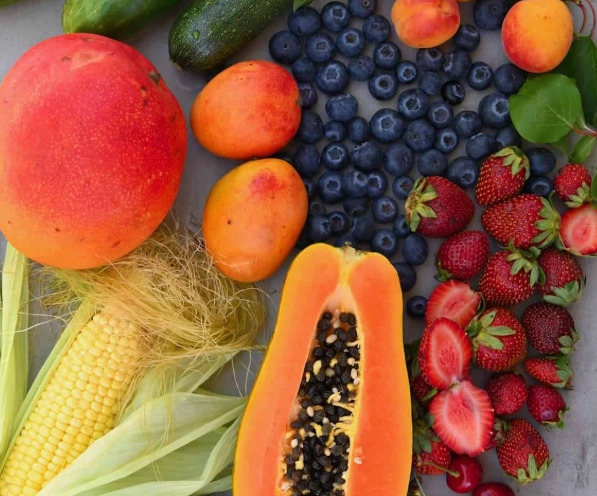
| Category | Specific Produce | Key Selection Tip | Best Storage Method |
|---|---|---|---|
| Summer Fruits | Strawberries, Blueberries, Raspberries, Blackberries, Cherries, Apricots, Peaches, Nectarines, Plums, Watermelon, Cantaloupe | Heavy for their size, vibrant color, fragrant aroma. | Most berries: Refrigerate, unwashed, in a single layer. Stone fruits: Ripen at room temp, then refrigerate. |
| Summer Vegetables | Zucchini & Summer Squash, Cucumbers, Bell Peppers, Eggplant, Green Beans, Okra, Corn, Tomatoes (heirloom!), Fresh Herbs (basil, cilantro, mint, dill) | Firm, glossy skin, no soft spots, heavy for size. Herbs should be vibrant, not wilted. | Most veggies: Crisper drawer, unwashed. Tomatoes: Countertop, stem-side down. Herbs: Trim stems, place in water (like flowers). |
| Leafy Greens | Kale, Swiss Chard, Arugula, Lettuces (butter, romaine), Spinach (late spring/early summer) | Crisp, perky leaves, no yellowing or slime. | Wash, spin dry completely, store in a container lined with paper towels. |
Notice something? The list is heavy on fruits that double as dessert and vegetables that grill like a dream. This isn't an accident. June's produce is designed for easy, fresh meals with minimal fuss.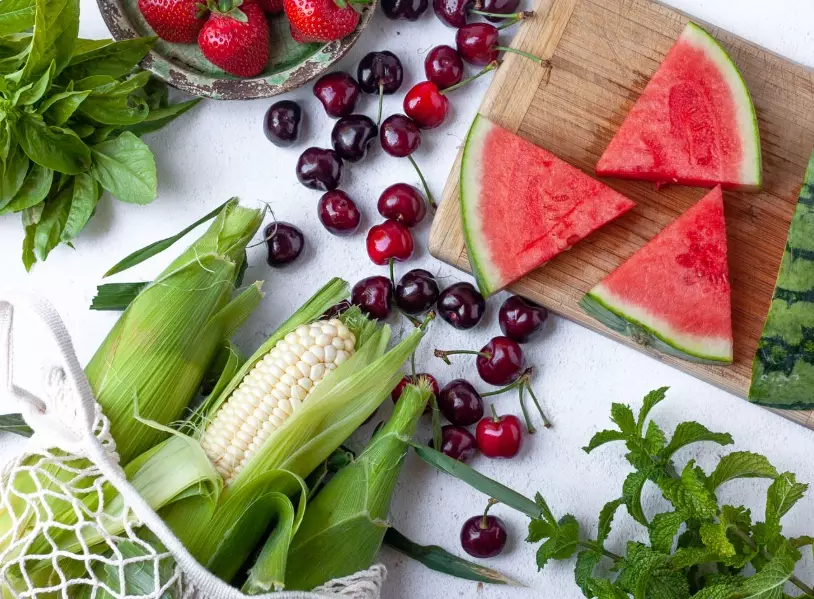
How to Pick the Perfect June Produce (No More Guesswork)
Selecting the best produce is half the battle. Here's where most people go wrong: they judge by looks alone. Color is important, but it's not the whole story.
Let's talk berries. A perfect strawberry isn't just red; it's uniformly red, with no white or green shoulders. But the real secret is the scent. Bring it close to your nose. If you don't get a hit of that iconic, sweet-strawberry perfume, put it back—it was picked too early and will taste like water. With blueberries, look for the silvery "bloom"—that powdery coating is a natural protector and a sign of freshness. Wipe it off, and the berry underneath should be a deep, dark blue, not reddish.
Corn is a classic June trap. Don't just grab any ear. Peel back the very top of the husk, just an inch or two. The kernels should be plump, tightly packed, and release a milky, not watery, liquid when you pierce one with a fingernail. If the kernels are small or the liquid is clear, it's underripe. If they're shriveled, it's over.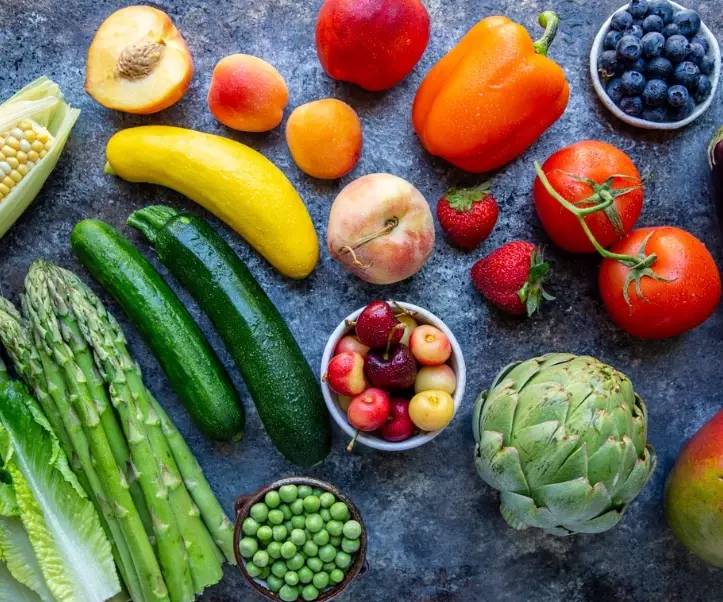
And tomatoes. I admit, I used to be that person squeezing every single one. It's a rookie move that bruises them. Instead, cradle the tomato in your palm. It should feel heavy, like a small paperweight. The skin should be taut and shiny, and it should have a rich, earthy, tomato-y smell at the stem end. If it smells like nothing, it will taste like nothing.
Pro Storage Hacks to Make Your June Bounty Last
You've picked the perfect haul. Now, don't let it go to waste. This is a common pain point. That flat of berries you couldn't resist turns to mold in two days. Here's how to fight back.
The Berry Rule: Never wash berries until you're ready to eat them. Moisture is the enemy. As soon as you get home, spread them out on a tray lined with paper towels. Pick out any that are bruised or leaking—they'll spoil the rest. Then, transfer them to a container lined with more paper towels, leaving the lid slightly ajar for airflow. This can add days to their life.
Stone Fruit Ripening: Peaches, nectarines, plums, and apricots often need a day or two at room temperature to reach peak ripeness. Place them in a single layer in a bowl, not in a plastic bag. Once they yield slightly to gentle pressure at the stem end and smell amazing, they're ready. Then you can refrigerate them to slow down the process. This can keep them good for another 3-4 days.
The Tomato Taboo: This is non-negotiable: do not refrigerate tomatoes. The cold destroys the flavor compounds and turns the flesh mealy. Keep them on the counter, stem-side down, which helps prevent moisture loss at the scar. Use them within a few days for the best flavor.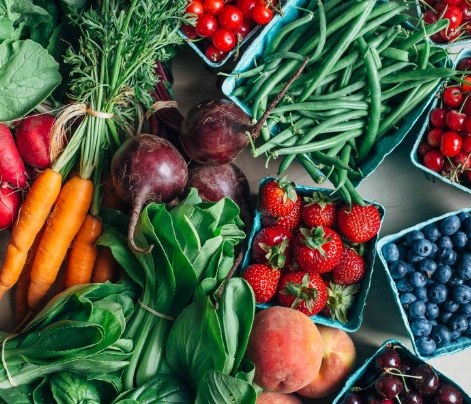
Simple, No-Fuss Ways to Eat Your Way Through June
You don't need complicated recipes for June produce. The goal is to let the fresh flavors shine. Here are a few ideas that have saved me from produce overload more times than I can count.
1. The 5-Minute Berry Sauce: Got berries that are a little soft? Don't toss them. Toss a cup or two into a small saucepan with a tablespoon of maple syrup or honey and a squeeze of lemon juice. Cook over medium heat for 5 minutes, mashing slightly, until saucy. Instant topping for yogurt, ice cream, or pancakes.
2. The Zucchini Noodle Trick (That Works): Spiralize a zucchini or summer squash. Heat a tablespoon of olive oil in a pan, add a chopped garlic clove for 30 seconds, then throw in the "zoodles." Toss for just 1-2 minutes, until just tender. Overcooking makes them watery. Toss with pesto, a squeeze of lemon, and some grated parmesan. It's a shockingly fast and satisfying side dish.
3. The Ultimate Summer Salad: No recipe needed. Chop a perfectly ripe heirloom tomato, a cucumber, and a bell pepper. Toss with thinly sliced red onion, a handful of fresh herbs (basil, mint, dill—whatever you have), and a simple dressing of olive oil, red wine vinegar, salt, and pepper. It's the essence of June in a bowl.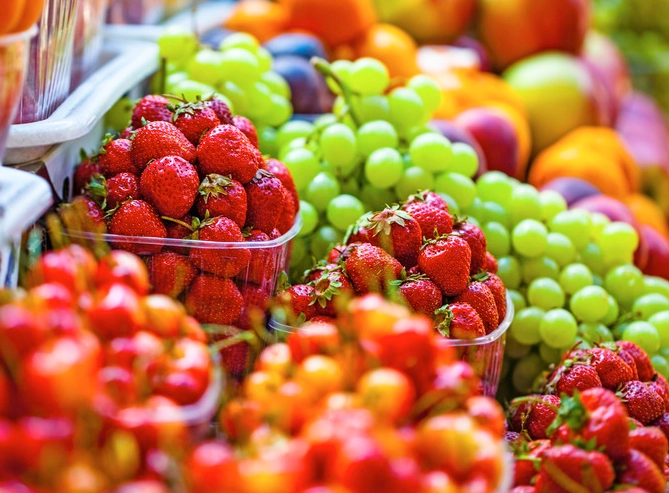
4. The Freeze-It-Fast Method: When the corn or green beans are cheap and perfect, buy extra. Blanch them: drop in boiling water for 2-3 minutes, then immediately into an ice bath to stop the cooking. Pat dry, spread on a baking sheet to freeze individually, then bag. You'll have summer's taste ready for a hearty winter soup or stew.
Expert Corner: One of the biggest mistakes I see is overcomplicating fresh produce. A perfect June peach doesn't need to be baked into a cobbler (though that's delicious). It's at its best when you eat it over the sink, juice dripping down your chin. Don't cook the flavor out of these delicate fruits and vegetables. Often, the simplest preparation is the most rewarding.
Your June Produce Questions, Answered
What are the absolute must-buy fruits at the farmers market in June?
Prioritize strawberries, cherries, and blueberries. Strawberries are at their fragrant peak but spoil fast, so plan to use them within 2 days. Look for cherries with firm, glossy stems—they last longer. Blueberries should have a uniform dusty-blue bloom; skip any with reddish hues or wrinkles. These three give you the shortest, most spectacular window of flavor.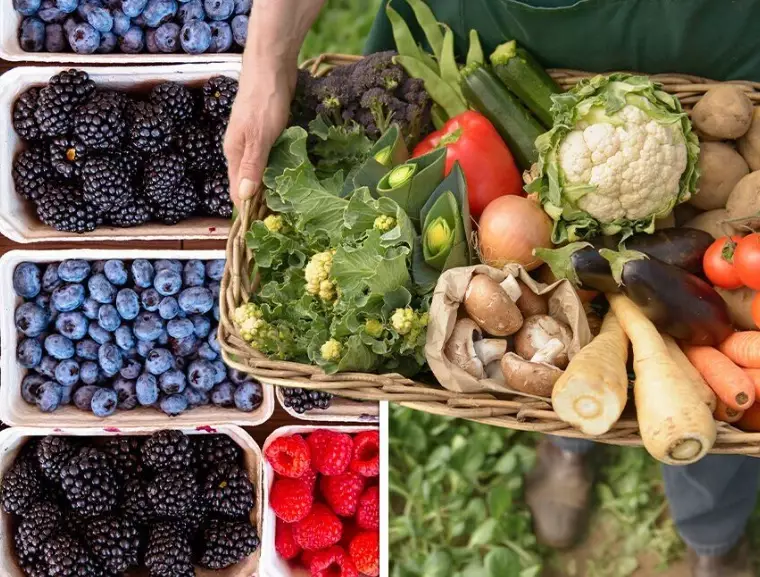
How can I stop my fresh herbs from wilting after a few days?
Treat them like fresh flowers, not like lettuce. For soft-stemmed herbs like basil, cilantro, and parsley, trim the stems and place them in a jar with an inch of water, loosely covered with a plastic bag, in the fridge. For woody herbs like rosemary and thyme, wrap them in a slightly damp paper towel, then in a loose plastic bag. The biggest mistake is packing them airtight while wet—that creates a rot factory.
Is it worth buying a whole flat of berries or peaches in June?
Only if you have a clear plan. A flat is cost-effective, but pressure leads to waste. Before you buy, decide: 1/3 for eating fresh now, 1/3 for freezing (spread on a tray first, then bag), and 1/3 for a preserving project like a quick jam, compote, or fruit leather. Without this split-second plan, you'll likely end up composting overripe fruit.
Reader Comments