If you have nasturtiums spilling over a garden bed or popping up in a forgotten corner, you have the makings of one of the most vibrant, flavorful pestos you'll ever taste. Forget the subtlety of basil for a moment. Nasturtium pesto is a bold, peppery punch in a jar, with a brilliant color that looks like summer itself. It's a forager's and gardener's secret weapon, turning what many consider a mere ornamental plant into a star ingredient.
I remember the first time I made it, skeptical that those round leaves and bright flowers could translate into something serious. The result shut me up. It was complex, spicy in a way that wakes up your palate, and utterly unique. Let's get into how you can make your own.
What You'll Find in This Guide
What Exactly is Nasturtium Pesto?
At its core, it's a simple emulsion. You take the peppery leaves and flowers of the nasturtium plant, blend them with nuts (or seeds), hard cheese, garlic, and olive oil. The magic is in the swap. You're replacing sweet basil with something that has the kick of arugula and the floral notes of the blossom.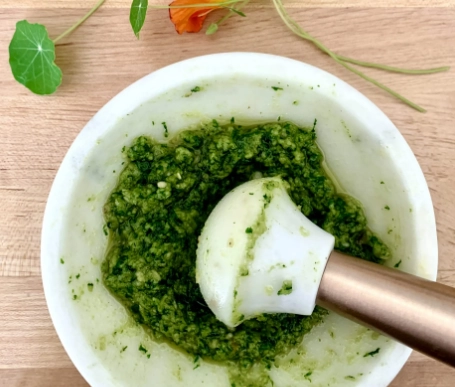
It's not just about flavor. Nasturtiums are packed with vitamin C—historically used to ward off scurvy—and have antimicrobial properties, according to research into edible flowers cited in databases like the USDA's. You're eating a functional food that tastes incredible.
A common mistake beginners make? Using too many stems. They're intensely bitter. Stick to the leaves and petals.
How to Forage or Grow Nasturtiums for Pesto
You need a good handful, about 4-6 loosely packed cups. Here’s how to get them.
Foraging Responsibly
Nasturtiums often naturalize in mild climates. Look for them in sunny, well-drained spots. The rule is simple: only pick from areas you know haven't been sprayed with pesticides or herbicides. Never take more than a third of a patch. Identify them by their distinctive round, lily-pad-like leaves and funnel-shaped flowers in red, orange, or yellow.
The Easier Route: Grow Your Own
They're possibly the easiest edible plant to grow. Scatter seeds in poor to average soil after the last frost. Too much fertilizer gives you lots of leaves and few flowers. They thrive on neglect. My best patch grows in a crack between patio stones.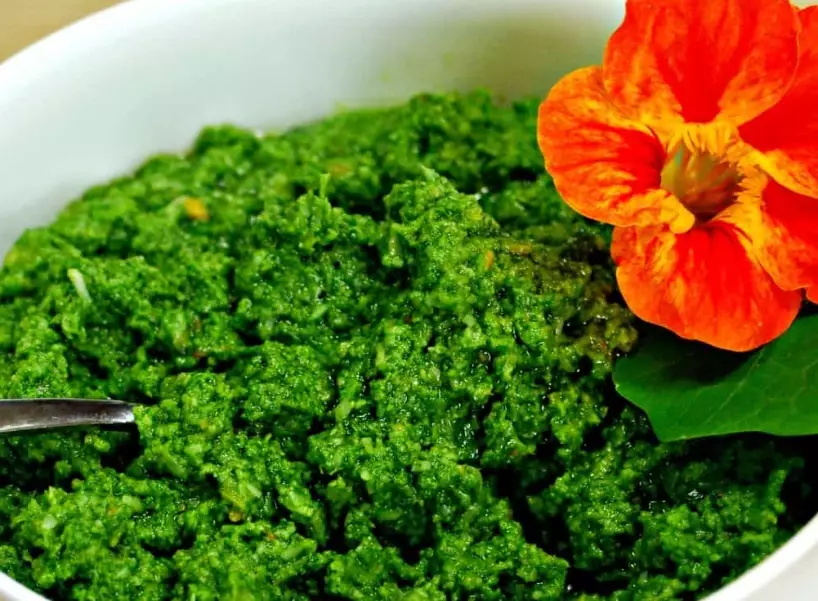
Step-by-Step: Making Your Nasturtium Pesto
This isn't a fussy recipe. The goal is to capture that fresh, peppery flavor.
The Core Nasturtium Pesto Formula
Yield: About 1.5 cups | Prep: 10 minutes
- 4 cups loosely packed nasturtium leaves and flowers (washed and dried)
- 1/2 cup nuts or seeds (walnuts, almonds, pine nuts, or sunflower seeds)
- 2-3 cloves garlic, peeled
- 1/2 cup freshly grated Parmesan or Pecorino Romano cheese
- 1/2 cup extra virgin olive oil, plus more for topping
- Juice of 1/2 a lemon (about 1 tbsp)
- 1/2 tsp sea salt, plus more to taste
- Freshly ground black pepper
The Process, Demystified
Toast your nuts. This is non-negotiable. A dry skillet over medium heat for 3-5 minutes until fragrant. It deepens the flavor and cuts the raw edge. Let them cool.
Blitz the base. In a food processor, pulse the cooled nuts and garlic until coarsely chopped. Add the nasturtiums, cheese, lemon juice, salt, and a few grinds of pepper. Pulse a few more times until combined but still textured.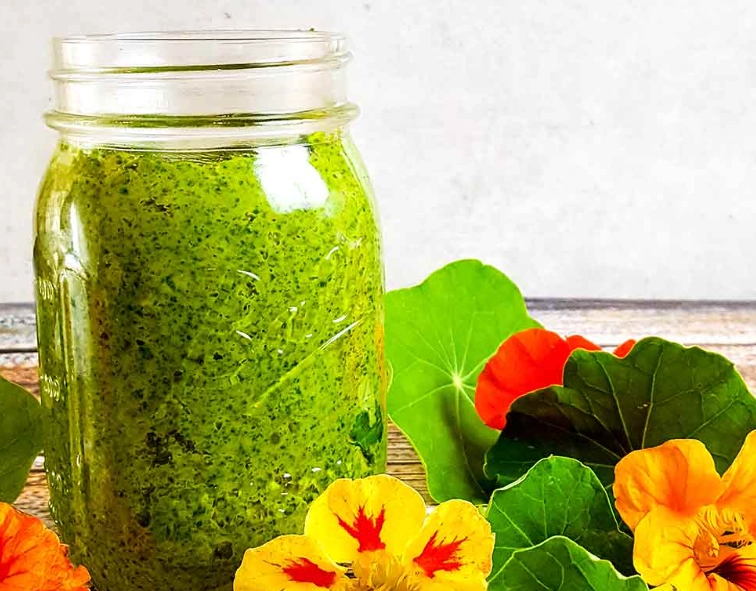
Emulsify. With the processor running, slowly drizzle in the olive oil until the pesto comes together. It should be loose but not soupy. Stop and scrape down the sides. Taste. This is where you adjust. More lemon for brightness? More salt? A pinch of sugar if it's too peppery for you?
The expert tweak: Many recipes call for expensive pine nuts. They're great, but toasted walnuts are my go-to. Their earthy bitterness plays perfectly with the nasturtium's spice. Sunflower seeds are a brilliant, affordable, nut-free alternative.
What Can You Do With Nasturtium Pesto?
Its boldness means a little goes a long way.
Toss with Pasta: The classic. Thin a few tablespoons with a splash of pasta water for a creamy, vibrant sauce. Farfalle or trofie hold it well.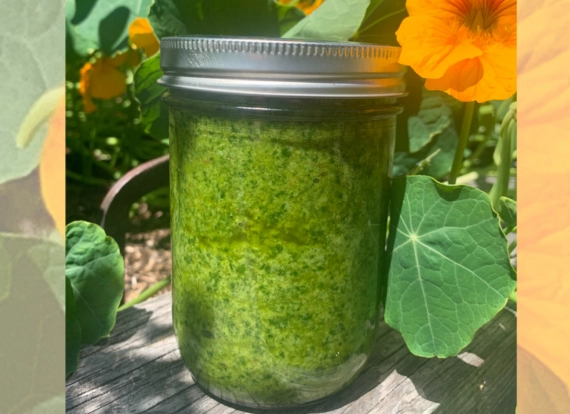
Slather on Sandwiches: Replaces mayo on a turkey or veggie sandwich instantly. Try it with roasted chicken in a wrap.
Elevate Proteins: Spread under the skin of chicken before roasting. Dollop on grilled fish or steak after cooking.
Boost Breakfast: Swirl into scrambled eggs or spread on avocado toast. It wakes up your morning.
As a Dip or Spread: Thin with a bit more oil or yogurt for a veggie dip. Serve with crusty bread.
I once mixed a spoonful into softened butter, rolled it into a log, chilled it, and served it on corn on the cob. Game changer.
How to Store Nasturtium Pesto?
This is crucial for freshness. Transfer your pesto to a clean glass jar. Use a spoon to smooth the top, then pour a thin layer of olive oil over it—this seals out air and prevents browning. Screw the lid on tight.
Fridge: It will keep for 5-7 days. The color fades from neon green to a deeper olive, but the flavor holds.
Freezer (The Pro Move): Spoon pesto into an ice cube tray. Freeze solid, then pop the cubes into a freezer bag. You have instant single-serve portions for months. Thaw in the fridge. The texture is nearly as good as fresh.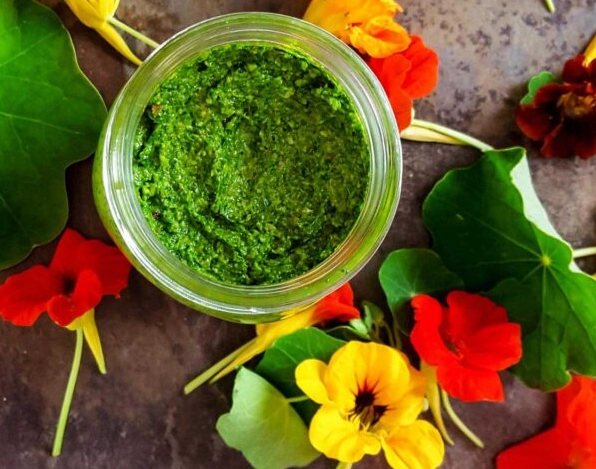
Your Nasturtium Pesto Questions Answered
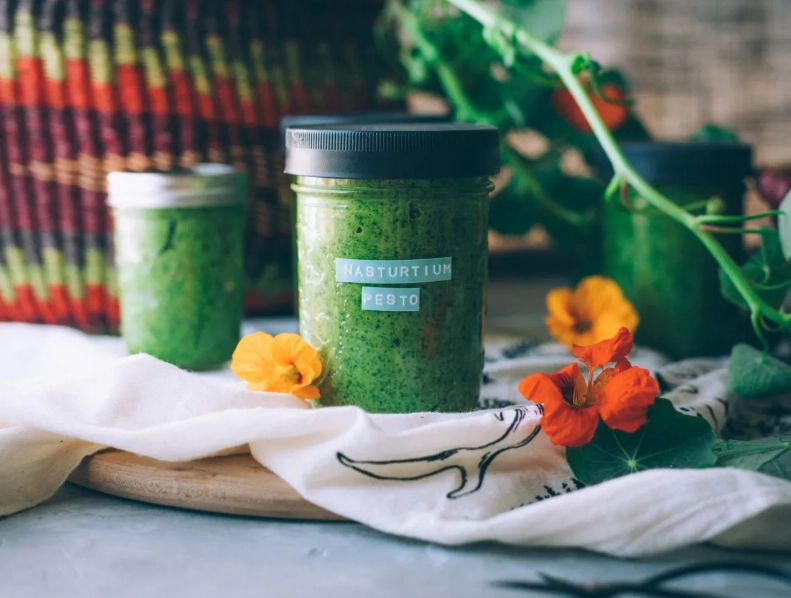
So, the next time you see those cheerful nasturtiums, see them differently. They're not just pretty. They're a bold, spicy, and utterly delicious ingredient waiting to be transformed. Grab a basket and get blending.
Reader Comments