Quick Navigation
Let's talk about fresh green beans. You know, the ones that sometimes look amazing at the store but then turn into a sad, limp mess in your fridge a few days later. I've been there. I've bought those beautiful, crisp pods only to forget about them behind the milk carton. What a waste.
But when you get it right? There's nothing quite like the snap of a perfectly fresh green bean, the vibrant green color, and that clean, almost sweet flavor. It's a world away from the canned or frozen stuff (though those have their place too). This guide is everything I've learned the hard way, plus a bunch of expert tips, so you can skip the mistakes and enjoy fantastic green beans every single time.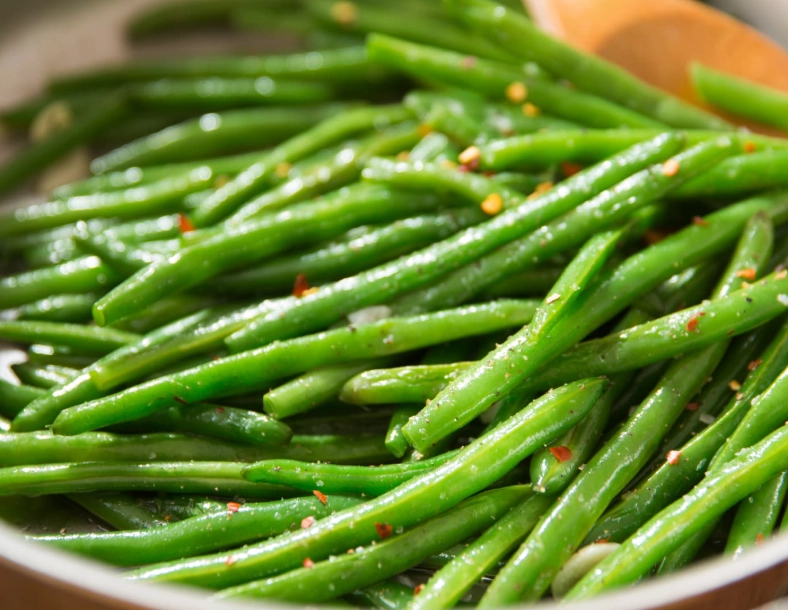
How to Pick the Absolute Best Fresh Green Beans
This is where it all begins. Your entire green bean experience hinges on the quality you bring home. Supermarkets and farmers' markets can be tricky. Some beans are past their prime, and they'll never taste good no matter what you do.
So, how do you spot the winners?
Look for the Visual Clues
Color is your first hint. You want a consistent, bright green color. Avoid any beans that look pale, yellowish, or have brown spots. Those spots are the first sign of age or damage. The pods should be smooth and firm-looking, not wrinkled or shriveled. Wrinkles mean they've lost moisture and freshness.
Size matters, but not in the way you might think. I tend to look for medium-sized, slender beans. The huge, overgrown ones can be tough and fibrous inside, with very developed seeds. They're not as tender. The tiny, super skinny ones are delightful and tender, but you need a lot more of them for a serving.
The Snap Test is Everything
This is the gold standard. A truly fresh green bean should snap cleanly in half when you bend it. It should make an audible *snap* sound. If it just bends limply or feels rubbery, it's old. Put it back.
I feel a bit silly doing it sometimes, but I'll test one bean from the bunch if I'm at a farmers' market or a loose bin. At a pre-packaged supermarket, you have to rely more on sight and feel through the plastic, which is a downside. That's one reason I prefer buying them loose when I can.
Feel and Listen
Run your fingers over a few pods. They should feel firm and crisp, not soft or pliable. Give the bag or bunch a gentle shake. Do the beans rattle? If you hear the seeds knocking around inside loose pods, the beans are over-mature. The seeds inside a prime, fresh green bean should be small and not loose.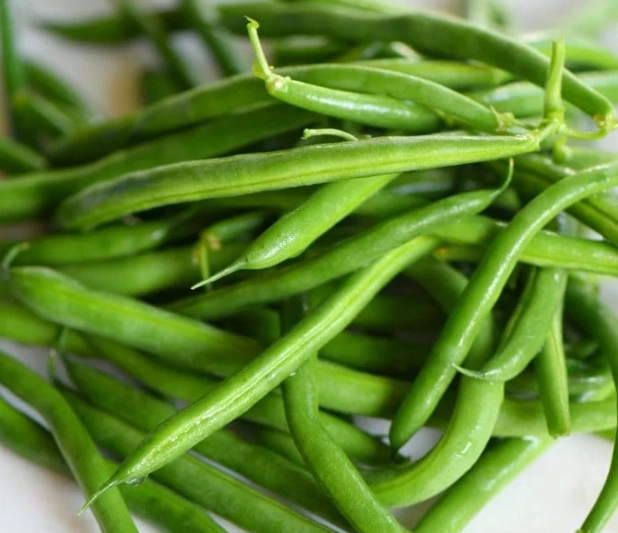
Where you buy them also makes a difference. The absolute best green beans fresh I've ever had came straight from a local farm stand. The season makes a difference, too. While you can find them year-round, their peak is late spring through early fall. That's when the flavor is at its brightest.
Storing Fresh Green Beans: Don't Just Toss Them in the Fridge
This is where most people go wrong. You get home, you're putting groceries away, and you just shove the bag of beans in the vegetable drawer. A week later, you find a slimy, forgotten science experiment.
Fresh green beans are not like potatoes or onions. They have high moisture content and are quite perishable. They need a specific environment to stay crisp.
The Right Way for Short-Term Storage (3-5 Days)
First, don't wash them yet. Washing introduces moisture that can speed up decay. Leave them unwashed until you're ready to cook.
Here's my go-to method that actually works:
- Take the beans out of any plastic produce bag. Those bags trap ethylene gas and moisture, which makes veggies rot faster.
- Place the dry, unwashed beans loosely in a large, open container or a bowl. You can line the container with a clean, dry paper towel to absorb any excess moisture.
- Cover the container loosely with a second paper towel or a clean kitchen cloth. Do NOT use an airtight lid.
- Place this setup in the crisper drawer of your refrigerator.
This method allows for some air circulation while preventing the beans from drying out completely. I've kept beans perfectly crisp for nearly a week using this.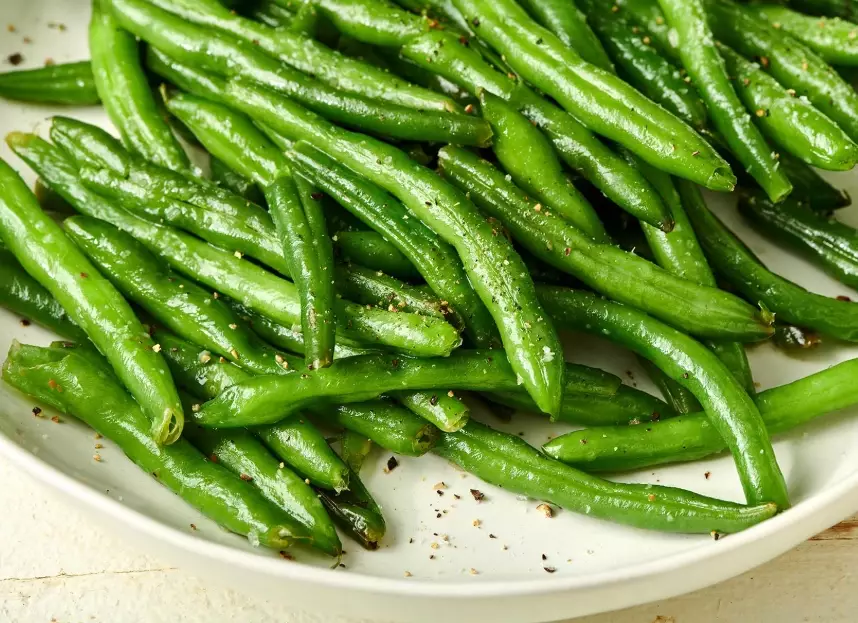
What About the "Towel Wrap" Method?
Some folks swear by wrapping the unwashed beans in a dry paper towel and then putting them in a partially open plastic bag. I've tried it. It's okay, but I find the container method gives them more room to breathe and prevents any condensation from getting trapped directly on the beans. If you use a bag, leave it wide open.
Long-Term Storage: Freezing Green Beans Fresh
If you have a great haul from the garden or a sale, freezing is fantastic. But you can't just throw them in a freezer bag.
You need to blanch them first. Blanching stops the enzyme activity that causes loss of flavor, color, and texture. Skipping this step results in mushy, dull, freezer-burned beans. Trust me, it's worth the extra five minutes.
Here’s the simple process:
- Wash and trim the beans. Snap off the stem ends.
- Boil a large pot of water. Have a large bowl of ice water ready next to it.
- Blanch: Add the beans to the boiling water. For whole beans, blanch for 3 minutes. For shorter pieces, 2 minutes is enough.
- Ice Bath: Immediately use a slotted spoon to transfer the beans to the ice water bath. This "shocks" them and stops the cooking instantly. Leave them in the ice water for the same amount of time they were boiled.
- Dry Thoroughly: Spread the blanched beans on clean kitchen towels or paper towels and pat them completely dry. Any surface water will turn into ice crystals.
- Flash Freeze: Spread the dry beans in a single layer on a baking sheet lined with parchment. Freeze for 1-2 hours until solid. This prevents them from freezing into one giant clump.
- Bag and Freeze: Transfer the frozen bean pieces to a heavy-duty freezer bag or airtight container. Squeeze out all the air, label with the date, and freeze. They'll keep well for 8-12 months.
When you pull them out to use, you can cook them directly from frozen in soups, stews, or stir-fries. For a side dish, I sometimes let them thaw in the fridge first.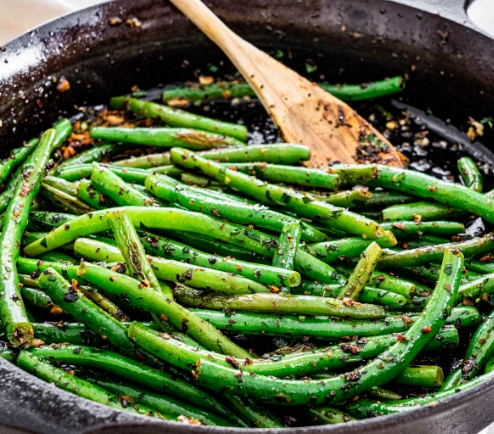
Cooking Fresh Green Beans: Methods Compared
Okay, you've picked perfect beans and stored them right. Now for the fun part. How you cook them dramatically changes the final dish. Do you want them crisp-tender, soft, or charred and smoky?
Let's break down the most common methods. I've made a table to compare them at a glance, because I find that really helpful when deciding what to do.
| Cooking Method | Best For | Texture Result | Key Tip | My Personal Take |
|---|---|---|---|---|
| Steaming | Preserving nutrients, bright green color, delicate flavor. | Crisp-tender, clean snap. | Don't overcook! 5-7 minutes max. Check early. | My go-to for a healthy, simple side. A little boring on its own, but a perfect blank canvas. |
| Sautéing/Stir-Frying | Quick meals, integrating with other ingredients (garlic, mushrooms, almonds). | Tender with slight browning, flavorful exterior. | High heat, keep them moving. Cut beans into uniform pieces. | Probably the most versatile method. You get great flavor from the oil and aromatics. |
| Roasting | Deep, concentrated flavor, caramelization, hands-off cooking. | Wrinkled, slightly chewy, with crispy browned bits. | Toss with oil, salt, and pepper. High heat (425°F/220°C) for 15-20 mins. | Transforms the flavor completely. My favorite for meal prep—they're still good cold the next day. |
| Boiling | When you want them very tender (for salads like Niçoise) or before further cooking. | Can range from tender to soft. | Use plenty of salted water. Shock in ice water to stop cooking if serving cold. | Easiest to overcook into mush. I use this least, unless I'm making a specific recipe that calls for it. |
| Blanching | Pre-cooking for salads, crudité platters, or freezing. | Perfectly crisp-tender, bright color locked in. | Boil briefly, then plunge into ice water. The key is the shocking step. |
One universal rule? Season them well. Salt is not the enemy here; it brings out their natural sweetness. A pinch of salt in the cooking water or sprinkled on before roasting makes a huge difference.
Simple & Delicious Fresh Green Bean Recipes
You don't need a complicated recipe to make great green beans. Here are three of my absolute favorite, dead-simple ways to prepare them. These are the ones I make over and over again.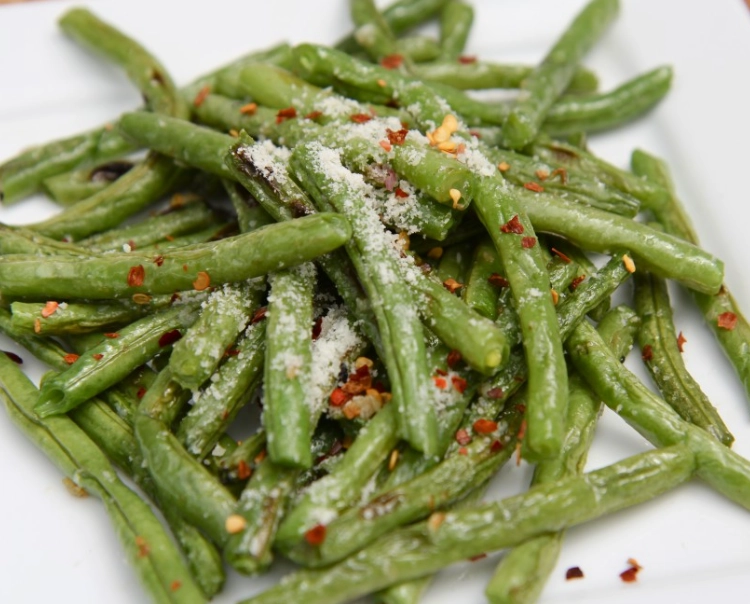
Garlicky Sautéed Green Beans
This is a classic for a reason. It's fast, flavorful, and goes with almost anything.
- Trim a pound of fresh green beans.
- Heat 2 tablespoons of olive oil in a large skillet or wok over medium-high heat.
- Add the beans and sauté for 5-6 minutes, stirring often, until they start to get some brown spots and are crisp-tender.
- Push beans to the side, add 3-4 minced garlic cloves (and maybe a pinch of red pepper flakes) to the center of the pan. Cook for just 30 seconds until fragrant—don't let the garlic burn!
- Toss everything together, season with salt and pepper, and finish with a squeeze of lemon juice if you like. That's it.
Lemon-Parmesan Roasted Green Beans
Roasting brings out a nutty sweetness you don't get from other methods.
- Preheat oven to 425°F (220°C). Line a baking sheet with parchment.
- Toss 1 lb of trimmed beans with 1.5 tbsp olive oil, salt, and pepper. Spread in a single layer.
- Roast for 15-20 minutes, tossing halfway, until tender and slightly wrinkled with browned bits.
- Immediately out of the oven, toss with the zest of one lemon and a generous handful of finely grated Parmesan cheese. The residual heat will melt the cheese into a delicious coating.
Simple Steamed Beans with Toasted Almonds
Elegant, easy, and perfect for a dinner party.
- Steam trimmed beans until crisp-tender (5-7 minutes).
- While they steam, toast 1/3 cup of sliced almonds in a dry pan over medium heat until golden and fragrant. Watch them closely—they burn fast.
- Transfer steamed beans to a bowl. Drizzle with a little good olive oil or melted butter, season with salt and pepper, and toss with the toasted almonds.
The beauty of having green beans fresh on hand is that they can be the star of a simple side or a vehicle for other flavors you love.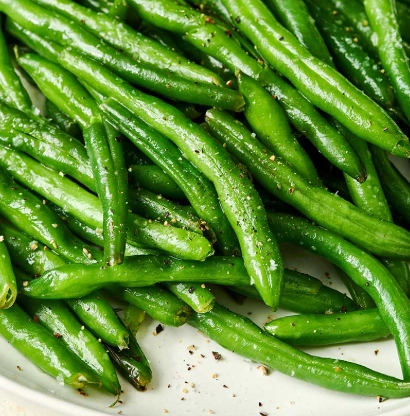
Answering Your Green Bean Questions (FAQs)
I get a lot of questions from friends about green beans. Here are the ones that come up most often, based on what people are actually searching for.
Can you eat fresh green beans raw?
Yes, absolutely! They are perfectly safe to eat raw and are actually quite crunchy and refreshing. Just make sure to wash them thoroughly. They're great on a crudité platter with dip. The flavor is more vegetal and less sweet than when cooked. Some people find them easier to digest when cooked, but there's no safety issue.
How can you tell if fresh green beans have gone bad?
Your senses will tell you. Look: Major discoloration (lots of brown/black spots), significant wrinkling, or visible mold. Feel: They will be slimy or mushy to the touch, not firm. Smell: They may develop an off, sour, or unpleasant odor. If in doubt, throw it out. It's not worth the risk.
Do you need to trim both ends of green beans?
You really only need to trim the stem end (the end that was attached to the plant). That part is often tough and woody. The pointed tail end is usually tender and fine to eat. The fastest way? Line up a handful with the stems facing the same direction and slice them all off at once with a knife. No need to snap each one individually, unless you find it therapeutic (I sometimes do!).
Are fresh green beans good for you?
They're an excellent, low-calorie vegetable. They provide fiber, vitamin C, vitamin K, folate, and silicon (which is good for bone health). Steaming or sautéing preserves more nutrients than boiling, where some vitamins can leach into the water. For detailed nutritional information from a reliable source, you can check the USDA's FoodData Central entry for raw green beans.
What's the difference between green beans, string beans, and snap beans?
Essentially, they are all names for the same thing! "String bean" is an old term from varieties that had a tough, fibrous "string" running along the seam that you had to remove. Most modern varieties are "stringless," but the name stuck. "Snap bean" refers to the satisfying snap sound a fresh bean makes when broken. So when you're looking for green beans fresh at the store, don't get hung up on the label.
Can I grow my own fresh green beans?
They are one of the easiest vegetables to grow in a home garden, even in containers. They love sun and warm soil. Bush varieties are compact and don't need support, while pole varieties grow on vines and yield over a longer period. For comprehensive growing guides, your local university's cooperative extension service is a fantastic, science-based resource. For example, the University of Minnesota Extension has a great guide.
Putting It All Together
So there you have it. The journey of the humble green bean, from a pile at the market to a delicious part of your meal, doesn't have to be mysterious or disappointing.
It boils down to a simple cycle: Select with care, store with purpose, and cook with intention. Pay attention at the store, give them a proper home in your fridge, and choose a cooking method that matches the meal you want.
The next time you see those bright green pods, you'll know exactly what to do. You'll confidently pick the best bunch, you won't stress about them going bad, and you'll have a few simple, killer recipes in your back pocket to make them shine.
Really, that's the goal. To make cooking with fresh, simple ingredients feel easy and rewarding, not like a chore. Green beans are a perfect place to start.
Go grab some green beans fresh from your market and give it a try. You might just find they become a regular on your weekly menu.
Reader Comments