Let's be honest. The main reason we order orange chicken is for that sauce. That perfect, glossy, sweet-and-tangy coating that makes every piece of chicken irresistible. But here's a secret they don't want you to know: you can make a homemade orange chicken sauce that's better than what comes in the takeout box. It's not about complicated techniques or rare ingredients. It's about understanding a few key principles that transform simple pantry items into something magical.
I spent years trying to crack the code. My early attempts were either cloyingly sweet or weirdly bland. One batch was so thin it pooled sadly at the bottom of the bowl. Another was so thick it could have been used as wallpaper paste. Not great.
Then it clicked. The magic isn't in a single ingredient, but in the balance and the process.
What's Inside This Guide
Why This Homemade Sauce Beats Takeout Every Time
It's not just about pride (though that's a nice bonus). Making your own orange sauce gives you control.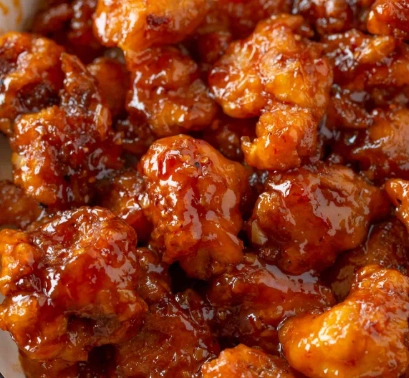
You control the sugar. Restaurant versions often lean heavily on corn syrup or excessive sugar for that addictive quality. At home, you can adjust the sweetness to your liking, using honey, brown sugar, or even reducing it slightly for a more tangy profile.
You control the quality. No mystery "natural flavors" or preservatives. You know exactly what's going in: fresh orange juice and zest, real garlic and ginger, good soy sauce.
You control the cost. For the price of one large takeout order, you can make enough homemade orange chicken sauce to coat multiple meals. It's embarrassingly cheap once you break it down.
But the biggest win? Freshness. The bright, zesty punch of real orange zest cooked into the sauce is something bottled or mass-produced versions can't replicate. It's the difference between tasting "orange flavor" and tasting an actual orange.
The Secret Trio: Mastering Flavor, Texture, and Shine
Every great orange chicken sauce needs to nail three things. Get one wrong, and the whole experience suffers.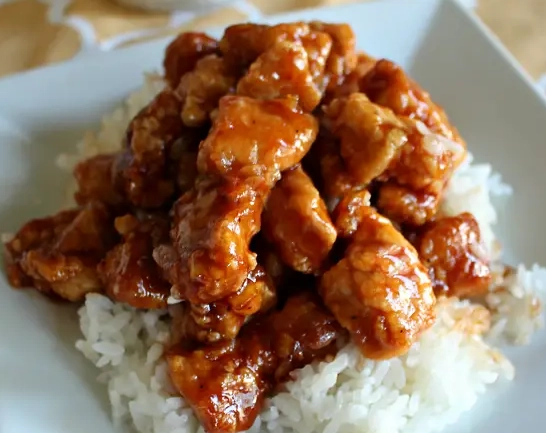
The Flavor Foundation: Sweetness (sugar/honey), Acidity (orange juice, vinegar), Saltiness (soy sauce), and Umami (soy sauce, garlic, ginger). They must be in harmony. Too much sweet without enough acid tastes like candy. Too much salt overpowers the orange.
The Texture Transformer: This is where most home cooks stumble. That luxurious, clingy thickness comes from a cornstarch slurry. The trick? It must be added to a simmering liquid and cooked for a full minute or two to activate. Undercook it, and your sauce stays watery. Overcook it for too long, and it can break down.
The Glossy Finish: The shine that makes your mouth water is a combination of the sugar caramelizing slightly and the starch creating a smooth, suspended gel. A tiny bit of toasted sesame oil added at the very end enhances this visually and adds a nutty aroma.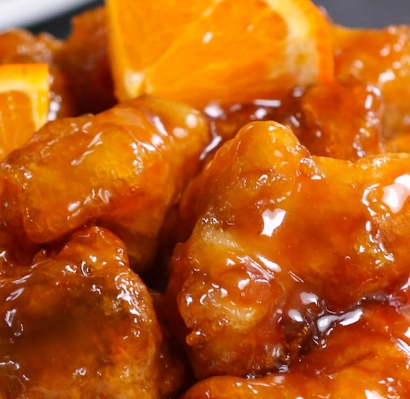
Your Sauce's Core Components
| Ingredient | Role It Plays | Pro Tip / Substitution |
|---|---|---|
| Fresh Orange Juice & Zest | Provides the primary citrus flavor and bright acidity. Zest holds the essential oils for intense aroma. | Zest the orange before juicing it. No fresh oranges? Use 3/4 cup good-quality OJ + 1 tsp orange extract. |
| Rice Vinegar | Adds a clean, sharp tang that balances the sweetness. Non-negotiable for authentic flavor. | White wine vinegar or apple cider vinegar can work in a pinch, but rice vinegar is best. |
| Soy Sauce | Delivers saltiness and deep umami (savory) depth. It's the backbone. | Use low-sodium to control salt level. For gluten-free, use tamari or coconut aminos. |
| Fresh Ginger & Garlic | The aromatic soul. They add warmth and complexity that powder can't match. | Microplane the ginger for no fibrous bits. Mince the garlic finely so it melts into the sauce. |
| Cornstarch Slurry | The thickening agent. Creates the signature sticky, glossy coating that clings to the chicken. | Always mix cornstarch with cold water before adding to hot liquid to prevent lumps. |
How to Make Homemade Orange Chicken Sauce: Step-by-Step
Ready to cook? This isn't just a dump-and-stir process. Paying attention to the order of operations makes all the difference.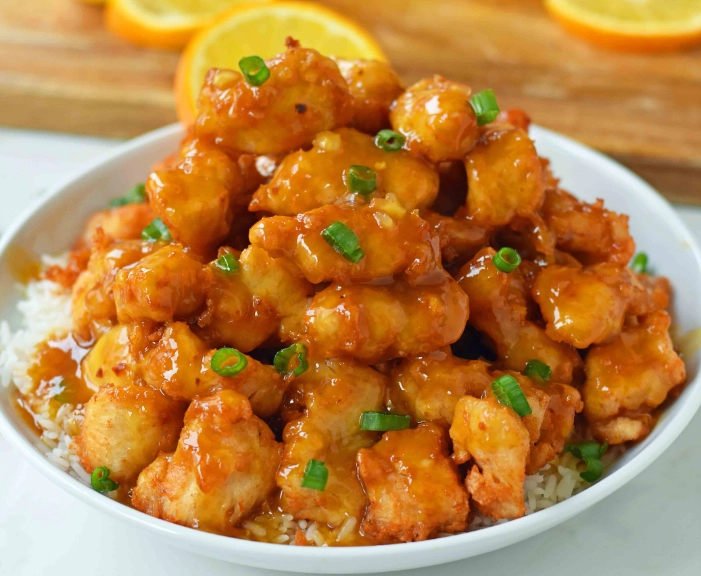
Step 1: Build the Flavor Base. In a medium saucepan, combine 1 cup of fresh orange juice, the zest of one large orange, 1/3 cup of light brown sugar, 1/4 cup of rice vinegar, 1/4 cup of soy sauce, 2 tablespoons of minced garlic, and 1 tablespoon of minced fresh ginger. Whisk it all together.
Bring this mixture to a gentle simmer over medium heat. Let it bubble away for about 8-10 minutes. You're reducing it slightly, concentrating the flavors, and cooking the raw edge off the garlic and ginger. This step is crucial for depth. Don't rush it.
Step 2: The Thickening Moment. While the sauce simmers, make your slurry: mix 2 tablespoons of cornstarch with 2 tablespoons of cold water in a small bowl until completely smooth—no lumps.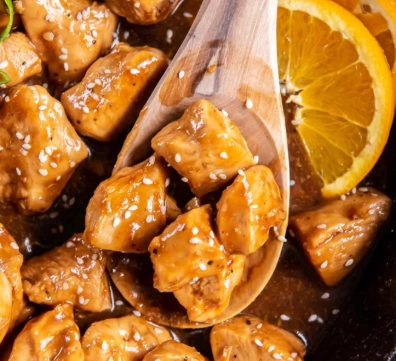
Give your simmering sauce a good stir. While it's actively bubbling, slowly drizzle in the cornstarch slurry, whisking constantly. Almost immediately, you'll see it start to change. It will become slightly cloudy and begin to thicken.
Here's the key: keep it simmering and whisk for another 60-90 seconds. This cooks out the starchy flavor and ensures maximum thickening power. The sauce should coat the back of a spoon nicely.
Step 3: Finish and Adjust. Remove the saucepan from the heat. Stir in 1 teaspoon of toasted sesame oil. This is your moment to taste. Too sweet? Add a pinch more vinegar. Not tangy enough? Same. Need more depth? A tiny dash of extra soy sauce. The sauce will continue to thicken a bit as it cools.
Your homemade orange chicken sauce is ready. Pour it over your crispy fried, baked, or air-fried chicken pieces and toss to coat generously.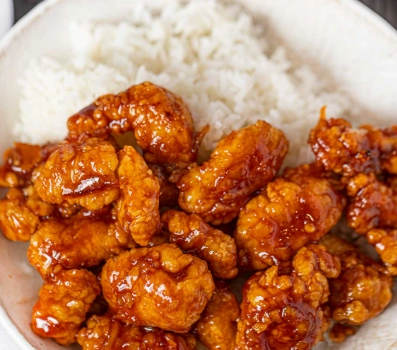
Pro Tips & Common Mistakes to Avoid
After making this dozens of times, here are the subtle things that separate a good sauce from a great one.
Don't use bottled lemon juice instead of rice vinegar. The flavor profile is completely different. Rice vinegar is milder, sweeter, and is what gives the sauce its distinct tang. This is a common substitution mistake that throws the whole balance off.
Let the sauce cool slightly before tossing with ultra-crispy chicken. If your chicken has a perfect, crackly crust from frying or air-frying, tossing it in piping hot sauce can steam and soften that crust quickly. Let the sauce sit off the heat for 2-3 minutes, or toss the chicken in a separate bowl just before serving.
For a more "restaurant-style" orange sauce, add a very small amount of orange food coloring. I know, it feels like cheating. But the vibrant hue in many takeout versions often comes from coloring. Without it, your sauce will be a more natural, amber-brown color—which tastes just as good, but looks different. A single drop is plenty.
The biggest texture mistake is impatience with the slurry. Adding it to a sauce that's not hot enough, or not cooking it long enough after adding, results in a thin, slightly chalky-tasting sauce. The simmer must be active when the slurry hits the pot.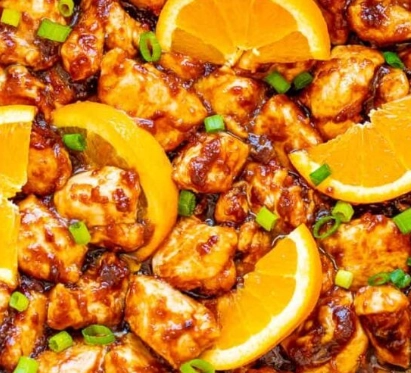
Don't Just Stop at Chicken: Other Ways to Use This Sauce
This homemade orange sauce is incredibly versatile. Once you have a batch, the possibilities open up.
Orange Cauliflower or Tofu: Toss roasted cauliflower florets or pan-fried crispy tofu cubes in the sauce for a fantastic vegetarian meal.
As a Glaze for Salmon or Shrimp: Brush it on salmon fillets during the last few minutes of baking, or toss it with sautéed shrimp.
Stir-Fry Base: Use it as the saucing liquid for a vegetable and protein stir-fry. Just add it at the end and let it thicken in the wok.
Dipping Sauce: Thin it out with a little extra orange juice or water, and serve it as a dip for spring rolls, dumplings, or even chicken nuggets for the kids.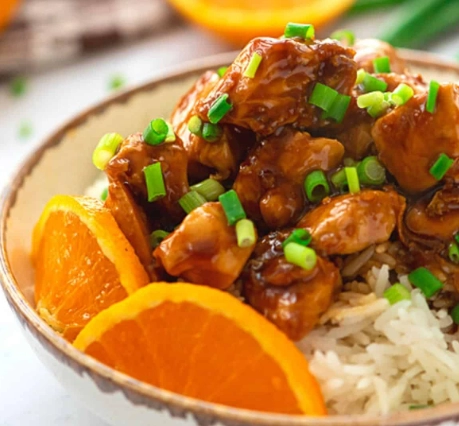
Your Orange Sauce Questions, Answered
Over the years, I've gotten the same questions from friends and readers. Here are the real, practical answers based on experience, not just theory.
The journey to perfect homemade orange chicken sauce is really about embracing a little experimentation. Start with the core recipe, then make it your own. A bit more ginger? A dash of heat? It's all in your control now. Ditch the delivery app—the best version is waiting for you in your own kitchen.
Reader Comments