Quick Navigation
You know that feeling. You walk into the grocery store or the farmers market in May, and there's this weird transition happening. The apples from last fall are looking a bit tired, but the summer superstars aren't quite here yet. So what do you buy? What's actually in season, tasting its absolute best, and worth your money this month? That's what we're here to figure out.
I used to just grab whatever looked red and hope for the best. Sometimes it worked, sometimes I ended up with a cardboard-tasting strawberry that cost a small fortune. Not anymore. After years of hitting up markets and even trying (and mostly failing) to grow a few things myself, I've gotten a feel for the rhythm of May fruits.
This isn't a scientific journal. It's more like the notes I wish I had years ago. We'll talk about what you'll actually find, how to pick the good stuff, and what to do with it so it doesn't go bad in your fridge. Simple as that.
The Headliners: The Fruits May is Famous For
May has its own crew of reliable performers. These are the fruits hitting their peak stride, the ones you can reliably find with good flavor this time of year.
Strawberries: The Undisputed King of May
For a lot of people, May fruits mean strawberries, full stop. This is their prime month in many regions. The days of the giant, white-cored, flavorless berries are (hopefully) behind us for a few months.
What you want are berries that are uniformly red, no white or green shoulders. The caps should be fresh and green, not wilted. A good strawberry smells like... well, a strawberry. Intensely sweet and fragrant right at the stem. If they don't smell like anything, they won't taste like anything either. A little trick I learned from a farmer: the smaller, often slightly irregular berries are frequently more flavorful than the massive, perfect ones. They've put more energy into sugar than into size.
And here's a personal gripe: those plastic clamshells are the worst. They trap moisture and speed up mold. If you can buy them loose from a bin, do it. You can pick each one and avoid the one mushy berry that ruins the whole box.
Cherries: The Short-Lived Jewel
Late May is when the first cherries start to appear, and it's an event. They're expensive, but the early ones have a special excitement. We're mostly talking about sweet cherries (Bing, Rainier) right now. Sour cherries for pies come a bit later.
Look for cherries with firm, glossy skin and flexible, green stems. The stem is a big tell. If it's dry and brittle, the cherry is old. A good cherry should be firm to the bite, not soft. Color is important too—deep, even color for dark varieties, a sunny blush for Rainiers. Avoid any with bruises or cuts.
They don't ripen after picking, so what you buy is what you get. Eat them fast. Seriously. They might last two, maybe three days in the fridge in a breathable container. Don't wash them until you're ready to eat, or they'll get mushy.
Apricots: The Fickle Early Bird
Ah, apricots. The first stone fruit of the year, and they can be so disappointing. Finding a good apricot in May is a minor victory. Too often, they're picked rock-hard and never develop that lush, honeyed flavor. They should have a rich orange color with maybe a rosy blush, no green. They should yield slightly to a gentle squeeze at the seam, like a ripe avocado.
If they're hard, you can try ripening them on the counter in a paper bag. Sometimes it works, sometimes you just get a soft, mealy apricot. It's a gamble. When you find a good one, though? Pure bliss. They taste like sunshine.
The Supporting Cast: Other May Fruits Worth Your Time
Beyond the big names, May offers some other fantastic options that are often overlooked.
Rhubarb: The Vegetable Posing as a Fruit
Technically a vegetable, but we all treat it like a fruit, and its peak season is spring. By May, the stalks are nice and thick. Look for crisp, firm stalks with a deep red or pink color—the redder the stalk, the sweeter and less stringy it tends to be. Avoid limp or wilted stalks.
Remember, only the stalk is edible. The leaves are poisonous. Just chop them off and toss them. Rhubarb is almost always cooked with a lot of sugar (it's intensely tart) into pies, crumbles, or compotes. It pairs magically with strawberries, which is why you see so many strawberry-rhubarb recipes this time of year.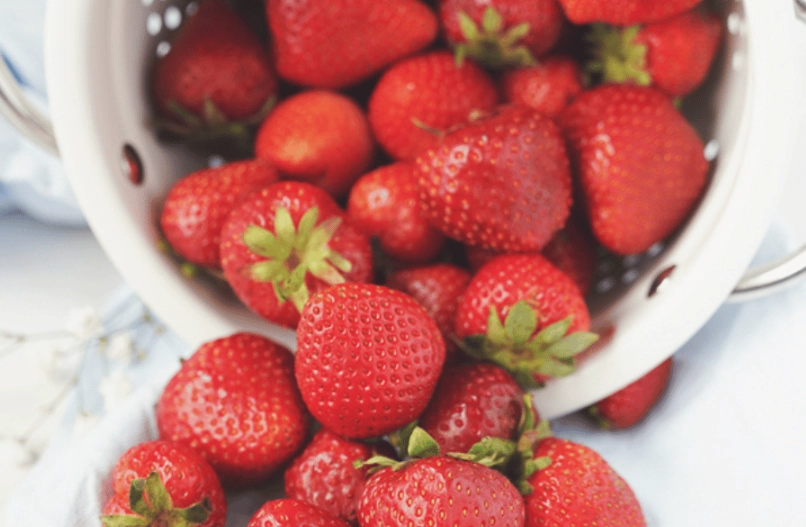
Pineapple
While tropical fruits don't have a "season" in the traditional sense, the peak harvest for pineapples from Central America often runs from March to July, making May a great time to find sweet, affordable ones. Forget pulling leaves. The best test is smell. Sniff the base—it should smell sweet and fragrant, like pineapple. If it smells like nothing, it will taste like nothing. The shell should be golden brown, not mostly green, and the fruit should feel heavy for its size and have a slight give when squeezed.
The First Peaches and Nectarines
At the very tail end of May, in warmer climates, you might start to see the very first peaches and nectarines. Be cautious. These are often early varieties picked too early to withstand shipping. They can be hard and flavorless. If you're going to try them, use the same test as apricots: color and gentle give. Your best bet for amazing stone fruit is usually to wait a few more weeks until June and July.
The No-Fail Guide to Picking and Storing May Fruits
This is the practical stuff. The info that saves you money and frustration.
Let's break it down fruit by fruit in a way that's easy to reference. I live by lists like this when I'm shopping.
| Fruit | How to Pick the Best | How to Store It (to make it last) |
|---|---|---|
| Strawberries | Deep red color, fragrant smell, fresh green caps, avoid mushy spots or leaking juice in container. | Don't wash until ready to eat. Remove any bruised berries. Store in a single layer on a paper towel in a breathable container in the fridge. Eat within 2-3 days. |
| Cherries | Glossy, firm skin. Green, flexible stems. Heavy for their size. Avoid wrinkles or soft spots. | Keep them cold and dry. Store unwashed in a breathable bag or container in the fridge. Wash just before eating. |
| Apricots | Rich orange color, slight give at the seam. Fragrant. Avoid green tinges or rock-hard fruit. | If ripe, eat immediately or refrigerate for a day. If firm, ripen at room temp in a paper bag. Check daily. |
| Rhubarb | Crisp, firm stalks. Deep red/pink color is best. Leaves should look fresh (but you'll discard them). | Wrap stalks loosely in plastic wrap and store in the fridge crisper drawer. Can last up to a week. |
| Pineapple | Sweet smell at the base, golden-brown shell, heavy weight, leaves should be dark green and fresh. | Whole pineapple can sit on the counter for 1-2 days. Once cut, store chunks in an airtight container in the fridge for 3-4 days. |
What about freezing? If you get a great deal on strawberries or cherries, freezing is a fantastic option. For strawberries, wash, hull, and slice them. Lay them in a single layer on a baking sheet to freeze solid, then transfer to a freezer bag. This prevents a giant frozen clump. Cherries can be pitted (a pain, but worth it) and frozen the same way. You'll thank yourself in January.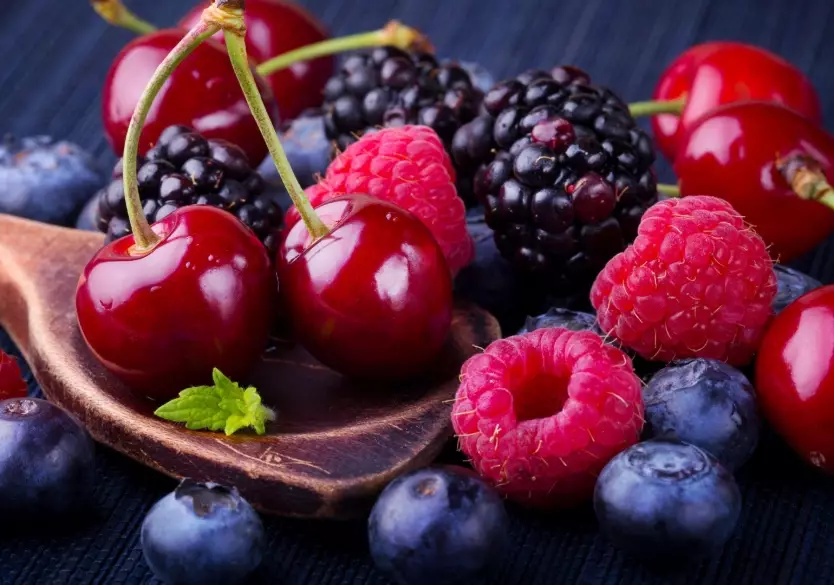
Why Bother with Seasonal May Fruits Anyway?
It's a fair question, especially when you can get strawberries from Mexico in December.
First, and most obvious, is flavor. A strawberry grown locally and picked ripe in May is a completely different food product than one bred for shipping, picked pale, and hauled thousands of miles. The sugar, the aroma, the texture—there's no comparison. It's the difference between a fresh, garden tomato and a pale, grocery-store one.
Second, nutrition. Fruits allowed to ripen fully on the plant generally develop higher levels of vitamins, antioxidants, and other beneficial compounds. The USDA's Agricultural Research Service has plenty of data on how growing conditions and harvest time affect nutrient density. Simply put, peak-season produce is often more nutritious.
Third, cost. When there's a glut of something in season, the price usually drops. You'll pay a premium for the first cherries of May, but as more come to market, the price often becomes more reasonable. Buying what's abundant is easier on your wallet.
Finally, there's something just... nice about it. Eating with the seasons connects you to the rhythm of the year. A ripe peach in August, a crisp apple in October, and these bright, juicy May fruits in spring. It gives you something to look forward to.
Okay, I Bought It All. Now What Do I Do With It?
Beyond just eating them out of hand, here are some dead-simple ideas to use up your haul of May fruits before they turn.
- The Simple Compote: Got berries that are a bit soft? Toss them in a pot with a tiny splash of water or orange juice and a tablespoon of sugar or honey. Simmer for 10 minutes until saucy. Amazing on yogurt, ice cream, oatmeal, or pancakes.
- The Lazy Freezer Jam: With strawberries, you can make a quick freezer jam with no canning required. Mash berries, mix with pectin and sugar, jar it up, and freeze. It retains that fresh berry flavor perfectly.
- Cherries in Liquor: Pit some cherries and submerge them in a jar of brandy, rum, or even bourbon with a little sugar. Seal it up and let it sit in a dark cupboard for a few weeks. You get boozy cherries for cocktails or desserts, and the infused liquor is fantastic too.
- Grilled or Roasted Stone Fruit: If your apricots or early peaches are firm, halve them, remove the pit, brush with a little honey or maple syrup, and throw them on the grill or roast them in a hot oven until caramelized. Serve with a scoop of vanilla ice cream. It transforms mediocre fruit into something spectacular.
- Rhubarb Syrup: Chop rhubarb, cover with water and sugar, simmer until it falls apart. Strain. You now have a brilliantly pink, tart syrup for soda water, cocktails, or drizzling over desserts.
The goal isn't fancy recipes. It's about not wasting food and maximizing flavor with minimal effort.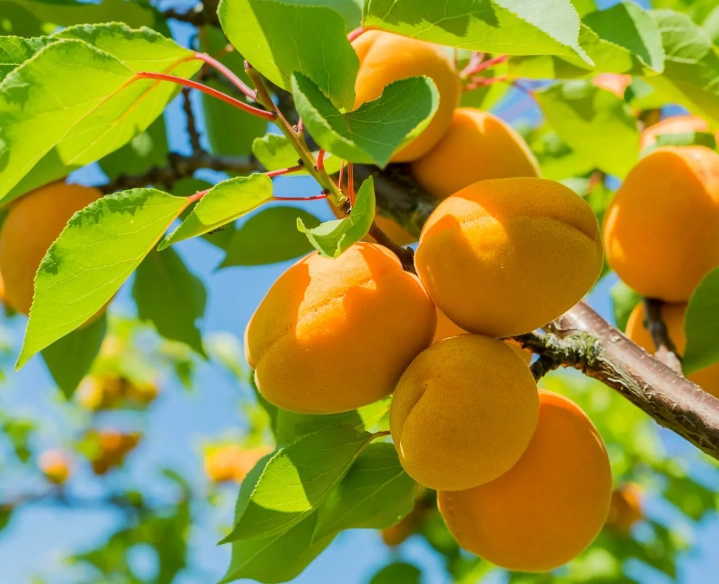
Questions You Might Be Asking About May Fruits
A Few Parting Thoughts on the May Harvest
Navigating the world of May fruits doesn't need to be complicated. It's really about tuning in a little. Use your senses—look for good color, smell for fragrance, feel for the right firmness. Start with the stars of the month: strawberries and the first cherries. Be adventurous with rhubarb. Be patient with stone fruit.
Don't feel pressured to buy everything. Maybe this week, you just get a perfect pint of strawberries and savor them. Next week, try some cherries. The point of seasonal eating is enjoyment, not a checklist.
If you want to dive deeper into specific varieties or growing regions, organizations like the California Strawberry Commission or the National Cherry Festival have loads of grower-focused information that can add another layer to your understanding.
Most importantly, have fun with it. A perfect piece of fruit is one of life's simple, cheap pleasures. And in May, the odds of finding one are definitely in your favor.
Reader Comments