Quick Navigation: Your Guide Inside
- Why Caesar Dressing is a Calorie Bomb: Breaking Down the Ingredients
- Calories in Caesar Dressing: A Side-by-Side Look
- The Full Picture: Calories in an Entire Caesar Salad
- How to Enjoy Caesar Salad Without the Calorie Guilt
- Answering Your Caesar Dressing Calorie Questions
- The Final Toss: Knowledge is Power
You know the scene. You're trying to be good, you order a salad for lunch, and you pick the Caesar because, well, it's a salad. It's got to be healthy, right? Then that creamy, garlicky, slightly tangy dressing arrives on the side (or worse, already tossed in), and a little voice in your head whispers... "How bad can it be?"
I've been there. I used to think I was making a smart choice. Until I started tracking what I was eating more closely and realized my "healthy" lunch was sometimes packing more calories than a burger. The culprit? Almost always the dressing. And Caesar is one of the main offenders.
Let's cut through the marketing and get real about salad with Caesar dressing calories. This isn't about making you feel bad for enjoying it. Honestly, I love the stuff. It's about understanding what you're eating so you can make informed choices, whether you're counting calories, watching your fat intake, or just curious.
The quick answer? A typical two-tablespoon serving of classic, restaurant-style Caesar dressing can contain anywhere from 150 to 180 calories. Sometimes even more. But that's just the dressing in a vacuum. The real story is what happens when you combine it with croutons, cheese, and that bed of romaine.
Why Caesar Dressing is a Calorie Bomb: Breaking Down the Ingredients
To understand the calorie count, you need to look at what's in the bottle (or the bowl, if it's made fresh). Traditional Caesar dressing isn't just oil and vinegar. It's a rich emulsion built on a few key, high-calorie players.
Oil: Usually olive oil or canola oil. This is the biggest contributor. One tablespoon of olive oil has about 120 calories. A classic recipe uses a lot of it.
Egg Yolk: The emulsifier that holds the oil and other ingredients together. Adds richness, fat, and calories.
Parmesan Cheese: Grated Parmigiano-Reggiano adds that salty, umami punch. More fat, more calories.
Anchovies: The secret flavor backbone. Minimal calories here, but crucial for authenticity.
Garlic, Lemon Juice, Worcestershire Sauce: These add flavor with negligible calories.
See the pattern? The base is pure fat. Delicious, satisfying fat, but fat nonetheless. And at 9 calories per gram, fat is the most calorie-dense macronutrient. That's why even a small amount of dressing carries a heavy caloric load.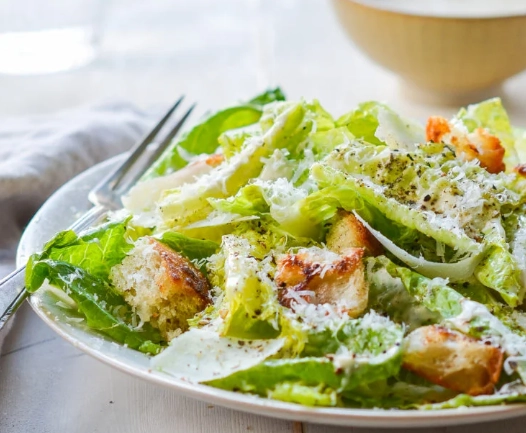
Here's a personal gripe: many chain restaurants use pre-made dressings that substitute cheaper oils, add extra sugar for balance, and use preservatives. This can sometimes make the calorie count even higher and the nutritional profile worse than a simple homemade version. Always ask if you can!
Calories in Caesar Dressing: A Side-by-Side Look
Not all dressings are created equal. A "light" version is vastly different from a gourmet brand. Let's put some numbers on the table. This data is pulled from standard nutrition labels and databases like the USDA's FoodData Central, which is a fantastic resource for checking this stuff yourself.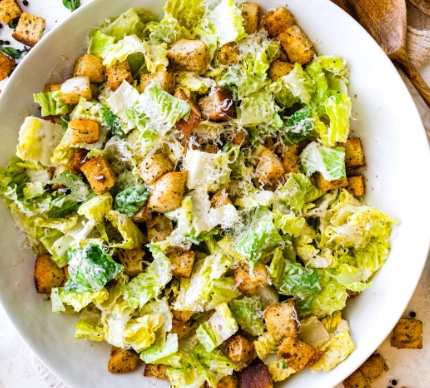
| Type of Caesar Dressing (2 tbsp serving) | Approximate Calories | Total Fat (g) | Key Notes |
|---|---|---|---|
| Classic Restaurant-Style (Creamy) | 160 - 200 | 17 - 22 | The standard. High in fat, often contains egg yolk. |
| Store-Bought, Regular (e.g., Cardini's, Newman's Own) | 140 - 180 | 15 - 18 | Consistent but watch for added sugars and stabilizers. |
| "Light" or Reduced-Fat Version | 60 - 90 | 5 - 9 | Calories slashed, but texture/flavor can be watery or artificial. |
| Yogurt-Based Caesar | 70 - 100 | 6 - 8 | Uses Greek yogurt for creaminess. My go-to for a healthier fix. |
| Vegan Caesar (Cashew-based) | 120 - 150 | 12 - 14 | Calories from nuts. Can be very rich and satisfying. |
Look at that range! From 60 to 200 calories for the same-sized spoonful. That's a massive difference. It explains why simply searching for "salad with caesar dressing calories" can give you such confusing answers. You have to know *which* Caesar dressing you're talking about.
The Full Picture: Calories in an Entire Caesar Salad
Okay, but who eats just the dressing? Let's build a salad. This is where things get really interesting, and where most people's estimates go out the window. A standard restaurant Caesar salad isn't just lettuce and a drizzle.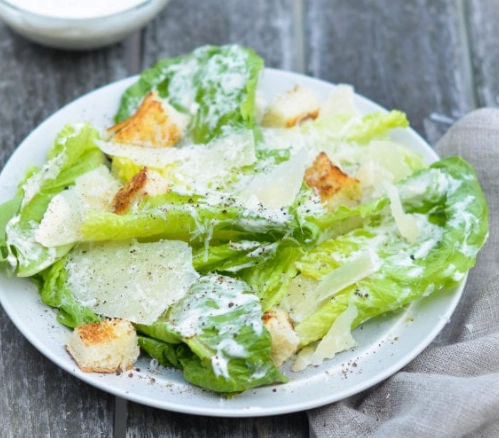
Here’s a typical breakdown for a full-sized, entrée Caesar salad:
- Romaine Lettuce (3 cups): ~15 calories (Basically nothing. The hero of the story.)
- Croutons (1 cup): ~120-180 calories (These are little toasted bread cubes soaked in oil and seasoning. Major calorie adder.)
- Parmesan Cheese (shaved, 1/4 cup): ~110 calories
- Caesar Dressing (3-4 tbsp, often more if pre-tossed): ~240-320 calories (Yes, they usually use more than the standard 2 tbsp serving.)
- Optional: Grilled Chicken (4 oz): ~180-220 calories (Adds protein, which is great, but adds to the total.)
Do the math. A basic salad with Caesar dressing calories total, without protein, can easily land between 485 and 625 calories. Add chicken, and you're looking at 665-845 calories. Suddenly, that "light" salad option has the calorie equivalent of a large slice of pizza or a substantial sandwich. Mind-blowing, right?
It's not inherently "bad." It's a meal with calories that provide energy. The issue is the surprise factor and the potential for it to be high in saturated fat and sodium while being relatively low in fiber (unless you eat all that romaine).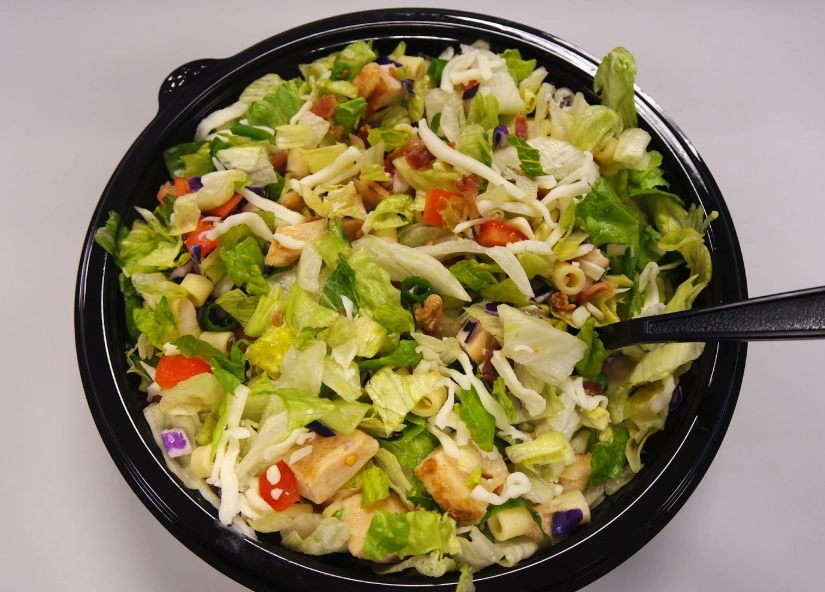
How to Enjoy Caesar Salad Without the Calorie Guilt
Don't swear off Caesar salad forever. That's no way to live. Instead, let's talk strategy. How can you manage the calories in Caesar salad and still enjoy it?
Be the Boss of Your Portions
This is the single most effective trick. Ask for the dressing on the side. Always. Use a fork-dip method: dip the tines of your fork into the dressing before spearing a bite of salad. You'll use a fraction of the dressing but get flavor in every bite. I promise you won't miss the pool of dressing at the bottom of the bowl.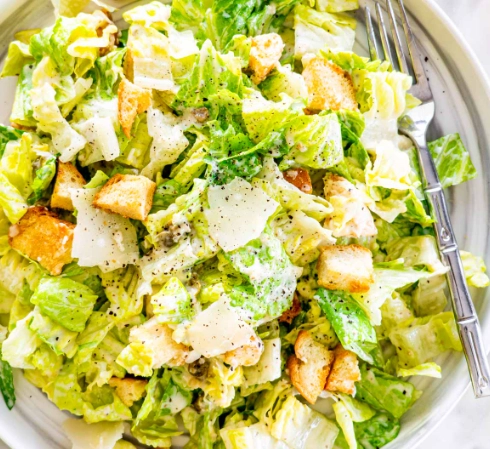
Rethink the Components
Can we negotiate with the croutons? Maybe ask for half the usual amount. They add crunch but not much nutritional value. Instead, consider adding other crunchy elements like a few toasted almonds or sunflower seeds for healthy fats and fiber.
Embrace the "Light" or DIY Swap
If you're buying dressing, give a reputable "light" version a try. Or, better yet, make your own lower-calorie version. It's easier than you think and tastes infinitely better than most bottled light dressings.
My favorite hack? A yogurt-based Caesar. Blend one Greek yogurt (plain, non-fat), a clove of garlic, a tablespoon of lemon juice, a teaspoon of Dijon mustard, a few mashed anchovy fillets (or a dash of Worcestershire sauce), and a generous sprinkle of parmesan. Thin it out with a tiny bit of water or milk. It's creamy, tangy, packed with protein, and clocks in at about 45 calories per two-tablespoon serving. It's a game-changer for salad with caesar dressing calories concerns.
Load Up on the Greens (and More)
Build a bigger base. Start with a huge bowl of romaine. Add other non-starchy veggies like cucumbers, bell peppers, or cherry tomatoes. They'll add volume, nutrients, and fiber for almost no calories, making the salad more filling and balancing out the richer components.
Answering Your Caesar Dressing Calorie Questions
Is Caesar dressing or Ranch higher in calories?
They're often in the same heavyweight category. Classic ranch dressing, also built on a mayo/sour cream base, typically has 140-160 calories per 2 tbsp. So, it's a very close race. The difference is often negligible. The problem with both is the same: we tend to use too much.
What has more calories: Caesar dressing or Italian?
This is a no-contest win for Caesar. A standard oil-and-vinegar Italian dressing has about 80-100 calories per 2 tbsp because it's primarily just oil, vinegar, and herbs. It's a much lighter option if you're purely comparing caesar dressing calories to other types.
Can Caesar dressing fit into a weight loss diet?
Absolutely. No food is off-limits. It's all about portions and frequency. If you love it, budget for it. Use the strategies above—side dressing, portion control, lighter recipes. The folks at the Mayo Clinic always emphasize sustainable habits over deprivation. A carefully portioned Caesar salad can be a satisfying part of a balanced diet.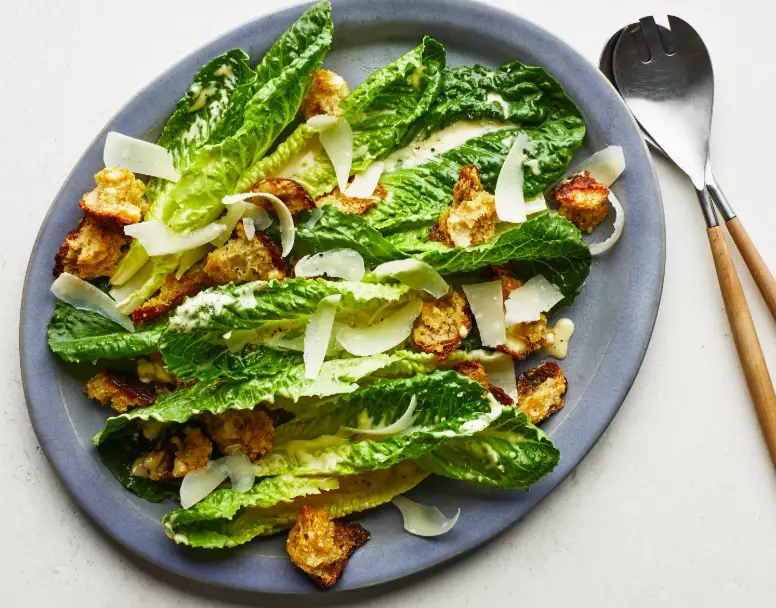
Why does my homemade Caesar dressing seem less creamy than restaurant versions?
You're probably not using enough oil, or you're not emulsifying it properly. A true emulsion (where the oil and watery ingredients are perfectly blended) is thick and creamy. Restaurants also sometimes add a touch of mayonnaise to guarantee that creamy texture and stability, which adds... you guessed it, more calories.
The Final Toss: Knowledge is Power
So, what's the real deal with salad with Caesar dressing calories?
It's a high-calorie, high-fat dressing that can turn a simple plate of greens into a calorie-dense meal. But that doesn't make it a villain. It makes it a condiment that demands respect.
The goal here isn't to scare you away from something delicious. It's to give you the information you were looking for when you typed that search. Now you know that the calories can vary wildly. You know that the full salad's count is what really matters. And you have a handful of simple, practical tricks to enjoy it in a way that aligns with your goals.
Next time you're faced with that menu or standing in your kitchen, you can make a choice you feel good about. Maybe you'll go all-in on the classic version because it's a treat day. Maybe you'll ask for dressing on the side. Or maybe you'll whip up that yogurt version I mentioned.
Just don't be that person who thinks they're having a "diet" meal because it's called a salad. Salads can be incredibly nutritious and light, or they can be decadent, rich meals in a bowl. A Caesar salad tends to be the latter. And there's absolutely nothing wrong with that, as long as you're eating it with your eyes wide open.
Happy (and informed) eating!
Reader Comments