Quick Navigation
- Why Apple Choice Makes or Breaks Your Pie
- The Top Tier: Your Go-To List of Good Apples for Pie Baking
- The Flavor Balance Chart
- The Apples to Approach with Caution (Or Avoid Altogether)
- How to Select and Store Your Pie Apples
- Preparing Your Apples: More Than Just Slicing
- Answering Your Pie Apple Questions (FAQs)
- Beyond the Basics: Advanced Tips for the Obsessed Baker
Let's get straight to the point. You can follow the most celebrated apple pie recipe to the letter, use the fanciest butter, and craft the most beautiful lattice top—but if you start with the wrong apples, you're setting yourself up for disappointment. I learned this the hard way, with a pie that looked like a masterpiece but collapsed into a mushy, overly sweet pool the moment I cut into it. The filling was watery, the flavor one-dimensional. It was a sad day.
That experience sent me down a rabbit hole. What actually makes an apple good for pie baking? It's a question that seems simple but has layers (pun intended). It's not just about sweetness or tartness in isolation. It's about how the apple behaves under heat, how its texture holds up, how its juices interact with sugar and spice, and ultimately, how it balances on your fork between the crust. Finding those truly good apples for pie baking is the secret first step that many bakers overlook.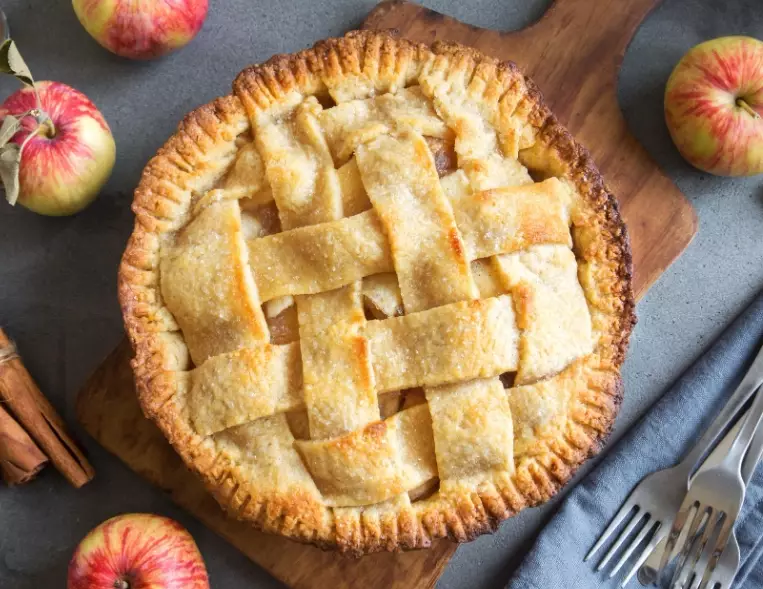
Why Apple Choice Makes or Breaks Your Pie
Think of your apple filling as a team sport. Each apple variety brings a different skill set to the game. Some are the star scorers (big flavor), some are the tough defenders (structure), and some are the playmakers (juice and binding). When you understand what you're working with, you can build a championship team.
The core factors—literally—are:
- Acidity & Sweetness: This is the flavor backbone. A pie made from only super-sweet apples can taste flat and cloying. Acid provides that bright, tangy counterpoint that makes the flavor "pop" and keeps it from being boring.
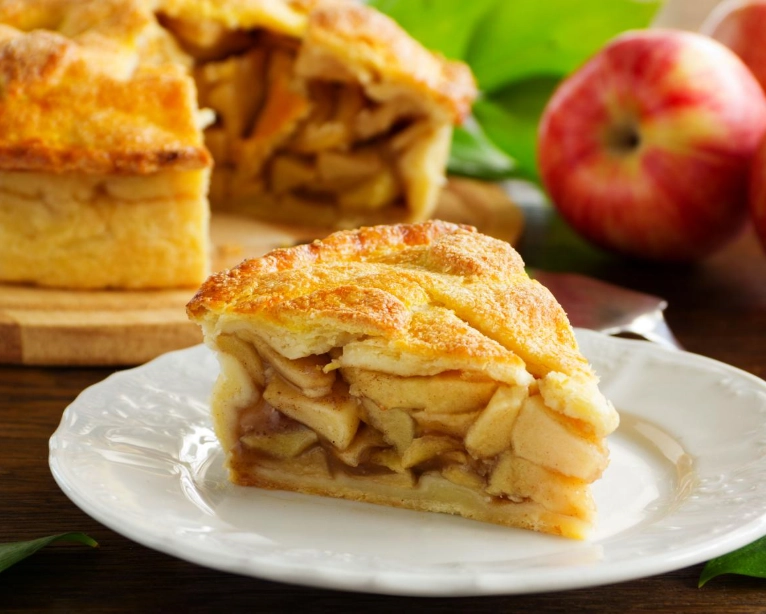
- Texture & Structure: Will the apple turn to baby food or hold its shape? You want an apple that softens beautifully but retains some definition, giving the filling a pleasing, substantial mouthfeel. No one wants apple sauce pie.
- Moisture Content: This is the sneaky one. High-moisture apples release a flood of juice, which is the primary culprit behind the dreaded soggy bottom crust. The right apples release just enough juice to create a luscious, glossy binding without turning the crust to leather.
The Top Tier: Your Go-To List of Good Apples for Pie Baking
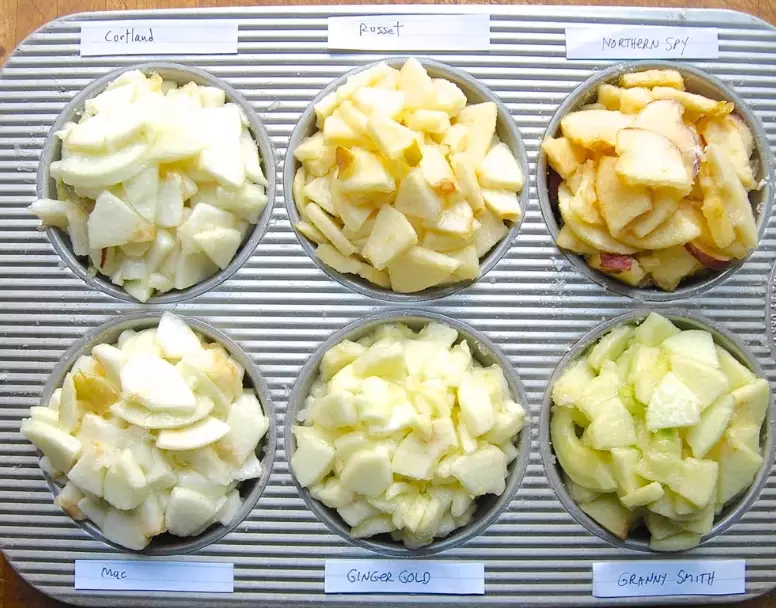
Based on flavor, texture, and reliability, here are the varieties that consistently earn their spot in the pie hall of fame. I've ranked them not just on popularity, but on how they perform in the actual baking process.
| Apple Variety | Flavor Profile | Texture When Baked | Juice Level | Best Used For |
|---|---|---|---|---|
| Granny Smith | Very tart, bright, crisp | Holds shape very well, softens nicely | Medium | The classic "pie apple." Essential for balance, especially when mixed with sweeter types. |
| Honeycrisp | Intensely sweet with mild acidity | Softens but keeps some integrity, can get a bit soft | High | A fantastic sweet component. Their high sugar means you can often reduce added sugar in the recipe. |
| Braeburn | Perfect sweet-tart balance, spicy notes | Excellent structure, holds its form superbly | Medium | An all-star solo performer or team player. My personal favorite for a reliably good pie. |
| Jonagold | Sweet with honeyed notes, mild tartness | Tender, breaks down slightly more | Medium-High | A great Jonathan-Golden Delicious cross. Wonderful flavor, but best mixed with a firmer apple. |
| Northern Spy | Tangy, complex, aromatic | Firm, holds shape exceptionally well | Medium | The gold standard for many old-school bakers. Harder to find but worth the hunt. |
| Pink Lady (Cripps Pink) | Tangy-sweet, vibrant | Very firm, holds up beautifully | Low-Medium | Great for neat slices and a filling that doesn't shrink much. A modern favorite. |
The Flavor Balance Chart
Think of building your pie flavor like mixing a cocktail:
- For a Bold, Tart Pie: Use 2/3 Granny Smith, 1/3 Honeycrisp.
- For a Perfectly Balanced Pie: Use equal parts Braeburn and Jonagold.
- For a Rich, Sweet Pie with Complexity: Use 2/3 Honeycrisp, 1/3 Pink Lady.
Mixing two or even three varieties is the single best pro-tip for achieving depth of flavor and ideal texture. It's how you create a truly memorable filling with those good apples for pie baking.
The Apples to Approach with Caution (Or Avoid Altogether)
Not all apples are created equal for the pie plate. Some are better saved for the lunchbox or applesauce.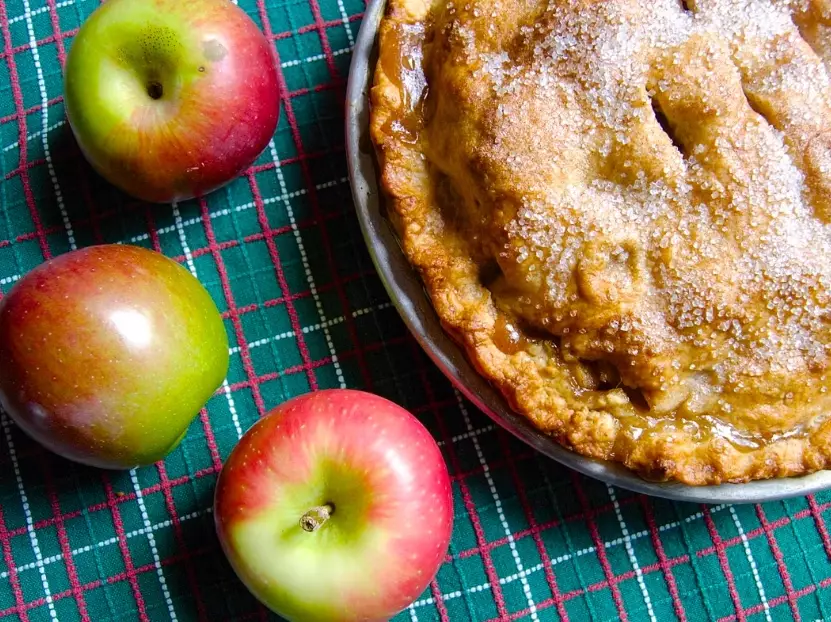
Proceed with Care:
Golden Delicious: They have a lovely, mild flavor but can become almost flavorless and overly soft when baked. If you use them, mix with a very tart, firm apple and don't overcook.
Red Delicious: Just don't. I'm serious. They're mealy, lack acidity, and turn into a grainy, bland mush. They are the antithesis of good apples for pie baking. Save them for decoration.
Fuji & Gala: Very sweet and pleasant raw, but they lack the acid punch needed for pie and can become mushy. They can work as a small part of a blend if you're in a pinch, but they're not ideal.
I made a pie once with mostly Gala apples because they were on sale. Big mistake. The filling was so sweet it was almost sticky, and the texture was uninterestingly uniform. It lacked that bright spark.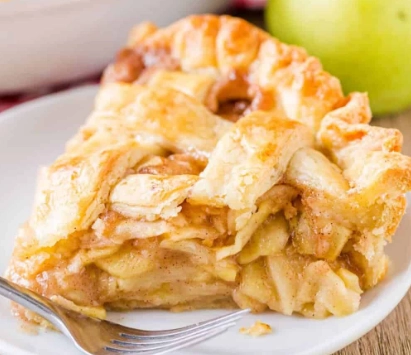
How to Select and Store Your Pie Apples
Picking the right variety is half the battle. Picking good specimens of that variety is the other half.
At the Store or Orchard:
- Feel them: They should feel firm and heavy for their size. Heaviness indicates juiciness.
- Look them over: Avoid apples with bruises, soft spots, or wrinkled skin. A few superficial scuffs are fine, especially for heirloom varieties.
- Smell them: A good baking apple often has a fragrant, apple-y smell at the stem end.
Storage for Optimal Flavor:
If you're not baking immediately, store apples in the crisper drawer of your refrigerator. The cold slows down ripening and keeps them firm. For long-term storage of a big orchard haul, some resources from university agricultural extensions, like this general produce storage guide from the University of California, can give you science-backed tips on maximizing freshness. Apples give off ethylene gas, which can ripen (and eventually spoil) other produce, so keep them in a separate bag if possible.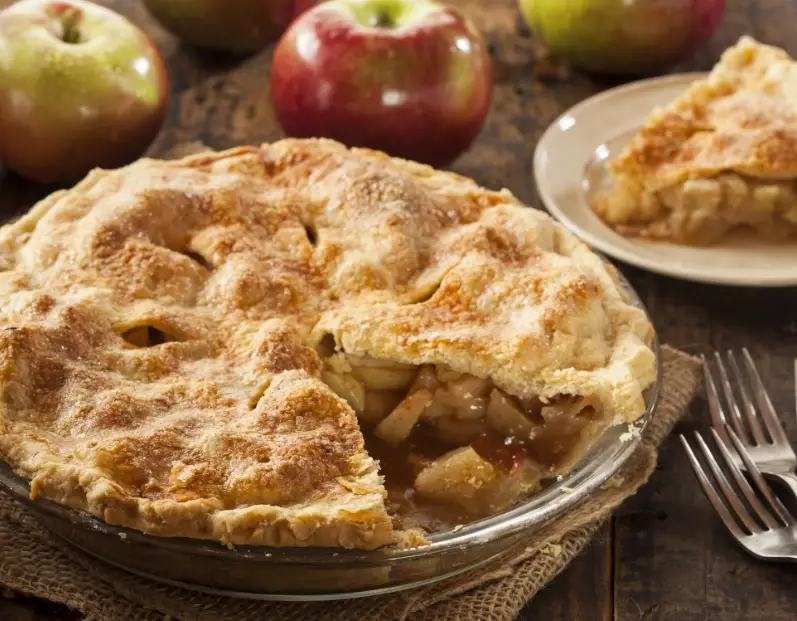
A Critical Tip:
Use older apples! This sounds counterintuitive, but a freshly picked, ultra-crisp apple straight from the tree has the highest pectin content. Pectin is a natural thickener. As apples age slightly (a week or two in cool storage), some of the pectin breaks down into sugar, which actually makes them sweeter and helps them soften more evenly during baking. That bag of apples you forgot about in the back of the fridge? They might be perfect.
Preparing Your Apples: More Than Just Slicing
How you prep directly impacts the final texture of your filling.
- To Peel or Not to Peel? This is a personal choice. Peels add color, fiber, and a slight textural contrast. However, they can sometimes separate from the apple flesh and curl up in the filling. For a completely smooth, classic texture, peel. For a more rustic, hearty pie with added nutrients, leave them on. I usually peel for a traditional pie, but leave them on for a crumble or crisp.
- Slice Thickness: Aim for consistent slices, about 1/4-inch thick. Too thin, and they'll disintegrate. Too thick, and they might not cook through evenly, leaving hard spots.
- The Pre-Treatment (The Anti-Browning Step): As you slice, toss the apples in a big bowl with a little lemon juice or apple cider vinegar diluted in water. This prevents ugly browning and adds a tiny bit of extra acid. Don't worry—the lemon flavor bakes out.
The Secret to Preventing a Soupy Filling
This is the question I get asked the most: "How do I keep my pie from being a watery mess?" The answer isn't just about the apple choice, but what you do with them before they go in the crust.
- Maceration: After slicing, toss your apples with the sugar and salt called for in your recipe. Let them sit for 30 minutes to an hour. The sugar draws out a significant amount of juice from the apples.
- Drain and Reduce: Pour the accumulated juice into a small saucepan. Boil it down until it's a thick, syrupy glaze. This concentrates the flavor immensely.
- Recombine: Let the syrup cool slightly, then toss it back with the apples along with your spices and thickener (flour, cornstarch, or tapioca). Now you've removed excess liquid and added back intense flavor, giving your thickener a head start.
This method takes extra time but is an absolute game-changer. It's the difference between a good pie and a great pie.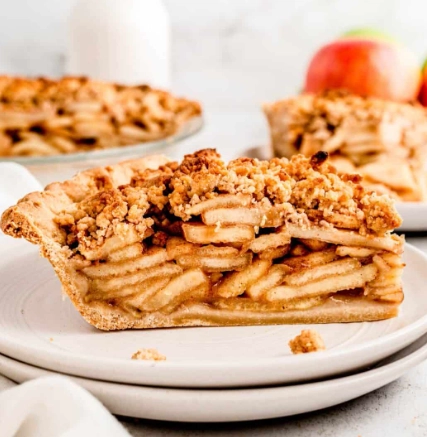
Answering Your Pie Apple Questions (FAQs)
Can I use store-bought pre-sliced apples?
You can, but I wouldn't recommend it for your star baking event. They're often treated with preservatives that can affect texture and flavor, and you have no control over the variety or slice thickness. For the best results, slicing your own is worth the effort.
Are organic apples better for pie?
Not necessarily for baking performance. The choice between organic and conventional is more about personal preference regarding pesticide use. Focus on the variety and quality of the apple first. A firm, flavorful conventional Braeburn will make a better pie than a mushy organic Red Delicious.
My filling is always dry. What am I doing wrong?
Dry filling usually points to three issues: 1) Overbaking, which evaporates all the juice. 2) Using an apple that's too low in moisture (like some older storage apples). 3) Using too much thickener (flour/cornstarch). Try the maceration method above—it preserves the right amount of internal moisture. Also, don't skip the dotting of butter over the filling before adding the top crust; it adds richness and moisture.
What's the best thickener for apple pie?
It's a holy war among bakers. Flour is traditional but can leave a slightly cloudy filling. Cornstarch sets clear and shiny but can break down if overcooked or reheated. Instant Tapioca (the minute kind, ground to a powder) is my favorite—it sets clear, holds well, and doesn't impart flavor. Start with about 3 tablespoons for a standard 9-inch pie and adjust based on the juiciness of your apples.
How many apples do I need for one pie?
This is the eternal question. A safe bet is about 2 to 2.5 pounds of whole apples, which will yield roughly 6 to 7 cups of sliced apples. It always feels like a mountain of raw slices, but they cook down significantly. It's better to have a slightly heaping pie than a skimpy one.
Beyond the Basics: Advanced Tips for the Obsessed Baker
Once you've mastered the apple selection, here's how to level up.
- The Cider Soak: Instead of a lemon-water bath, try soaking your slices in fresh, unfiltered apple cider for 10-15 minutes before macerating. It intensifies the apple flavor in a way that's just magic.
- Spice Strategy: Add a tiny pinch of black pepper to your cinnamon and nutmeg. It sounds weird, but it highlights the warmth of the spices and adds a subtle complexity that people can't quite place.
- Fat in the Filling: A tablespoon of bourbon, calvados (apple brandy), or even a dark rum tossed with the apples adds an incredible depth of flavor that balances sweetness.
Finding and using the right good apples for pie baking is the most impactful decision you'll make. It transforms the process from following a recipe to understanding a craft. It turns a simple dessert into something with layers of flavor and perfect texture. Start with a blend of a tart and a sweet apple, try the maceration trick, and don't be afraid to taste your raw, sugared apples before they go in—that's the best predictor of your final flavor.
Now, go find some Braeburns and Honeycrisps and get baking. Your perfect pie is waiting.
Reader Comments