Jump to Key Sections
- What Are Raspberry Seeds, Really? A Botanical Breakdown
- Can You Eat Raspberry Seeds? Safety, Nutrition, and Texture
- From Seed to Bush: Can You Grow Raspberries from the Seeds?
- Raspberry Seeds in Cooking and Baking: To Strain or Not to Strain?
- Beyond the Berry: Other Uses for Raspberry Seeds
- Your Raspberry Seed Questions, Answered (FAQ)
- The Final Verdict on Raspberry Seeds
You're holding a raspberry, that perfect little jewel of a fruit, and you pop it in your mouth. There's that burst of sweet-tart flavor, followed by the unmistakable, slightly gritty texture. That texture makes you wonder, doesn't it? Do raspberries have seeds? It's one of those questions that seems obvious once you eat one, but the full story is way more interesting than just a yes or no.
I remember the first time my kid asked me that. We were picking raspberries at a local farm, and she was examining one with the seriousness of a scientist. "What are these little crunchy bits?" she asked. I gave her the simple answer, but later I fell down a rabbit hole trying to find out more. Turns out, most articles just stop at "yes, they're seeds" and move on. But what kind of seeds? Are they good for you? Can you plant them? Why do they feel like that? Nobody seemed to be putting all the pieces together.
So let's dig in. Not just a surface scratch, but a proper look at what's going on with raspberry seeds.
What Are Raspberry Seeds, Really? A Botanical Breakdown
To understand raspberry seeds, you need to understand what a raspberry actually is. This is where it gets cool. Botanically speaking, a raspberry isn't a single fruit like an apple or a peach. It's what's called an aggregate fruit.
The Drupelet: Your Raspberry's Building Block
Look closely at a raspberry. See all those little bubbly sections that look like they're glued together? Each one of those is called a drupelet. Think of a drupelet as a mini-fruit, a tiny package all by itself.
Now, here's the key part for our seed question: Inside every single drupelet is one tiny seed. That's right. The raspberry's structure is a genius design. The fleshy, juicy part we love to eat is the wall of each drupelet, and nestled safely inside that juicy package is the seed. When you ask "do raspberries have seeds," you're really asking about dozens of drupelets, each contributing its own seed to the overall texture.
This is different from, say, a strawberry. What we think of as strawberry "seeds" (the things on the outside) are actually the true fruits (achenes), and the red part is just swollen flower tissue. Raspberries are more straightforward—the good stuff is the fruit wall, and the seed is inside. It's a cleaner system, botanically.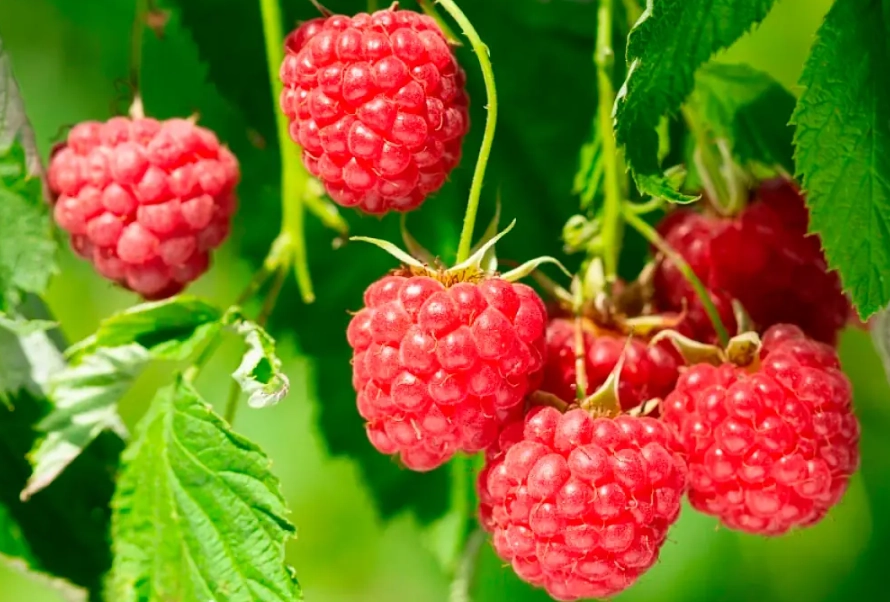
Can You Eat Raspberry Seeds? Safety, Nutrition, and Texture
This is probably the second biggest question right after "do raspberries have seeds." Are they safe? Are they good for you?
The straightforward answer is yes, raspberry seeds are perfectly edible and safe for the vast majority of people. You've been eating them your whole life if you eat raspberries. They pass through your digestive system without issue. In fact, from a nutritional standpoint, you probably should be eating them.
The Nutritional Power Packed in Those Tiny Seeds
Don't let their size fool you. Raspberry seeds are nutrient-dense. They're a good source of:
- Fiber: This is the big one. The seeds contribute significantly to the dietary fiber content of raspberries. Fiber is crucial for gut health, digestion, and keeping you feeling full. If you strain out the seeds, you're losing a major health benefit of the fruit.
- Healthy Fats: Raspberry seeds contain oil rich in Omega-3 and Omega-6 fatty acids. This oil is sometimes extracted and sold as a premium skincare product for its antioxidant properties.
- Ellagic Acid: This is a potent antioxidant and phytochemical that has been studied for its potential health benefits. Research from sources like the National Library of Medicine often highlights ellagic acid in berries.
- Vitamin E: An important antioxidant for skin and cell health.
| Nutrient Component | Found Primarily In | Key Benefit |
|---|---|---|
| Dietary Fiber | The seed's tough outer coat (and fruit flesh) | Promotes digestion & gut health |
| Omega-3 & 6 Fatty Acids | The oil inside the seed | Anti-inflammatory, skin health |
| Ellagic Acid & Antioxidants | Seed and fruit flesh | Cell protection, studied for various health potentials |
| Vitamin E | Seed oil | Antioxidant, supports skin |
The Texture Problem: Why Some People Remove Them
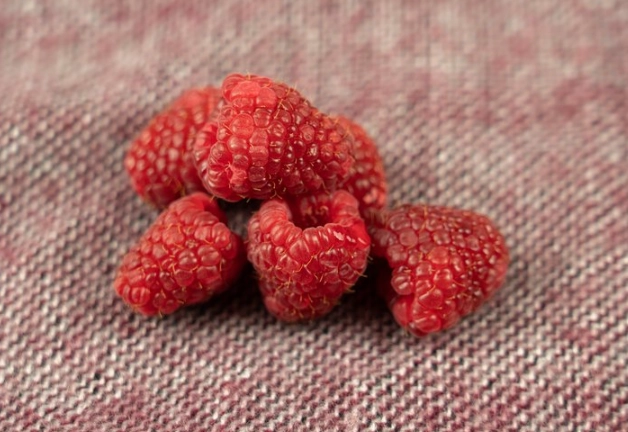
Let's be honest. The main reason anyone asks if raspberries have seeds isn't just curiosity—it's often because they find the texture annoying. That slight crunch or grittiness can be off-putting in certain dishes.
If you're making a smooth sauce, a silky coulis, a seedless jam, or a fine puree for a dessert, those seeds can ruin the mouthfeel. I tried making a raspberry vinaigrette once without straining, and the seeds kept clogging the mouth of my fancy bottle. It was a lesson learned.
So, how do you remove raspberry seeds? It's simple but a bit messy:
- Mash your raspberries thoroughly with a fork or puree them in a food processor.
- Press the mash through a fine-mesh sieve (a chinois is perfect for this) using the back of a spoon or a rubber spatula.
- What remains in the sieve is the pulp and seeds. What passes through is your beautiful, smooth, seedless raspberry puree.
The downside? You lose all that fiber and seed nutrition. It's a trade-off between texture and whole-food benefits.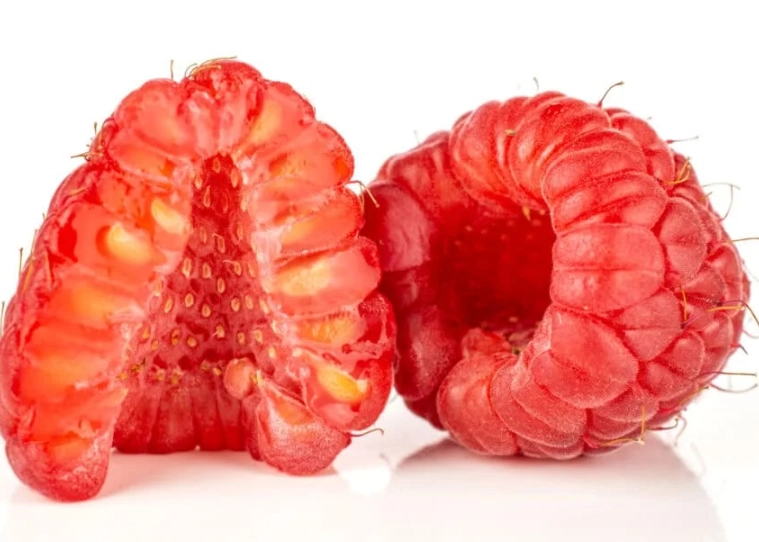
From Seed to Bush: Can You Grow Raspberries from the Seeds?
Another common thought when people discover that raspberries have seeds is, "Hey, can I plant these?" The answer is a qualified yes—but you probably shouldn't.
Technically, yes, you can grow a raspberry plant from the seeds inside a fresh berry. They are viable. The process involves cleaning the seeds (fermenting the pulp off, similar to tomato seeds), cold stratifying them (mimicking winter), and then patiently waiting for germination, which can be slow and unreliable.
Here's the big but:
Raspberries, like many cultivated fruits, do not grow "true to seed." This means the raspberry plant you get from a seed you saved will not be an exact clone of the parent plant. It could be inferior in taste, size, or hardiness. It's a genetic lottery. Commercial growers and serious gardeners always propagate raspberries through other methods:
- Root Cuttings/Dividing: Digging up and separating part of the root system of an established plant.
- Tip Layering: Bending a cane tip to the ground and burying it so it roots.
- Purchasing Bare-Root Canes: Buying dormant, established plant starts from a nursery. This is the best way for a home gardener to get a known, reliable variety.
If you're curious about the science of plant propagation, the University of Minnesota Extension has fantastic, practical guides on growing small fruits like raspberries.
Raspberry Seeds in Cooking and Baking: To Strain or Not to Strain?
This is the practical heart of the matter for a lot of home cooks. Knowing that raspberries have seeds is one thing; deciding what to do about it in your kitchen is another.
- Eating Fresh: Just eat them. The texture is part of the experience.
- Baking (Muffins, Cakes, Scones): The seeds get lost in the crumb and add nice little bursts of texture.
- Chunky Jams or Preserves: If you like a more rustic, homemade-style jam, seeds are expected and desirable.
- Smoothies: A good blender will pulverize them enough that they add fiber without being gritty.
- Compotes for Cheesecake or Yogurt: A bit of texture is usually fine here.
- Silky Sauces & Coulis: For drizzling over a white chocolate dessert or a perfectly plated panna cotta, you want smoothness.
- Seedless Jams & Jellies: Some people have a strong preference for the glass-smooth texture of seedless raspberry jam.
- Clear Syrups or Flavorings: For cocktails, sodas, or pancake syrup.
- Fine Pastry Fillings: Inside a delicate macaron or a filled chocolate, seeds can be an unpleasant surprise.
- Baby Food: For very young infants, you might want a completely smooth puree.
Beyond the Berry: Other Uses for Raspberry Seeds
Those little seeds aren't just for eating or planting. The oil extracted from raspberry seeds is a prized ingredient in the natural skincare and cosmetics world. It's lightweight, non-greasy, and packed with antioxidants and Vitamin E. You'll often find "raspberry seed oil" in high-end facial serums, moisturizers, and even sunscreens (it's said to have some natural SPF properties, though you should never rely on it alone for sun protection).
It's funny to think that the thing we sometimes try to strain out of our jam is being cold-pressed and sold for $30 an ounce in a skincare boutique.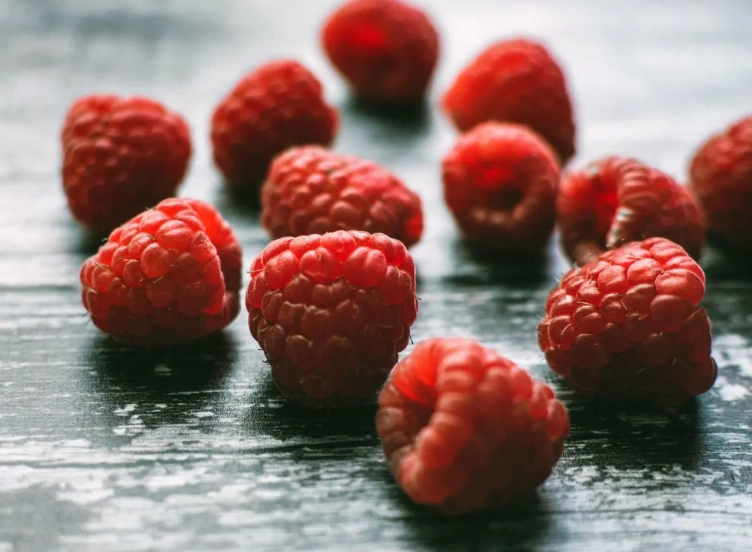
Your Raspberry Seed Questions, Answered (FAQ)
Let's tackle some of the specific, nitty-gritty questions people have when they search for info on raspberry seeds.
Are raspberry seeds hard to digest?
For most people with healthy digestive systems, no. The outer shell is fibrous but will pass through. They are a source of insoluble fiber, which adds bulk and helps move things along. If you have a very sensitive gut or a specific condition like IBS, you might find them irritating in large quantities—listen to your body.
Do blackberries have seeds like raspberries?
Yes, very similarly! Blackberries are also aggregate fruits made of drupelets, each with a seed inside. The seeds are often larger and more noticeable, which is why some people find blackberries even seedier. The same principles about edibility and nutrition apply.
Why are raspberry seeds on the outside?
They aren't, actually! This is a common optical illusion. The seeds are inside each individual drupelet. Because the drupelets are small and clustered together, and because the central core (the torus) stays on the plant when you pick a raspberry (unlike a blackberry), it can look like the seeds are exposed. But botanically, they are safely enclosed.
Can you buy seedless raspberries?
Not really. There are no commercially available, truly seedless raspberry varieties like there are seedless grapes or watermelons. The seed is fundamental to the fruit's structure. If you want a seedless product, you have to process it yourself by straining.
How many seeds are in one raspberry?
It varies by size and variety, but it's typically between 80 and 120 seeds. That's a lot of potential plants—or a lot of fiber—in one small bite.
The Final Verdict on Raspberry Seeds
Let's wrap this up. When you ask, "do raspberries have seeds," you're opening a door to botany, nutrition, cooking, and gardening.
The seeds are not a flaw; they're a feature. They're the reason the fruit exists from a plant's perspective. For us, they're a significant source of health benefits wrapped in a sometimes inconvenient texture.
My advice? For everyday eating, embrace the seeds. They're good for you, and they're part of what makes a raspberry a raspberry. Save the straining for those special occasions where presentation and ultra-smooth texture are paramount. And if you want to grow raspberries, save yourself the hassle—buy some healthy canes from a local nursery and plant them in a sunny spot.
The next time you eat a raspberry and feel that characteristic crunch, you'll know exactly what's going on. You're not just eating a fruit; you're eating a cluster of a hundred tiny fruits, each with its own little treasure inside. That's a lot more interesting than just a simple yes or no.
Reader Comments