Quick Guide
Let's be honest. Figuring out the perfect moment for when to harvest butternut pumpkins can feel like a weird guessing game. You've spent months watering, weeding, and watching those little vines sprawl all over the place. The last thing you want is to cut them too early and get a bland, starchy squash, or wait too long and find a mushy mess after the first frost hits. I've been there, staring at my garden, poking at the squash, and wondering, "Is it time?"
It's not just about the calendar date, though that's part of it. It's about reading the subtle signs the plant gives you. The good news? Once you know what to look for, it becomes almost intuitive. This guide is going to walk you through everything, from the obvious clues to the little tricks that make all the difference. We're talking color, sound, feel, and even the state of the vine itself. By the end, you'll have the confidence to pick every single butternut pumpkin at its absolute peak.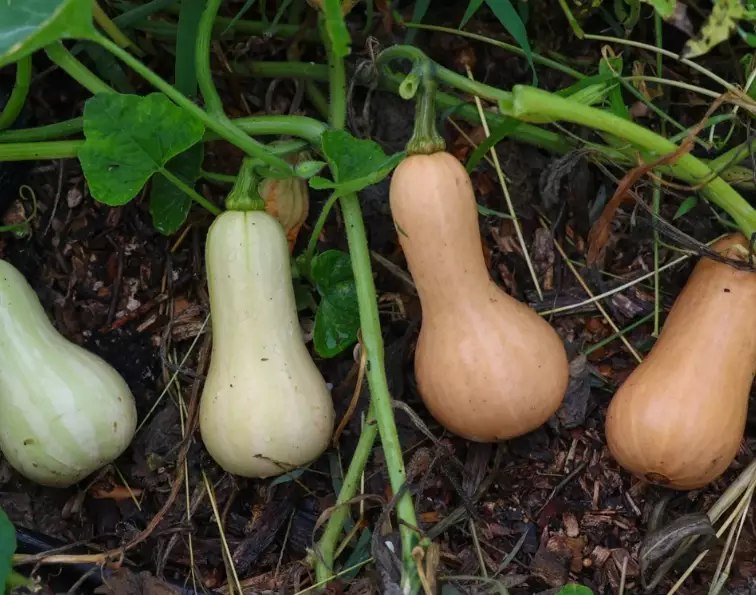
The Big Why: Timing your harvest isn't just about getting a squash you can eat. It's about maximizing flavor, sweetness, and that incredible creamy texture butternuts are famous for. It's also the single biggest factor in how long your squash will store. Get it right, and you could be enjoying your homegrown harvest well into winter. Get it wrong, and... well, let's just say compost happens.
The Five Foolproof Signs Your Butternut Pumpkin is Ready
Forget complicated formulas. Harvesting butternut squash comes down to checking a handful of key indicators. Think of it as a checklist. The more boxes you tick, the more certain you can be.
Color is Your First Clue (But Don't Stop There)
A mature butternut pumpkin develops a deep, uniform beige or tan skin. That pale, creamy yellow color it has when it's young? That's long gone. The skin should look dull, not shiny. A shiny skin often means it's still growing and the outer layer hasn't fully hardened up yet, which is crucial for storage.
Here's a nuance most people miss: look for a deep, rich brown color on the part of the squash that was resting on the ground. That "ground spot" should be a consistent tan or light brown, not bright yellow or green. If you see any green streaks on the main body, give it more time.
I made the mistake one year of harvesting based on color alone. The squash looked a beautiful tan, but the ground spot was still a bit yellow. They rotted in storage by November. Lesson painfully learned.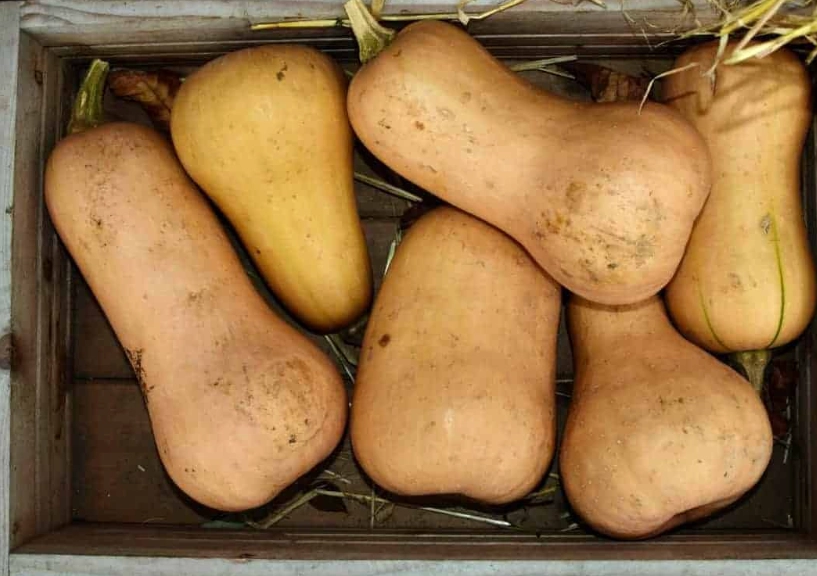
The "Thumbnail Test" and Skin Hardness
This is my go-to test. Try to puncture the skin with your fingernail. I mean, really press into it. On a ripe butternut pumpkin, you shouldn't be able to make a dent. The skin has cured and hardened into a tough, protective rind. If your nail sinks in easily, even a little, the squash isn't ready. It needs more time on the vine to develop that armor.
This hardness is non-negotiable for long-term storage. A soft skin is an invitation for bacteria and rot to move in. Don't rush it.
Listen to Your Squash: The Hollow Sound
This one feels a bit silly but trust me, it works. Pick up the butternut pumpkin (carefully, supporting its weight) and give it a firm tap or knock with your knuckles. A ripe, fully mature squash will produce a hollow, almost wooden sound. An immature one will sound dense and solid.
It takes a bit of practice to hear the difference. Tap a few you know aren't ready yet to train your ear. Once you hear that hollow *thump*, you'll know. It's a satisfying sound that tells you the flesh inside has developed properly and air pockets have formed.
The Vine and Stem Tell a Story
Look at the vine connected to your squash. Is it still lush, green, and actively growing? If so, the plant is still sending energy to the fruit. When the vine starts to wither, turn brown, and die back, it's a clear signal the plant is done. The squash has received all the nutrients it's going to get.
Pay even closer attention to the stem (the little cork-screw-like tendril closest to where the squash attaches to the main vine). This is a super reliable sign. When that stem turns from green to a dry, corky brown and starts to shrivel, the squash is physiologically mature. It's the plant's way of severing the nutrient supply line. Many seasoned gardeners swear this is the #1 sign for when to harvest butternut pumpkins.
Days to Maturity: A Guideline, Not a Gospel
Check your seed packet. It usually says something like "85-100 days to maturity." This is a useful starting point. Mark your calendar when you planted or when seedlings went in the ground. When you get near that window, start your inspections.
But don't be a slave to the number. Weather plays a huge role. A cool, cloudy summer can add weeks. A hot, sunny one might speed things up. Use the days as a heads-up to begin checking the physical signs we just talked about.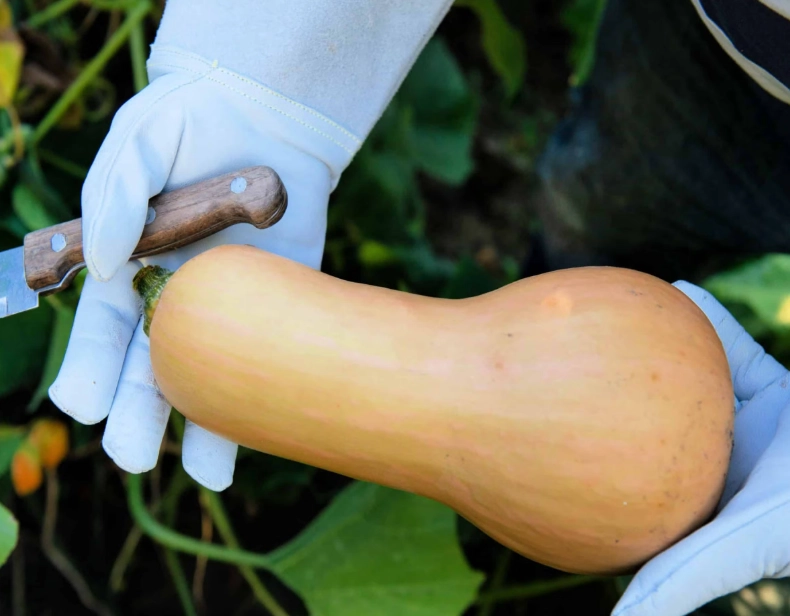
Pro-Tip from the Patch: Combine these signs. A tan color + a hard rind + a brown, shriveled stem is a rock-solid triple confirmation. If you only have one sign, wait. If you have two or three, it's probably time.
So, which method is best? Let's break it down.
| Sign of Ripeness | What to Look For | Reliability for Storage | My Personal Take |
|---|---|---|---|
| Skin Color & Texture | Deep, uniform tan/beige. Dull, not shiny. Brown ground spot. | High. Hard, dull skin is essential. | The most visual cue. Easy for beginners to spot. |
| Skin Hardness (Fingernail Test) | Cannot be punctured with thumbnail. | Very High. The best indicator of a cured rind. | My absolute favorite test. Quick and foolproof. |
| Hollow Sound | Hollow, wooden sound when tapped. | Medium-High. Indicates proper flesh development. | Takes practice, but very satisfying once you get it. |
| Vine & Stem Condition | Vine dying back. Stem brown, dry, and corky. | High. The plant's own "off" switch. | Probably the most reliable biological signal. |
| Days Since Planting | Matches "days to maturity" on seed packet. | Low-Medium. A rough guide only. | Use it to know when to start looking, not when to finish. |
Okay, It's Ready! How to Harvest the Right Way
Knowing when to harvest butternut pumpkins is only half the battle. How you do it matters just as much for the health of the squash and the plant. A bad cut can ruin all your hard work.
First, choose a dry day. Harvesting in the rain or when the squash is wet invites mold and rot. A sunny, breezy afternoon is ideal.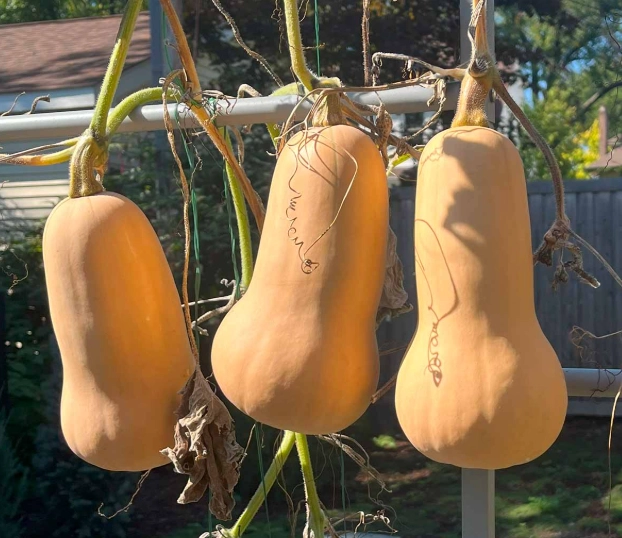
Tool Time: Use a sharp pair of pruning shears, a sharp knife, or a sturdy garden clipper. Do not, I repeat, do not try to twist or yank the squash off the vine. You'll likely tear the stem right off the top of the squash, creating a nasty wound that will rot quickly. I learned this the hard way with my first harvest—pulled one off like an apple and was left with a gaping hole. That squash lasted about a week.
Cut the stem, leaving a good 2 to 4 inches attached to the squash. Think of this stem like a protective cork. It helps seal the fruit and prevents pathogens from entering the top. A clean cut with a long stem is your goal.
Handle them gently. They're tough, but they can still bruise. Don't toss them into a bucket. Carry them carefully to avoid bumps and cracks. Any damage to the rind is a shortcut to spoilage.
The Frost Warning: This is critical. Butternut pumpkins cannot tolerate frost. A light frost will damage the vines and leaves, but if a hard frost (temps below 28°F / -2°C) is forecast and your squash are mature (or nearly so), you must harvest them immediately, even if they're not perfectly ripe. Frost-damaged squash will not store; they'll become soft and rot at the stem end within a few weeks. It's better to have a slightly underripe squash than a frozen one.
The Step Most People Skip: Curing for Perfection
You've harvested. Great job. But you're not done. If you want your squash to store for months, you need to cure them. This is the process of further hardening the skin and healing any minor scratches.
Simply place your harvested butternut pumpkins in a warm, dry, well-ventilated spot. Think of a sunny porch, a greenhouse bench, or even on a table in a sunny room. Ideal curing temperatures are between 80-85°F (27-29°C). Let them sit there for about 10 to 14 days.
During this time, the stems will dry out completely, and the skin will toughen up even more. You might notice the color deepening a bit too. This process also helps convert some of the starches to sugars, improving the flavor. After curing, wipe them down with a dry cloth to remove any dirt and move them to their final, cool storage location.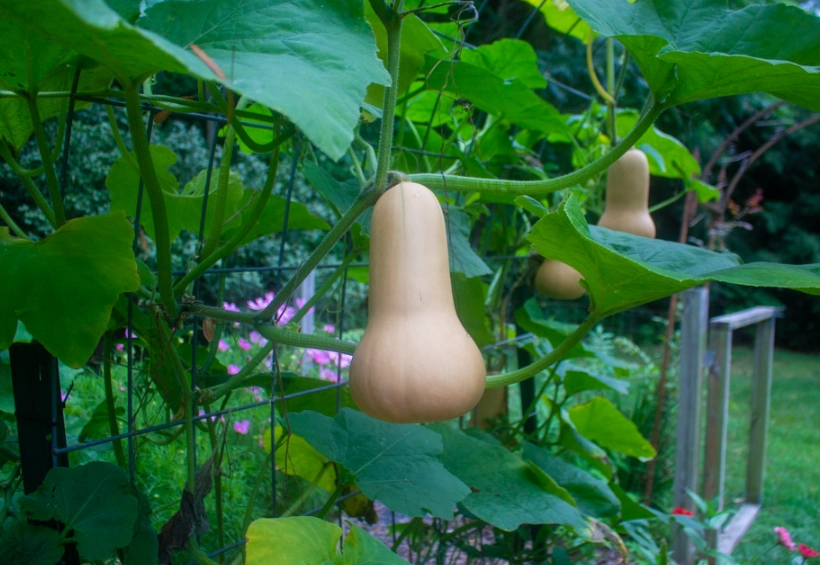
Storing Your Harvest: Keeping Them Happy All Winter
Proper storage is the final act. The goal is to slow down their metabolism. They like it cool, dry, and dark.
- Temperature: Aim for 50-55°F (10-13°C). A cool basement, an unheated garage (that doesn't freeze), or a root cellar is perfect. A pantry is okay if it's on the cooler side.
- Humidity: Moderately dry. Too damp causes mold. Too dry can cause them to shrivel. Good air circulation helps prevent moisture buildup.
- Setup: Don't pile them up. Store them in a single layer, not touching each other, on a shelf or rack. This prevents rot from spreading if one goes bad and ensures good air flow. Check on them every few weeks and use any that show soft spots first.
Done right, you can enjoy your butternut pumpkins for 3 to 6 months, sometimes longer. That's the real payoff for getting the harvest timing right.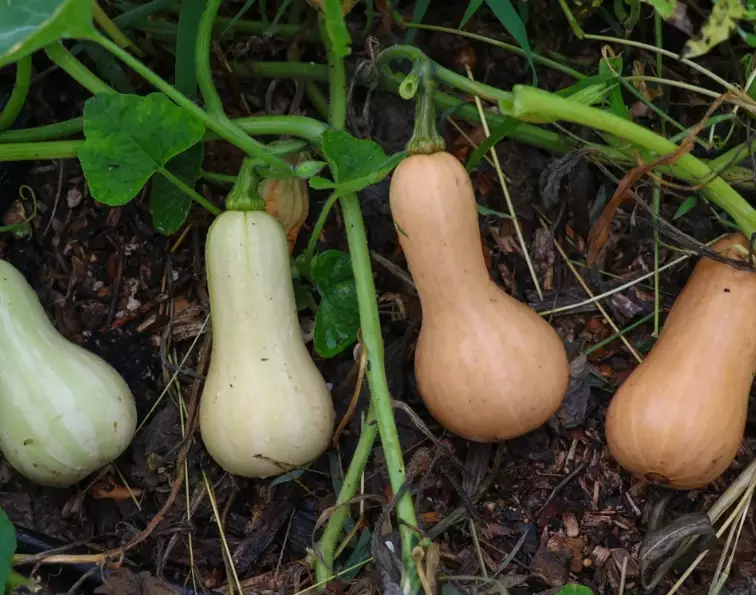
Your Butternut Harvest Questions, Answered
This is a tough spot. If a hard frost is imminent, harvest them all. Bring them indoors to a warm spot to cure. They may not be as sweet or store as long as fully vine-ripened squash, but they will still be edible. They're better in your kitchen than frozen solid in the garden.
You can, but you shouldn't if you can avoid it. An immature squash harvested early will have pale, watery flesh, less flavor, and almost no storage potential. It will rot quickly. The only reason to harvest early is to beat a killing frost.
If it passes all the other tests (hard rind, deep color, hollow sound), it's probably mature enough to harvest. The plant might just be extra vigorous. Go ahead and harvest it, leaving a long stem. The vine will redirect energy to other squash.
For immediate eating, you can be a little less strict. If the skin is hard and the color is good, it's fine to eat, even if the stem isn't fully corked. For long-term storage, you need all the signs—especially that rock-hard rind and dry, corky stem—to be absolutely sure.
Powdery mildew is ugly but usually doesn't affect the maturity of the fruit itself, as long as the squash's skin is hard. If the vines are collapsing from mildew, it might be a good idea to harvest your mature squash to get them away from the damp, fungal environment. The University of Minnesota Extension has great resources on managing garden diseases organically, which can help in future seasons.
The classic "Waltham Butternut" follows all the rules above. Some newer, smaller varieties or bush types may mature a bit faster. Always refer to your specific seed packet for its "days to maturity" as a starting point, but rely on the physical signs. The principles of hard skin and plant signals remain the same across varieties. For detailed, science-backed growing information for nearly any vegetable, the University of Maryland Extension home gardening pages are an incredible, trustworthy resource.
Figuring out when to harvest butternut pumpkins isn't about having a green thumb. It's about being a good observer. It's looking past the leaves and seeing what the fruit and the plant are telling you. Start checking as you get near that days-to-maturity mark. Use your eyes, your hands, and even your ears. Wait for that combination of deep color, rock-hard skin, and a plant that's starting to shut down.
The reward is worth it. There's nothing quite like cutting into a butternut squash you grew yourself, months after harvest, and finding that sweet, dense, orange flesh perfect for soup, roasting, or pie. It's the taste of patience and paying attention. Now go check your garden.
Reader Comments